Contact Us
Choose your preferred way to contact our team
Free Quote
Fill out the form to obtain prices and information
Send an Email
Share your needs and concerns
+86 19021571516

Why choose us
Simple ordering, reliable quality, professional support.
Easy Process
Clear communication from product selection to delivery, so your team can move faster.
Quality Assurance
Stable manufacturing, strict inspection, and support for configuration requirements.
Expert Support
Application-oriented advice for planetary ball milling, sample preparation, and scale-up needs.
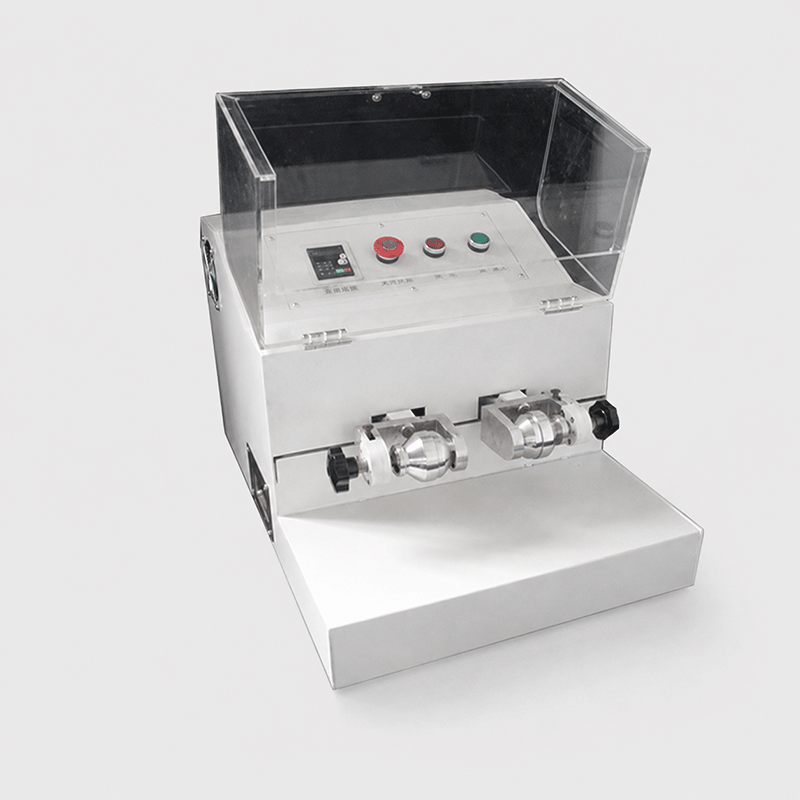
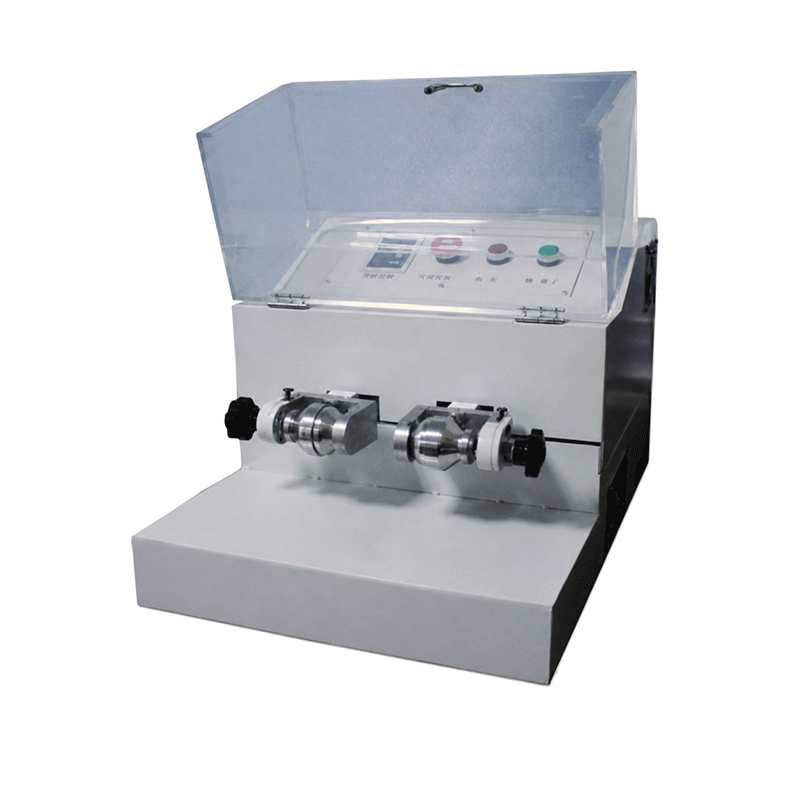
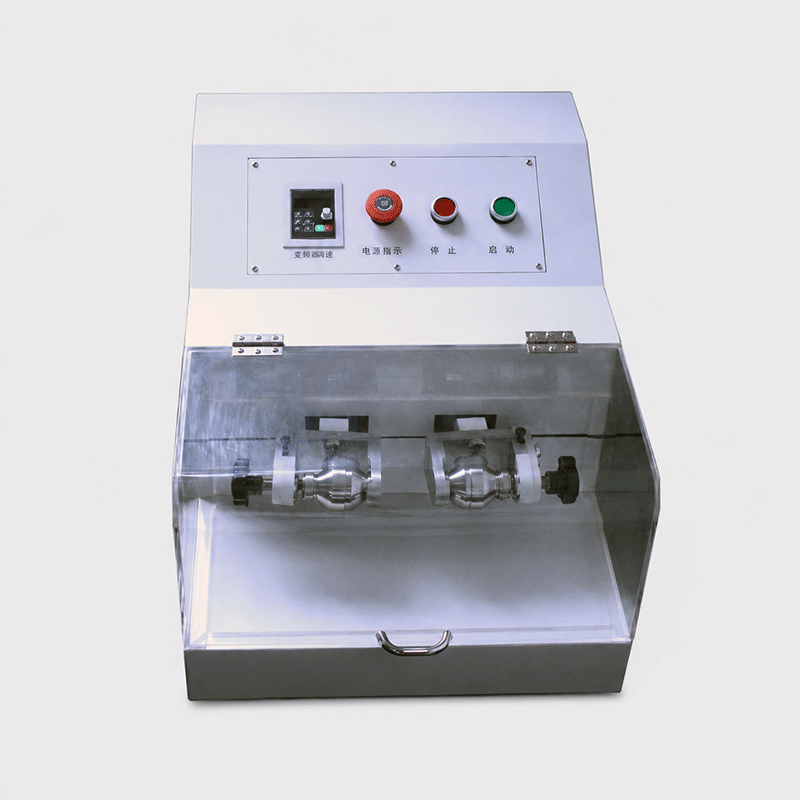
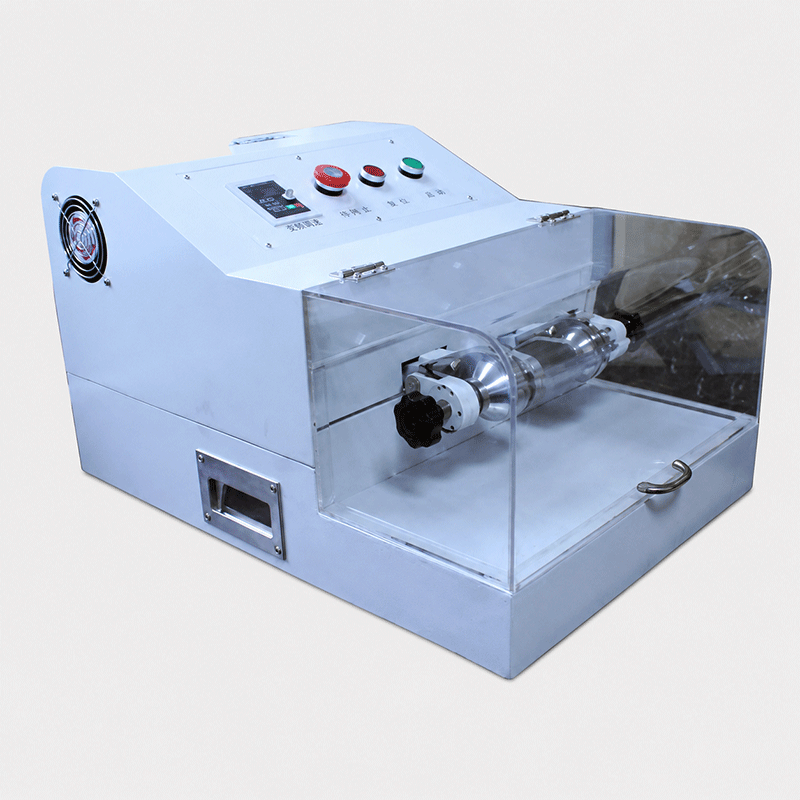
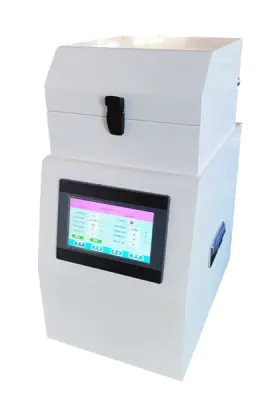
The grinding jar of the tissue grinder swings in an arc in the horizontal direction under the driving action of the swing arm. The material in the grinding jar is subject to the inertial impact force of the grinding ball and the collision and grinding shear force with the high-speed movement of the grinding jar, thereby achieving the effect of crushing and grinding. The superposition of the high-speed movement of the grinding jar and the movement of the grinding balls in the grinding jar makes the sample fully mixed.
Using multiple small-diameter grinding balls during grinding can greatly improve the uniformity of the material. Tissue cells can be disrupted by using a large number of small beads (such as glass beads). The huge impact and friction between balls can effectively break cells.
The tissue grinder is a product specially developed for processing small quantities of samples in the laboratory. It is not only suitable for fine crushing and fine grinding of hard, medium hard and brittle samples, but also suitable for crushing and grinding of soft, elastic, fibrous and other materials.
The tissue grinder can crush and grind many materials including fibrous tissue, bones, hair, chemicals, pharmaceuticals, minerals, ores, alloys, glass, ceramics, soil, sludge, and grain particles. For most materials, the equipment only takes tens of seconds to crush, grind and mix the materials.
The tissue grinder runs very fast, so the materials can be processed in a very short time without significant temperature rise. Therefore, this equipment can avoid the impact of temperature on the experiment, so most materials can be ground and mixed at room temperature.

Technical parameters
| Function | Crush, grind, mix |
|---|---|
| Material type | Hard, soft, brittle, elastic, fibrous |
| Feed particle size | ≤8mm |
| Minimum discharge particle size | Less than 1 micron |
| Grinding tank model size | ≤2×50 milliseconds |
| Regular grinding time | 2 minutes |
| Grinding method | dry grinding, wet grinding |
| Number of grinding jars | 2 |
| Grinding jar type | Screw-top jars (various materials to choose from) |
| Grinding ball material | Stainless steel, chromium steel, zirconia, tungsten carbide, quartz sand |
| Vibration frequency (digital setting) | 100-1800 times/minute |
| Grinding time (digital setting) | 1 minute - 10 minutes (user can set it by himself) |
| power | 250W |
| Width x Height x Depth | 450×380×650 mm |
| net weight | Approximately 32 kg |
1. Complex stress: The grinding ball presents a complex movement trajectory similar to an 8-shaped figure. The material is subject to complex stress during the grinding process, and the material is broken and ground thoroughly.;
2. High efficiency: fast, efficient grinding and homogenization, short grinding time, especially suitable for rapid preparation of laboratory samples ;
3. Large processing capacity: large sample processing capacity, double tank grinding, and can provide rapid grinding of materials ;
4. High repeatability: Grinding time and vibration frequency can be set and displayed digitally, making the grinding results highly repeatable and reducing experimental errors.
5. Wide range of applications: A variety of grinding jars of different materials and volumes are available, with a wide range of applications.
6. High safety: The protective cover has a transparent observation window and stops when the cover is opened to improve personal safety. ;
7. Low noise: This equipment uses servo motor + driver + synchronous belt transmission. During the operation of the instrument, the noise is less than 60dB and will not interfere with other experiments or instruments. ;
8. Small size, light weight, easy to carry.
Parameters
| Model | |
|---|---|
| Grinding Jar Capacity | |
| Feed Size | |
| Output Size | |
| Speed | |
| Power | |
| Voltage | |
| Dimensions | |
| Weight | 0 |
Related Videos
The trusted choice of industry leaders
FAQ
-
What is a Laboratory Planetary Grinder? A Desktop High-Energy Ball Mill for Fine Grinding and Mixing of Small Samples
A laboratory planetary grinder is a compact planetary ball mill designed for fine grinding, mixing, and homogenizing small samples. It uses planetary motion—combining revolution and rotation—to generate high-energy impacts for achieving micron to submicron particle sizes. Ideal for materials research, pharmaceuticals, and chemistry labs, it offers precise control over grinding parameters and supports various jar materials for contamination-free processing.
MORE >> -
What is Agate Ball? A High-Purity Grinding Media for Contamination-Free Fine Milling in Laboratories
Agate balls are natural silica grinding media used in planetary and roller ball mills to achieve ultra-fine particle size reduction without metal contamination. With high hardness, chemical inertness, and wear resistance, they are essential for sample preparation in spectroscopy, ceramics, geology, and pharmaceuticals where purity is critical.
MORE >> -
What is a Lab Vibration Ball Mill? A High-Efficiency Grinding Device for Rapid Sample Preparation and Cell Disruption
Discover the working principle, types, key specifications, and selection tips of the Lab Vibration Ball Mill. This high-energy milling equipment is ideal for dry, wet, and cryogenic grinding of small samples, as well as cell disruption for DNA/RNA extraction. Learn how to choose the right model for your lab.
MORE >> -
What is a Lab Jaw Crusher? A Crushing Equipment for Sample Preparation in Laboratories
A lab jaw crusher is a compact and efficient crusher designed for primary crushing of hard and brittle materials in laboratories. It uses the principle of squeezing and crushing between two jaw plates to reduce materials like ores, coal, and rocks to a desired particle size, typically 1-250mm. This article explains its working principle, key components, selection criteria, and applications, helping researchers and technicians choose the right equipment for accurate sample preparation.
MORE >> -
What is a Micro Planetary Ball Mill? A Compact Lab Grinder for Nano-Scale Sample Preparation
Discover the Micro Planetary Ball Mill, a compact lab grinder designed for ultra-fine grinding of materials down to 0.1 micron. Ideal for glove box use, it supports dry, wet, and vacuum grinding with programmable control for research and quality control.
MORE >> -
What is a Portable Tissue Grinder? A Compact Tissue Homogenizer for On-Site Sample Preparation
Discover the portable tissue grinder—a lightweight, battery-powered homogenizer designed for rapid DNA/RNA extraction and sample grinding in field, lab, or remote locations. Learn its working principle, key components, performance specs, and selection tips for efficient biological sample preparation.
MORE >> -
What is a Laboratory Full-Directional Planetary Ball Mill? A High-Energy Milling Device for Multi-Directional Fine Grinding and Nano Material Preparation
This article provides a comprehensive overview of the Laboratory Full-Directional Planetary Ball Mill, a versatile high-energy milling device designed for ultra-fine grinding, nano-material synthesis, and multi-sample preparation in research laboratories. It explains its working principle, key technical features, performance indicators, and selection criteria, helping users understand how this equipment achieves superior grinding uniformity through 360-degree rotational motion. The guide also covers typical applications in materials science, geology, pharmaceuticals, and battery research.
MORE >> -
What is a Lab Roll Ball Mill? A Versatile Drum Ball Mill for Laboratory Wet and Dry Grinding
A lab roll ball mill is a compact drum ball mill designed for fine grinding, mixing, and homogenizing small batches of materials in research labs. It uses rotating rollers to tumble a jar containing grinding media and sample, achieving micron to submicron particle sizes. Ideal for ceramics, chemicals, minerals, and battery materials, it offers adjustable speed, multiple jar options, and dry/wet grinding capability. This guide explains its working principle, types (light-duty, large, inner-lined, multi-station), key performance indicators, and selection tips for laboratory applications.
MORE >> -
What is Tungsten Carbide Mill Ball? An Ultra-Hard Grinding Media for High-Efficiency Fine Milling
Tungsten carbide mill balls are high-density, ultra-hard grinding media designed for planetary ball mills and other ball milling equipment. They excel in grinding hard materials like cemented carbide, silicon nitride, and advanced ceramics down to nano-scale. With extreme wear resistance and contamination-free processing, these balls are essential for battery materials, powder metallurgy, and geological sample preparation. Learn about their working principle, key performance indicators, and selection guide.
MORE >> -
What is a Multi Channel Tissue Grinder? A High-Throughput Sample Preparation Instrument for Biological Tissue Homogenization
A multi channel tissue grinder is a specialized laboratory instrument designed for high-throughput homogenization of biological tissues, cells, and microorganisms. It uses vertical oscillation to rapidly grind samples in sealed tubes, preserving nucleic acids and proteins. Ideal for DNA/RNA extraction, proteomics, and drug screening, it handles up to 576 samples per batch with minimal cross-contamination and excellent reproducibility.
MORE >>
Get In Touch
Our professional team will reply to you within one business day. Please feel free to contact us!
Related Products
Related Articles