Contact Us
Choose your preferred way to contact our team
Free Quote
Fill out the form to obtain prices and information
Send an Email
Share your needs and concerns
+86 19021571516
Press forming
Explore TENCAN Press forming equipment for powder tablet preparation, including manual and automatic electric tablet presses for lab sample pressing.
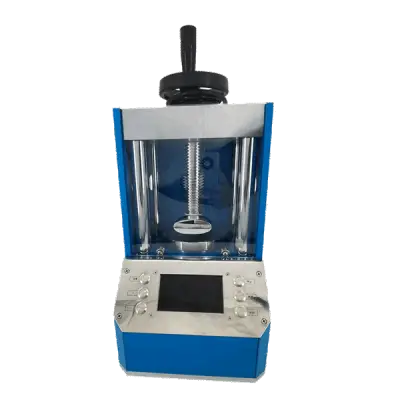
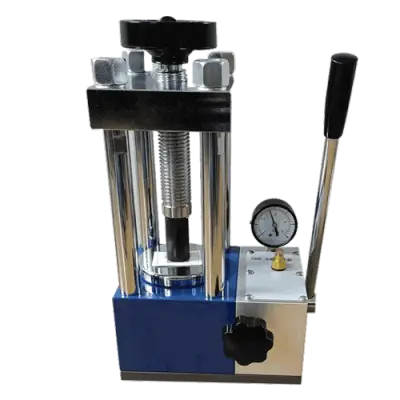
TENCAN Press forming: Reliable Powder Tablet Pressing Equipment for Laboratory and Material Research
The TENCAN Press forming series is designed for powder tablet preparation, laboratory sample pressing and small-batch material forming. In powder processing, many materials must be compressed into a fixed shape before testing, analysis, sintering, handling or further application. A stable tablet press can help users convert loose powders or granules into compact tablets with defined size, density, strength and surface quality.
Press forming is an important step in the complete powder processing workflow. After raw materials are crushed, ground, sieved and mixed, the powder may need to be pressed into a pellet, tablet or compact sample. This process is widely used in XRF sample preparation, powder metallurgy, ceramic materials, cement analysis, building materials, chemical research, battery materials, catalysts, food tablets, pharmaceutical formulation research and university laboratory experiments.
Unlike grinding or crushing equipment, a tablet press does not reduce particle size. Its main purpose is to apply controlled pressure through a mold and convert powder into a formed sample. The final result depends on powder particle size, moisture content, binder ratio, mold structure, pressing force, holding time and pressure release method. Selecting the right press forming equipment can improve sample repeatability, reduce cracking, increase tablet density and make laboratory testing more reliable.
Why Choose TENCAN Press forming Equipment?
TENCAN focuses on powder processing equipment and provides complete solutions from crushing, grinding, sieving and mixing to press forming and laboratory sample preparation. For users who already use ball mills, crushers, mixers or sieve shakers, the Press forming series can be connected naturally to the next step of the workflow. After powder is prepared to the required fineness and uniformity, it can be pressed into tablets or samples for analysis or further processing.
The TENCAN Press forming series includes manual tablet presses and automatic electric tablet presses. The manual tablet press is suitable for laboratory research, small-batch trials, formula verification and applications where compact size, simple operation and flexible use are important. The automatic electric tablet press is suitable for users who need more precise pressure control, higher pressing force, programmable pressing process and better repeatability.
Another important advantage is compatibility with different molds and sample requirements. According to the material and final sample shape, users can select suitable mold accessories for round tablets, special-shaped samples, XRF pellets or other compacted powder forms. This makes the equipment useful for both routine sample preparation and new material research.
Manual Tablet Press for Flexible Laboratory Use
The manual tablet press is a compact press forming machine that relies on manual operation to apply pressure to powder or granular materials. It is suitable for laboratories, R&D departments and small-scale sample preparation. The machine is often used when the user needs a simple, reliable and economical device for powder pressing without complex electrical control.
This type of machine is suitable for pressing pharmaceutical formulation samples, food tablets, chemical powders, catalysts, metallurgical powders, ceramic particles, electronic material samples and small experimental batches. It can also be used in laboratories to quickly verify whether a powder formula can be pressed into a stable tablet.
The manual tablet press is especially useful for small-volume testing. It has a compact structure, takes up little space and can be placed in many laboratory environments. For some air-sensitive powder processes, a compact manual press can also be considered for glove box operation when size and operating conditions are suitable. This is valuable for battery materials, reactive metal powders or oxygen-sensitive experimental samples.
During operation, the user prepares dry and uniform powder, fills the mold, installs the upper and lower punches, applies pressure manually, holds the pressure as required and then releases the pressure to remove the formed tablet. The process is simple, but it still requires attention to powder uniformity, loading amount, pressure value and mold cleaning. These factors directly affect tablet density and appearance.
For users who need occasional pressing, formula development or small-batch testing, the manual tablet press provides a practical solution. It is easy to operate, easy to maintain and suitable for laboratories that require flexible sample preparation.
Automatic Electric Tablet Press for Higher Repeatability
The automatic electric tablet press is designed for users who need more stable pressure control and more repeatable sample preparation. Compared with manual pressing, electric pressing can reduce operator differences and improve consistency between batches. It is suitable for XRF analysis, calcium-iron analysis, superconducting materials, building materials, powder ceramics, cement and new material research.
The automatic electric tablet press can work with suitable mold accessories to meet different powder sample forming needs. Its electric pressure system, programmable pressure process and pressure holding function help users obtain more consistent pressed samples. This is especially important when the sample will be used for instrumental analysis or comparative research.
In many laboratories, sample preparation repeatability is as important as the instrument itself. If powder pressing pressure, holding time or release speed changes too much, the final tablet density and surface condition may change. This may influence analysis stability. An automatic electric tablet press helps reduce these variables by using a controlled program.
For users who prepare many samples every day, the automatic electric tablet press can also improve work efficiency. It reduces manual labor and helps standardize the pressing process. The machine is suitable for research institutes, testing laboratories, universities, material companies, cement plants, ceramic laboratories and industrial quality control departments.
Key Applications of Press forming
Press forming equipment is widely used in laboratory sample preparation and material forming.
In XRF sample preparation, powders are often pressed into smooth and dense pellets for elemental analysis. A uniform and stable sample surface helps improve test reliability. The automatic electric tablet press is suitable for laboratories that require repeatable pressure and consistent sample quality.
In powder metallurgy, metal powders or composite powders may be pressed into green compacts before sintering. Pressing helps create a defined shape and improves particle contact. The density and strength of the compact are important for later sintering performance.
In ceramic material research, ceramic powders may be pressed into tablets, discs or special shapes before heat treatment. Uniform pressing helps reduce defects, warping and cracking during later processing.
In cement and building material analysis, powders can be pressed into test samples for laboratory inspection. Stable sample preparation improves comparison between different batches.
In chemical and catalyst research, powders can be pressed into pellets for reaction testing, handling or storage. The tablet form can improve dosing accuracy and make samples easier to transfer.
In battery and electronic material research, powder pressing can be used for electrode material testing, conductive material evaluation, button battery components and other compact sample preparation. For some sensitive materials, press forming may be combined with glove box operation.
In food, pharmaceutical and health product research, tablet pressing can be used for formulation screening, process verification and small-batch sample preparation. The goal may be to evaluate tablet hardness, appearance, dissolution behavior or formula stability.
Difference Between Press forming and Other Powder Equipment
Press forming has a different function from grinding, crushing, sieving and mixing.
Crushing equipment reduces large materials into smaller particles. Grinding equipment further refines particles into fine powder or nano-scale materials. Sieving equipment separates particles by size. Mixing equipment distributes different powders or additives evenly. Press forming equipment compresses the prepared powder into a solid form.
These processes often work together. For example, a ceramic powder may first be crushed, then ground by a planetary ball mill, then sieved to remove coarse particles, then mixed with additives and finally pressed into a tablet or green body before sintering. In XRF sample preparation, minerals or cement materials may be ground into fine powder and then pressed into smooth pellets for analysis.
Understanding this workflow helps users choose equipment correctly. If the powder is too coarse, the tablet may crack or show poor surface quality. If the powder is not mixed uniformly, the final sample may have inconsistent composition. If the pressing force is not controlled, density may vary between samples. Therefore, press forming should be considered together with upstream powder preparation.
Important Factors in Tablet Pressing
The final quality of a pressed tablet depends on several factors.
Particle size is very important. Powders with suitable fineness usually press more easily and form smoother tablets. Very coarse particles may create rough surfaces and weak tablets. Extremely fine powders may show poor flowability or air entrapment if the process is not optimized.
Powder moisture and binder content also affect forming behavior. Some powders need a small amount of binder to improve strength, while other materials must remain dry to avoid sticking or chemical changes. The correct formula depends on the material and testing purpose.
Pressing force must be selected carefully. Too little pressure may lead to weak tablets, loose structure or powder shedding. Too much pressure may damage the mold, cause cracking during pressure release or change material characteristics. A pressure display or automatic pressure program helps users control this parameter more effectively.
Holding time can influence tablet density and stability. Some powders require a short dwell time under pressure to remove trapped air and improve compaction. Automatic electric presses are useful when the user needs repeatable holding time.
Mold cleaning and maintenance are also important. Residual powder can cause contamination or affect tablet shape. For high-purity materials, users should pay attention to mold material, cleaning method and cross-contamination risk.
Manual vs Automatic Tablet Press: How to Select
The manual tablet press is suitable for users who need flexible operation, compact size and economical sample preparation. It is a good choice for occasional pressing, teaching, formula screening, glove box use and small-batch experiments. It is also practical when the operator needs direct control over the pressing process.
The automatic electric tablet press is suitable for users who require higher repeatability, stronger pressing force, programmable operation and better efficiency. It is recommended for routine analysis laboratories, XRF sample preparation, cement testing, ceramic research and material testing departments that process many samples.
If the main requirement is simple laboratory preparation with low sample quantity, the manual tablet press may be enough. If the requirement is standardized pressing, less operator variation and more stable results, the automatic electric tablet press is the better option.
Customization and Selection Support
TENCAN can provide selection support according to powder type, target tablet size, required pressure, mold type, sample quantity, testing purpose and working environment. Users can provide raw material name, particle size, sample weight, expected tablet diameter, required pressure range, whether pressure holding is needed and whether the equipment will be used inside a glove box.
Optional considerations may include pressure range, manual or electric operation, pressure display type, mold specification, protective cover, working space, holding time, automatic pressure relief and electrical requirements. For special material research, mold accessories can be matched according to sample shape and application.
The TENCAN Press forming series helps users complete the final step from powder preparation to formed samples. Whether you need a compact manual tablet press for flexible R&D use or an automatic electric tablet press for repeatable sample preparation, TENCAN can provide practical equipment solutions for laboratory pressing, XRF pellets, powder metallurgy, ceramic research, chemical materials and new material development.
FAQ
-
What is an Automatic Electric Tablet Press? A High-Efficiency Forming Machine for Uniform Tablet Production
Learn what an automatic electric tablet press is, how it works, its key types, performance indicators, and selection tips. This guide covers the core principles of rotary tablet pressing, automation features, and applications in pharmaceuticals, food, chemicals, and more. Ideal for lab managers, production engineers, and procurement professionals.
MORE >>
Get In Touch
Our professional team will reply to you within one business day. Please feel free to contact us!