Contact Us
Choose your preferred way to contact our team
Free Quote
Fill out the form to obtain prices and information
Send an Email
Share your needs and concerns
+86 19021571516

Why choose us
Simple ordering, reliable quality, professional support.
Easy Process
Clear communication from product selection to delivery, so your team can move faster.
Quality Assurance
Stable manufacturing, strict inspection, and support for configuration requirements.
Expert Support
Application-oriented advice for planetary ball milling, sample preparation, and scale-up needs.
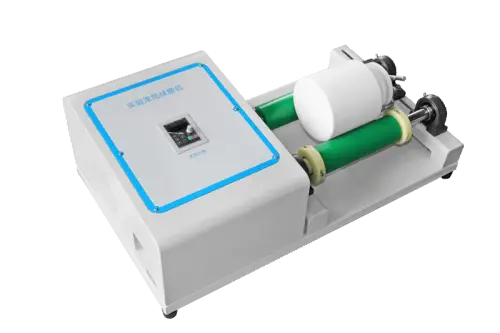
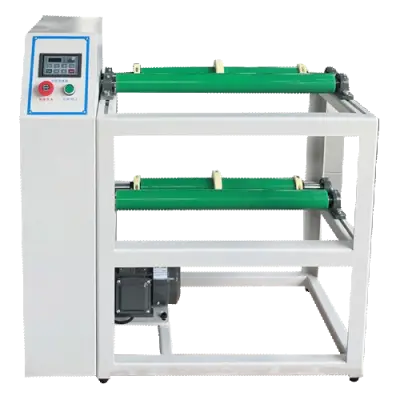
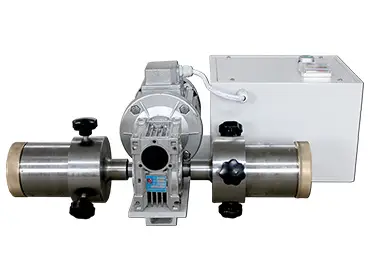
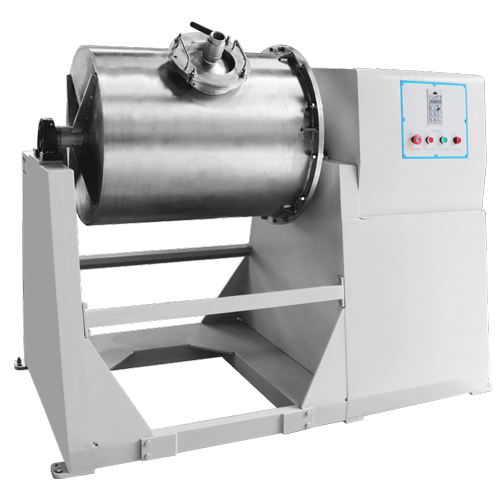
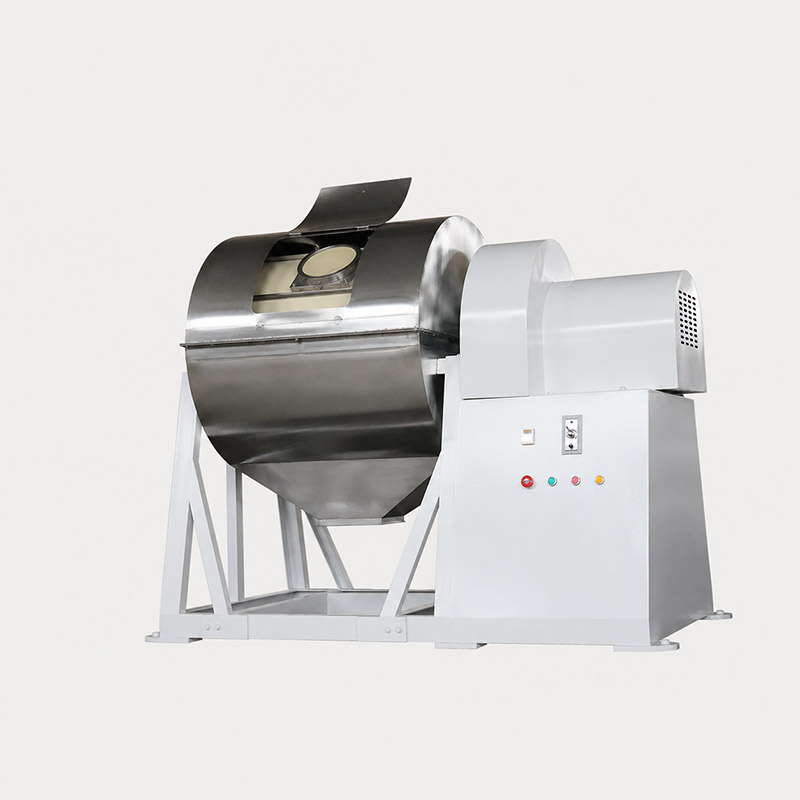
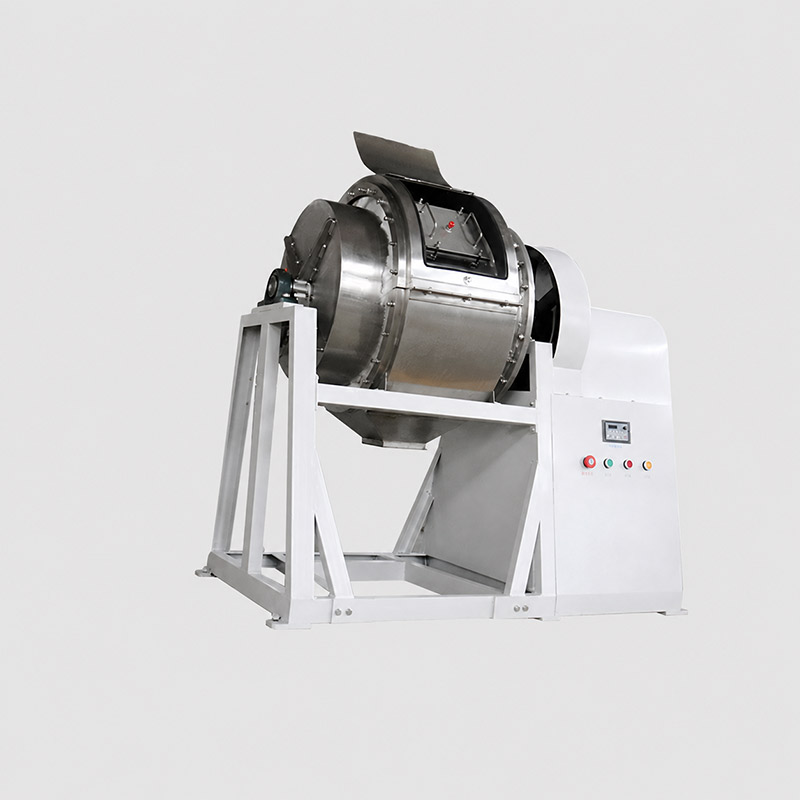
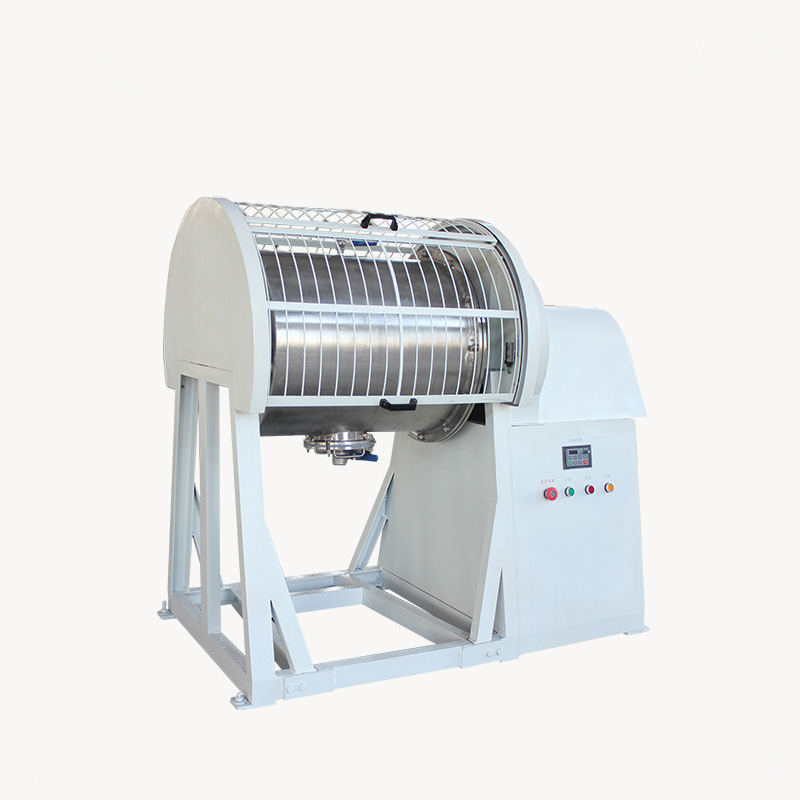
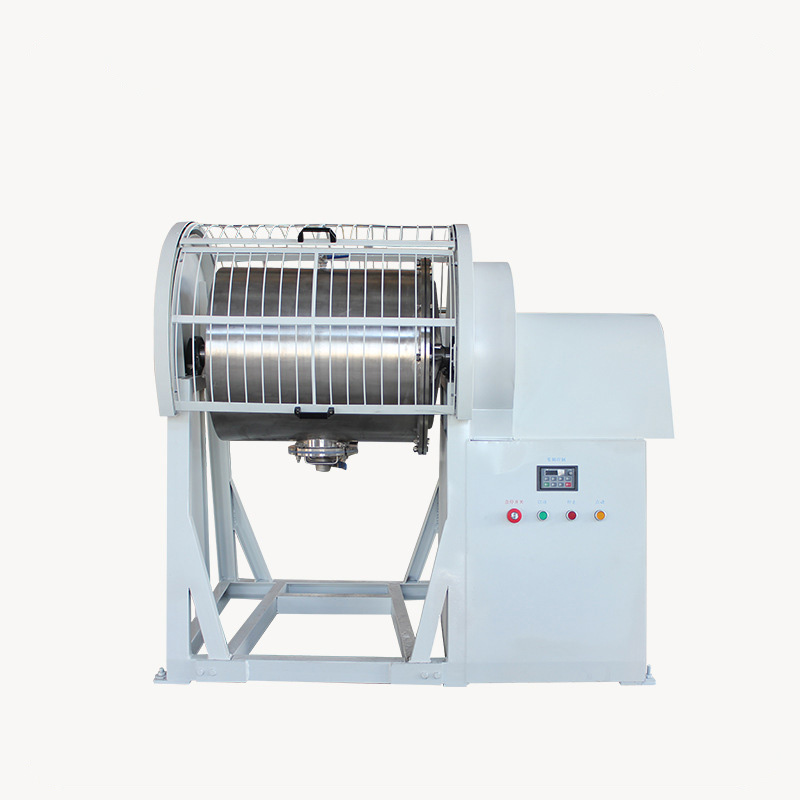
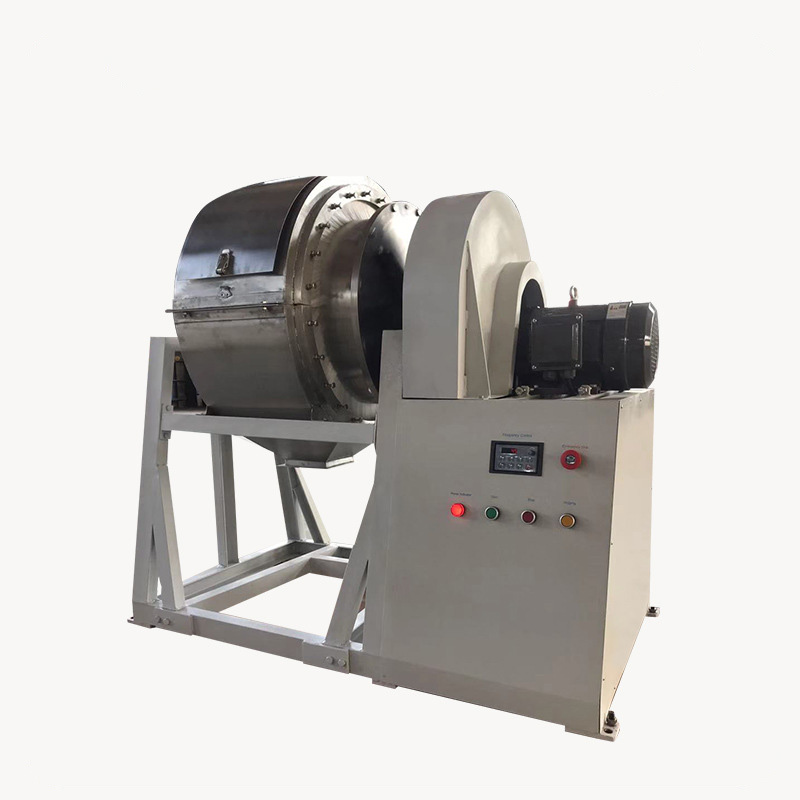
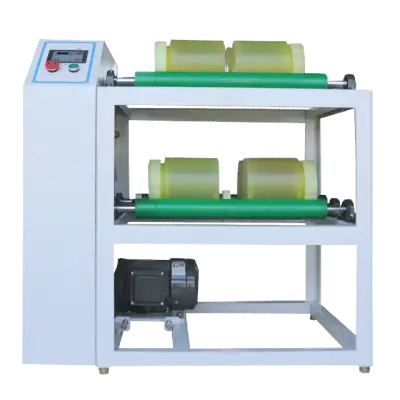
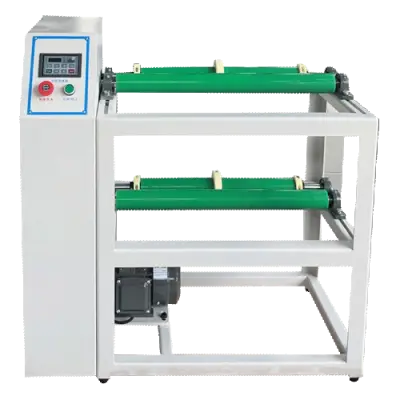
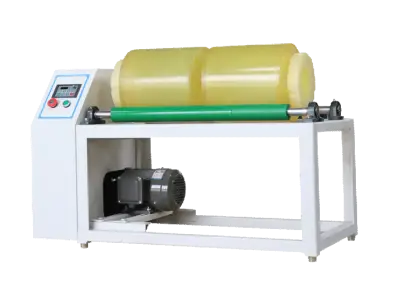
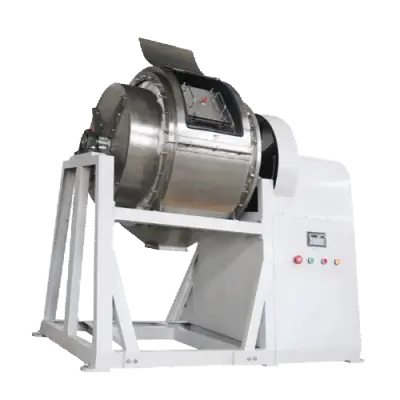
When the light roller ball mill is working, the grinding media and materials in the cylinder are raised to a certain height with the rotation of the cylinder. Due to gravity, they break away from the cylinder wall and fall along a parabola. The grinding media and materials roll at high speed in the grinding tank, causing strong shearing, impact, and rolling of the materials to achieve the purpose of crushing, grinding, dispersing, and emulsifying the materials.
Technical parameters
1. Model description: QM-(Volume)-(A speed regulating type, B ordinary type) For example: QM-50-A is a 50L speed regulating roller ball mill;
2. Determine the machine model based on the grinding volume;
3. Select ball mill tanks (or different ball mill tank linings) and grinding balls of different materials according to the material properties.;
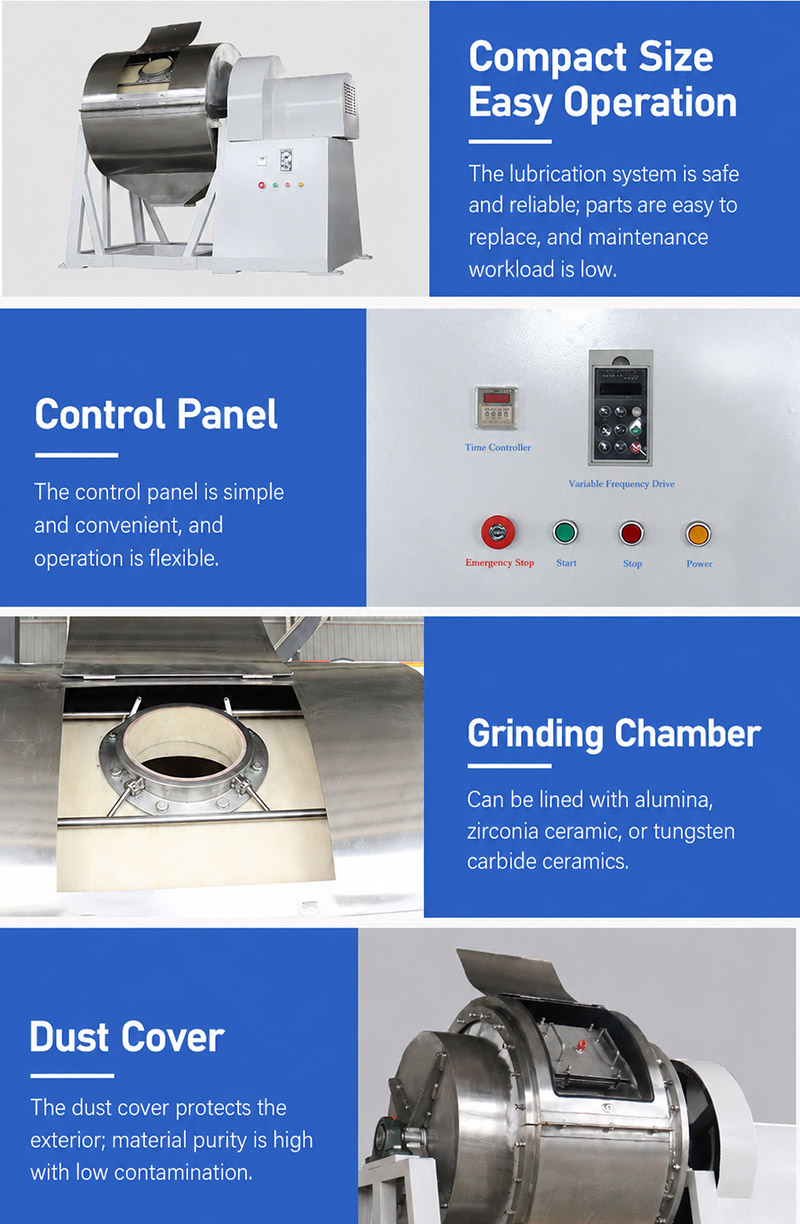
4. You can choose equipment with automatic unloading device and dust cover. Material and balls can be separated automatically, making discharging convenient 。
5. The machine operates smoothly, is highly efficient and energy-saving, and has low noise. ;
6. It can be used for dry or wet grinding, and can handle materials of various hardnesses. It can be used for coarse or fine grinding or mixing of materials. ;
7. Using a protective jacket, the material has high purity and low pollution ;
8. Anti-wear, high grinding efficiency ;
9. Alumina corundum ceramic, zirconia ceramic and other linings can be used, and the model can be selected from 25-2000L according to the user's output.
1. The machine operates smoothly, is highly efficient and energy-saving, and has low noise.;
2. It can be used for dry or wet grinding, can handle materials of various hardness, and can be used for coarse or fine grinding or mixing of materials. ;
3. With automatic unloading machine, materials and balls can be separated automatically, making discharging convenient ;
4. Using a protective jacket, the material has high purity and low pollution ;
5. Anti-wear, high grinding efficiency ;
6. Alloy steel, stainless steel, high wear-resistant polyurethane, corundum ceramic, zirconia and other linings can be used. The model can be selected from 25-2000L according to the user's output.
Parameters
| Model | QM |
|---|---|
| Grinding Jar Capacity | |
| Feed Size | |
| Output Size | |
| Speed | |
| Power | |
| Voltage | |
| Dimensions | |
| Weight | 0 |
Related Videos
The trusted choice of industry leaders
FAQ
-
What is a Laboratory Planetary Grinder? A Desktop High-Energy Ball Mill for Fine Grinding and Mixing of Small Samples
A laboratory planetary grinder is a compact planetary ball mill designed for fine grinding, mixing, and homogenizing small samples. It uses planetary motion—combining revolution and rotation—to generate high-energy impacts for achieving micron to submicron particle sizes. Ideal for materials research, pharmaceuticals, and chemistry labs, it offers precise control over grinding parameters and supports various jar materials for contamination-free processing.
MORE >> -
What is a Small Ball Mill with a Ceramic Jar? A Compact Drum Ball Mill for Laboratory Sample Grinding
A small ball mill with a ceramic jar is a compact drum-type grinding equipment widely used in laboratories for fine powder preparation. It features a ceramic jar that prevents metal contamination, making it ideal for grinding sensitive materials. This article explains its working principle, key components, performance indicators, and application scenarios to help users select the right model.
MORE >> -
What is Agate Ball? A High-Purity Grinding Media for Contamination-Free Fine Milling in Laboratories
Agate balls are natural silica grinding media used in planetary and roller ball mills to achieve ultra-fine particle size reduction without metal contamination. With high hardness, chemical inertness, and wear resistance, they are essential for sample preparation in spectroscopy, ceramics, geology, and pharmaceuticals where purity is critical.
MORE >> -
What is a Lab Vibration Ball Mill? A High-Efficiency Grinding Device for Rapid Sample Preparation and Cell Disruption
Discover the working principle, types, key specifications, and selection tips of the Lab Vibration Ball Mill. This high-energy milling equipment is ideal for dry, wet, and cryogenic grinding of small samples, as well as cell disruption for DNA/RNA extraction. Learn how to choose the right model for your lab.
MORE >> -
What is a Colloid Mill? A High-Shear Wet Grinding Equipment for Emulsifying, Dispersing, and Homogenizing
Discover the working principle, types, and selection criteria of colloid mills. This guide explains how a colloid mill uses high-speed rotor-stator shear to achieve ultra-fine grinding, emulsification, and homogenization of wet materials in industries like food, pharmaceuticals, chemicals, and cosmetics. Learn about key performance indicators and application scenarios.
MORE >> -
What is a Micro Planetary Ball Mill? A Compact Lab Grinder for Nano-Scale Sample Preparation
Discover the Micro Planetary Ball Mill, a compact lab grinder designed for ultra-fine grinding of materials down to 0.1 micron. Ideal for glove box use, it supports dry, wet, and vacuum grinding with programmable control for research and quality control.
MORE >> -
What is a Lightweight Stirred Ball Mill? A High-Efficiency Grinding Equipment for Wet and Dry Ultrafine Pulverization
Discover what a lightweight stirred ball mill is, how it works, and its key advantages for laboratory and pilot-scale ultrafine grinding. This guide covers working principles, types, performance indicators, and selection tips for this versatile wet and dry milling equipment.
MORE >> -
What is a Tungsten Carbide Planetary Mill Jar? A High-Performance Grinding Container for Ultra-Hard Material Processing and Contamination-Free Nano Grinding
Explore the definition, working principles, key performance metrics, and selection criteria of tungsten carbide planetary mill jars. This article explains how these ultra-hard grinding containers enable contamination-free nano grinding of hard and brittle materials in planetary ball mills, making them essential for advanced materials research, powder metallurgy, and ceramic processing.
MORE >> -
What is a Low Temperature Planetary Grinding Machine? A Specialized Ball Mill for Cryogenic Grinding of Heat-Sensitive Materials
A low temperature planetary grinding machine is a specialized planetary ball mill designed for cryogenic grinding, enabling fine milling of heat-sensitive, volatile, or biological materials without thermal degradation. This article explains its working principle, key components, performance indicators, and application areas, helping researchers and engineers select the right equipment for low-temperature powder processing.
MORE >> -
What is a Polyurethane Coated Iron Core Grinding Ball? A Wear-Resistant Grinding Media for Low-Contamination and High-Purity Milling
Discover the polyurethane coated iron core grinding ball, a specialized ball mill media designed for high-purity, low-contamination milling. Its iron core provides density and impact force, while the polyurethane shell offers exceptional wear resistance, elasticity, and corrosion resistance. Ideal for processing ceramics, battery materials, pharmaceuticals, and other sensitive powders in planetary and drum ball mills. Learn about its structure, key performance indicators, and selection tips for optimal grinding results.
MORE >>
Get In Touch
Our professional team will reply to you within one business day. Please feel free to contact us!
Related Products
Related Articles