Contact Us
Choose your preferred way to contact our team
Free Quote
Fill out the form to obtain prices and information
Send an Email
Share your needs and concerns
+86 19021571516
Ball mill media
Explore TENCAN Ball Mill Media for powder grinding and dispersion, including stainless steel, zirconia, agate, corundum, PU and tungsten carbide balls.
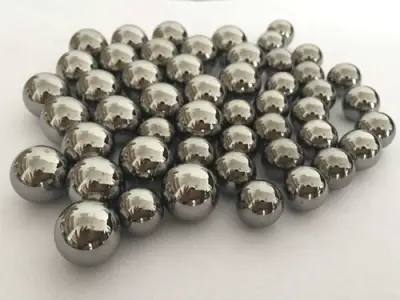
Tungsten carbide mill ball
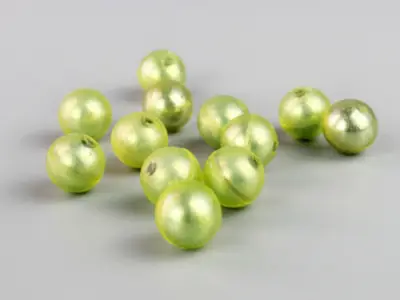
Polyurethane coated iron core grinding ball
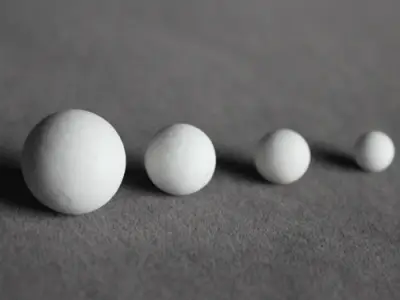
Corundum grinding ball
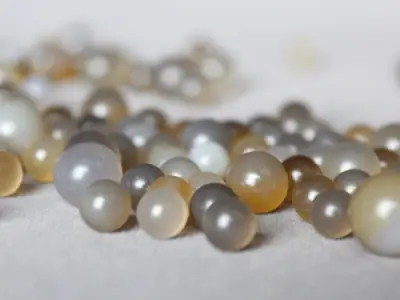
agate ball
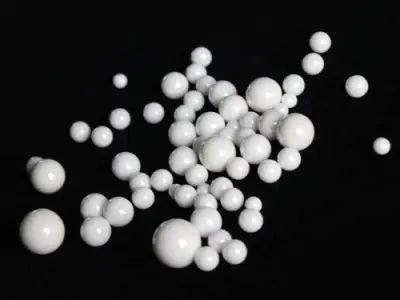
Zirconia grinding ball
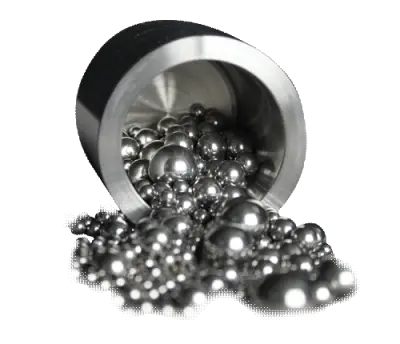
304 stainless steel grinding ball
TENCAN Ball Mill Media
TENCAN Ball Mill Media is designed for powder grinding, fine milling, dispersion and material mixing in planetary ball mills, drum ball mills, stirred ball mills, vibration mills and other grinding equipment. Grinding media is one of the key factors that affects grinding efficiency, particle size distribution, wear loss, contamination level and final powder quality.
Different materials require different media hardness, density, wear resistance and chemical compatibility. If the grinding ball is too soft, grinding efficiency may be low and media wear may increase. If the grinding ball is not compatible with the material, unwanted impurities may enter the sample. Therefore, selecting the right ball mill media is essential for stable and repeatable powder processing.
Why Choose TENCAN Ball Mill Media?
TENCAN provides multiple grinding ball materials for different laboratory and production needs, including stainless steel, zirconia, agate, corundum, polyurethane-coated iron core and tungsten carbide grinding balls. These media can be matched with different grinding jars and mill types according to material hardness, purity requirements, dry or wet grinding conditions and target particle size.
For general powder grinding, stainless steel balls are economical and widely used. For high-purity materials, zirconia, agate or corundum balls are often preferred. For ultra-hard materials, tungsten carbide balls provide strong impact and wear resistance. For applications requiring lower noise, softer contact or protection of the jar lining, polyurethane-coated media can be selected.
Stainless Steel Grinding Balls
Stainless steel grinding balls are commonly used in planetary ball mills, drum ball mills, stirred ball mills and vibration mills for fine grinding and dispersion. They are suitable for materials that are not sensitive to metal contamination, such as common chemical raw materials, fillers, mineral powders, alloys and general laboratory samples.
Their main advantages are durability, smooth surface, good corrosion resistance and cost-effectiveness. However, because stainless steel may introduce Fe, Cr or Ni elements, it is not recommended for high-purity ceramics, battery materials or samples that must avoid metal ion contamination.
Zirconia Grinding Balls
Zirconia grinding balls are widely used for high-purity and high-efficiency grinding. They have high density, high strength, good toughness, wear resistance and corrosion resistance. Because zirconia media can provide strong grinding energy with relatively low metal contamination, it is suitable for lithium battery materials, electronic ceramics, pharmaceutical powders, catalysts, pigments and advanced ceramic powders.
Zirconia media is often matched with zirconia jars or ceramic-lined jars to reduce contamination and improve consistency. It is a practical choice for ultra-fine grinding and nano powder preparation where product purity and particle size control are important.
Agate Grinding Balls
Agate grinding balls are made from natural agate and are suitable for laboratory applications that require low contamination. They are commonly used for geological samples, environmental samples, food materials, soft minerals, traditional herbal materials and materials that should avoid metal contamination.
Agate media has good wear resistance and a smooth surface. It is suitable for precise sample grinding and dispersion, especially when the sample quantity is small and the final powder must remain clean. Because agate is more brittle than some ceramic or metal media, it should be used with suitable grinding conditions and matched materials.
Corundum Grinding Balls
Corundum grinding balls are made mainly from high-purity alumina and have high hardness, good chemical stability and good wear resistance. They are suitable for planetary ball mills, vibration mills and drum ball mills, especially for ceramic powders, minerals, chemical powders and materials requiring ceramic contact surfaces.
Corundum balls are often selected when users need a balance between wear resistance, purity and cost. They can be matched with corundum jars or ceramic-lined grinding containers for non-metal material processing.
Tungsten Carbide Grinding Balls
Tungsten carbide grinding balls are suitable for ultra-hard and high-value materials. With very high density and hardness, they provide strong impact force and excellent wear resistance. They are often used for silicon carbide, high-purity quartz, hard alloy powders, diamond powder and other difficult-to-grind materials.
Because tungsten carbide media is heavy and powerful, users should select proper speed, filling ratio and jar material to avoid excessive impact or equipment load. It is recommended for high-hardness materials where ordinary ceramic or stainless steel balls cannot provide enough grinding force.
Polyurethane-Coated Grinding Balls
Polyurethane-coated iron core grinding balls combine the weight of an inner core with the protective surface of polyurethane. They are suitable for processes that need reduced noise, lower hard contact and protection of the grinding jar or lining. They can be used for some soft, elastic or contamination-sensitive materials where direct metal contact should be reduced.
Selection and Customization Support
Selecting ball mill media should consider material hardness, target fineness, grinding jar material, dry or wet process, purity requirement, media density, ball diameter and ball-to-material ratio. Large balls provide stronger impact and are useful for coarse particles, while smaller balls provide more contact points and are better for fine grinding and dispersion.
TENCAN can provide media selection support according to the user’s mill type, jar material, sample characteristics and processing goal. Whether the requirement is general powder grinding, high-purity ceramic processing, battery material milling, laboratory sample preparation or ultra-hard material grinding, TENCAN Ball Mill Media can help users build a more efficient and reliable grinding system.
FAQ
-
What Is Polyurethane Coated Iron Core Grinding Ball? A High-Density, Contamination-Free Grinding Media for Planetary Ball Mills
Polyurethane coated iron core grinding ball is a specialized grinding media combining a dense iron core with a wear-resistant polyurethane shell. Designed for ultra-fine grinding of pure materials in ball mills, it offers high impact efficiency, excellent abrasion resistance, and zero metal contamination, making it ideal for battery materials, ceramics, and advanced powder processing.
MORE >> -
What is a Polyurethane Coated Iron Core Grinding Ball? A Wear-Resistant Grinding Media for Low-Contamination and High-Purity Milling
Discover the polyurethane coated iron core grinding ball, a specialized ball mill media designed for high-purity, low-contamination milling. Its iron core provides density and impact force, while the polyurethane shell offers exceptional wear resistance, elasticity, and corrosion resistance. Ideal for processing ceramics, battery materials, pharmaceuticals, and other sensitive powders in planetary and drum ball mills. Learn about its structure, key performance indicators, and selection tips for optimal grinding results.
MORE >> -
What is a Tungsten Carbide Mill Ball? A High-Performance Grinding Media for Ball Mills
Explore the world of tungsten carbide mill balls, also known as tungsten steel balls or cemented carbide grinding balls. This article explains their composition, working principle in ball mills, key types (rough, precision, bearing), performance indicators (hardness, density, wear resistance), and selection tips for planetary, drum, and vibrating mills.
MORE >> -
What is a Zirconia Grinding Ball? A High-Performance Grinding Medium for Ultra-Fine Powder Preparation in Ball Mills and Sand Mills
Discover the essential role of zirconia grinding balls in ultra-fine powder processing. This FAQ guide explains their composition, working principles, types, key performance indicators, and selection tips for industries like lithium batteries, ceramics, and pharmaceuticals. Ideal for engineers and procurement professionals.
MORE >> -
What is a Tungsten Carbide Mill Ball? A High-Wear-Resistant Grinding Media for Ultra-Fine Grinding of Hard Materials
Tungsten carbide mill balls are premium grinding media for ball mills, offering unmatched hardness and wear resistance for ultra-fine grinding of hard materials like cemented carbide, ceramics, and minerals. This article explains their composition, working principles, key performance characteristics, selection criteria, and application fields to help researchers and engineers choose the right grinding media for high-energy milling processes.
MORE >> -
What is 304 Stainless Steel Grinding Ball? A Durable Grinding Media for Planetary and Ball Mills
Explore the 304 stainless steel grinding ball – a versatile and corrosion-resistant grinding media used in planetary ball mills and other milling equipment. Learn about its composition, size range, hardness grades, and how to select the right ball for your material processing needs.
MORE >> -
What is Corundum Grinding Ball? A High-Hardness Ceramic Grinding Media for Contamination-Free Milling in Ball Mills
Corundum grinding balls are high-purity alumina ceramic balls used as grinding media in ball mills, planetary mills, and vibratory mills. They offer extreme hardness, wear resistance, and chemical inertness, making them ideal for grinding vitreous silica, ceramics, glass, and other materials where contamination from metal ions must be avoided. This article explains the structure, working principle, key performance indicators, and selection criteria for corundum grinding balls, helping users choose the right media for their powder processing applications.
MORE >> -
What is Tungsten Carbide Mill Ball? An Ultra-Hard Grinding Media for High-Efficiency Fine Milling
Tungsten carbide mill balls are high-density, ultra-hard grinding media designed for planetary ball mills and other ball milling equipment. They excel in grinding hard materials like cemented carbide, silicon nitride, and advanced ceramics down to nano-scale. With extreme wear resistance and contamination-free processing, these balls are essential for battery materials, powder metallurgy, and geological sample preparation. Learn about their working principle, key performance indicators, and selection guide.
MORE >> -
What is Polyurethane Coated Iron Core Grinding Ball? A High-Density Grinding Media for Low-Contamination Ball Milling
Discover the polyurethane coated iron core grinding ball, a specialized grinding media combining a high-density iron core with a wear-resistant polyurethane shell. Ideal for planetary ball mills, it offers high impact energy, minimal contamination, and excellent durability for fine powder processing in laboratories and industries.
MORE >> -
What is a Polyurethane Coated Iron Core Grinding Ball? A Durable Grinding Media for High-Purity Ultrafine Milling
Polyurethane coated iron core grinding balls combine a high-density metal core with a wear-resistant polyurethane shell, offering superior impact force and zero contamination for ultrafine milling. Ideal for planetary ball mills, they excel in processing pure materials where purity and efficiency are critical. This guide explains their design, working principle, selection criteria, and applications.
MORE >>
Get In Touch
Our professional team will reply to you within one business day. Please feel free to contact us!