Contact Us
Choose your preferred way to contact our team
Free Quote
Fill out the form to obtain prices and information
Send an Email
Share your needs and concerns
+86 19021571516
Planetary ball mill jar
Explore TENCAN Planetary Ball Mill Jar accessories for dry, wet, vacuum and inert gas grinding, including stainless steel, zirconia, agate and PTFE jars.
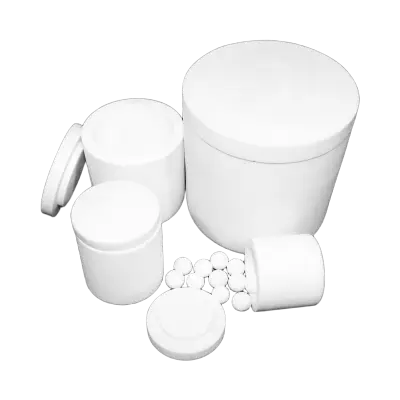
A grade Corundum planetary Mill Jar
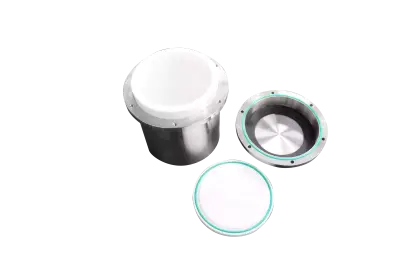
304 stainless steel lined with zirconia mill jar
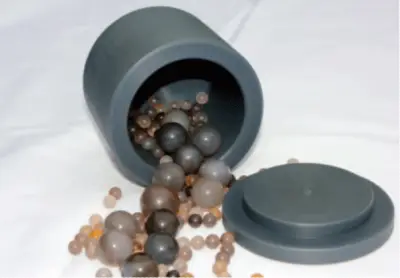
tempered nylon planetary mill jar
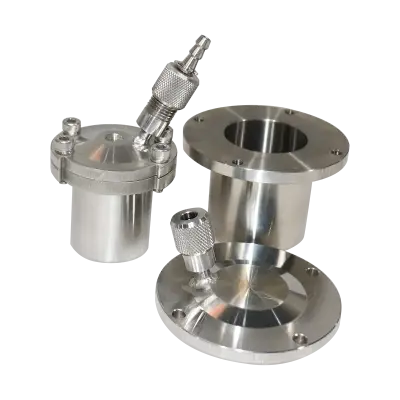
vacuum planetary mill jar
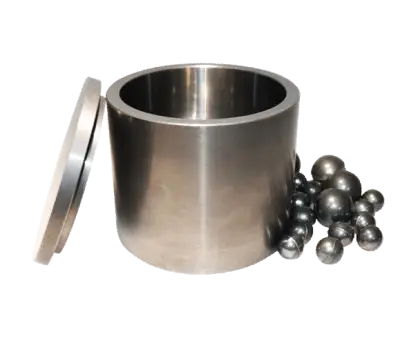
Tungsten carbide planetary mill jar
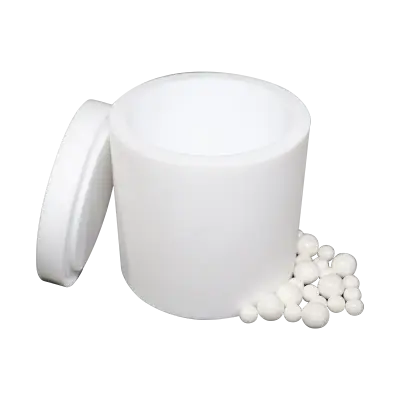
PTFE planetary mill jar
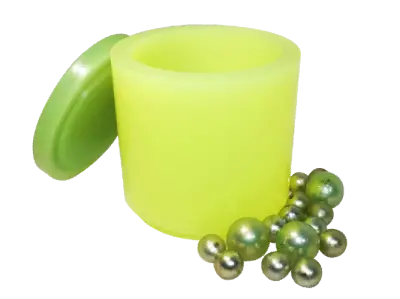
PU planetary mill jar
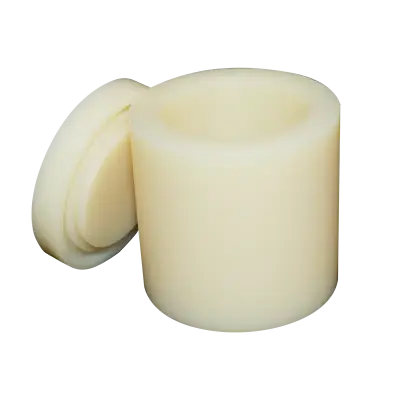
nylon planetary mill jar
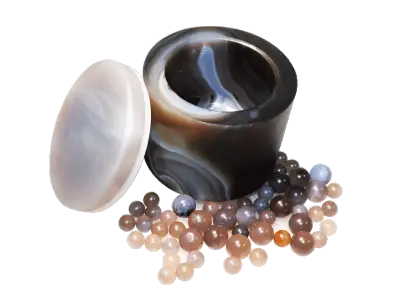
agate planetary mill jar
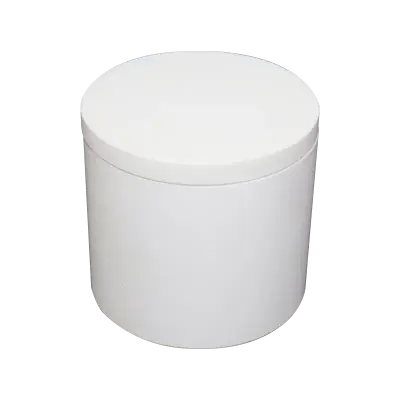
corundum planetary mill jar
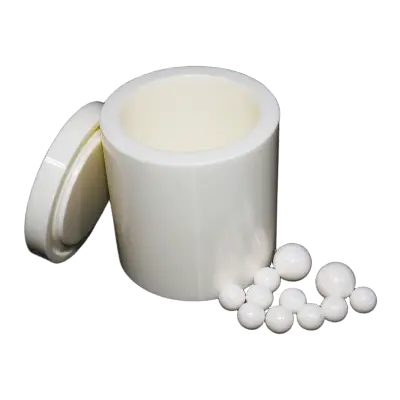
zirconia planetary mill jar
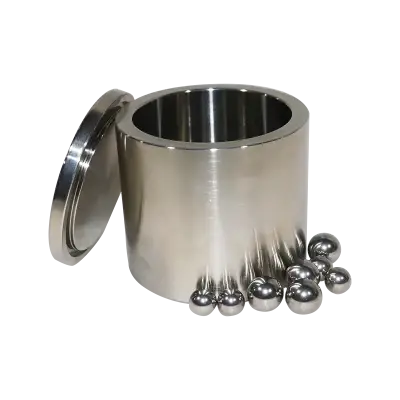
304 stainless steel planetary mill jar
TENCAN Planetary Ball Mill Jar
TENCAN Planetary Ball Mill Jar series is designed for laboratory grinding, fine powder preparation, material mixing and nano powder processing with planetary ball mills. In a planetary milling system, the grinding jar is not only a container. It directly affects grinding efficiency, contamination control, sealing performance, wear resistance and final powder quality.
Different materials require different jar materials. A suitable mill jar can help protect sensitive samples, reduce unwanted impurities, improve grinding stability and extend service life. TENCAN provides a wide range of planetary ball mill jars, including stainless steel, zirconia, corundum, agate, nylon, polyurethane, PTFE, tungsten carbide, vacuum jars, tempered nylon jars and stainless steel jars lined with zirconia.
Why Choose TENCAN Planetary Ball Mill Jars?
TENCAN planetary ball mill jars are designed to match different planetary ball mill models and grinding conditions. They can be used for dry grinding, wet grinding, vacuum grinding and inert gas protected grinding when matched with suitable jar structures and accessories.
For general metal and non-metal material grinding, stainless steel jars are practical and widely used. For high-purity materials, zirconia, agate or corundum jars are often selected to reduce contamination. For corrosive or sticky materials, PTFE, nylon or polyurethane jars may be more suitable. For very hard materials, tungsten carbide jars provide high hardness and strong wear resistance.
TENCAN also provides vacuum planetary ball mill jars for materials that are easily oxidized or affected by moisture. By evacuating the jar and filling it with inert gas, users can reduce contact between the sample and air during the grinding process.
Main Jar Types and Applications
Stainless steel mill jars are suitable for common powder grinding, metal materials, non-metallic minerals, magnetic materials, electronic materials, pigments and coatings. They are durable, easy to clean and suitable for many routine laboratory applications.
Zirconia mill jars are selected for high-purity grinding, ceramic powders, lithium battery materials, metal alloys, pharmaceutical raw materials and other sensitive samples. Zirconia has good wear resistance, strength and chemical stability, making it suitable for ultra-fine grinding with lower metal contamination.
Agate mill jars are widely used for high-purity material preparation. Natural agate has high hardness and good wear resistance, and is suitable for electronic materials, optical materials, biological medicine, chemical research, ceramic glaze, non-metallic minerals and advanced material research.
Corundum mill jars are suitable for materials that require good wear resistance and ceramic contact surfaces. They are commonly used with zirconia grinding balls for ceramic powders, minerals and high-hardness non-metal materials.
PTFE mill jars are suitable for materials that require chemical resistance and non-stick performance. PTFE has excellent corrosion resistance, sealing performance, low friction and good electrical insulation. It is useful for strong acid, strong alkali, organic solvent systems and materials that may stick to metal surfaces.
Nylon and polyurethane mill jars are suitable for applications where lighter jar weight, lower noise or reduced hard contact is required. They can be used for some soft, elastic or contamination-sensitive materials.
Tungsten carbide mill jars are designed for high-hardness powders, hard alloy powders, diamond powder, silicon carbide and other difficult-to-grind materials. They provide strong wear resistance and high grinding efficiency, especially when paired with tungsten carbide grinding balls.
Vacuum mill jars are used for oxidation-sensitive materials, moisture-sensitive materials and samples that require inert gas protection. They are suitable for battery materials, active metal powders, catalysts and special chemical powders.
Key Application Fields
TENCAN planetary ball mill jars are widely used in battery materials, ceramic powders, metal alloys, magnetic materials, electronic materials, pharmaceutical raw materials, catalysts, rare earth powders, pigments, non-metallic minerals, biological samples and new material research.
In lithium battery and solid-state battery research, zirconia or vacuum jars are often selected to reduce contamination and protect active materials. In ceramic and mineral processing, zirconia, corundum and agate jars are useful for fine grinding and high-purity sample preparation. In chemical and pharmaceutical research, PTFE jars can be selected for corrosive or solvent-based systems.
How to Select the Right Mill Jar
Jar selection should be based on sample hardness, chemical properties, purity requirements, grinding method, target fineness and operating atmosphere. The jar material should normally be harder than the material being ground and compatible with the grinding media.
For high-purity grinding, choose zirconia, agate or corundum. For high-hardness materials, choose tungsten carbide. For corrosion resistance, choose PTFE. For common laboratory grinding, choose stainless steel. For oxygen-sensitive or moisture-sensitive materials, choose a vacuum jar with inert gas protection.
Users should also consider jar volume, filling ratio, grinding ball size, ball-to-material ratio, rotation speed, grinding time and sealing condition. Correct matching of mill jar, grinding balls and planetary ball mill model is essential for stable and repeatable grinding results.
Customization and Selection Support
TENCAN can provide different jar volumes, materials and customized structures according to customer requirements. Options may include special jar size, vacuum sealing, inner lining, non-metal contact surface and matching grinding media.
Whether the application is routine laboratory grinding, nano powder preparation, high-purity ceramic processing, battery material research, vacuum grinding or corrosive material milling, TENCAN Planetary Ball Mill Jar series provides flexible and reliable accessories for planetary ball mill users.
FAQ
-
What is a Tungsten Carbide Planetary Mill Jar? A High-Performance Grinding Container for Ultra-Hard Material Processing and Contamination-Free Nano Grinding
Explore the definition, working principles, key performance metrics, and selection criteria of tungsten carbide planetary mill jars. This article explains how these ultra-hard grinding containers enable contamination-free nano grinding of hard and brittle materials in planetary ball mills, making them essential for advanced materials research, powder metallurgy, and ceramic processing.
MORE >> -
What is a Tungsten Carbide Planetary Mill Jar? A High-Wear-Resistant Milling Container for Ultrafine Grinding of Hard Materials
A tungsten carbide planetary mill jar is a specialized grinding container designed for planetary ball mills, enabling ultrafine and nano-scale grinding of ultra-hard materials like tungsten carbide, cemented carbides, and ceramics. Its extreme hardness, density, and wear resistance prevent contamination and maximize milling efficiency for high-energy applications in materials research and powder metallurgy.
MORE >> -
What is a Horizontal Light-Duty Ball Mill? A Compact Grinding Machine for Laboratory Powder Preparation
A horizontal light-duty ball mill is a compact planetary ball mill designed for efficient grinding, mixing, and homogenizing of small batches of materials in laboratories. It uses the planetary motion of grinding jars to achieve ultrafine particle sizes down to the nanometer range, making it ideal for research, quality control, and small-scale production in materials science, chemistry, and pharmaceuticals.
MORE >> -
What is a Corundum Roll Mill Jar? A High-Purity Grinding Container for Roller Ball Mills
A corundum roll mill jar is a high-alumina ceramic grinding container used in roller ball mills for contaminant-free milling. Its extreme hardness, wear resistance, and chemical inertness make it ideal for grinding high-purity materials in laboratories and small-scale production, especially in ceramics, electronics, and battery material research.
MORE >> -
What is a PU Roll Mill Jar? A Wear-Resistant, Low-Contamination Grinding Jar for Wet Milling
The PU Roll Mill Jar is a polyurethane grinding container designed for roll ball mills in laboratories and small-scale production. Its key features include excellent wear resistance, no metal contamination, and chemical stability. Ideal for grinding materials sensitive to metal impurities, such as ceramics, pigments, and pharmaceuticals. Learn how it works, key performance indicators, and how to select the right jar for your application.
MORE >> -
What is a Stainless Steel Roll Mill Jar? A Corrosion-Resistant Grinding Container for Laboratory Ball Milling
Discover the essential role of stainless steel roll mill jars in laboratory ball milling. This article explains their construction, working principle, key performance indicators, and selection criteria for researchers and industry professionals seeking contamination-free, durable grinding solutions.
MORE >> -
What is a PU Planetary Mill Jar? A Lightweight, Wear-Resistant Container for Ultra-Fine Grinding of High-Purity Materials
A PU (polyurethane) planetary mill jar is a specialized grinding container designed for planetary ball mills, offering excellent wear resistance, light weight, and zero metal contamination. Ideal for ultra-fine grinding of ceramics, electronics, pharmaceuticals, and other high-purity materials, it combines the durability of polyurethane with the efficiency of planetary motion. This article explains its working principle, key features, selection criteria, and applications.
MORE >> -
What is a Vertical Production Planetary Ball Mill? A High-Throughput Milling Equipment for Industrial-Scale Fine Grinding and Nano-Material Production
A vertical production planetary ball mill is an industrial-scale milling machine designed for continuous, high-efficiency fine grinding of materials down to micron or even nano sizes. It utilizes planetary motion — with grinding jars rotating around both a central axis and their own axes — to generate powerful impact and shear forces. This article explains its working principle, key types, selection criteria, and applications across industries such as mining, ceramics, chemicals, and advanced materials.
MORE >> -
What is a 304 Stainless Steel Planetary Mill Jar? A Durable Grinding Vessel for High-Purity Planetary Ball Mill Applications
Discover the 304 stainless steel planetary mill jar, a robust and corrosion-resistant grinding vessel designed for planetary ball mills. Ideal for pulverizing hard, brittle materials in labs, it ensures high purity with minimal contamination. Learn about its working principle, key features, selection tips, and applications in materials science, chemistry, and pharmaceuticals.
MORE >> -
What is a Vacuum Planetary Mill Jar? A Sealed Grinding Vessel for Controlled Atmosphere Powder Processing
A vacuum planetary mill jar is a specialized container for planetary ball mills, designed to maintain a vacuum or inert gas environment during grinding. This article explains its working principle, key features, selection criteria, and applications in fields like nanomaterials, pharmaceuticals, and battery materials, helping users understand how to achieve contamination-free, high-purity powder processing.
MORE >>
Get In Touch
Our professional team will reply to you within one business day. Please feel free to contact us!