Contact Us
Choose your preferred way to contact our team
Free Quote
Fill out the form to obtain prices and information
Send an Email
Share your needs and concerns
+86 19021571516
Grinding series
TENCAN grinding equipment for dry, wet, ultra-fine and nano powder processing, including planetary ball mills, roll mills, stirred mills, vibration mills and sand mills.
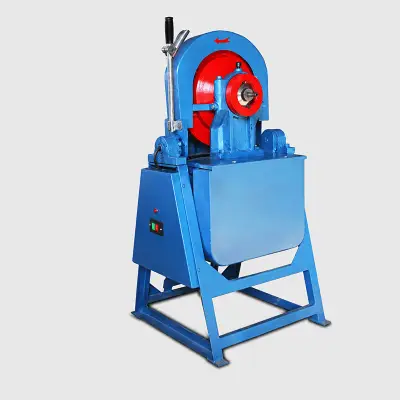
Laboratory Cone Ball Mill
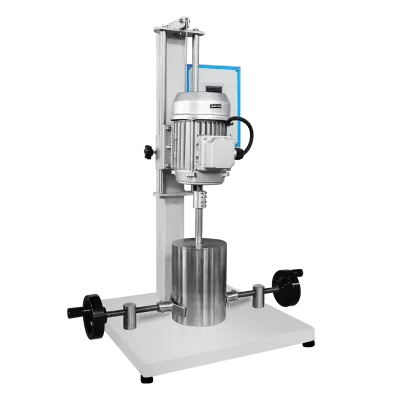
Basket Mill
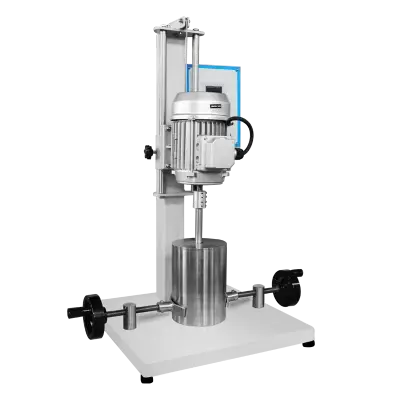
Laboratory sand grinder
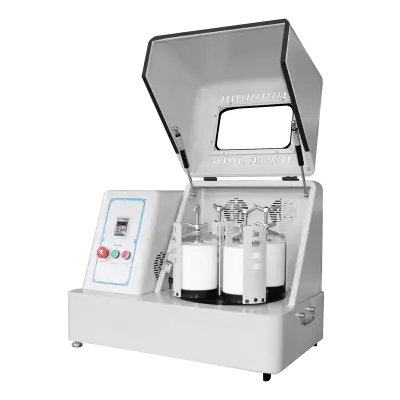
Laboratory planetary grinder
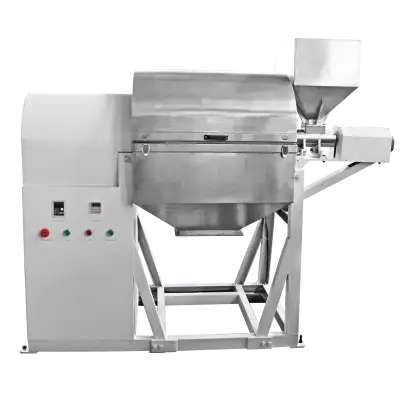
Screening Ball Mill
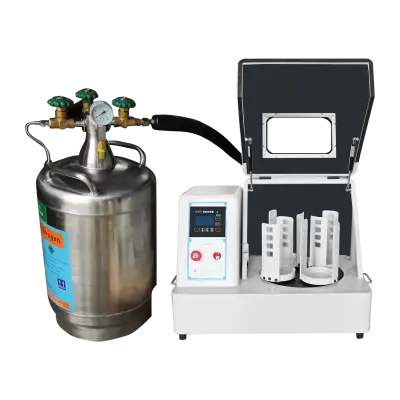
Liquid Nitrogen Planetary Ball Mill
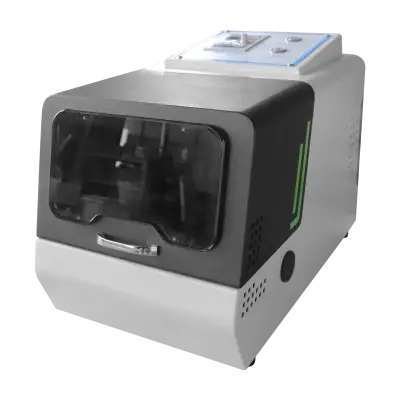
Micro Planetary Ball Mill
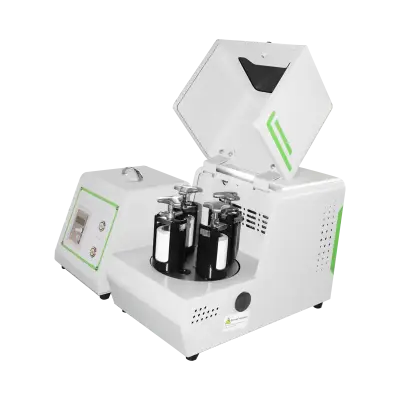
Micro Planetary Ball Mill
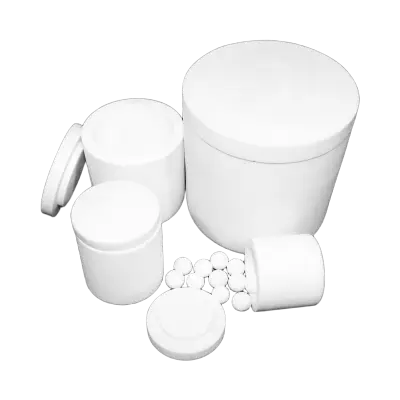
A grade Corundum planetary Mill Jar
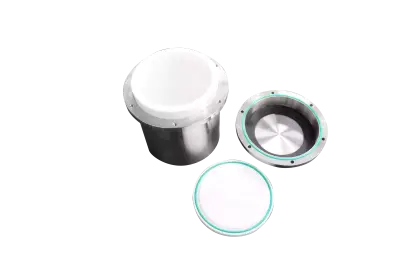
304 stainless steel lined with zirconia mill jar
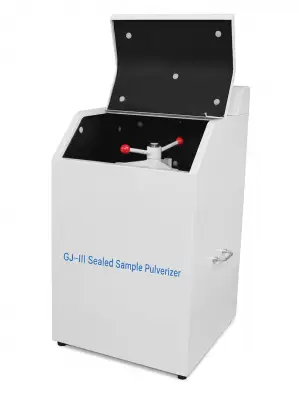
Lab sample grinder machine
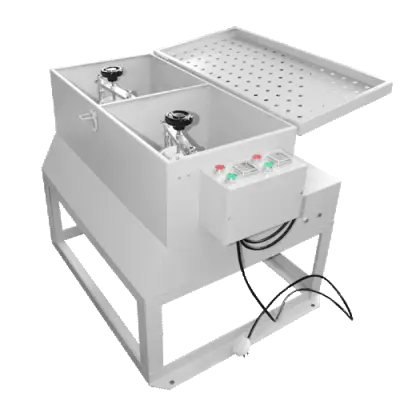
Fast ball mill
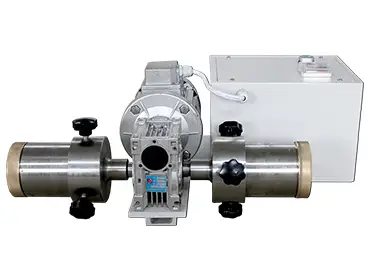
Resin ball mill
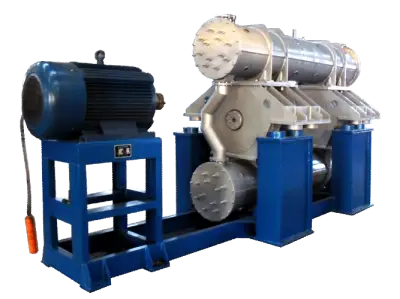
Heavy duty vibrating ball mill
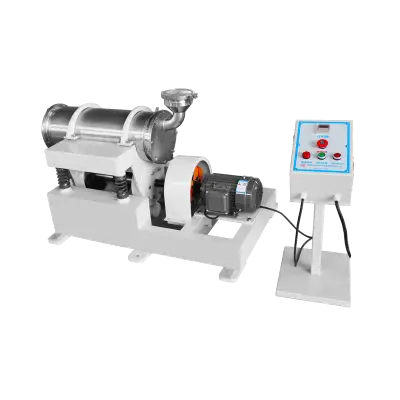
Lightweight vibrating ball mill
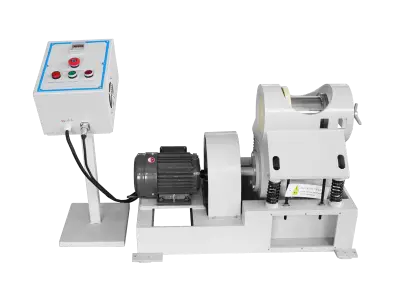
lab vibration ball mill
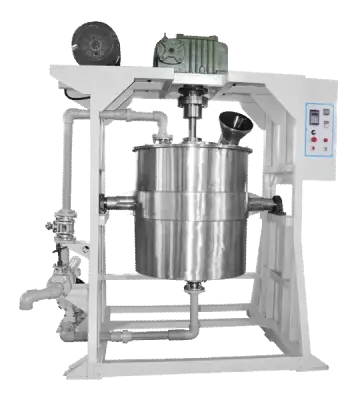
Production type stirred ball mill
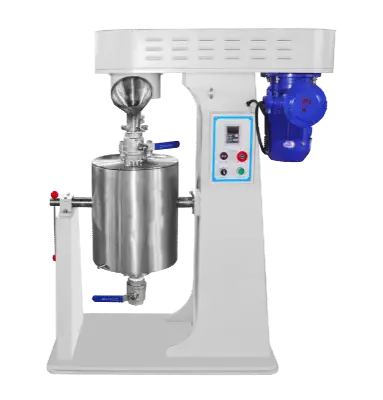
Lightweight stirred ball mill
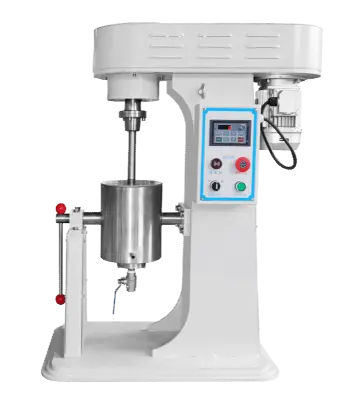
Electric lifting stirred ball mill
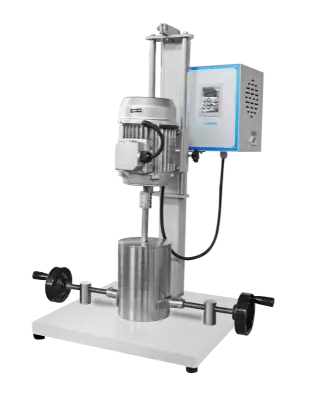
lab stirred ball mill
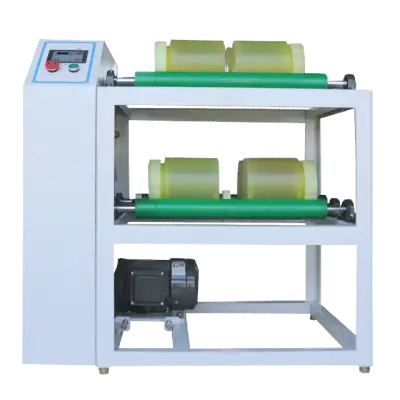
Jar mill with 8 working station
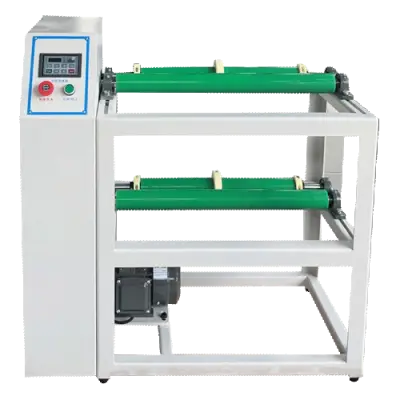
Four station jar mill
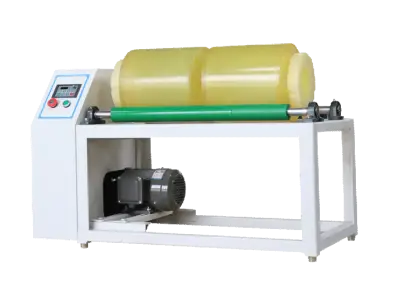
Two working station jar mill
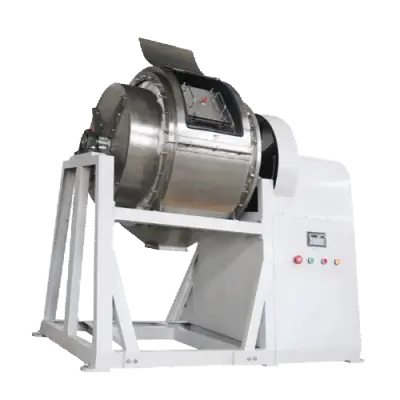
Inner lined roll ball mill
TENCAN Grinding Series: Reliable Powder Grinding Equipment for Laboratory, Pilot and Production Applications
Powder grinding is one of the most important steps in material preparation, particle size control and process development. Whether the target is micron powder, sub-micron powder or nano-scale dispersion, the grinding process directly affects material uniformity, reaction activity, surface area, product stability and downstream processing performance. TENCAN Grinding Series is designed to provide laboratories, universities, research institutes and industrial users with a complete selection of grinding equipment for different materials, batch sizes and process requirements.
This product channel includes planetary ball mills, roll ball mills, jar mills, stirred ball mills, vibration ball mills, sand mills, large grinding equipment and related grinding accessories. Each type of machine has its own working principle and application advantages. By selecting the proper grinding method, jar material, grinding media, speed, time and process environment, users can achieve more stable milling results and improve the repeatability of powder preparation.
Why Choose TENCAN Grinding Equipment?
TENCAN focuses on powder equipment research, manufacturing and process support. The Grinding Series is not a single product line, but a complete equipment system covering laboratory sample preparation, small batch production, pilot testing and process scale-up. For users who need to develop new materials or optimize powder performance, this complete range makes it easier to compare different grinding methods and select the right machine for each stage of the process.
A key advantage of TENCAN grinding equipment is its broad application range. Different machines can be used for crushing, fine grinding, mixing, dispersion, emulsification and nano powder preparation. They can process metal powders, non-metallic minerals, ceramic materials, battery materials, chemical raw materials, pigments, coatings, catalysts, agricultural materials and many other solid or solid-liquid materials. For laboratories, this flexibility is especially important because one research team may need to test several materials, formulas and process conditions.
TENCAN also provides multiple grinding jar and grinding media options. Material compatibility is critical in powder grinding because the wrong jar or media may introduce contamination, cause excessive wear or affect the purity of the final powder. Common options include zirconia, agate, corundum, stainless steel, PTFE, nylon, polyurethane and tungsten carbide. Users can select the proper material according to hardness, corrosion resistance, wear resistance, metal contamination requirements and cost considerations.
In addition, TENCAN grinding machines can support different process environments, including dry grinding, wet grinding, vacuum grinding, low-temperature grinding and inert atmosphere grinding. For heat-sensitive materials, low-temperature or liquid nitrogen grinding can reduce the negative effect of heat generation. For easily oxidized materials, vacuum jars or inert gas protection can help isolate the material from oxygen and moisture. For high-purity materials, non-metallic jars and grinding balls can reduce the risk of metallic contamination.
Different Grinding Machines for Different Materials and Processes
Not all grinding machines work in the same way. A suitable machine should be selected according to feed size, hardness, final particle size, batch volume, material sensitivity and production purpose.
Planetary Ball Mills
Planetary ball mills are widely used in laboratories and R&D centers because they provide high grinding energy in a compact machine. During operation, the grinding jars rotate around their own axis while also revolving around the central planetary disk. This combined movement creates strong impact, friction and shearing forces between the grinding balls and material. As a result, planetary ball mills are suitable for fine grinding, powder mixing, mechanical alloying, nano powder preparation and new material development.
TENCAN planetary ball mills include vertical, horizontal, full-directional, micro, low-temperature, liquid nitrogen, ultrasonic and production-type models. Small laboratory models are suitable for sample preparation and formula testing, while larger models can support pilot testing and small batch production. Full-directional planetary ball mills add multi-dimensional movement, helping reduce material deposition and improve grinding uniformity. Low-temperature and liquid nitrogen models are suitable for materials that may soften, react, degrade or change properties under heat.
Planetary ball mills are often selected for advanced ceramics, battery materials, metal powders, catalysts, mineral samples, pharmaceutical research materials and functional materials. They are especially useful when users need high-energy grinding and fine particle size in a relatively short processing time.
Roll Ball Mills and Jar Mills
Roll ball mills, also known as jar mills or roller ball mills, use rotating rollers to drive the grinding jar. The grinding media and material roll, fall and collide inside the jar, producing grinding and mixing effects. Compared with planetary ball mills, roll ball mills usually operate with lower grinding energy but offer excellent stability for long-time milling, larger batch processing and gentle mixing.
TENCAN roll ball mills include laboratory roll mills, light-duty roll mills, ceramic-lined roll mills, large roll mills, two-station jar mills, four-station jar mills and eight-station jar mills. They are suitable for users who need continuous testing, multiple sample comparison or batch grinding with larger jar volumes. Ceramic-lined and inner-lined models can help reduce contamination and protect both the material and the machine during grinding.
Roll ball mills are commonly used in ceramics, minerals, chemicals, pigments, coatings and powder metallurgy. They are a practical choice when the process requires stable rotation, longer grinding time, larger capacity or lower heat generation.
Stirred Ball Mills
Stirred ball mills use an agitator to drive the grinding media inside a stationary or semi-stationary grinding chamber. This structure creates strong shearing, impact and dispersion forces. Stirred mills are especially useful for wet grinding and ultra-fine dispersion, where solid particles are suspended in liquid and need to be reduced to fine or sub-micron sizes.
TENCAN stirred ball mills include laboratory, electric lifting, light-duty and production-type models. They can be used for slurry grinding, material dispersion, emulsification and particle size refinement. Compared with traditional ball mills, stirred ball mills can provide efficient energy transfer in wet grinding systems and are suitable for materials that require controlled dispersion rather than only dry powder size reduction.
Typical applications include ceramic slurries, coatings, inks, pigments, mineral processing, chemical materials and functional suspensions. For users developing wet ultra-fine materials, stirred ball mills offer a practical balance between grinding efficiency, batch flexibility and process control.
Vibration Ball Mills
Vibration ball mills use high-frequency vibration to create rapid impact and friction between the grinding media and material. They are often used for fast sample preparation, hard material grinding and applications that require efficient particle size reduction in a short time. Because of their compact design and strong grinding action, vibration mills are useful for laboratories that need quick testing and small sample processing.
TENCAN vibration ball mills can process many types of materials, including brittle, tough, fibrous and hard materials. They are suitable for research, quality control, mineral testing and sample preparation before analysis. For users who need fast grinding performance without large batch volume, vibration mills are an efficient option.
Sand Mills and Nano Grinding Equipment
Sand mills are designed for wet ultra-fine grinding and dispersion. They use small grinding media and high-speed dispersion systems to reduce particle size and improve particle distribution in liquid materials. Compared with dry milling equipment, sand mills are more suitable for slurry materials, high-viscosity systems and applications requiring stable dispersion.
TENCAN sand mills can be used for nano-scale processing, fine dispersion and production-oriented wet grinding. They are suitable for coatings, inks, pigments, ceramic slurry, electronic materials, battery materials, chemical products and other liquid-solid systems. For industries where particle size distribution, dispersion stability and surface quality are critical, sand mills are an important part of the grinding equipment selection.
Large Grinding Equipment and Special Grinding Systems
For industrial users, laboratory test results often need to be scaled up to pilot or production processes. TENCAN large grinding equipment and special grinding systems help bridge this gap. These machines can support higher processing capacity, stronger structural stability and customized process configurations. Depending on material characteristics and production goals, users can choose large roll mills, production stirred mills, production planetary mills, powder modification systems or other special grinding equipment.
This scale-up ability is important because laboratory results do not always transfer directly to production. Factors such as jar volume, media filling rate, heat generation, discharge method, slurry viscosity and continuous processing requirements must be considered. TENCAN can help users evaluate the process from sample testing to production-oriented equipment selection.
Key Application Fields
TENCAN Grinding Series serves a wide range of industries where particle size, purity and process stability are important.
In advanced ceramics, grinding equipment is used to prepare ceramic powders, zirconia, alumina, silicon carbide and other high-performance ceramic materials. Uniform particle size can improve forming, sintering and final product performance.
In lithium battery and new energy materials, grinding and mixing are used for cathode materials, anode materials, solid electrolytes, conductive additives and composite materials. For these applications, contamination control and atmosphere protection may be especially important.
In metallurgy and powder metallurgy, ball mills can be used for alloy powder preparation, mechanical alloying, powder mixing and material activation. High-energy planetary milling is often selected for experimental alloy development.
In mineral processing and non-metallic minerals, grinding equipment helps reduce particle size, improve mineral liberation, support analysis and prepare powders for further processing. Roll mills, planetary mills and vibration mills may be selected according to sample amount and target fineness.
In chemical materials, pigments, coatings and catalysts, grinding equipment can improve dispersion, surface area and reaction performance. Stirred mills and sand mills are especially useful for wet systems where stable particle distribution is required.
In food, agricultural and plant materials, grinding can support sample preparation, powder production and formula development. For heat-sensitive or fibrous materials, users should consider low-temperature grinding, proper jar selection and process optimization.
Differences Between Planetary Ball Mills, Roll Ball Mills, Stirred Mills and Sand Mills
Choosing the right grinding machine depends on the process goal.
A planetary ball mill is the right choice when high-energy grinding, fine particle size and laboratory flexibility are required. It is suitable for R&D, nano powder preparation and small batch testing.
A roll ball mill is better for stable, long-time batch grinding, larger jar capacity and gentle mixing. It is often used for ceramics, minerals and materials that require continuous rolling action rather than extremely high impact energy.
A stirred ball mill is suitable for wet grinding and dispersion. It is useful when the material is processed as a slurry and requires fine particle distribution.
A vibration ball mill is suitable for fast sample preparation and high-frequency impact grinding. It is practical for laboratories that need quick results from small samples.
A sand mill is mainly used for wet ultra-fine grinding and nano dispersion. It is a strong choice for coatings, inks, pigments, ceramic slurry and other liquid-solid systems.
In many cases, users may need more than one type of grinding equipment. For example, a material may first be processed by a jaw crusher or coarse grinder, then refined by a planetary ball mill, and finally dispersed by a sand mill. A complete powder processing workflow should be designed according to the material’s initial state, required fineness and final application.
Customization and Process Support
TENCAN Grinding Series can be customized according to user requirements. Common customization options include machine capacity, jar volume, grinding jar material, liner material, grinding media, speed control, timing program, safety protection, voltage, control panel, discharge method, cooling system and atmosphere protection.
For high-purity materials, users may choose zirconia, agate, corundum or PTFE jars to reduce contamination. For high-hardness materials, tungsten carbide or zirconia media may provide better wear resistance. For corrosive materials, PTFE or other corrosion-resistant materials may be more suitable. For heat-sensitive materials, low-temperature grinding systems can help control the process temperature. For easily oxidized materials, vacuum or inert gas grinding solutions can improve material protection.
TENCAN can also support users in process selection. Before choosing equipment, users should define the feed size, target particle size, batch quantity, grinding method, material hardness, moisture content, temperature sensitivity, purity requirement and production goal. With these details, a more accurate machine selection can be made.
Build a Better Powder Grinding Workflow With TENCAN
Grinding is not only a mechanical operation. It is a process that affects material quality, experimental repeatability and production efficiency. The right equipment can reduce processing time, improve powder uniformity, protect material purity and support future scale-up.
TENCAN Grinding Series provides a broad equipment platform for laboratories and industrial users who need reliable powder grinding solutions. From small planetary ball mills to roll mills, stirred mills, vibration mills, sand mills and large grinding systems, TENCAN helps users select suitable equipment for dry grinding, wet grinding, ultra-fine grinding, nano dispersion, material mixing and process development.
If you are developing new materials, improving powder quality or planning a grinding process from laboratory testing to production, TENCAN can provide machine selection support, grinding jar and media recommendations, customized configurations and practical powder processing solutions.
FAQ
-
What Is Polyurethane Coated Iron Core Grinding Ball? A High-Density, Contamination-Free Grinding Media for Planetary Ball Mills
Polyurethane coated iron core grinding ball is a specialized grinding media combining a dense iron core with a wear-resistant polyurethane shell. Designed for ultra-fine grinding of pure materials in ball mills, it offers high impact efficiency, excellent abrasion resistance, and zero metal contamination, making it ideal for battery materials, ceramics, and advanced powder processing.
MORE >> -
What is a Laboratory Planetary Grinder? A Desktop High-Energy Ball Mill for Fine Grinding and Mixing of Small Samples
A laboratory planetary grinder is a compact planetary ball mill designed for fine grinding, mixing, and homogenizing small samples. It uses planetary motion—combining revolution and rotation—to generate high-energy impacts for achieving micron to submicron particle sizes. Ideal for materials research, pharmaceuticals, and chemistry labs, it offers precise control over grinding parameters and supports various jar materials for contamination-free processing.
MORE >> -
What is a Small Ball Mill with a Ceramic Jar? A Compact Drum Ball Mill for Laboratory Sample Grinding
A small ball mill with a ceramic jar is a compact drum-type grinding equipment widely used in laboratories for fine powder preparation. It features a ceramic jar that prevents metal contamination, making it ideal for grinding sensitive materials. This article explains its working principle, key components, performance indicators, and application scenarios to help users select the right model.
MORE >> -
What is a Micro Planetary Ball Mill? A Compact Lab Grinder for Nano-Scale Sample Preparation
Discover the Micro Planetary Ball Mill, a compact lab grinder designed for ultra-fine grinding of materials down to 0.1 micron. Ideal for glove box use, it supports dry, wet, and vacuum grinding with programmable control for research and quality control.
MORE >> -
What is a Lightweight Stirred Ball Mill? A High-Efficiency Grinding Equipment for Wet and Dry Ultrafine Pulverization
Discover what a lightweight stirred ball mill is, how it works, and its key advantages for laboratory and pilot-scale ultrafine grinding. This guide covers working principles, types, performance indicators, and selection tips for this versatile wet and dry milling equipment.
MORE >> -
What is a Tungsten Carbide Planetary Mill Jar? A High-Performance Grinding Container for Ultra-Hard Material Processing and Contamination-Free Nano Grinding
Explore the definition, working principles, key performance metrics, and selection criteria of tungsten carbide planetary mill jars. This article explains how these ultra-hard grinding containers enable contamination-free nano grinding of hard and brittle materials in planetary ball mills, making them essential for advanced materials research, powder metallurgy, and ceramic processing.
MORE >> -
What is a Low Temperature Planetary Grinding Machine? A Specialized Ball Mill for Cryogenic Grinding of Heat-Sensitive Materials
A low temperature planetary grinding machine is a specialized planetary ball mill designed for cryogenic grinding, enabling fine milling of heat-sensitive, volatile, or biological materials without thermal degradation. This article explains its working principle, key components, performance indicators, and application areas, helping researchers and engineers select the right equipment for low-temperature powder processing.
MORE >> -
What is a Polyurethane Coated Iron Core Grinding Ball? A Wear-Resistant Grinding Media for Low-Contamination and High-Purity Milling
Discover the polyurethane coated iron core grinding ball, a specialized ball mill media designed for high-purity, low-contamination milling. Its iron core provides density and impact force, while the polyurethane shell offers exceptional wear resistance, elasticity, and corrosion resistance. Ideal for processing ceramics, battery materials, pharmaceuticals, and other sensitive powders in planetary and drum ball mills. Learn about its structure, key performance indicators, and selection tips for optimal grinding results.
MORE >> -
What is a Heavy-duty Full-directional Planetary Ball Mill? A High-Energy Milling Machine for Multi-Directional Ultra-Fine Grinding in Industrial Production
Discover the Heavy-duty Full-directional Planetary Ball Mill, a robust milling machine designed for ultra-fine grinding, mechanical alloying, and powder preparation. Learn about its unique 360° rotary motion, key performance indicators, selection tips, and applications in materials research and small-scale production.
MORE >> -
What is a Jar Mill with 8 Working Station? A High-Efficiency Grinding Equipment for Multi-Sample Laboratory Powder Processing
Learn about the jar mill with 8 working station, a versatile drum ball mill designed for simultaneous grinding of multiple samples in laboratories. This article covers its definition, working principle, key components, performance indicators, application fields, and selection tips for efficient powder processing.
MORE >>
Get In Touch
Our professional team will reply to you within one business day. Please feel free to contact us!