Contact Us
Choose your preferred way to contact our team
Free Quote
Fill out the form to obtain prices and information
Send an Email
Share your needs and concerns
+86 19021571516

Why choose us
Simple ordering, reliable quality, professional support.
Easy Process
Clear communication from product selection to delivery, so your team can move faster.
Quality Assurance
Stable manufacturing, strict inspection, and support for configuration requirements.
Expert Support
Application-oriented advice for planetary ball milling, sample preparation, and scale-up needs.
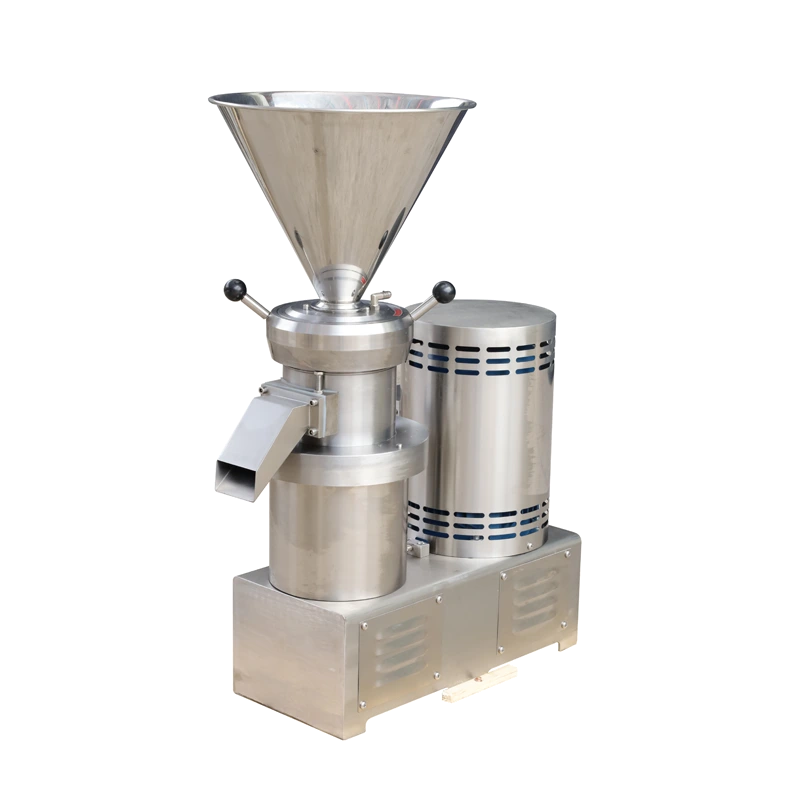
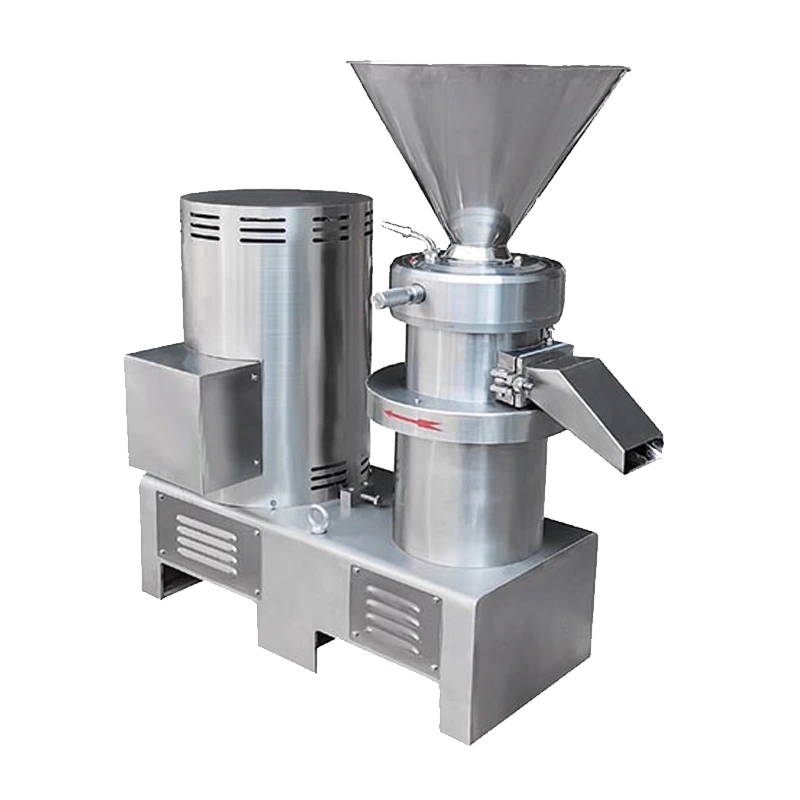
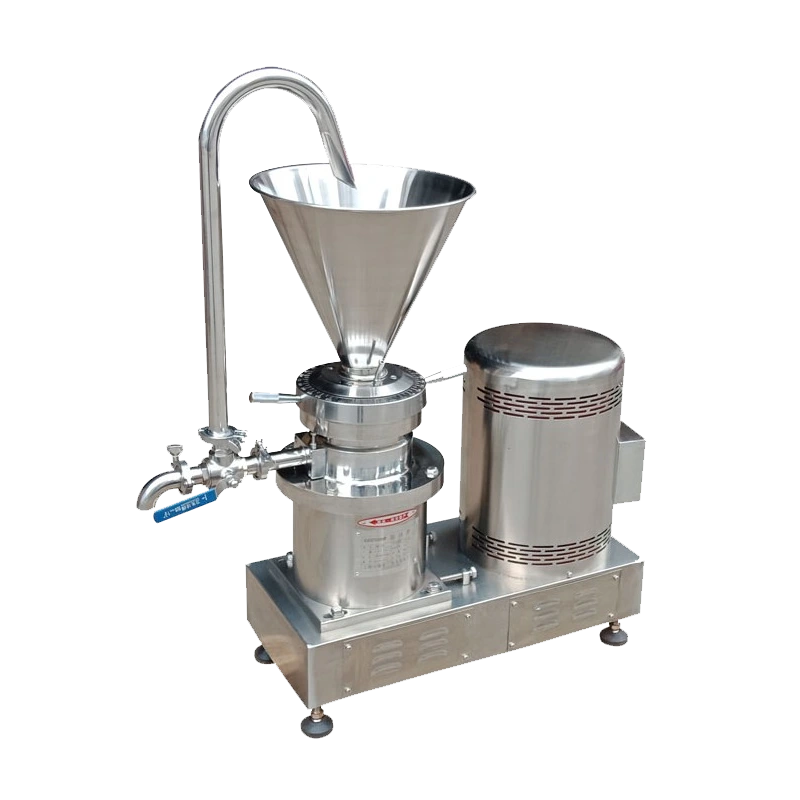
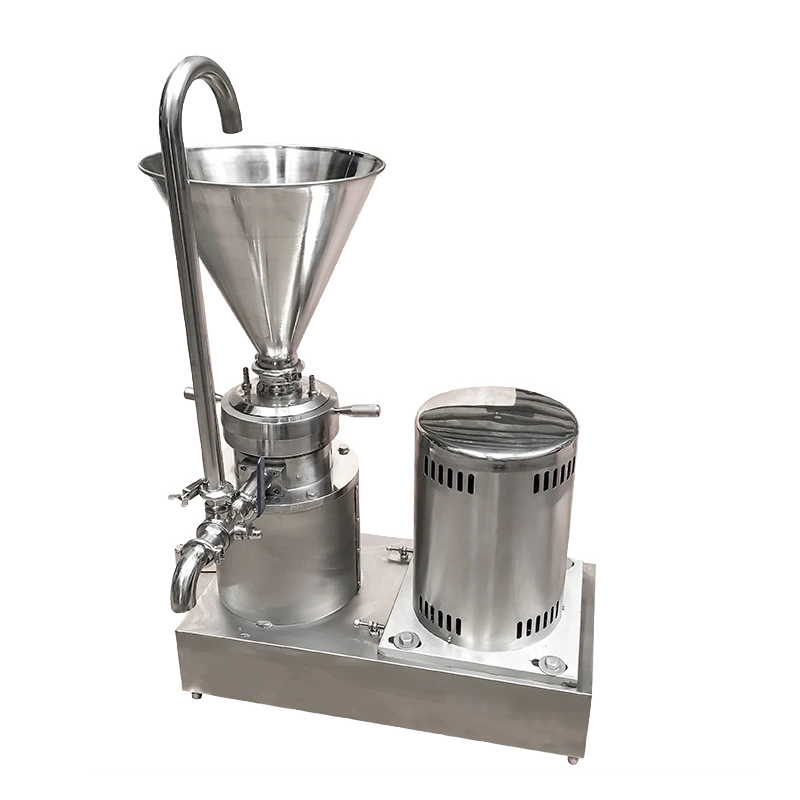
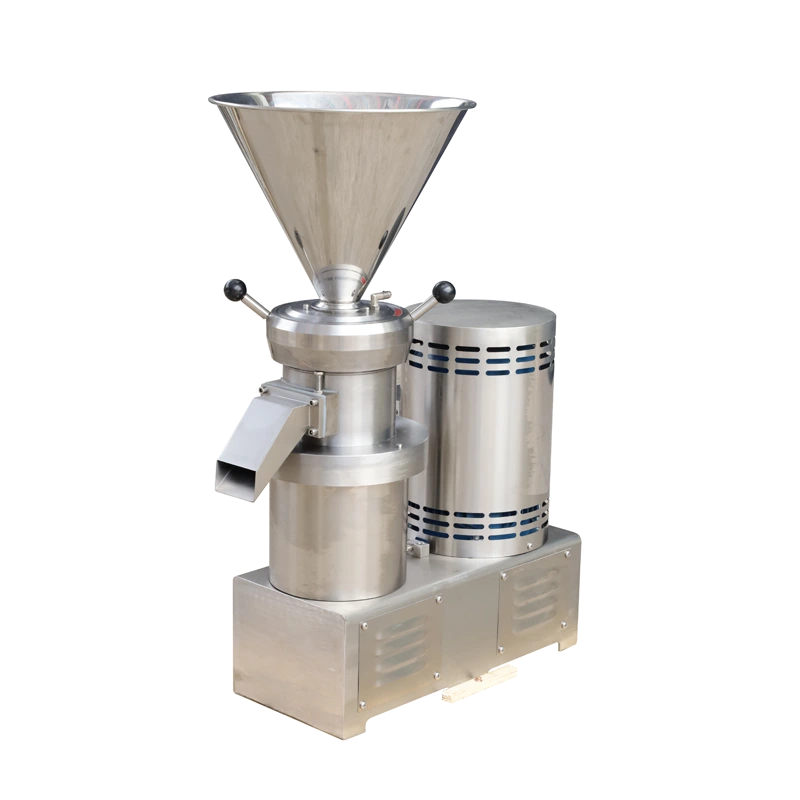
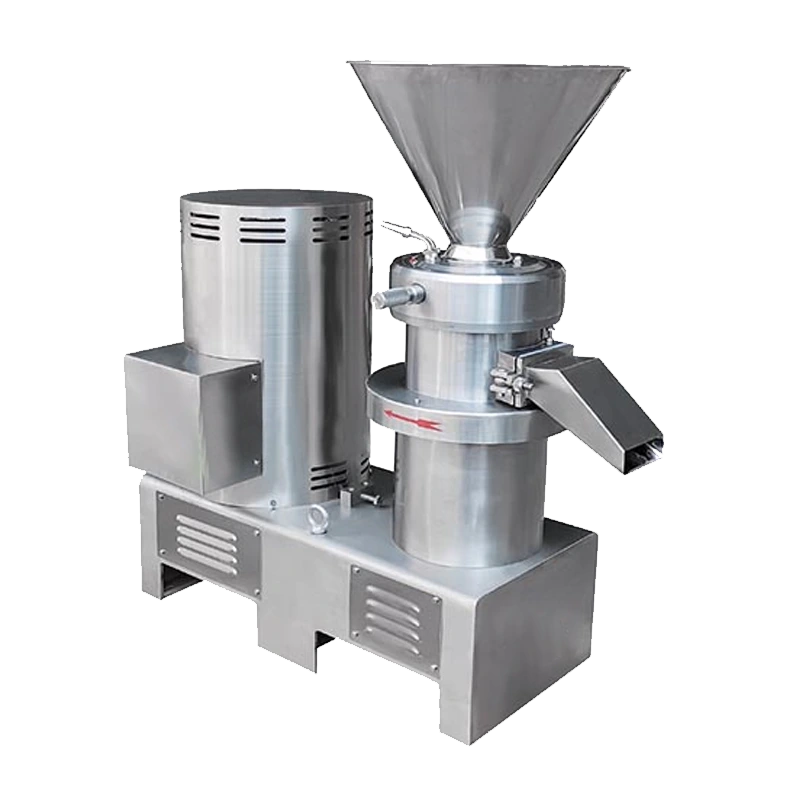
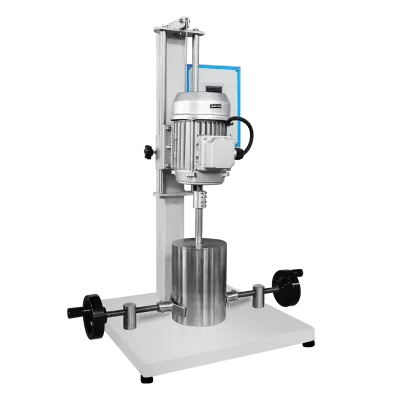
Colloid mill is mainly used for the fine grinding of wet materials in food, pharmaceutical, chemical and other industries. It can crush, emulsify, homogenize and mix various semi-wet and emulsion substances. Colloid mills are divided into vertical colloid mills, split colloid mills, horizontal colloid mills, laboratory colloid mills, etc. It is divided into integral stainless steel colloid mill and main body stainless steel colloid mill: mainly used for mixing and emulsifying wet materials.
Technical parameters
| model | Motor power(kw) | Motor speed (r/min) | Processing fineness (μm) | Capacity(t/h) | Weight(kg) | Overall dimensions (length*width*height) |
|---|---|---|---|---|---|---|
| JTM-50 | 1.5 | 3000±100 | 2-70 | 0.2-0.8 | 60 | 500*230*700 |
| JTM-85 | 5.5 | 3000±100 | 2-70 | 0.2-4 | 300 | 1050*300*840 |
Parameters
| Model | JTM |
|---|---|
| Grinding Jar Capacity | |
| Feed Size | |
| Output Size | |
| Speed | |
| Power | |
| Voltage | |
| Dimensions | |
| Weight | 0 |
Related Videos
The trusted choice of industry leaders
FAQ
-
What is a Colloid Mill? A High-Shear Wet Grinding Equipment for Emulsifying, Dispersing, and Homogenizing
Discover the working principle, types, and selection criteria of colloid mills. This guide explains how a colloid mill uses high-speed rotor-stator shear to achieve ultra-fine grinding, emulsification, and homogenization of wet materials in industries like food, pharmaceuticals, chemicals, and cosmetics. Learn about key performance indicators and application scenarios.
MORE >> -
What is a Lightweight Stirred Ball Mill? A High-Efficiency Grinding Equipment for Wet and Dry Ultrafine Pulverization
Discover what a lightweight stirred ball mill is, how it works, and its key advantages for laboratory and pilot-scale ultrafine grinding. This guide covers working principles, types, performance indicators, and selection tips for this versatile wet and dry milling equipment.
MORE >> -
What is a Production Type Sand Mill? A High-Efficiency Wet Grinding Equipment for Industrial-Scale Nano Dispersion
A production type sand mill is a professional wet grinding and dispersing equipment designed for large-scale industrial processing of liquid-phase materials. It efficiently reduces particle sizes to the nanometer range through high-energy bead milling, widely used in coatings, inks, pharmaceuticals, and advanced materials industries.
MORE >> -
What is a Hydraulic Single Axis Disperser? A High-Performance Dispersing Device for Liquid-Solid Materials
Discover the Hydraulic Single Axis Disperser from TENCAN, a high-speed dispersing and mixing device designed for efficient homogenization of liquid-solid materials. Learn about its working principle, key components, selection criteria, and applications in paint, ink, chemical, and cosmetic industries.
MORE >> -
What is a High Speed Dispersing Homogenizer? A Professional Device for Efficient Mixing, Emulsifying and Fine Dispersing of Liquid Materials
A high speed dispersing homogenizer is a key piece of equipment for mixing, emulsifying, dispersing and homogenizing liquid materials. It uses a high-speed rotating rotor to create intense shear forces, breaking down particles and droplets to achieve uniform fine dispersions. This article explains its working principle, types, key performance indicators, and application fields, helping you understand how to select the right machine for your lab or production needs.
MORE >> -
What is a Portable Tissue Grinder? A Compact Tissue Homogenizer for On-Site Sample Preparation
Discover the portable tissue grinder—a lightweight, battery-powered homogenizer designed for rapid DNA/RNA extraction and sample grinding in field, lab, or remote locations. Learn its working principle, key components, performance specs, and selection tips for efficient biological sample preparation.
MORE >> -
What is an Electric Lifting Stirred Ball Mill? A High-Efficiency Grinding Equipment for Fine and Ultra-Fine Powder Processing
The electric lifting stirred ball mill is a specialized grinding device that uses a rotating agitator to drive grinding media for fine and ultra-fine milling. It features an electrically operated lifting mechanism for easy jar installation and cleaning. Ideal for wet or dry grinding of ceramics, chemicals, minerals, and battery materials, it combines high energy efficiency with precise particle size control, suitable for both R&D and small-batch production.
MORE >> -
What is an Electric Lifting Stirred Ball Mill? A High-Performance Grinding Mill for Fine and Ultra-Fine Particle Processing
Learn the definition, working principle, types, and key selection parameters of the electric lifting stirred ball mill. This guide covers how it achieves ultra-fine wet and dry grinding through high-energy agitation, its applications in ceramics, battery materials, and pigments, and a comparison of lab, lightweight, and production models.
MORE >> -
What is a Laboratory Sand Grinder? A Wet Ultra-fine Grinding Device for R&D and Small-batch Processing
Learn what a laboratory sand grinder is, how it works, its key types, and selection tips. This wet ultra-fine grinding device is essential for nano-dispersion and particle size reduction in inks, coatings, batteries, ceramics, and more. Ideal for R&D labs and pilot-scale production.
MORE >> -
What is a Lab Horizontal Bar Pin Nano Sand Mill? A High-Performance Wet Grinding Mill for Nano-Scale Material Dispersion
Discover the lab horizontal bar pin nano sand mill, a precision wet grinding machine designed for nano-scale dispersion and comminution. Learn its working principle, key features, selection criteria, and applications in battery materials, ceramics, inks, and more.
MORE >>
Get In Touch
Our professional team will reply to you within one business day. Please feel free to contact us!
Related Products
Related Articles