

What Is a Multi Channel Tissue Grinder? A Lab Device for Parallel Homogenization
What Is a Multi Channel Tissue Grinder?
From its core, a multi channel tissue grinder is a specialized laboratory instrument that prepares multiple tissue or biological samples in parallel. Life science, clinical, food, plant, and environmental laboratories use it to turn intact tissue, cells, seeds, and soft materials into homogeneous lysates, suspensions, or extracts for downstream analysis. Instead of processing one tube at a time, the instrument organizes samples in channels or positions, so a single run can deliver consistent mechanical disruption across a batch.
This parallel design matters because sample preparation is often the bottleneck in biological research. When a laboratory compares many specimens under the same conditions, manual grinding or single-tube homogenization introduces variability in time, pressure, and temperature. A multi channel tissue grinder reduces that variability by applying controlled motion, force, or bead beating to several samples simultaneously. The result is a more repeatable starting material for DNA extraction, RNA isolation, protein assays, metabolite profiling, and other analytical workflows.
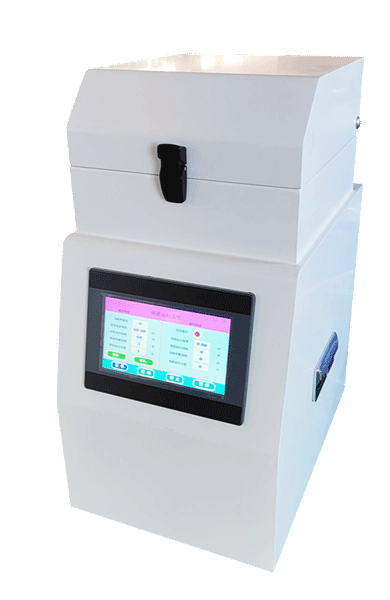
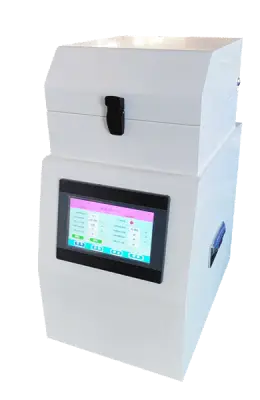
The device is not a simple blender or a single-tube pestle grinder. Its defining feature is the ability to manage multiple samples in a structured format, often with shared or independent control over speed, duration, and temperature. For laboratories handling batches of tissue, the multi channel tissue grinder is both a productivity tool and a consistency tool. A representative product is described on the Multi channel tissue grinder page.
Core Functions and Working Principles
From Intact Tissue to Homogeneous Lysate
The primary function of a multi channel tissue grinder is to convert solid or semi-solid biological material into a uniform, flowable, or dispersible state. In a typical workflow, small pieces of tissue, whole organs, plant leaves, seeds, or cultured cells are placed into individual tubes or wells. Each tube may contain grinding beads, lysis buffer, or a stabilization solution. The instrument then moves the samples in a controlled pattern, causing beads, pestles, or blades to collide with the material and break down cell walls, membranes, and connective tissue.
The transformation happens in stages. First, mechanical action reduces large pieces into smaller fragments. Next, continued agitation releases intracellular contents into the surrounding liquid. Finally, the mixture becomes a homogeneous lysate that can be pipetted, centrifuged, filtered, or transferred for analysis. Because each channel receives similar motion and timing, the final state of the samples is more comparable than if each tube were processed manually.
Mechanical Disruption Mechanisms
Different multi channel tissue grinders use different disruption mechanisms. Bead-based systems rely on small grinding beads, such as stainless steel, zirconia, or ceramic beads, that collide with the sample as the tube shakes or rotates. The impact and shear forces rupture cell walls and tissues. Other systems may use rotating pestles, blades, or oscillating probes that physically tear or shear the sample. Some designs combine grinding with mixing, so the sample is simultaneously disrupted and homogenized in buffer.
The choice of mechanism affects the type of tissue that can be processed. Soft tissues such as liver or brain may require gentler shear, while fibrous plant material, muscle, or seeds may need stronger impact forces. A well-designed multi channel tissue grinder allows the user to adjust motion intensity, run time, and bead type so that the method can be tuned to the sample. In many protocols, the goal is not only to break cells open but also to preserve sensitive molecules such as RNA or proteins.
Key Process Parameters
Several parameters determine the outcome of a homogenization run. The first is time: shorter runs may leave incompletely disrupted tissue, while longer runs can generate heat and degrade sensitive analytes. The second is agitation speed or frequency, which controls the energy delivered to each sample. The third is bead size, material, and filling ratio; larger or denser beads deliver more impact, while smaller beads provide more surface contact and finer grinding. The fourth is temperature, because friction and high-speed motion can warm the sample. Finally, the sample-to-buffer ratio and the initial tissue size influence how quickly a homogeneous lysate forms.
Operators should treat these parameters as a coordinated system rather than isolated settings. For example, increasing speed may shorten the required time but also raise temperature. Adding more beads can improve disruption but may make liquid handling more difficult. A multi channel tissue grinder that offers programmable recipes helps laboratories record and reproduce successful combinations, which is essential for regulated or long-term studies.
Main Types and Configurations
Bead-Based Multi Channel Tissue Grinders
Bead-based models are among the most common configurations for parallel tissue disruption. Each sample tube contains beads and liquid, and the instrument shakes the tubes in a controlled orbital or reciprocating motion. This approach is valued for its scalability: the same mechanism can process small volumes in microtubes or larger volumes in screw-cap tubes. It is also relatively easy to automate because tubes can be loaded into racks or cassettes.
Bead-based multi channel tissue grinders are suitable for soft animal tissues, plant leaves, seeds, microorganisms, and some environmental samples. They can be used for dry grinding as well, although many biological protocols use a wet lysis buffer. The main limitation is that bead movement depends on tube geometry and fill volume, so method development should include a trial run to confirm complete disruption.
Cryogenic and Temperature-Controlled Options
Temperature control is a major differentiator among multi channel tissue grinders. Some models are designed to work with pre-chilled tubes, cryogenic beads, or liquid nitrogen. Others include active cooling or can be placed in a cold room. Temperature-controlled homogenization is especially important for RNA work, enzyme assays, and metabolic studies, where heat can degrade the target molecule or alter the metabolic profile.
Cryogenic grinding also helps brittle materials such as frozen tissue, tough seeds, and some polymers. By keeping the sample cold and brittle, mechanical forces fracture the material more efficiently. Laboratories should check whether the instrument supports the desired temperature range and whether condensation, frost, or ice formation could affect electrical components or sample integrity.
Throughput and Format Variations
Multi channel tissue grinders differ in how many samples they can process per run and what sample format they accept. Some are designed for microcentrifuge tubes, while others use deep-well plates, screw-cap tubes, or custom cassettes. The number of channels or working positions determines throughput, but higher throughput is useful only if the downstream workflow can handle the same batch size. A laboratory that extracts RNA from 24 samples per day may not benefit from an instrument that processes 96 samples if its centrifuge and purification steps are limited to 24.
Format also affects consumables and cost. Plate-based systems can be convenient for automated liquid handling, while individual tubes may offer more flexibility for varying sample sizes. When choosing among types, laboratories should map the instrument sample format to their existing tube inventory, centrifuge, and storage system.
Core Components and Key Technologies
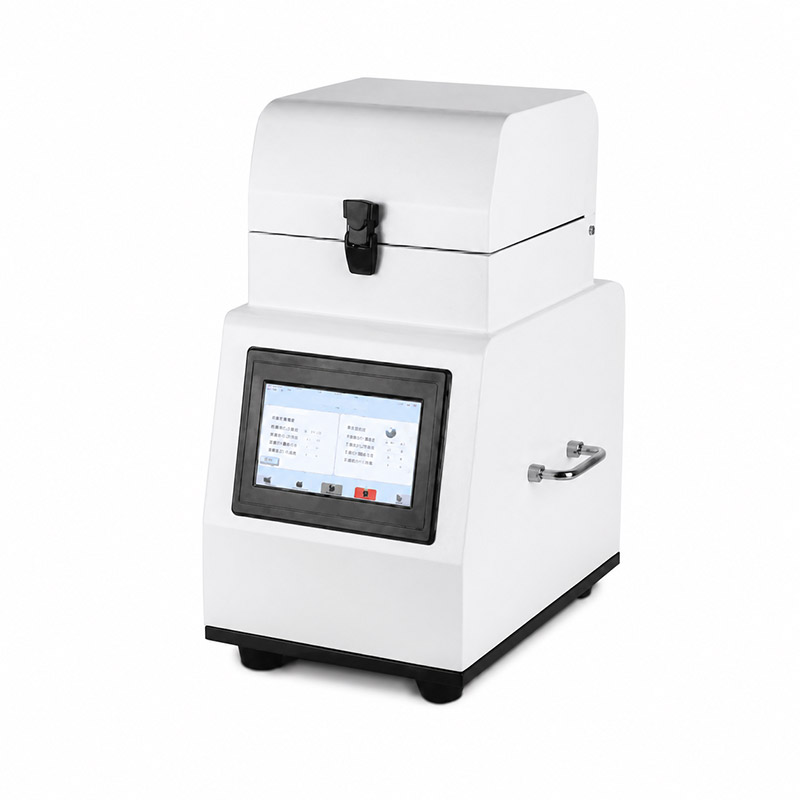
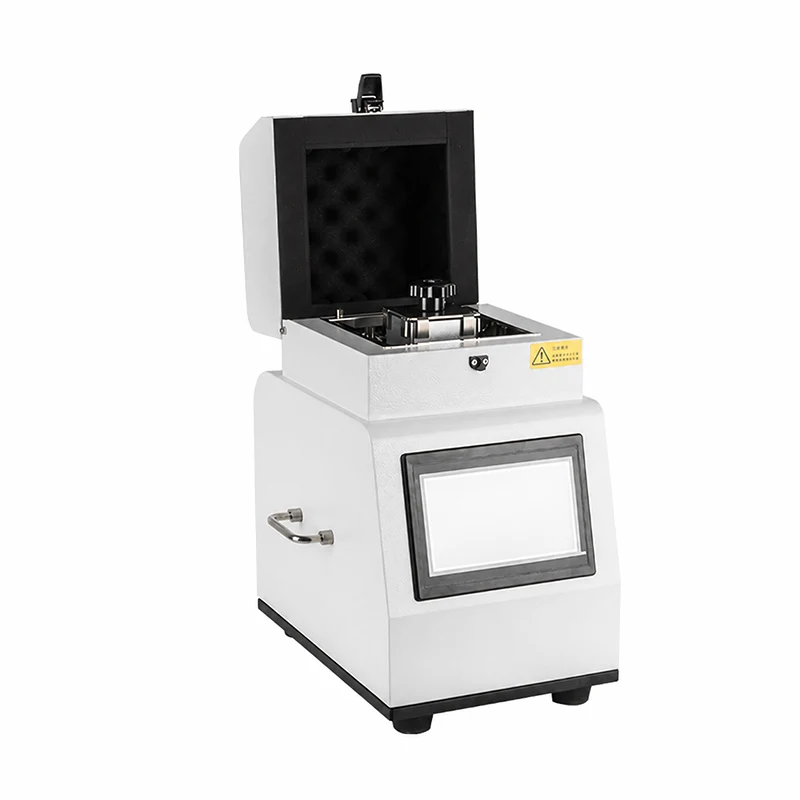
A typical multi channel tissue grinder includes several core components. The sample holder or rack keeps tubes or plates in place during motion. The drive system generates the shaking, rotation, or oscillation needed for disruption. The control interface allows users to set time, speed, and sometimes temperature or cycle profiles. A lid or clamping mechanism secures the samples and protects the user. Optional cooling modules, bead dispensers, and automation ports extend the instrument capabilities.
The drive system is central to performance. It must deliver consistent motion to every channel, even when tubes have slightly different weights or fill volumes. A robust drive reduces vibration, noise, and positional variation. The clamping system must also be reliable, because a loose tube can leak, cross-contaminate, or fail to homogenize. In high-throughput laboratories, quick-loading racks and clearly labeled positions can save significant time and reduce operator error.
Key Performance Indicators and Selection Points
Processing Capacity and Throughput
Processing capacity describes how much sample the instrument can handle per channel and per run. Throughput describes how many samples can be prepared in a given time. Buyers should consider both the maximum batch size and the practical batch size dictated by their protocol. A system with a large number of channels may require longer loading and unloading times, more consumables, and a larger centrifuge. Conversely, a smaller system may be easier to validate and maintain but may not support large studies.
It is also useful to evaluate whether the instrument can run different protocols in one session. Some laboratories process animal tissue, plant tissue, and microbial pellets in the same week. A flexible multi channel tissue grinder with adjustable speed and time can handle this variety, while a fixed-protocol instrument may be limited to a narrow application.
Homogenization Consistency and Particle Size Control
Consistency is the main reason to choose a multi channel tissue grinder over manual methods. Every channel should receive the same mechanical energy, so that sample one and sample eight are comparable. Consistency can be assessed by visual inspection, particle size analysis, protein or nucleic acid yield, and downstream assay reproducibility. If a laboratory needs very fine homogenization, bead size and run time become critical. If it needs gentle lysis, lower speed and shorter time may be preferable.
Particle size control is not always the primary goal in biological homogenization, but it influences extraction efficiency. Smaller particles expose more surface area to lysis buffer, which can improve yield. However, over-homogenization can shear DNA or denature proteins. The best setting is therefore a balance between complete disruption and preservation of the target molecule.
Energy, Efficiency, and Thermal Management
Energy use and heat generation are closely linked. Higher speeds and longer runs consume more energy and produce more friction. In sensitive applications, the heat must be managed through cooling, intermittent cycling, or pre-chilled consumables. A multi channel tissue grinder with efficient drive electronics and programmable rest intervals can reduce thermal stress on samples. Laboratories should also consider noise and vibration, because these affect operator comfort and the stability of nearby instruments.
Efficiency is not only about electrical power. It also includes reagent use, bead consumption, and labor time. A system that homogenizes completely in a short run may use fewer beads and less buffer than a system that requires repeated cycles. When comparing models, buyers should look at total cost per sample rather than purchase price alone.
Automation and Programmability
Programmability allows users to store and recall protocols, which improves reproducibility and training. Digital controls, touch screens, and preset methods are common in modern laboratory equipment. Some multi channel tissue grinders can be integrated with automated liquid handlers or laboratory information systems, although this depends on the model and facility. For core facilities and contract research organizations, audit trails and user access controls may be valuable for regulatory compliance.
Automation should match the laboratory workflow. If samples are loaded manually, a complex automation interface may add little value. If the laboratory already uses barcode tracking and robotic plate handling, an instrument with compatible data output can reduce transcription errors and speed up processing.
Maintenance and Ease of Cleaning
Maintenance requirements affect uptime and long-term cost. Moving parts such as bearings, belts, and clamps may wear over time. Surfaces should be accessible for cleaning, and sample holders should be removable or easy to disinfect. Manufacturers often recommend inspection intervals, lubrication, and replacement schedules. A multi channel tissue grinder that is difficult to clean can become a source of cross-contamination, especially in forensic, clinical, or pathogen-related work.
Consumables also matter. Tubes, beads, and plates should be readily available and compatible with common laboratory standards. If a system requires proprietary consumables, laboratories should confirm supply reliability and cost before purchase. Standardized consumables can make method transfer between sites easier.
Applications and Selection Advice
Life Science Research
In molecular biology, genomics, proteomics, and metabolomics, multi channel tissue grinders prepare batches of tissue for extraction. They are used with animal organs, plant leaves, cultured cells, and microbial samples. The parallel format is especially useful for studies that compare many conditions, time points, or individuals. By reducing manual handling, the instrument also lowers the risk of sample mix-up and operator fatigue.
Clinical and Diagnostic Laboratories
Clinical laboratories may use multi channel tissue grinders for sample homogenization before nucleic acid testing or biochemical analysis. In these settings, reproducibility, containment, and traceability are important. The instrument should fit into established biosafety and quality control procedures. Cleaning and decontamination protocols must be validated, and sample tracking should be robust.
Food, Plant, and Environmental Testing
Food safety, plant breeding, and environmental monitoring often require homogenization of seeds, leaves, roots, soil, or food matrices. A multi channel tissue grinder can process multiple samples in parallel, which is helpful for batch testing and screening. For fibrous or dry materials, bead-based disruption with appropriate beads may be more effective than blade-based methods. Temperature control may be needed when analyzing heat-sensitive compounds.
Selection Advice by User Type
Academic laboratories with varied projects may prefer a flexible, programmable multi channel tissue grinder that supports different tubes and protocols. Clinical or regulated laboratories may prioritize consistency, containment, and documentation. Industrial or high-throughput laboratories may need larger batch capacity and automation-friendly formats. In all cases, the selection should be based on the sample type, required throughput, downstream analysis, and available bench space.
Before purchasing, laboratories should run a sample test with their own material. A demonstration can reveal whether the instrument achieves complete homogenization without excessive heating or foaming. It can also show how long loading, running, and cleaning take in practice. These practical factors often matter more than a long list of specifications.
Frequently Asked Questions
How many samples can a multi channel tissue grinder process?
The number depends on the model and sample format. Some instruments are designed for a modest number of tubes, while others accept multi-well plates or larger racks. The practical batch size also depends on the centrifuge, extraction kit, and downstream analysis capacity. Laboratories should choose a throughput that matches their daily workload rather than simply the largest available system.
What is the difference between bead beating and blade homogenization?
Bead beating uses small beads that collide with the sample to break cells and tissues. It is efficient for many tissue types and can process sealed tubes with little aerosol risk. Blade homogenization uses rotating blades to cut and shear the sample. Blades can be very effective for soft tissues but may require more cleaning between samples and may generate more heat. The best choice depends on sample type, containment needs, and throughput.
Can a multi channel tissue grinder be used for RNA extraction?
Yes, many laboratories use these instruments for RNA workflows. The key is to control temperature and time so that RNA is not degraded. Pre-chilled tubes, cold beads, and short run times are common precautions. After homogenization, the lysate is processed with a standard RNA extraction protocol. Users should validate the method for their specific tissue and target.
Maintenance, Best Practices, and Troubleshooting
To get reliable results, users should follow a few best practices. Keep sample sizes consistent across channels. Use the same bead type and fill volume for each tube. Avoid overfilling, because tubes need headspace for movement. Pre-chill samples and consumables when working with heat-sensitive analytes. Inspect tubes for cracks before and after runs to prevent leaks. Clean the instrument according to the manufacturer instructions, and do not use aggressive solvents that could damage seals or surfaces.
Common problems include incomplete homogenization, excessive foaming, sample loss, and cross-contamination. Incomplete homogenization may be solved by increasing run time, adjusting speed, changing bead size, or reducing tissue piece size. Foaming can be reduced by lowering speed, adding antifoam if compatible, or using a different buffer. Sample loss often results from leaks or from liquid sticking to the lid; using the correct tube type and seal can help. Cross-contamination is addressed through proper cleaning, disposable consumables, and careful loading.
Documentation is another best practice. Record the protocol, bead type, speed, time, temperature, and sample type for every run. If a protocol works well, save it in the instrument memory. If a protocol fails, the records help identify the cause. This habit supports reproducibility and makes it easier to train new users.
Safety and Compliance Considerations
Multi channel tissue grinders can generate aerosols, especially when processing infectious or hazardous samples. Laboratories should evaluate the risk and use appropriate containment, such as sealed tubes, lids, and biosafety cabinets for sample loading and unloading. Personal protective equipment, including gloves, lab coats, and eye protection, should be worn as required. Electrical safety, grounding, and proper power supply are also important, particularly in cold rooms or wet environments.
Noise and vibration may require attention if the instrument runs for long periods. Placing it on a stable bench and using vibration-damping pads can reduce movement. Regular maintenance helps prevent unexpected failures that could compromise samples. If the instrument is used in a regulated environment, calibration, validation, and maintenance records should be kept according to institutional policies.
Conclusion: Choosing a Multi Channel Tissue Grinder
A multi channel tissue grinder is a practical answer to the challenge of preparing many biological samples with consistency. Its value lies in parallel processing, controlled mechanical disruption, and the ability to tune parameters for different tissues. By understanding the working principles, types, and key performance indicators, laboratories can select a model that fits their throughput, sample format, and analytical goals. Whether the application is genomics, clinical testing, plant science, or food safety, the right multi channel tissue grinder can improve reproducibility and free researchers from repetitive manual grinding.
References
Product information: Multi channel tissue grinder
Images: product slides from the reference material.
Related Products
Get In Touch
Our professional team will reply to you within one business day. Please feel free to contact us!