Contact Us
Choose your preferred way to contact our team
Free Quote
Fill out the form to obtain prices and information
Send an Email
Share your needs and concerns
+86 19021571516
Research equipment
Explore TENCAN Research Equipment for lab sample preparation and analysis, including tissue grinders, magnetic stirrers, centrifuges, flotation machines and vacuum feeders.
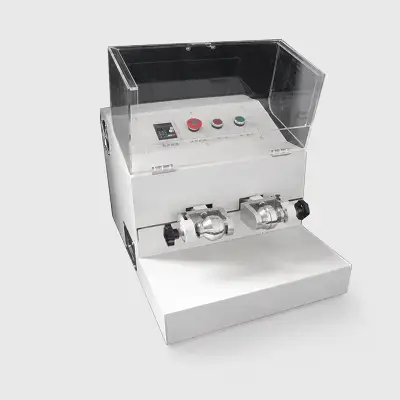
High throughput tissue grinder
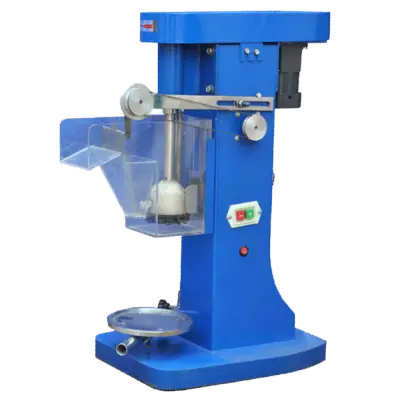
Hanging tank flotation machine
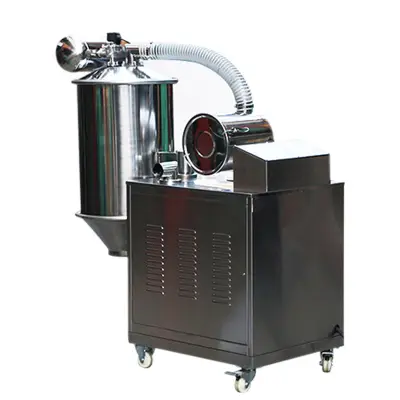
Vacuum feeder
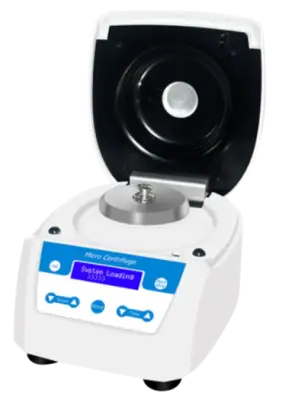
Mini high-speed centrifuge
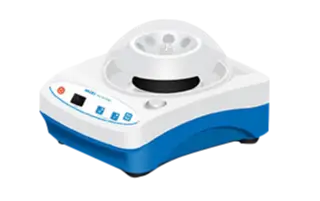
Mini Centrifuge
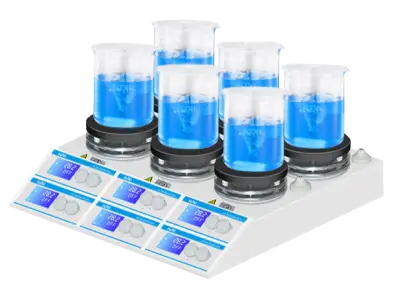
Multi station magnetic stirrer
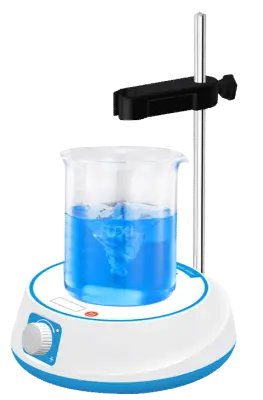
Portable Mini Magnetic Blender
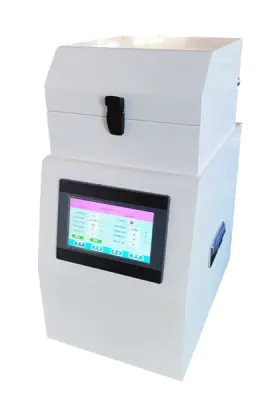
Multi channel tissue grinder
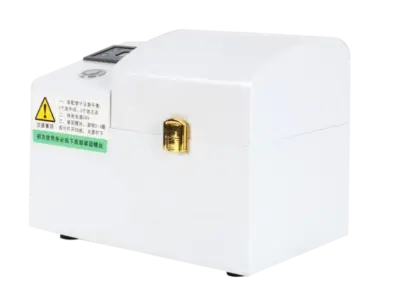
Portable tissue grinder
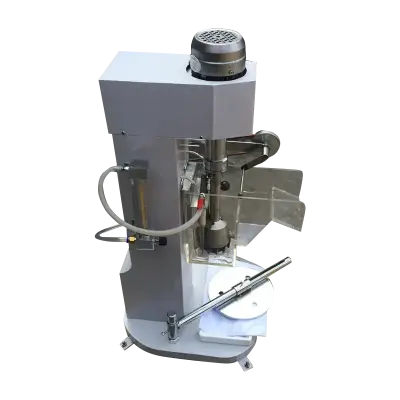
Experimental flotation machine
TENCAN Research Equipment: Laboratory Sample Preparation and Scientific Processing Solutions
The TENCAN Research Equipment series is designed for laboratory sample preparation, scientific testing, material processing and small-scale experimental workflows. In modern laboratories, sample preparation is often the first and most important step before analysis, reaction, separation, grinding, extraction or quality testing. A reliable set of research equipment can help researchers process samples faster, reduce manual error and improve repeatability across different experimental batches.
This series includes tissue grinders, high-throughput homogenizers, magnetic stirrers, multi-station stirrers, mini centrifuges, high-speed centrifuges, flotation machines, hanging tank flotation machines and vacuum feeders. These products support different stages of laboratory work, including grinding, homogenizing, mixing, stirring, heating, centrifuging, mineral separation and powder conveying.
Unlike large production equipment, research equipment focuses more on precision, flexibility, compact structure and convenient operation. It is suitable for universities, research institutes, quality control laboratories, mineral testing laboratories, biological research centers, chemical laboratories, food research laboratories and materials R&D departments.
Why Choose TENCAN Research Equipment?
TENCAN focuses on powder processing and laboratory equipment, so the Research Equipment series is built around real laboratory workflows. A sample may need to be ground, mixed, separated, transferred or prepared before it enters further analysis or production testing. By providing multiple types of equipment in one category, TENCAN helps users build a more complete and practical sample preparation system.
For biological and material samples, tissue grinders can process plant tissue, animal tissue, microorganisms, food, plastics, polymers, minerals, soil and many other materials. For liquid or solid-liquid systems, magnetic stirrers provide stable mixing and optional heating. For biological, chemical or food testing, mini centrifuges and high-speed centrifuges help separate liquid and solid phases. For mineral research, flotation machines support small-scale beneficiation testing. For powder handling, vacuum feeders provide closed and dust-reduced material transfer.
Another important advantage is laboratory-friendly design. These machines are generally compact, easy to operate and suitable for bench-top use. Many models support timing, speed adjustment, digital display, safety protection or multi-sample processing. This helps improve experimental efficiency and reduce the influence of manual operation.
Tissue Grinders for Fast Sample Homogenization
Tissue grinders are important tools for biological research, food testing, environmental testing and material laboratories. They use high-frequency motion, grinding balls and sample tubes or jars to crush, grind and homogenize samples rapidly. Compared with manual grinding, a tissue grinder provides more consistent processing conditions and better repeatability.
The portable tissue grinder is suitable for hair, sputum, plants, food, microorganisms and other small samples. It is compact, lightweight and easy to carry. Its three-dimensional motion helps grinding balls impact and shear the sample, achieving grinding and homogenization in a short time. This type of equipment is especially useful for field testing, mobile laboratories and small-scale sample preparation.
The multi-channel tissue grinder is designed for higher throughput. It can process multiple samples at one time, helping laboratories reduce repetitive manual work and improve sample preparation efficiency. It supports dry grinding, wet grinding and low-temperature grinding, making it suitable for many sample types, such as plant roots, stems, leaves, animal tissues, bacteria, fungi, food, pharmaceuticals, plastics and polymers.
The high-throughput tissue grinder is suitable for fast grinding, mixing and homogenizing of hard, soft, brittle, elastic and fibrous materials. It can be used for fiber tissue, bone, hair, chemicals, medicines, minerals, ores, alloys, glass, ceramics, soil, sludge and grain particles. For many laboratory samples, fast processing helps reduce heat accumulation and limits unwanted changes caused by long grinding time.
Magnetic Stirrers for Liquid and Solid-Liquid Mixing
Magnetic stirrers are commonly used for mixing low-viscosity liquids or solid-liquid mixtures. They use a magnetic field to drive a magnetic stirring bar inside the container, creating continuous liquid circulation and uniform mixing. This method is clean, simple and suitable for many laboratory experiments.
The portable mini magnetic stirrer is suitable for small-volume liquid mixing, reagent preparation, solution dissolution and routine laboratory work. It can be used in chemical analysis, biological experiments, environmental testing, food research and teaching laboratories. Some models can also provide heating, helping users maintain the required temperature during mixing.
The multi-station magnetic stirrer is suitable when several samples need to be processed at the same time. With multiple stirring positions, it improves laboratory efficiency and helps ensure consistent processing conditions between different samples. This is useful for parallel experiments, formula comparison, reaction screening and routine sample preparation.
For research users, stable stirring speed, low noise, timing control, temperature control and corrosion-resistant working plates are important factors. A suitable stirrer helps maintain uniform mixing, improve reaction efficiency and reduce experimental variation.
Mini Centrifuges for Sample Separation
Centrifuges are used to separate components according to density difference. In laboratories, they are widely used for separating solid particles from suspension, separating immiscible liquids, collecting droplets from tube walls, quick spin-down, PCR tube processing, microfiltration and small-volume sample preparation.
The mini centrifuge is compact and easy to operate. It can quickly reach the required speed and is suitable for personal bench-top use. It is useful for PCR tubes, microtubes, tube strips and small-volume laboratory samples. Safety protection, low-noise operation and interchangeable rotors make it suitable for routine biological, chemical and teaching laboratories.
The mini high-speed centrifuge provides higher speed and stronger centrifugal force for more demanding separation tasks. It is suitable for universities, research institutions, food testing, agriculture, petroleum research, medical-related laboratories and general scientific research. Its digital control, compact structure and stable operation help users obtain repeatable separation results.
For laboratories that process small samples every day, centrifuges help shorten preparation time and improve sample handling efficiency. They are often used together with tissue grinders, pipettes, sample tubes, incubators and analytical instruments.
Flotation Machines for Mineral Research
Flotation equipment is mainly used for mineral separation and beneficiation testing. In a laboratory mineral processing workflow, ore samples are often crushed, ground and then separated through flotation to evaluate mineral recovery, reagent performance and separation conditions.
The experimental flotation machine is used for separating ferrous metals, non-ferrous metals, precious metals, chemical raw materials and non-metallic minerals. It has functions of air suction, pulp suction and flotation. It is suitable for small-scale laboratory tests and mineral processing research.
The hanging tank flotation machine is suitable for geology, metallurgy, building materials, chemical mining laboratories and research departments. It is especially useful for stirring, scrubbing, separating and refining small amounts of ore samples. It supports small sample capacity, adjustable impeller speed and convenient operation, making it suitable for sample analysis and comparative experiments.
For mineral laboratories, flotation equipment helps evaluate whether a material can be separated efficiently before larger-scale testing. It is often used together with crushers, ball mills, sieving machines and drying equipment to form a complete mineral sample preparation and testing workflow.
Vacuum Feeder for Closed Powder Transfer
The vacuum feeder is used for closed and dust-reduced conveying of dry powders and granules. It works by creating negative pressure inside the system, allowing powders or granules to be sucked into the conveying line and separated from air inside the receiving hopper. The material is then discharged into the target equipment.
This type of equipment is widely used in pharmaceutical, food, fine chemical, electronic, new energy, building material and metallurgy industries. It is suitable for transferring powder raw materials, additives, metal oxide powders, battery materials, cement powders and other dry materials.
For laboratory and pilot-scale production, vacuum feeding can reduce manual handling, improve cleanliness and help connect different machines, such as mixers, tablet presses, packaging machines, reactors or storage hoppers. In powder processing lines, closed conveying also helps reduce dust exposure and material loss.
Key Application Fields
TENCAN Research Equipment can be used in biological research, molecular testing, pharmaceutical development, food testing, agricultural research, environmental monitoring, chemical analysis, mineral processing, powder metallurgy, new energy materials, ceramics, advanced materials and quality inspection laboratories.
In biological and life science applications, tissue grinders and centrifuges support sample homogenization, cell disruption, protein preparation, DNA/RNA-related sample processing and routine separation work. In food and agricultural laboratories, they help process plant tissues, grains, food samples and liquid-solid mixtures.
In materials research, tissue grinders and high-throughput homogenizers can be used for small-batch material grinding, mixing and sample comparison. Magnetic stirrers support solution preparation, dispersion and reaction testing. Vacuum feeders support powder transfer when cleaner handling is required.
In mineral processing laboratories, flotation machines help test ore separation, mineral enrichment and reagent conditions. Combined with crushing, grinding, screening and drying equipment, they provide a practical workflow for geological and metallurgical research.
Difference from Main Powder Processing Equipment
Research equipment is different from large grinding, crushing, mixing or production equipment. Its main purpose is to support laboratory-scale preparation, analysis and experimental verification. It focuses on small sample volume, fast operation, flexible use and repeatable results.
A ball mill is mainly used for powder grinding and particle size reduction. A crusher is used for coarse or medium crushing. A sieve shaker is used for particle size classification. A mixer is used for batch blending. Research equipment, however, may cover several support functions: quick sample grinding, homogenizing, stirring, centrifuging, flotation testing and material transfer.
In a typical workflow, a laboratory may first use a tissue grinder or crusher to reduce sample size, then use a stirrer to prepare a suspension, then use a centrifuge for separation, then use a flotation machine for mineral testing or a vacuum feeder for clean powder transfer. These devices help connect different experimental steps and improve the efficiency of the whole laboratory.
How to Select the Right Research Equipment
Equipment selection should start from the sample type and experimental goal. If the user needs biological tissue disruption, plant grinding or multi-sample homogenization, a tissue grinder or high-throughput grinder is recommended. If the user needs liquid mixing, dissolution, heating or reaction stirring, a magnetic stirrer is more suitable. If the goal is separation by density or quick liquid removal, a mini centrifuge or high-speed centrifuge should be selected.
For mineral testing, the choice depends on sample volume, feeding particle size, flotation tank capacity, impeller speed and beneficiation purpose. For powder transfer, users should consider material flowability, conveying capacity, conveying distance, dust control requirement, cleaning method and connection with other machines.
Users should also consider laboratory space, power supply, sample quantity, processing time, noise level, safety protection, cleaning convenience and compatibility with sample containers. For repeatable research results, digital speed setting, timing control and stable operation are especially important.
Customization and Technical Support
TENCAN can provide equipment selection support according to the user’s laboratory workflow. Customers can provide sample type, sample size, target processing effect, number of samples per batch, required speed range, grinding or mixing time, separation requirement, capacity requirement and whether the equipment needs to connect with other devices.
For tissue grinding, optional accessories may include different adapters, tube sizes, grinding balls and grinding jar materials. For magnetic stirring, users can choose different station numbers, heating functions, working plate materials and control methods. For centrifuges, rotor type, speed range, sample tube size and safety protection should be matched carefully. For flotation machines and vacuum feeders, capacity, material contact parts and process connection can be selected according to practical use.
The TENCAN Research Equipment series provides flexible, compact and efficient solutions for laboratory sample preparation and scientific processing. Whether the requirement is tissue grinding, multi-sample homogenization, magnetic stirring, high-speed centrifuging, flotation testing or clean powder conveying, TENCAN can help users build a reliable research workflow for modern laboratories.
FAQ
-
What is a Multi Channel Tissue Grinder? A High-Efficiency Sample Preparation Instrument for Simultaneous Processing of Multiple Biological Samples
A multi channel tissue grinder is a specialized laboratory instrument designed for high-throughput processing of biological tissues, plant materials, and other samples. It uses rapid oscillation and grinding beads to efficiently homogenize, grind, and lyse up to hundreds of samples simultaneously, ensuring consistent particle size and DNA/RNA extraction quality. This equipment is essential for genomics research, protein analysis, and pharmaceutical development.
MORE >> -
What is a Portable Tissue Grinder? A Compact Device for On-Site Biological Sample Preparation
A portable tissue grinder is a lightweight, battery-powered device designed for rapid and efficient homogenization of biological samples in field or lab settings. Ideal for DNA/RNA extraction, protein analysis, and forensic applications, it offers cordless operation and high reproducibility.
MORE >> -
What is a Portable Tissue Grinder? A Compact Tissue Homogenizer for On-Site Sample Preparation
Discover the portable tissue grinder—a lightweight, battery-powered homogenizer designed for rapid DNA/RNA extraction and sample grinding in field, lab, or remote locations. Learn its working principle, key components, performance specs, and selection tips for efficient biological sample preparation.
MORE >> -
What is an Experimental Flotation Machine? A Laboratory Device for Mineral Separation Research and Beneficiation Testing
An experimental flotation machine is a specialized laboratory device used to simulate the industrial flotation process for mineral separation, beneficiation research, and ore washability testing. It works by agitating ore pulp and air to form bubbles, allowing hydrophobic valuable minerals to attach and float while gangue sinks. Key features include adjustable impeller speed, aeration, and multi-cell configurations for batch testing. This guide covers its working principle, main types (mechanical agitation, aeration, hanging tank), selection criteria, and applications in geology, metallurgy, coal, and chemical industries.
MORE >> -
What is a Multi Channel Tissue Grinder? A High-Throughput Sample Preparation Instrument for Biological Tissue Homogenization
A multi channel tissue grinder is a specialized laboratory instrument designed for high-throughput homogenization of biological tissues, cells, and microorganisms. It uses vertical oscillation to rapidly grind samples in sealed tubes, preserving nucleic acids and proteins. Ideal for DNA/RNA extraction, proteomics, and drug screening, it handles up to 576 samples per batch with minimal cross-contamination and excellent reproducibility.
MORE >> -
What is a Multi Station Magnetic Stirrer? A Versatile Lab Mixing Device for Simultaneous Stirring
Discover the Multi Station Magnetic Stirrer from TENCAN – a professional lab device designed for simultaneous stirring of multiple samples. This guide explains its working principle, key features, applications in chemistry, biology, and materials science, and how to choose the right model for your research needs.
MORE >> -
What is a Portable Tissue Grinder? A Compact Device for Rapid Biological Sample Homogenization in Field and Lab Settings
Learn what a portable tissue grinder is, how it works, and its key features. This compact device enables rapid, cross-contamination-free homogenization of plant and animal tissues for DNA/RNA extraction, protein analysis, and pesticide residue testing. Ideal for field and lab use.
MORE >> -
What is a Non-Invasive Material Homogenizer? A Versatile Mixing Device for Uniform Particle Dispersion and Emulsification
Discover the working principle, key features, and selection guide of the non-invasive material homogenizer. This laboratory equipment uses gentle agitation to achieve uniform mixing, dispersion, and emulsification without damaging sensitive materials. Ideal for food, pharmaceutical, and chemical industries.
MORE >> -
What is an Acrylic Glove Box? A Transparent Enclosure for Controlled Atmosphere Laboratory Operations
An acrylic glove box is a transparent, sealed enclosure used to create a controlled environment for handling air-sensitive materials in laboratories. This article explains its core function, working principle, types, key specifications, and selection tips for researchers and procurement professionals.
MORE >> -
What is a Multi Channel Tissue Grinder? A High-Throughput Sample Preparation Device for Efficient Biological Tissue Homogenization
Discover the multi channel tissue grinder, a high-throughput sample preparation device for efficient biological tissue homogenization. Learn about its working principle, key features, performance metrics, and application fields in this comprehensive guide for researchers and lab technicians.
MORE >>
Get In Touch
Our professional team will reply to you within one business day. Please feel free to contact us!