

What is a Multi Channel Tissue Grinder? A High-Throughput Sample Preparation Instrument for Biological Tissue Homogenization
Introduction
At its core, a multi channel tissue grinder is a professional sample preparation instrument that biological research laboratories, pharmaceutical companies, and clinical diagnostic centers use to rapidly homogenize animal and plant tissues, cells, and microbial samples into fine powders or homogeneous slurries. Unlike traditional manual grinding or single-tube homogenizers, this device enables simultaneous processing of dozens to hundreds of samples, dramatically improving experimental throughput while maintaining sample integrity.
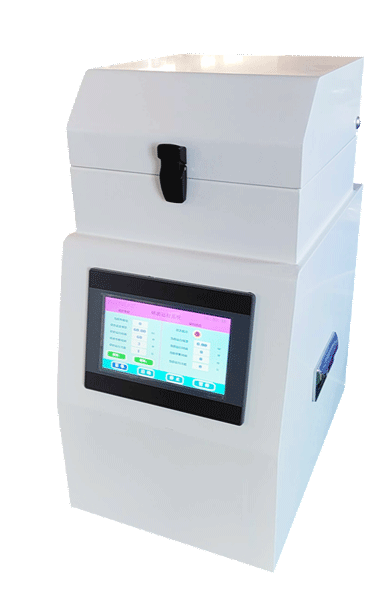
Core Function and Working Principle
The multi channel tissue grinder transforms solid biological tissues (such as roots, leaves, seeds, liver, muscle, or bacteria) into a fine, homogeneous powder or lysate suitable for downstream nucleic acid extraction, protein purification, or metabolite analysis. Its working principle is based on a vertical oscillation mechanism: the instrument drives a clamp holding multiple sealed tubes (e.g., 2 mL, 5 mL, or 96-well plates) in a rapid up-and-down motion. Inside each tube, grinding beads (made of stainless steel, zirconia, or ceramic) collide with the sample at high frequency, causing impact, shear, and friction that break down cell walls and tissues within seconds.
Key parameters include oscillation frequency (typically adjustable from 1000 to 2000 rpm) and grinding time (usually 10 seconds to 5 minutes). The vertical motion ensures that the beads hit the sample from multiple angles, achieving more uniform and thorough homogenization compared to horizontal shaking methods. The sealed tube design prevents cross-contamination and aerosol formation, making it safe for handling infectious or toxic samples.
Key Components and Technical Features
While the product category is relatively focused, the multi channel tissue grinder incorporates several critical components that determine its performance:
- Drive System: A high-torque motor with precision-balanced eccentric mechanism ensures stable vertical oscillation even at maximum load.
- Sample Clamp: Universal clamps accommodate various tube formats (0.5–50 mL centrifuge tubes, deep-well plates, and grinding jars) without needing adapter changes. Some models support up to 576 samples per run (6 × 96-well plates).
- Control Panel: Touchscreen or keypad interface allows users to set time, speed, and program saved protocols for different sample types, ensuring reproducibility.
- Safety Features: Lid-lock mechanism with automatic stop upon opening prevents accidental injury during operation.
- Cooling Compatibility: For heat-sensitive samples, the clamp can be pre-cooled in liquid nitrogen before mounting, enabling cryogenic grinding without additional equipment.
Key Performance Indicators and Selection Guide
When selecting a multi channel tissue grinder, consider the following parameters:
- Throughput: Models range from 24 to 576 samples per batch. Choose based on your daily sample volume. For high-throughput labs (e.g., genomics core facilities), a 576-sample capacity is ideal.
- Grinding Efficiency: The final particle size can reach below 5 µm, sufficient for most DNA/RNA extraction protocols. For harder tissues (bone, seeds), longer grinding time or pre-cooling may be required.
- Speed Range: Adjustable frequency from 1000 to 2000 rpm allows optimization for soft vs. tough samples.
- Repeatability: Programmable memory ensures identical grinding conditions across runs, critical for quantitative assays.
- Noise Level: Quality units operate below 70 dB, suitable for shared lab environments.
- Maintenance: Look for easy-to-clean clamps and durable motor bearings to minimize downtime.
Applications and Selection Advice
Multi channel tissue grinders are indispensable in molecular biology, biochemistry, and pharmaceutical research. Typical applications include:
- Nucleic Acid Extraction: Rapid homogenization of plant and animal tissues for DNA/RNA purification.
- Protein Extraction: Cell lysis for proteomics and Western blotting.
- Metabolomics: Grinding of food, feed, and environmental samples for metabolite profiling.
- Clinical Diagnostics: Processing biopsy tissues for PCR or sequencing.
- Microbiology: Breaking bacterial and yeast cells for enzyme or metabolite release.
For labs with heavy sample loads (e.g., >100 samples/day), select a model with 96-well plate capability and pre-programmed protocols. For occasional use or small-scale studies, a 24-sample model may suffice. If your samples are heat-sensitive (e.g., RNA), prioritize models with liquid nitrogen pre-cooling support.
References
Related Products
Get In Touch
Our professional team will reply to you within one business day. Please feel free to contact us!