
What is a Multi Channel Tissue Grinder? A High-Throughput Sample Preparation Device for Efficient Biological Tissue Homogenization

What is a Multi Channel Tissue Grinder?
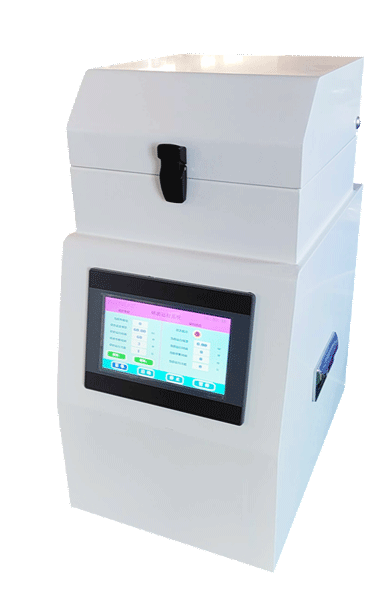
At its core, a multi channel tissue grinder is a specialized laboratory sample preparation device that researchers and technicians use to efficiently homogenize, grind, and disrupt biological tissues, cells, and microorganisms. Unlike traditional manual grinding methods, this equipment can process dozens to hundreds of samples simultaneously in a single run, dramatically accelerating workflow in genomics, proteomics, and pharmaceutical research.
Core Function and Working Principle
The multi channel tissue grinder transforms solid biological samples—such as animal organs, plant roots, leaves, seeds, or microbial pellets—into a fine, uniform homogenate suitable for downstream DNA/RNA extraction, protein analysis, or metabolite profiling. The key mechanism involves rapid vertical oscillation or three-dimensional motion of the grinding chamber, driving the grinding beads (typically made of stainless steel, zirconia, or tungsten carbide) to collide with the sample at high frequency.
Compared to traditional horizontal shaking, the multi channel system often employs a vertical up-and-down vibration mode that delivers higher kinetic energy per impact, ensuring faster and more complete homogenization. The sample is placed in sealed tubes or plates with grinding beads, and the machine parameters—such as oscillation frequency (10–70 Hz), grinding time (0–99 seconds or minutes), and cycle counts—can be precisely programmed via a touchscreen interface. This repeatability is critical for quantitative biological assays.
Key Components and Technologies
A modern multi channel tissue grinder integrates several advanced components:
- Drive System: High-torque, low-noise motors with intelligent acceleration/deceleration control (reaching top speed in under 2 seconds) for consistent energy delivery.
- Adapter Platform: Universal adapters that accommodate various tube sizes (0.2 mL to 50 mL) and formats (96-well plates, 2 mL microcentrifuge tubes, 15 mL conical tubes). The platform can hold up to 4×96 samples, enabling batch processing.
- Grinding Media: Beads of different materials and diameters (0.1–30 mm) are selected based on sample hardness and desired final particle size. Common materials include alloy steel, zirconia, tungsten carbide, and agate.
- Cooling and Safety: Many models support pre-cooling of adapters in liquid nitrogen or use refrigerated adapters to prevent heat-sensitive biomolecule degradation. A safety lock and noise-dampening enclosure (noise level typically below 65 dB) are standard.
Key Performance Metrics and Selection Criteria
When choosing a multi channel tissue grinder, consider the following indicators:
- Throughput: The maximum number of samples that can be processed per batch. Ranges from 24 to 576 samples, with higher throughput models suited for large-scale screening.
- Final Particle Size: Typical output can reach below 5 μm, depending on the sample type and grinding parameters. For DNA/RNA extraction, a particle size of 20–50 μm is often sufficient.
- Frequency Range: Operating frequency (10–70 Hz) determines the impact energy. Higher frequencies are more effective for hard tissues (e.g., bone, seeds).
- Programmability: Touchscreen control with memory for multiple protocols saves time and ensures reproducibility. Some models allow remote monitoring via software.
- Cross-Contamination Control: Sealed tubes and disposable grinding beads prevent sample-to-sample carryover, which is crucial for PCR and sequencing applications.
Application Fields and Selection Advice
Multi channel tissue grinders are widely used in:
- Molecular Biology: DNA/RNA extraction from animal and plant tissues, microbial cell lysis.
- Pharmaceutical Research: Drug metabolite analysis, protein extraction from tissues.
- Food Safety: Homogenization of food samples for pathogen detection.
- Environmental Science: Grinding of soil, leaves, and insect samples for contaminant analysis.
For laboratories focused on high-throughput genotyping or next-generation sequencing, a model with 96-well plate compatibility and high frequency is recommended. For routine small-scale research, a 24–48 sample capacity may suffice. Always ensure the grinder can handle the specific sample types (soft vs. hard) and offers the required cooling options.
References
Related Products
Get In Touch
Our professional team will reply to you within one business day. Please feel free to contact us!