
What is a Multi Channel Tissue Grinder? A High-Throughput Sample Preparation Device for Biological and Material Grinding

Introduction
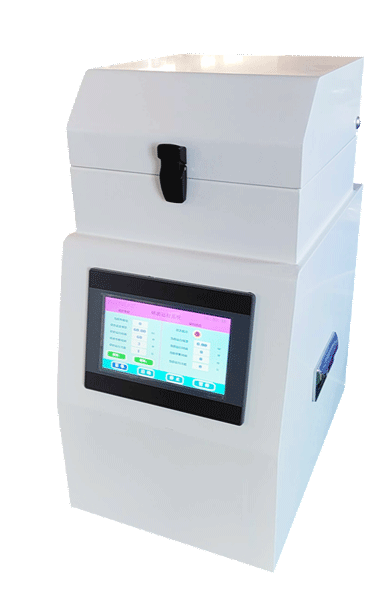
At its core, a multi channel tissue grinder is a specialized sample preparation device that modern biological, pharmaceutical, and materials science laboratories use to rapidly and reproducibly grind, homogenize, and disrupt a wide variety of solid samples — from animal tissues and plant leaves to microorganisms and polymers. Unlike traditional mortar-and-pestle methods, this equipment processes dozens to hundreds of samples simultaneously in sealed tubes, preserving sample integrity and minimizing cross-contamination. It is an indispensable tool for workflows involving DNA, RNA, and protein extraction, as well as for cell disruption and material homogenization.
Core Functionality and Working Principle
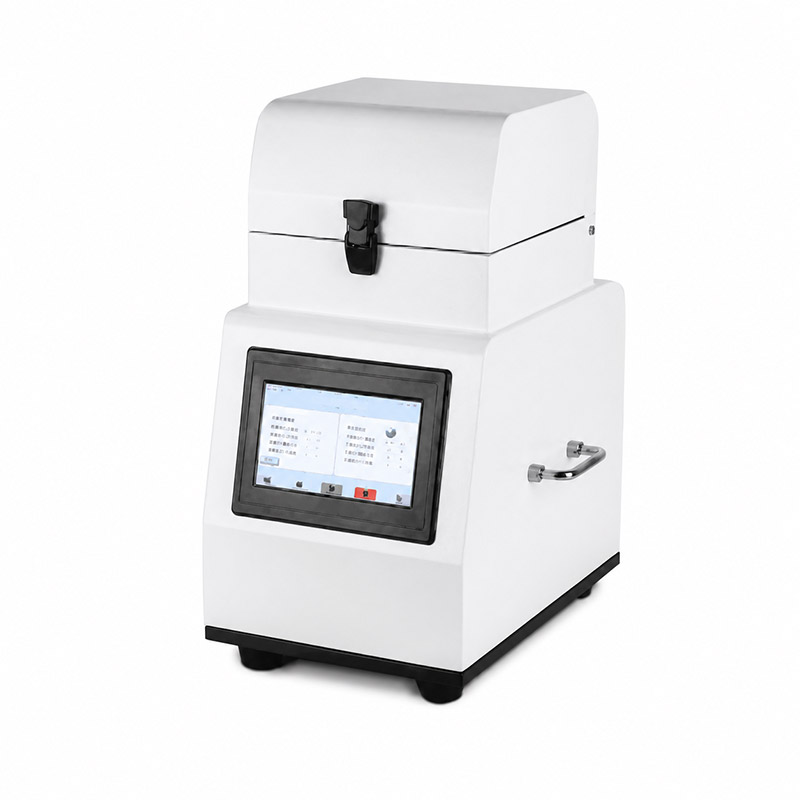
The primary function of a multi channel tissue grinder is to convert solid samples into fine homogeneous slurries or powders suitable for downstream analysis. It achieves this through a combination of high-frequency mechanical impact and shear forces. The device houses a powerful motor that drives an oscillating platform in a vertical (up-and-down) or three-dimensional motion pattern. Sample tubes are placed in specially designed adapters that are locked onto the platform. Inside each tube, one or more grinding balls (typically made of stainless steel, zirconia, or tungsten carbide) are added along with the sample.
During operation, the platform oscillates at frequencies ranging from 10 to 70 Hz (up to 1500 oscillations per minute). The grinding balls collide with the sample material at high speed, effectively crushing, shearing, and pulverizing it. The intense mechanical forces break cell walls, disrupt tissues, and reduce particle size down to the micrometer level (typically ~5 μm). The entire process can be completed in as little as 30 seconds to a few minutes, depending on the sample type and desired fineness.
Key parameters that influence grinding efficiency include oscillation frequency, grinding time, ball size and material, and the use of liquid nitrogen for cryogenic grinding. The multi channel tissue grinder features a microcomputer-controlled touchscreen interface that allows users to set these parameters precisely, ensuring reproducibility across runs.
Key Components and Technologies
Adapter System
Adapters are the heart of the system's versatility. They are available in various configurations to hold tubes from 0.2 mL up to 50 mL, including 24×0.5 mL, 16×2 mL, 8×10 mL, 4×25 mL, and 2×50 mL. Some models support up to 4×96 deep-well plates, enabling processing of 384 samples simultaneously. Adapters are typically made from PTFE (Teflon) or hardened alloy steel, with PTFE being preferred for cryogenic applications due to its low thermal conductivity.
Grinding Balls
Grinding balls come in diameters from 0.1 mm to 30 mm and materials such as stainless steel, zirconia, agate, tungsten carbide, and quartz sand. The choice depends on the sample hardness and contamination requirements. For example, zirconia balls are ideal for hard tissues and ceramics, while stainless steel is commonly used for routine biological samples.
Cryogenic Grinding Capability
Many models offer a cryogenic mode where adapters and samples are pre-cooled in liquid nitrogen (-196°C) before grinding. This embrittles tough materials like rubber, plastic, or fibrous plant tissues, making them easier to break. It also prevents thermal degradation of heat-sensitive biomolecules such as DNA, RNA, and proteins.
Safety and Noise Reduction
Patented anti-vibration systems (e.g., German patent Schleifen-1) keep noise levels below 65 dB, even at high frequencies. A safety lock ensures the machine cannot operate while the lid is open, protecting the user from flying debris.
Key Performance Indicators and Selection Criteria
When selecting a multi channel tissue grinder, consider the following metrics:
- Throughput: Models range from 24-tube capacity (Tissuelyser-24L) to 192-tube capacity (Tissuelyser-192L). Choose based on your daily sample volume.
- Frequency Range: 10–70 Hz (equivalent to 30–2100 oscillations per minute). Higher frequencies deliver more energy for hard samples.
- Processing Time: 0–99 minutes programmable; typical runs last 1–5 minutes.
- Final Particle Size: ~5 μm, suitable for most molecular biology applications.
- Sample Compatibility: Check if the adapter set matches your tube sizes (0.2–50 mL).
- Temperature Control: Cryogenic capability is essential for heat-sensitive samples.
- Automation: Touchscreen programming with memory for multiple protocols reduces operator error.
- Maintenance: Look for easy-to-clean adapters and durable motor bearings.
Applications and Selection Advice
Multi channel tissue grinders are widely used in:
- Molecular Biology: DNA/RNA extraction from animal tissues, plant leaves, seeds, and bacteria.
- Proteomics: Protein extraction from cells and tissues for mass spectrometry.
- Pharmaceuticals: Homogenization of tablets, granules, and active ingredients.
- Food Testing: Sample preparation for pesticide residue analysis and nutritional assays.
- Material Science: Grinding of plastics, rubber, ceramics, and electronic waste.
For small labs with moderate throughput, a 24-tube model (e.g., Tissuelyser-24L) offers a good balance of capacity and cost. High-throughput core facilities should consider 96 or 192-tube models to maximize efficiency. If you frequently work with cryogenic samples, ensure the model supports liquid nitrogen-compatible PTFE adapters. For more details, visit the official product page.
References
Related Products
Get In Touch
Our professional team will reply to you within one business day. Please feel free to contact us!