Contact Us
Choose your preferred way to contact our team
Free Quote
Fill out the form to obtain prices and information
Send an Email
Share your needs and concerns
+86 19021571516
Sintering series
Explore TENCAN Sintering Series for drying, heat treatment and powder sintering, including ovens, freeze dryers, muffle, tube and atmosphere furnaces.
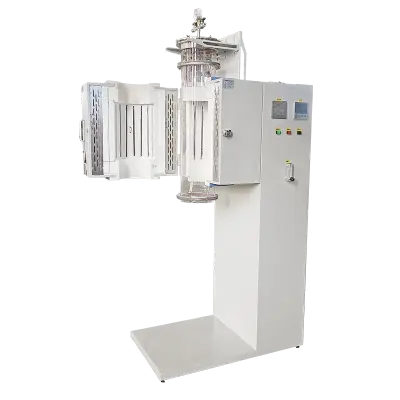
Vertical Tube Furnace
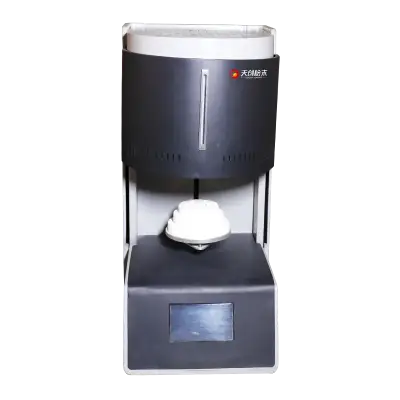
T-Bright Plus Sintering Furnace
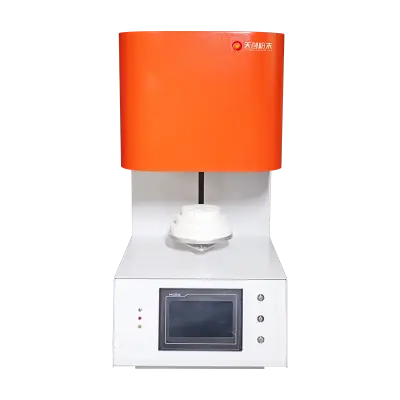
T-Bright Dental Furnace
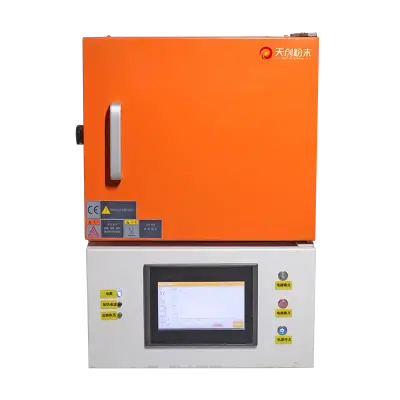
T-Crystal Dental Furnace
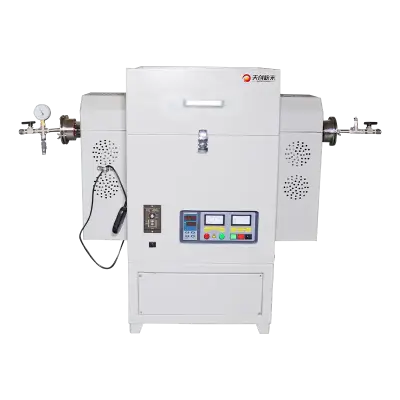
Rotary Tube Furnace
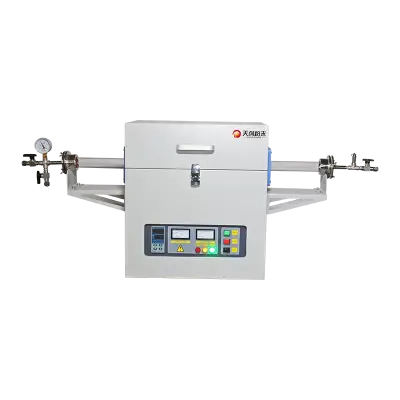
Horizontal Tube Furnace
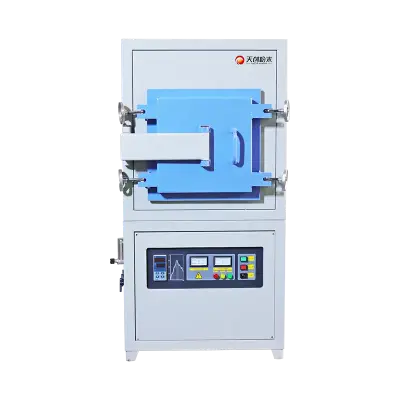
Box-Type Atmosphere Furnace
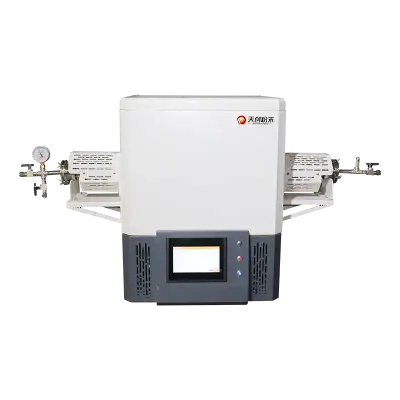
vacuum tube furnace
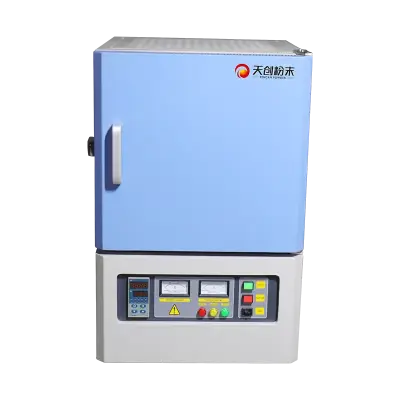
Muffle furnace
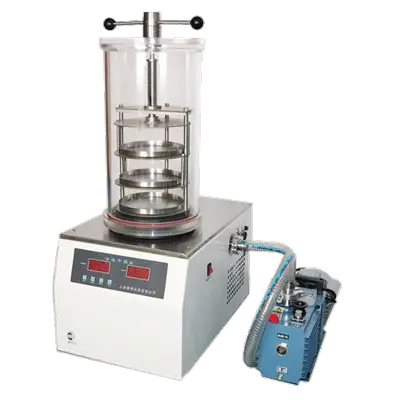
Vacuum freeze-drying oven
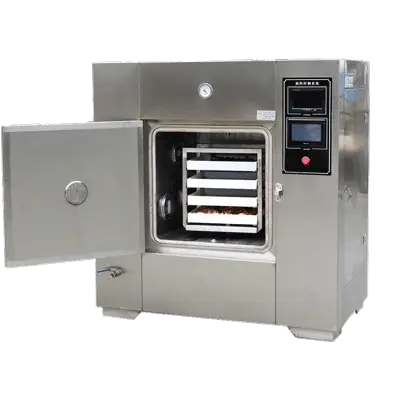
Microwave vacuum drying oven
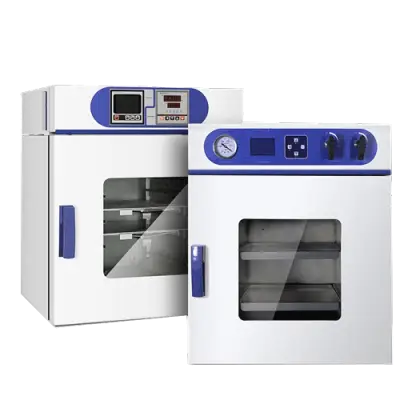
vacuum drying oven
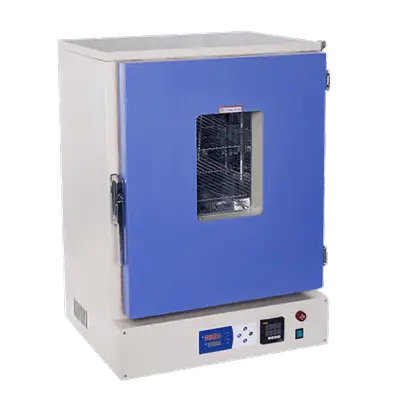
Precision air blower dryer
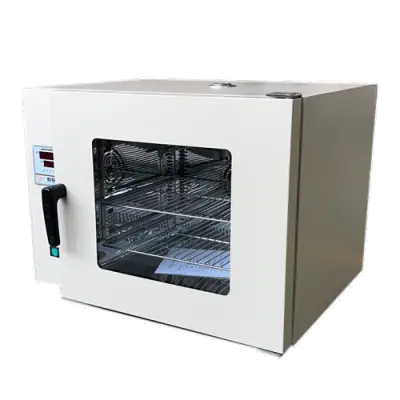
Desktop air blower dryer
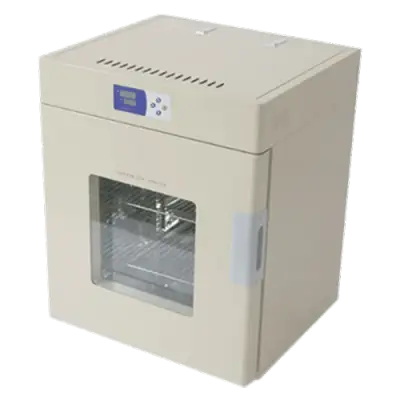
circulation oven
TENCAN Sintering Series: Drying, Heat Treatment and Powder Sintering Equipment
The TENCAN Sintering Series is designed for drying, thermal treatment, vacuum processing, controlled atmosphere heating and powder sintering in laboratory, pilot and material research applications. In powder processing, thermal equipment plays a key role after crushing, grinding, sieving, mixing and press forming. Powders, granules or pressed compacts often need to be dried, calcined, annealed, pre-sintered or sintered under controlled temperature conditions to achieve the required physical, chemical and mechanical properties.
Sintering is a critical process in powder metallurgy, advanced ceramics, hard alloys, electronic materials, battery materials, catalysts, dental materials, 3D printing post-processing and new material research. During heating, particles bond together through diffusion, recrystallization, grain growth and densification. The final material properties, such as density, hardness, strength, conductivity, magnetic behavior and thermal stability, are closely related to the sintering temperature curve, atmosphere, holding time and cooling method.
TENCAN provides a practical range of thermal processing equipment, including forced-air drying ovens, desktop drying ovens, precision drying ovens, vacuum drying ovens, microwave vacuum drying ovens, vacuum freeze dryers, muffle furnaces, vacuum tube furnaces and vacuum atmosphere furnaces. These products support different process stages from moisture removal and low-temperature drying to high-temperature sintering and atmosphere-protected heat treatment.
Why Choose TENCAN Sintering Series?
TENCAN focuses on complete powder processing solutions. For many users, material preparation does not stop at milling or mixing. A typical workflow may include crushing raw materials, grinding them into fine powder, screening to control particle size, mixing with additives, pressing into a compact and finally drying or sintering the sample. The Sintering Series helps connect the final thermal treatment stage with upstream powder preparation equipment.
The main advantage of the TENCAN Sintering Series is process coverage. Drying ovens are suitable for moisture removal, sample drying, constant-temperature treatment and thermal stability testing. Vacuum drying equipment is suitable for heat-sensitive, easily oxidized or easily decomposed materials. Freeze dryers are used for low-temperature dehydration of biological, pharmaceutical, food and chemical samples. Muffle furnaces are suitable for high-temperature sintering, ashing, annealing and ceramic processing. Tube furnaces and atmosphere furnaces are suitable for vacuum or protective atmosphere processing.
Another advantage is application flexibility. Different materials require different temperature ranges and heating environments. Ceramic powders may need high-temperature sintering. Battery materials may require drying or heat treatment under protective atmosphere. Metal powders and hard alloys may require vacuum or reducing atmosphere conditions. Heat-sensitive organic or biological materials may require vacuum drying or freeze drying. TENCAN can help users select suitable equipment according to material type, temperature requirement, atmosphere condition and batch size.
Forced-Air Drying Ovens for Routine Drying and Heat Treatment
Forced-air drying ovens are commonly used for laboratory and industrial drying, baking, heat treatment, sterilization and constant-temperature testing. TENCAN provides vertical, desktop and precision forced-air drying ovens for different space and capacity requirements.
The vertical forced-air drying oven adopts electric heating and a forced hot-air circulation system. It is suitable for drying, baking, heat treatment, sterilization and constant-temperature adaptability tests. The structure is designed to provide larger chamber capacity while saving floor space, making it suitable for users who process more samples but still need compact installation.
The desktop forced-air drying oven is suitable for laboratories, colleges, research institutes and industrial testing departments. It is commonly used for drying glassware, dehydrating samples, drying chemical reagents, sterilizing laboratory tools, aging electronic components and drying chemical raw materials. Its compact structure and convenient operation make it suitable for routine sample preparation.
The precision forced-air drying oven is designed for applications with stricter temperature uniformity requirements. It can be used for electronic components, rubber, plastics, decorative materials, high-performance materials and scientific research testing. For materials that are sensitive to temperature fluctuation, better temperature control helps improve repeatability and reduce process variation.
Vacuum Drying Oven for Heat-Sensitive and Oxidation-Sensitive Materials
The vacuum drying oven is suitable for drying powders, samples and containers under low-pressure conditions. Compared with ordinary hot-air drying, vacuum drying can reduce the boiling point of moisture or solvent and help dry materials at lower temperatures. This is useful for heat-sensitive, easily decomposed or easily oxidized materials.
This equipment is widely used in biochemistry, chemical processing, pharmaceuticals, medical research, agriculture, environmental protection and laboratory sample preparation. It is especially suitable for materials that should avoid oxygen exposure during heating. Under vacuum or inert gas conditions, oxidation risk can be reduced and drying efficiency can be improved.
For powder processing users, vacuum drying is often used after wet grinding, wet mixing, solvent treatment or washing. It helps remove moisture or solvent before the material enters sieving, pressing or sintering. Stable drying can reduce agglomeration, improve powder flowability and improve later forming or sintering behavior.
Microwave Vacuum Drying Oven for Fast Low-Temperature Drying
The microwave vacuum drying oven combines microwave heating with vacuum conditions. Microwave energy heats the material internally, while vacuum lowers the drying temperature and supports faster moisture removal. This method is useful for high-value, heat-sensitive or difficult-to-dry materials.
It can be used in food engineering, pharmaceutical engineering, biological engineering, chemical engineering, material engineering and agricultural product processing. It is suitable for dehydration, drying and sterilization of health products, foods, medicinal materials, fruits, vegetables and chemical raw materials. It can also be used for low-temperature concentration, removal of crystal water and drying of enzyme preparations.
Compared with conventional drying methods, microwave vacuum drying can shorten drying time and improve drying uniformity when the process is properly matched to the material. For laboratories that need fast sample preparation and controlled drying conditions, it provides a useful option.
Vacuum Freeze Dryer for Low-Temperature Dehydration
The vacuum freeze dryer removes moisture by freezing the material and then allowing ice to sublimate under low temperature and low pressure. This method is suitable for materials that may lose activity, structure or quality under high-temperature drying.
It is commonly used in biological research, medical and pharmaceutical applications, chemical materials, food processing and university laboratories. It can also be used for strain preservation and sample preservation. For temperature-sensitive materials, freeze drying can help maintain structure, activity and appearance better than high-temperature drying.
In powder processing and material research, freeze drying is often used after solution preparation, precipitation, dispersion or wet synthesis. It can help convert wet samples into dry powder while reducing thermal damage. This is useful for catalysts, biological samples, nano-materials, pharmaceutical intermediates and special chemical materials.
Muffle Furnace for High-Temperature Sintering and Ashing
The muffle furnace is a high-temperature box furnace used for sintering, ashing, calcination, annealing, oxidation and heat treatment. It is widely used in universities, research institutes, industrial laboratories, powder metallurgy, ceramic processing, dental material processing and quality inspection.
A muffle furnace has an independent heating chamber that separates the sample from the heating elements. This helps reduce direct contamination and provides a controlled heating environment. It is suitable for sintering ceramic powders, pre-sintering zirconia discs, annealing metal materials, heat treating powder metallurgy samples and conducting high-temperature material tests.
For users who work with pressed powder samples, the muffle furnace is often used after press forming. A powder compact can be placed into the furnace for sintering or pre-sintering to improve density, strength and final performance. Temperature program control, heating rate, holding time and cooling method are important process factors.
Vacuum Tube Furnace for Protective Atmosphere and Research Processes
The vacuum tube furnace is suitable for vacuum sintering, atmosphere-protected sintering, annealing, heat treatment, CVD experiments, vacuum coating experiments and material composition testing. It is commonly used in rare earth preparation, electronic lighting materials, crystal annealing, bioceramics, electronic ceramics, special alloys, magnetic materials, precision casting and metal heat treatment.
Unlike a box-type muffle furnace, a tube furnace uses a tubular chamber and is easier to connect with gas flow and vacuum systems. This structure is suitable for processes that require protective gas, reactive gas, vacuum environment or continuous gas flow. It is widely used in research laboratories because it can support many experimental atmospheres and temperature programs.
For advanced materials such as electronic ceramics, magnetic materials, catalysts, carbon materials and alloy powders, the furnace atmosphere can strongly affect the final result. A vacuum tube furnace helps users control oxygen exposure, gas flow and heating environment more precisely.
Vacuum Atmosphere Furnace for Controlled Atmosphere Sintering
The vacuum atmosphere furnace is designed for high-temperature treatment under vacuum or controlled gas atmosphere. It can be used for protective atmosphere sintering, annealing, bright quenching, normalizing, carburizing, carbonitriding and other heat treatment processes.
This type of furnace is especially useful when the material reacts easily with air or when the process requires a specific gas atmosphere. By controlling sealing, gas supply, furnace pressure and temperature program, users can create a more suitable environment for metal powders, ceramics, hard alloys, magnetic materials and other advanced materials.
Compared with ordinary high-temperature furnaces, a vacuum atmosphere furnace provides better atmosphere control and helps reduce oxidation, contamination and unstable thermal reactions. It is suitable for users who require higher process control and more demanding material performance.
Key Application Fields
The TENCAN Sintering Series is widely used in powder metallurgy, advanced ceramics, hard alloys, new energy materials, electronic materials, magnetic materials, catalysts, dental materials, 3D printing post-processing, chemical engineering, food processing, pharmaceuticals, biological research and university laboratories.
In powder metallurgy, thermal equipment is used for drying powder, removing binders, sintering green compacts and heat treating metal components. In ceramic processing, furnaces are used for calcination, pre-sintering and sintering of ceramic powders and formed samples. In new energy materials, drying ovens and atmosphere furnaces support battery powder drying, thermal activation and atmosphere-protected processing. In scientific research, tube furnaces and muffle furnaces are used for material synthesis, annealing and high-temperature testing.
For biological, pharmaceutical and food applications, vacuum drying, microwave vacuum drying and freeze drying provide different drying methods according to material sensitivity. For industrial quality control, muffle furnaces and drying ovens help support ash testing, moisture testing, aging tests and thermal stability evaluation.
Difference from Grinding, Mixing and Press Forming Equipment
Sintering and thermal processing equipment has a different role from mechanical powder processing equipment. Crushers reduce large materials into smaller particles. Ball mills and other grinding machines refine materials into fine powders. Sieving equipment separates particles by size. Mixing equipment improves formula uniformity. Press forming equipment compresses powder into a shaped compact. Sintering equipment applies controlled heat to change the structure and properties of the material.
These processes often work together. A ceramic material may be crushed, milled, sieved, mixed with additives, pressed into a sample and then sintered in a muffle furnace or atmosphere furnace. A battery material may be wet processed, dried in a vacuum drying oven, calcined in a furnace and then ground again to achieve the desired particle structure. A 3D printed part may require drying, debinding, sintering or annealing after forming.
Understanding the full workflow helps users avoid process mismatch. If the powder is not dry enough, pressing and sintering may be unstable. If particle size is not uniform, sintering shrinkage may vary. If the atmosphere is not controlled, oxidation or decomposition may occur. Therefore, thermal equipment should be selected together with upstream powder preparation and downstream testing requirements.
Selection and Customization Support
Selecting the right sintering or drying equipment depends on material type, process temperature, atmosphere requirement, sample size, batch volume, heating rate, holding time, cooling method, vacuum level and chamber size. Users should also consider whether the material is heat-sensitive, oxidation-sensitive, moisture-sensitive, solvent-containing or reactive under air.
For drying applications, the main selection factors include drying temperature, chamber volume, sample load, drying speed, vacuum requirement and whether the material can tolerate hot-air circulation. For high-temperature applications, users should consider maximum temperature, continuous working temperature, temperature uniformity, atmosphere control, furnace chamber size, heating element type and safety protection.
TENCAN can provide equipment selection support according to actual process needs. Users can provide raw material name, sample form, moisture or solvent content, target temperature, required atmosphere, batch size, expected process time and whether the material will be pressed before sintering. Based on this information, TENCAN can recommend suitable drying ovens, vacuum drying ovens, freeze dryers, muffle furnaces, tube furnaces or atmosphere furnaces.
The TENCAN Sintering Series helps users complete the thermal processing stage of powder preparation and material research. Whether the requirement is routine drying, vacuum dehydration, low-temperature freeze drying, high-temperature sintering, atmosphere-protected annealing or advanced material heat treatment, TENCAN can provide practical equipment solutions for laboratory, pilot and production-oriented applications.
FAQ
-
What is a Vertical Tube Furnace? A High-Temperature Heating Device for Controlled Atmosphere Sintering and Thermal Processing
A vertical tube furnace is a specialized high-temperature heating device designed for controlled atmosphere sintering, annealing, and thermal processing in laboratory and industrial research. Featuring a vertically oriented quartz or ceramic tube, it enables precise temperature control and uniform heating under vacuum, inert gas, or reactive atmospheres. This article explains its core function, working principle, key components, performance indicators, and typical applications in materials science, powder metallurgy, and advanced ceramics processing.
MORE >> -
What is Box-Type Atmosphere Furnace? A Thermal Processing Equipment for Controlled Atmosphere Sintering and Heat Treatment
Learn what a Box-Type Atmosphere Furnace is, how it works, its key features, and selection tips. This guide explains the controlled atmosphere sintering, annealing, and heat treatment processes for materials like ceramics, metals, and powders in research and industry.
MORE >> -
What is a Vacuum Tube Furnace? A Precision Tube Heating Equipment for High-Temperature Material Processing and Atmosphere Sintering
A vacuum tube furnace is a specialized laboratory heat treatment device that uses a tubular heating chamber and vacuum or controlled atmosphere environment to sinter, anneal, and process materials at high temperatures. This article explains its working principle, types, key performance indicators, and selection tips for researchers and engineers.
MORE >> -
What is a Muffle Furnace? A Professional High-Temperature Sintering and Heat Treatment Equipment for Laboratory and Industrial Use
A muffle furnace is a vital piece of equipment for high-temperature processes like sintering, ashing, and heat treatment in materials science, ceramics, and metallurgy. This article explains its working principle, types, key performance indicators, and selection criteria to help researchers and engineers choose the right muffle furnace for their applications.
MORE >> -
What is a Vacuum Tube Furnace? A High-Temperature Tubular Furnace for Material Processing Under Controlled Atmosphere
A vacuum tube furnace is a specialized thermal processing device that combines a tubular heating chamber with a vacuum and atmosphere control system. It is widely used in laboratories and industries for sintering, annealing, CVD, and heat treatment of materials under high temperature and controlled atmosphere. This article explains its working principle, types, key specifications, and selection tips.
MORE >> -
What is a Horizontal Tube Furnace? A High-Temperature Thermal Processing Equipment for Material Synthesis and Sintering
Discover the essential role of horizontal tube furnaces in material science and industrial production. This guide explains their working principle, key types, performance parameters, and selection tips for labs and factories.
MORE >> -
What is a Vertical Tube Furnace? A High-Temperature Tube Furnace for Fast Quenching and Controlled Atmosphere Sintering
Discover the definition, working principle, and key features of a vertical tube furnace. This guide explains how it achieves rapid heating and quenching under vacuum or inert gas, its core components, performance indicators, and selection tips for laboratory and industrial thermal processing applications.
MORE >> -
What is a Rotary Tube Furnace? A Thermal Processing Equipment for Continuous Powder Calcination and Sintering
A rotary tube furnace is a specialized thermal processing tool designed for continuous calcination, sintering, and heat treatment of powder materials under controlled atmospheres. This article explains its core principles, key components, performance metrics, and selection criteria to help researchers and engineers understand its role in advanced material synthesis.
MORE >> -
What is a Horizontal Tube Furnace? A Precision Heating Equipment for Controlled Atmosphere and Vacuum Thermal Processing
A horizontal tube furnace is a specialized thermal processing device used for sintering, annealing, and heat treatment under controlled atmospheres or vacuum. It features a horizontal quartz or ceramic tube, PID temperature control, and programmable heating profiles, making it ideal for materials research, ceramics, and metallurgy.
MORE >> -
What is a Horizontal Tube Furnace? A Professional Heating Equipment for High-Temperature Material Processing in Controlled Atmospheres
A horizontal tube furnace is a specialized heating device used for high-temperature material processing, sintering, annealing, and synthesis under controlled atmospheres or vacuum. This article explains its working principle, key components, performance indicators, and selection tips for laboratory and industrial applications.
MORE >>
Get In Touch
Our professional team will reply to you within one business day. Please feel free to contact us!