

What Is a Portable Tissue Grinder? A Compact Tool for Lab Sample Homogenization
What Is a Portable Tissue Grinder?
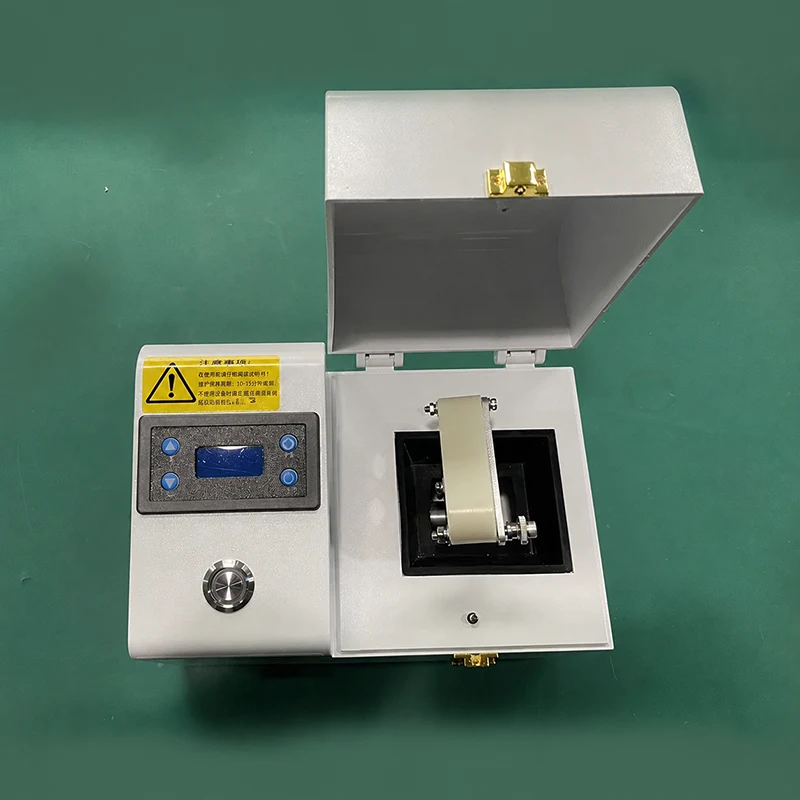
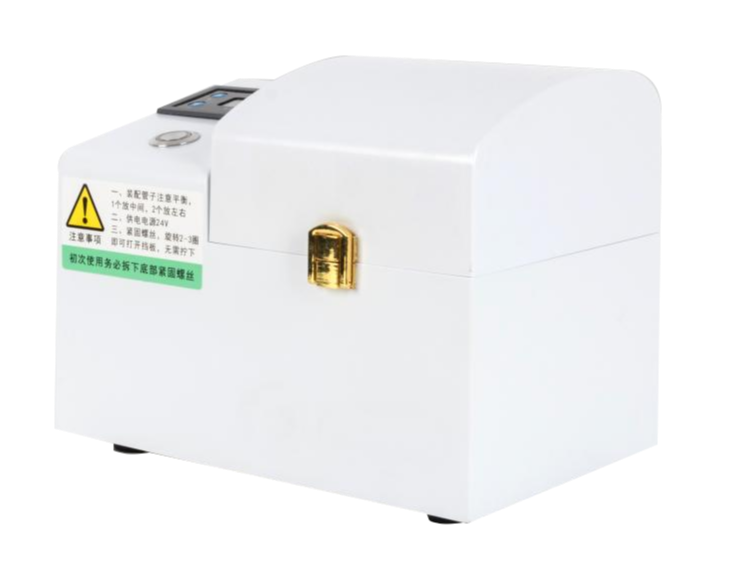
A portable tissue grinder is a compact laboratory instrument that turns a small piece of biological tissue into a uniform homogenate. It is light enough to be carried by hand and works with small sample volumes in short cycles. Typical users are molecular biology laboratories, pathology units, food testing teams and teaching laboratories. The device is used before nucleic acid extraction, protein assays and enzyme activity measurement, because these methods need the sample to be opened and dispersed first. More details are on the portable tissue grinder page.
How a Portable Tissue Grinder Works
A Sealed Grinding Tube
Most models use a small closed tube as the grinding chamber. The tissue, a buffer and one or more grinding balls are placed inside. Because the tube stays sealed during the run, the sample remains contained and cross contamination is limited. Tube and ball materials can be matched to the task: stainless steel suits tough samples, while ceramic or polymer parts are better when metal contamination must be avoided.
Bead Beating Motion
The instrument moves the tube at high speed. The grinding balls strike the tissue from many directions, and repeated impact plus the shear of the moving liquid breaks it apart. This is usually called bead beating. Final particle size depends on speed, running time, ball size and sample type. Soft tissue such as liver or brain is easy to process, while fibrous material may need a longer cycle.
Main Advantages of a Portable Design
- Small footprint. The unit fits on a crowded bench or inside a clean hood.
- Low sample consumption. Only a little tissue is needed, which matters for rare samples.
- Short processing time. A cycle takes a few minutes, so analysis can start quickly.
- Good containment. The closed tube protects both the sample and the operator.
Typical Application Areas
Life science laboratories use the device to prepare samples for DNA and RNA extraction, western blotting and enzyme assays, and it handles animal tissue, cultured cells and small plant material. Food and plant scientists use it for residue testing and genetic work on seeds or leaves. Clinical and veterinary laboratories value the sealed format because it limits cross contamination.
Points to Consider When Choosing a Model
- Sample volume. Check that the tube size matches the amount of tissue you usually work with.
- Speed range. Adjustable speed lets hard and soft samples be processed efficiently.
- Materials. Stainless steel, ceramic and polymer options suit different samples.
Summary
A portable tissue grinder is a small but practical tool for turning a little tissue into a uniform homogenate. A sealed tube, high speed motion and grinding balls break the sample quickly and reproducibly while keeping contamination low. Compact, fast and easy to operate, it fits many sample preparation steps in research and testing laboratories. See the product page for one example.
Related Products
Get In Touch
Our professional team will reply to you within one business day. Please feel free to contact us!