

What Is a Multi Channel Tissue Grinder? A Lab Device for Parallel Homogenization
From a practical laboratory perspective, a multi channel tissue grinder is a sample-preparation instrument designed to disrupt multiple tissue samples in parallel and convert them into homogenates suitable for downstream analysis. Instead of processing one tube at a time, it organizes several sample channels within a single workflow so that protocols, motion parameters, and timing can be applied consistently across a batch. Laboratories use it when they need to prepare DNA, RNA, proteins, metabolites, or histology-ready material from animal, plant, or clinical tissue samples with better reproducibility and less hands-on effort.
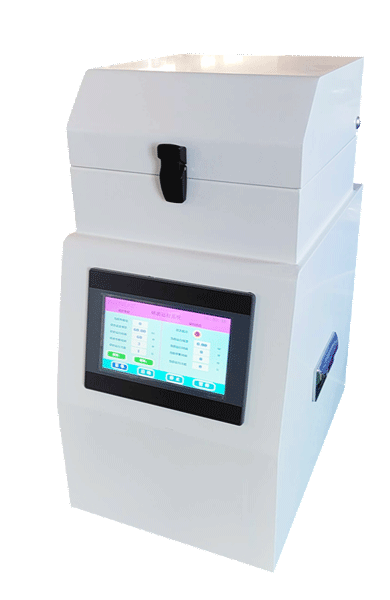
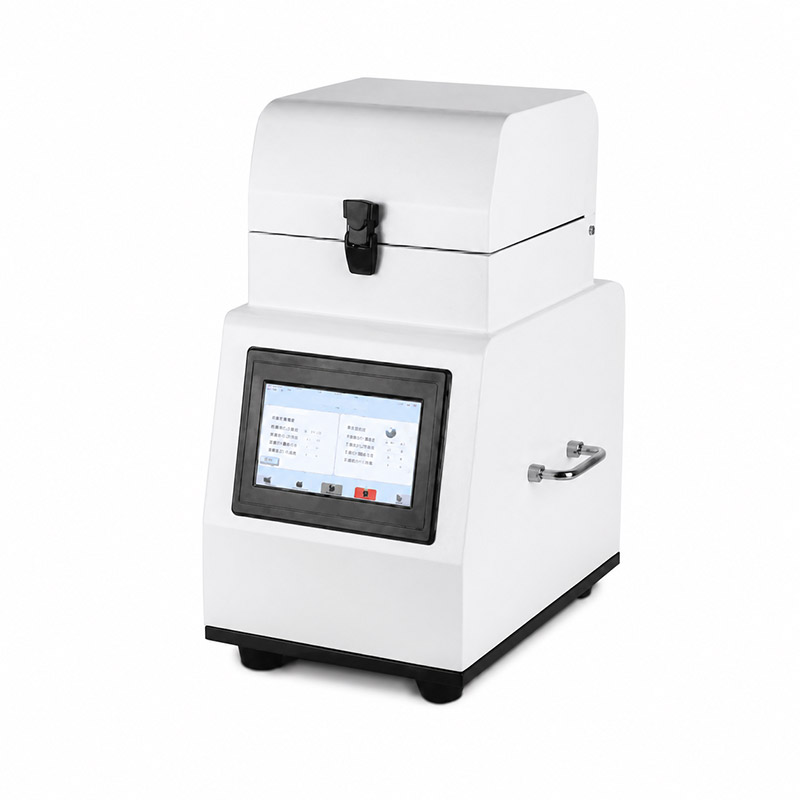
The term “multi channel” refers to the instrument’s ability to handle several independent sample containers or processing positions at once. The exact number of channels, the acceptable tube format, the drive mechanism, and the available cooling options vary by model and should be confirmed in the manufacturer’s specifications. The common purpose, however, is stable: reduce the variability that comes from grinding samples one by one, while protecting sample integrity during mechanical disruption. Readers who want to review a specific configuration can visit the Multi channel tissue grinder product page.
Why Parallel Tissue Homogenization Matters
Tissue homogenization is often a bottleneck in molecular biology, pathology, and analytical laboratories. An intact tissue sample must be broken apart in a controlled way so that cells open, organelles release their contents, and target molecules become accessible to extraction or detection. When samples are processed individually, the operator must repeat the same setup, grinding, cleaning, and timing steps many times. Each repetition introduces small differences in pressure, duration, temperature, or operator technique. In studies involving dozens or hundreds of specimens, those small differences can become a measurable batch effect.
A multi channel tissue grinder addresses this problem by treating the batch as a single controlled run. Samples are loaded into separate channels, the instrument applies a defined motion profile, and all channels experience the same nominal conditions. This does not eliminate biological variability, but it reduces technical variability caused by inconsistent sample preparation. For laboratories comparing gene expression, protein abundance, metabolite profiles, or tissue morphology, that distinction is important. Good homogenization is not merely about breaking tissue quickly; it is about breaking it reproducibly without degrading the molecules that the downstream assay depends on.
The Batch-Effect Problem in Sample Preparation
Batch effects can arise from many sources: different operators, changing room temperature, worn consumables, inconsistent grinding times, or uneven cooling. A parallel grinder helps by making the mechanical disruption step more uniform. It also shortens the time between sample collection and stabilization, which is valuable for sensitive RNA or protein work. Even so, users should validate their own protocol, because tissue type, sample mass, buffer choice, and downstream assay requirements all influence the final homogenate quality.
Core Functions and Working Principle
A multi channel tissue grinder does not perform chemical extraction by itself. Its core function is mechanical disruption: it converts solid or semi-solid tissue into a flowable homogenate or a fine suspension. The instrument provides controlled motion, containment, and often temperature management, while the actual disruption may involve beads, a rotor, a probe, or another grinding element depending on the design. The final particle size and cell disruption efficiency depend on the interaction between the tissue, the grinding medium, the liquid buffer, and the motion parameters.
From Intact Tissue to Homogenate
In a typical workflow, a small piece of tissue is placed into a tube or chamber together with an extraction buffer and, in many systems, grinding beads. The channel is sealed, loaded into the instrument, and subjected to rapid agitation, oscillation, or another mechanical action. The motion drives the grinding medium against the tissue, creating shear, impact, and compression. Cells are disrupted, connective tissue is broken down, and the target molecules are released into the surrounding liquid. After processing, the homogenate may be centrifuged, filtered, or transferred directly to a downstream kit or analytical instrument.
The quality of this transition depends on more than raw speed. If disruption is too gentle, intact cells or tissue clumps may remain, reducing extraction yield. If it is too aggressive, heat, oxidation, or foaming may damage proteins, nucleic acids, or metabolites. A well-designed protocol therefore balances completeness of disruption against preservation of sample integrity. This is why multi channel systems often emphasize repeatability, sealed processing, and temperature control rather than simply maximum agitation speed.
Motion, Grinding Media, and Shear
Many tissue grinders use bead-based disruption because it is scalable to small tubes and parallel formats. The beads transfer kinetic energy to the sample, and their size, density, and material affect the intensity of disruption. Harder or denser beads may break tough tissue more effectively, while smaller or gentler media may be preferable for delicate samples. The buffer also matters: it provides thermal mass, stabilizes pH, and can contain detergents or enzymes that assist lysis. The instrument’s motion profile determines how consistently the beads travel and collide within each channel.
Other configurations may use a rotating element, a reciprocating probe, or a high-shear rotor. In these designs, the tissue is disrupted by local shear and cavitation-like effects near the moving part. The choice between bead-based and rotor-based disruption is a practical one. Bead formats are often convenient for sealed, small-volume parallel processing, while rotor or probe formats may suit larger samples or specific tissue types. Users should match the mechanism to the sample and to the volume and tube format accepted by the instrument.
Key Process Parameters
The most important parameters are usually processing time, motion frequency or speed, sample mass, buffer volume, grinding medium, and temperature. Increasing time or intensity generally improves disruption, but beyond an optimum it may increase heat and degradation. The ratio of tissue to buffer affects viscosity and mixing; too little buffer can make the homogenate difficult to handle, while too much can dilute the target analyte. Pre-cooling the instrument, consumables, and buffers is common for heat-sensitive work. For any new tissue type, a small pilot run with several conditions is more reliable than copying a protocol blindly.
Main Configurations and Types
Multi channel tissue grinders are not a single fixed design. They differ in how motion is generated, how samples are contained, how many channels are available, and how temperature is managed. The categories below describe common approaches rather than a strict product taxonomy. Buyers should confirm the actual configuration, compatible consumables, and validated protocols with the supplier.
Bead-Based Parallel Grinders
Bead-based systems use small grinding beads inside each sample tube or chamber. The instrument shakes, oscillates, or moves the tubes rapidly so that beads collide with the tissue. This approach is well suited to small sample volumes and parallel processing because each tube remains sealed and independent. It can be effective for soft animal tissues, plant material, and microbial pellets, but the optimal bead type and size must be selected experimentally. Cross-contamination risk is low when tubes and beads are properly handled, although sealing and tube quality remain critical.
Multi-Channel Rotor or Probe Systems
Some systems use a rotating cutter, rotor, or probe to create shear near the sample. These designs can process tougher connective tissue or larger pieces, but they may require more careful cleaning between samples and may generate more heat. In a multi-channel format, the engineering challenge is to deliver similar shear conditions to every position. Users should ask how the instrument maintains consistency across channels and whether each channel can be controlled independently or only as a common batch.
Temperature-Controlled and Cryogenic Options
Heat is one of the main enemies of sensitive biomolecules. Many tissue grinders therefore offer cooling, pre-chilling, or operation in a cold environment. Some workflows use cryogenic grinding, in which tissue is frozen and fractured rather than homogenized at room temperature. This can be useful for hard or fibrous samples, but it adds handling complexity and requires appropriate safety precautions. For RNA, enzymes, and thermolabile proteins, temperature control is often a more important selection criterion than maximum throughput.
Manual, Semi-Automated, and Automated Formats
Small laboratories may prefer a compact manual or semi-automated instrument that is easy to place on a bench and simple to operate. Higher-throughput laboratories may value programmable protocols, motorized lids, and data logging. Automation does not automatically improve homogenization quality; it improves consistency and reduces operator time. The right level depends on sample volume, the number of users, and whether the laboratory needs documented run parameters for quality or regulatory purposes.
Core Components and Technology
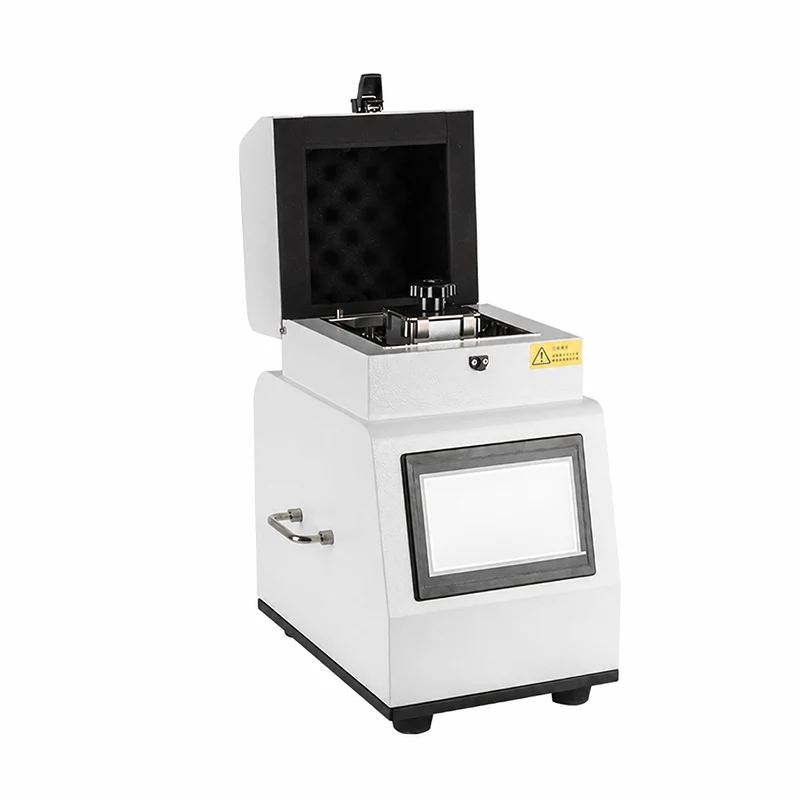
Although details vary, a multi channel tissue grinder generally includes a drive system, sample holders, a control interface, and a containment or cooling system. Understanding these parts helps buyers evaluate reliability and maintenance needs.
Sample Chambers and Sealing
Each channel must hold its sample securely during vigorous motion. Tube fit, cap integrity, and holder alignment are essential. A poor seal can cause leakage, sample loss, or cross-contamination, while an overly tight holder can slow loading and increase operator fatigue. Consumables should be available in the sizes and materials that match the laboratory’s workflow. Users should also check whether tubes can be pre-labeled and whether the holder accommodates the tube volumes commonly used in their protocols.
Drive and Motion Control
The drive determines motion consistency. A stable motor and well-designed control system help ensure that every channel receives a comparable mechanical dose. Programmable settings for time and intensity allow protocols to be repeated, but the instrument should also be easy to stop, inspect, and restart. Laboratories with multiple tissue types may benefit from stored programs, provided the methods are properly validated.
Cooling, Cleaning, and Maintenance
Cooling systems, fans, and heat exchangers require regular inspection. Sample holders and accessible surfaces should be easy to clean, and parts that contact samples should be compatible with the laboratory’s decontamination procedures. Before purchase, ask about replacement parts, consumable lead times, calibration requirements, and service support. A grinder is a routine benchtop tool; downtime can delay an entire batch, so practical serviceability matters as much as advanced features.
Key Performance Indicators and Selection Points
Selecting a multi channel tissue grinder requires balancing sample type, throughput, sensitivity, and budget. The following indicators are useful for comparing systems without relying on marketing claims alone.
Throughput and Channel Capacity
Throughput should be judged in complete sample-preparation cycles, not only in channels per run. Loading, sealing, cooling, cleaning, and data handling all take time. A system with many channels may still be inefficient if it is difficult to load or if it requires long cooling periods. Laboratories should estimate their typical batch size and peak demand, then choose a configuration that fits both without excessive unused capacity.
Homogenization Consistency and Recovery
Consistency is the main reason to choose a multi channel design. Ask how the instrument maintains uniform motion across positions and whether users have reported channel-to-channel variation for similar tissues. Recovery of nucleic acids or proteins should be validated with the laboratory’s own downstream assay. A grinder that produces a visually uniform homogenate may still be unsuitable if it degrades sensitive targets, so molecular recovery matters more than appearance.
Temperature Management
Check whether cooling is passive, active, or achieved by pre-chilling. Consider the heat generated during the longest protocol the laboratory expects to run. For sensitive samples, temperature monitoring or a validated cold workflow may be necessary. Users should also consider condensation, ice buildup, and the practical time needed to bring the instrument to a stable working temperature.
Automation and Programmability
Programmable protocols reduce operator variability, especially when several people share the instrument. Useful features include clear parameter entry, saved methods, error alerts, and a locking or interlock system for safe operation. However, automation should not make routine cleaning or sample loading harder. The best interface is one that a new user can follow correctly after brief training.
Maintenance and Consumable Cost
Consider the total cost of ownership: tubes, beads, seals, replacement parts, and service visits. Check whether consumables are single-use or reusable, and whether cleaning procedures are compatible with the laboratory’s contamination controls. A lower purchase price can be misleading if consumables are expensive or if the instrument requires frequent adjustment.
Applications and Selection Advice
Multi channel tissue grinders are used in molecular biology, pathology, genomics, proteomics, metabolomics, plant science, food and feed testing, and environmental sample preparation. They are particularly useful when many small tissue samples must be processed under a common protocol, such as screening animal cohorts, preparing plant leaf material, or homogenizing biopsy-sized specimens. They are not a substitute for validated extraction kits or analytical methods; they are a front-end tool that prepares the sample for those methods.
For a small academic laboratory with varied sample types, a flexible semi-automated system with good temperature control may be more useful than a very high-throughput model. For a core facility or quality-control laboratory, programmability, documentation, and service support may carry more weight. For field or teaching laboratories, simplicity, robust sealing, and low maintenance are often the priority. In every case, users should request a trial protocol or demonstration with their own tissue type, because tissue hardness, lipid content, and fibrous structure strongly affect grinding behavior.
Frequently Asked Questions
Is a multi channel tissue grinder the same as a homogenizer?
It is a type of homogenizer, but the term emphasizes parallel processing across multiple channels. A general homogenizer may process one sample at a time, while a multi channel instrument is designed to apply a common protocol to several samples in one run.
Can it process both animal and plant tissue?
Many systems can, but the protocol and grinding medium may need to change. Fibrous plant material often requires different conditions from soft animal tissue. Validation with the actual sample type is essential.
How do I prevent cross-contamination?
Use intact sealed tubes or chambers, follow the manufacturer’s loading instructions, clean holders between runs, and handle consumables carefully. If the instrument uses reusable parts, establish a validated cleaning procedure.
Does higher speed always mean better homogenization?
No. Beyond an optimum, higher speed can increase heat, foaming, and degradation without improving recovery. The best setting depends on tissue, buffer, medium, and downstream assay.
Where to Learn More
For configuration details, compatible accessories, and current specifications, consult the Multi channel tissue grinder product page. A short consultation with the supplier can help match channel capacity, cooling, and consumables to the laboratory’s actual sample workflow.
Related Products
Get In Touch
Our professional team will reply to you within one business day. Please feel free to contact us!