

What Is a Lightweight Stirred Ball Mill? A Lab-Scale Device for Fine Grinding
What Is a Lightweight Stirred Ball Mill?
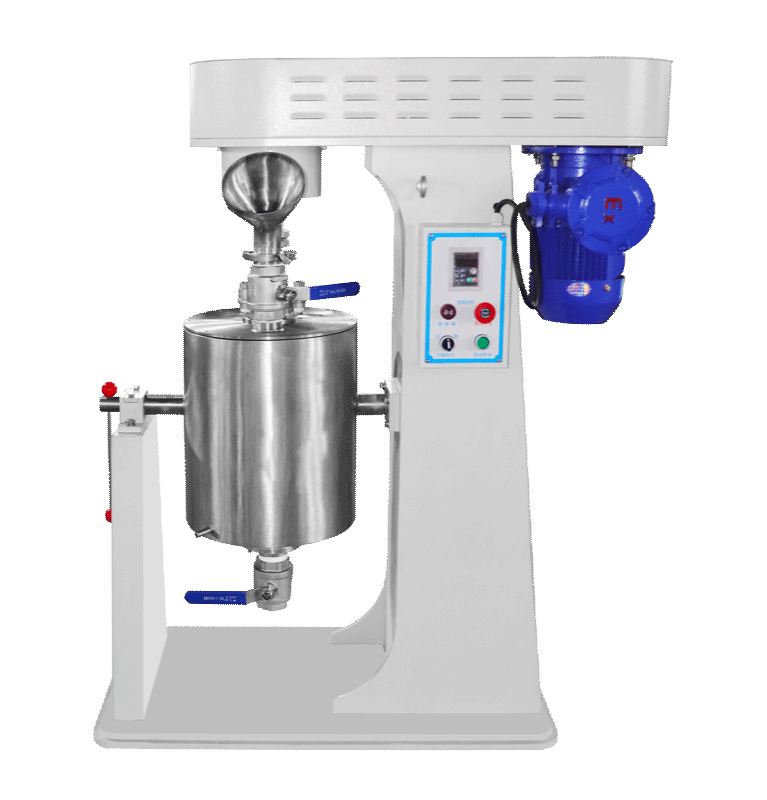
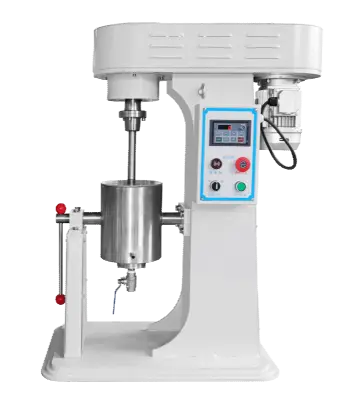
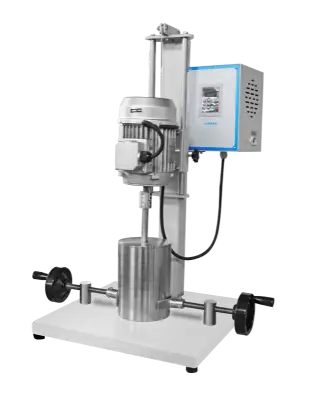
From a practical standpoint, a lightweight stirred ball mill is a compact type of stirred media mill that uses a rotating agitator to energize small grinding media inside a stationary chamber. Instead of relying on a heavy rotating drum to lift and drop large balls, the machine keeps the grinding chamber still and moves the media through a shaft and rotor or pin assembly. This design makes it possible to concentrate energy in a small volume, which is useful for fine grinding, dispersion, deagglomeration, and homogenization of slurries and suspensions. The TENCAN Lightweight Stirred Ball Mill belongs to this family of laboratory and small-batch grinding equipment. It is typically chosen when a user needs a compact machine, a controlled grinding environment, and a practical route from a coarse suspension to a finer and more uniform product.
The word lightweight should not be read as a comment on grinding capability alone. In equipment design, it usually points to a combination of lower machine mass, a smaller footprint, and easier handling or installation than a full production mill. That makes this class of mill attractive for laboratories, pilot plants, materials research, and small-scale production cells where floor space and service access are limited. It is still a real grinding machine: the grinding media, agitator, chamber, motor, seals, and controls all have to work together to deliver repeatable particle size reduction.
How a Lightweight Stirred Ball Mill Works
From Feed Slurry to Fine Product
The feed to a stirred ball mill is normally a liquid-based slurry, paste, or suspension containing solid particles. The material is placed in the grinding chamber together with a charge of small grinding media, such as ceramic beads, zirconia beads, glass beads, or other media selected for the application. The agitator rotates and transfers kinetic energy to the media. The media do not simply fall through the chamber as they would in a conventional tumbling ball mill. Instead, they are pushed, spun, and sheared through the slurry, creating a dense working zone in which particles are repeatedly struck, squeezed, and rubbed between media surfaces and against the agitator and chamber walls.
The result is a gradual reduction in particle size and, in many formulations, an improvement in dispersion quality. Fine grinding in a stirred mill is not only a matter of breaking large particles into smaller ones. It also involves wetting particle surfaces, separating clusters, distributing solids evenly through the liquid, and preventing freshly exposed surfaces from re-agglomerating. The liquid medium carries heat, suspends the solids, and influences how efficiently the media can transfer energy. If the slurry is too thick, the media may not move freely; if it is too thin, the grinding action can become less effective and wear may increase. The useful operating window therefore depends on the solids, the liquid, the additives, and the target fineness.
In batch operation, the slurry remains in the chamber until the desired grind is reached. In recirculation operation, the slurry is pumped through the mill and a holding tank, often with several passes through the grinding zone. Batch operation is straightforward and suits small samples and formulation work. Recirculation can improve uniformity and temperature control because the slurry is repeatedly mixed and returned to a larger volume, but it requires attention to flow rate, residence time, and pump compatibility. Whichever mode is used, the basic principle is the same: the agitator supplies energy, the media concentrate that energy into many small contact events, and the slurry carries the product through the process.
Process Variables That Shape the Result
Several variables determine how quickly a lightweight stirred ball mill reaches a target particle size and how narrow the final distribution will be. Media diameter is one of the most important. Smaller media create more contact points and are often useful for fine grinding, while larger media carry more momentum and can handle coarser feed or more viscous slurries. Media density and hardness affect impact energy and wear. A dense, hard medium can grind aggressively, but it may also increase motor load and contamination risk. The best choice is usually the one that meets the particle size target while keeping wear, heat, and product purity within acceptable limits.
Agitator speed is another central variable. Higher tip speed generally increases energy input and can accelerate size reduction, but it also raises power draw, heat generation, and mechanical wear. There is a point beyond which more speed does not produce a better product and may even promote agglomeration or damage heat-sensitive ingredients. Solids loading and slurry viscosity work in the same practical window. A slurry that is too dilute may waste energy on liquid movement, while an over-concentrated slurry may stall media motion or cause the chamber to block. Grinding time, temperature, fill level, and media-to-material ratio all interact, so reproducible results depend on recording and controlling the full set of conditions rather than adjusting one number in isolation.
Core Components and Design Features
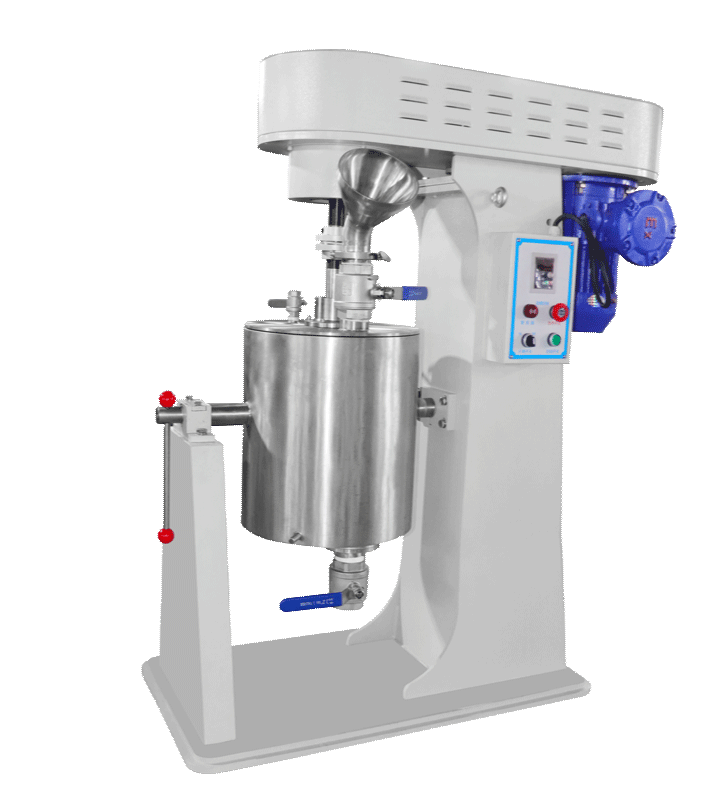
A lightweight stirred ball mill is built around a relatively small number of functional systems. The grinding chamber contains the media and slurry and must resist abrasion and corrosion. The agitator, which may use discs, pins, or another rotor geometry, transfers energy to the media. The drive system provides controlled rotation, while seals keep the slurry inside the chamber and prevent contamination from outside. A cooling jacket or other thermal control feature is common because fine grinding generates heat. Controls may range from simple speed adjustment to programmable recipes, and the frame or enclosure determines how easily the unit can be moved, cleaned, and serviced.
- Grinding chamber: the working volume where media and slurry interact; material choice affects wear life, cleaning, and product purity.
- Agitator and shaft: the rotating element that energizes the media; geometry influences shear, flow pattern, and energy efficiency.
- Grinding media: small beads or balls that create the actual contact events; size, density, and material are application-specific.
- Drive and speed control: sets the energy input and helps reproduce a grinding recipe from batch to batch.
- Sealing and cooling: protects the product and controls temperature during prolonged or high-energy runs.
- Discharge and cleaning access: affects sample recovery, changeover time, and the risk of cross-contamination.
Lightweight construction brings practical benefits, but it does not remove the need for robust mechanical design. The frame must remain stable when the agitator is running, the chamber must be aligned correctly, and the seals must tolerate the chosen slurry and cleaning regime. For laboratory users, easy access to the chamber and simple media separation can matter as much as motor power. For small-scale production, repeatable speed control, dependable cooling, and straightforward maintenance often determine whether the mill fits into a daily workflow.
Common Configurations and How They Differ
Stirred ball mills appear in several configurations, and the right choice depends on batch size, product viscosity, temperature sensitivity, and the need for cleaning between formulations. A vertical batch mill is common in laboratories because it is compact and easy to load and empty. The slurry and media are charged into the chamber, the agitator runs for a set time, and the product is separated from the media at the end. This approach is flexible for small samples and research recipes, but it may require careful media handling and cleaning between products.
A horizontal or recirculation-oriented mill can be more suitable when the slurry must be processed continuously or when temperature rise must be managed by circulating the product through a cooled loop. The grinding chamber may be designed for a controlled residence time, and the flow path can influence how evenly the slurry is treated. In practical selection, the boundary between laboratory and production is not only a matter of volume. A larger mill may need different media, stronger pumping, more cooling, and more elaborate controls. A compact lightweight mill is often used to establish a formulation and a grinding protocol before a larger unit is specified.
The term lightweight also points to installation and mobility considerations. A mill that is easier to move can be shared between laboratories, placed on a bench or a small skid, and brought into service without major site work. The trade-off is that very small machines have less thermal mass and may heat up faster, so cooling and run time need attention. Users should also check how the unit is emptied, how media are retained, and whether wetted parts can be cleaned without dismantling the entire drive section. These details are not cosmetic; they directly affect repeatability and downtime.
Key Performance Indicators and Selection Points
Grinding Target and Particle Size Control
The first selection question is not motor power but the target product. A user should define the desired particle size range, the acceptable width of the distribution, and the sensitivity of the material to heat or contamination. A lightweight stirred ball mill can be an excellent choice for fine and very fine grinding, but performance depends on the media, slurry formulation, and energy dose. Ask whether the goal is true particle size reduction, deagglomeration of an existing powder, or simple mixing. These goals require different media, speeds, and run times. It is also wise to test with the actual formulation rather than a model system, because viscosity, additives, and solids content can change the result significantly.
Capacity, Scale, and Productivity
Capacity should be judged in terms of useful product per batch or per hour, not only chamber volume. A small chamber may suit many research batches but require frequent cleaning; a larger chamber may improve output but need more media, more cooling, and a longer warm-up or cleaning cycle. Users should consider the full workflow: weighing, loading, grinding, media separation, cleaning, and analysis. If the mill is intended for small production, batch-to-batch consistency and changeover time can matter as much as raw grinding speed. The lightweight format is most valuable when it shortens setup and handling without compromising the ability to control the process.
Energy, Heat, and Wear
Fine grinding is energy-intensive by nature. A stirred mill concentrates energy into a small volume, which is why it can achieve fine sizes efficiently, but that concentration also produces heat and wear. Cooling capacity, seal design, and media durability should be reviewed together. Heat-sensitive products may need a lower energy input, shorter runs, or a cooled loop. Abrasive products may require wear-resistant chamber materials and media that do not contaminate the product. The cost of media and replacement parts is part of the operating picture, not an afterthought. A machine that is slightly more expensive to buy but easier to cool, clean, and maintain can be the better long-term choice.
Automation, Cleaning, and Maintenance
Controls range from basic speed adjustment to programmable recipes that store speed, time, and other operating steps. For research groups, recipe storage improves repeatability when several users share a mill. For production, it reduces operator-dependent variation. Cleaning access is equally important. The user should be able to remove media, inspect the chamber, and clean wetted surfaces without damaging seals or trapping residue. Maintenance points include shaft alignment, seal condition, agitator wear, cooling performance, and the condition of the grinding media. A simple maintenance schedule and readily available consumables help keep a lightweight mill productive over its service life.
A practical selection process usually includes a small trial matrix rather than a single test. The user can vary media size, solids loading, agitator speed, and grinding time within a safe operating range, then measure particle size, distribution width, temperature rise, and visual stability. This approach shows which variable has the strongest effect and whether the mill can reach the target without excessive heat or wear. It also creates a record that can be transferred to a larger unit later. Because slurry behavior can change as particles become finer, a test that looks promising at an early stage should be confirmed with a longer run and a realistic cleaning cycle.
Applications and Selection Advice
Lightweight stirred ball mills are used in ceramics, advanced materials, battery and electronic materials, pigments and coatings, pharmaceuticals, food and natural products, geological samples, and other fields where fine particles or stable suspensions are required. In ceramics, they can help prepare slips and ultrafine powders. In coatings and inks, they support pigment dispersion and color development. In battery research, they are used for electrode slurries and active material studies, provided that contamination and temperature are controlled. In pharmaceutical and biological work, the same mechanical principle may be applied to suspension preparation, although cleaning and material compatibility become especially important. The common thread is a need for controlled wet grinding at a scale where a compact machine is practical.
Selection advice can be summarized in a few practical steps. First, define the feed material, liquid, additives, target particle size, and acceptable temperature rise. Second, choose media size and material that match the fineness target and avoid unwanted contamination. Third, confirm that the mill's chamber, seals, and wetted parts are compatible with the slurry and cleaning solvents. Fourth, test the process at a small scale and record speed, time, solids loading, and media charge so the result can be repeated. Finally, compare the full cost of ownership, including media, spare seals, cooling, and downtime. A compact stirred-media mill is a relevant starting point for users who need fine wet grinding and want to review the product details before matching it to a specific formulation.
Where to Learn More
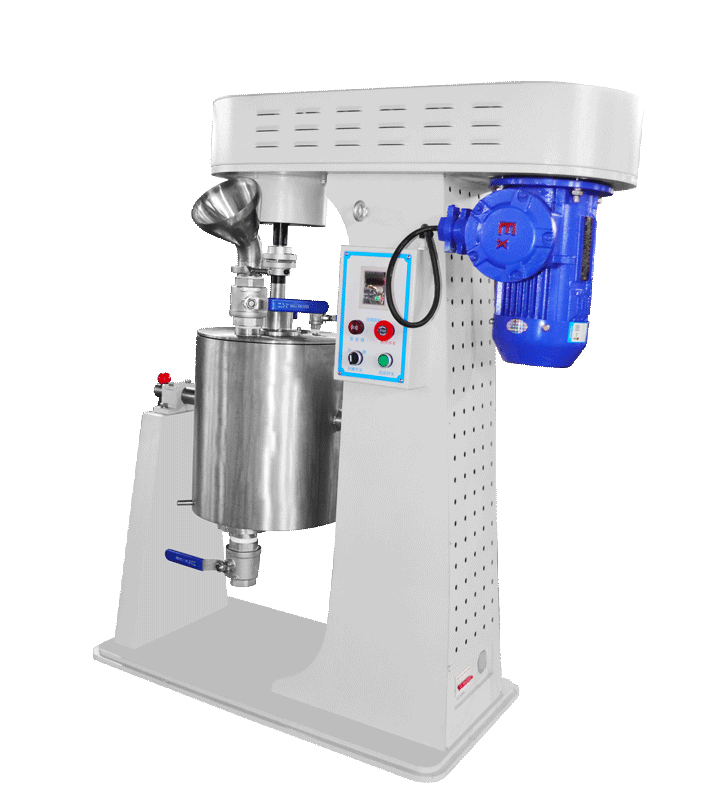
Product specifications, available configurations, and current documentation are best confirmed on the manufacturer's product page. For the model discussed here, visit the Lightweight Stirred Ball Mill product page. A short technical conversation with the supplier about the feed material, target fineness, and cleaning requirements is usually the fastest way to narrow the choice and avoid an oversized or undersized mill.
Related Products
Get In Touch
Our professional team will reply to you within one business day. Please feel free to contact us!