Contact Us
Choose your preferred way to contact our team
Free Quote
Fill out the form to obtain prices and information
Send an Email
Share your needs and concerns
+86 19021571516

Why choose us
Simple ordering, reliable quality, professional support.
Easy Process
Clear communication from product selection to delivery, so your team can move faster.
Quality Assurance
Stable manufacturing, strict inspection, and support for configuration requirements.
Expert Support
Application-oriented advice for planetary ball milling, sample preparation, and scale-up needs.
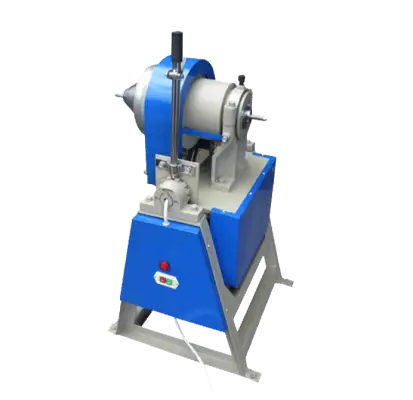
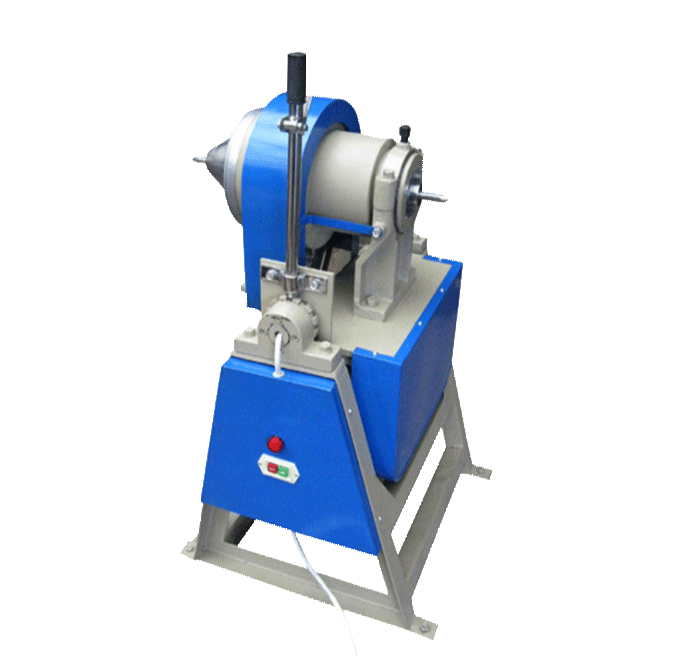
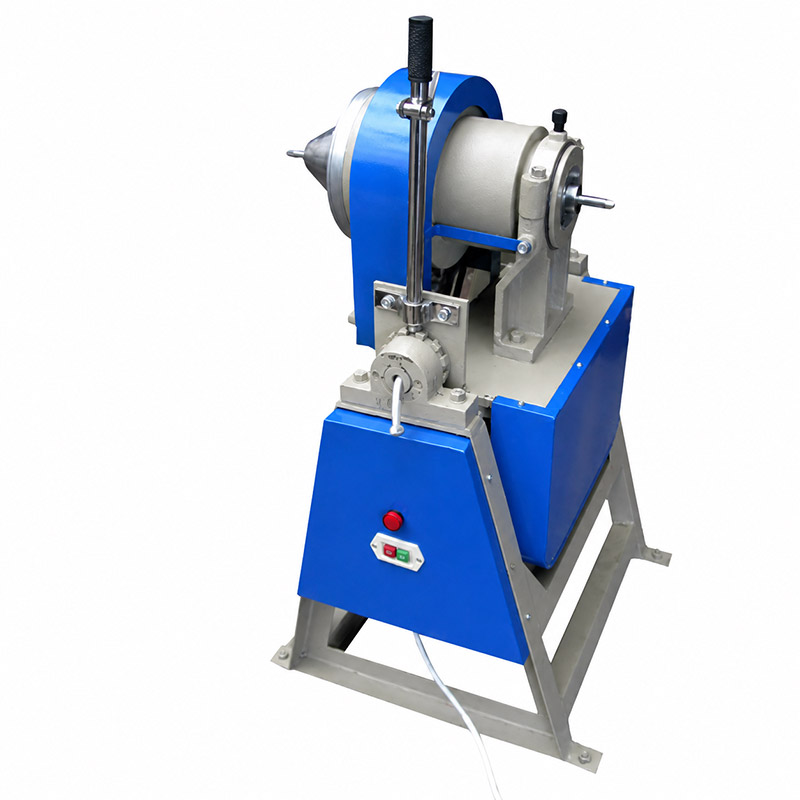
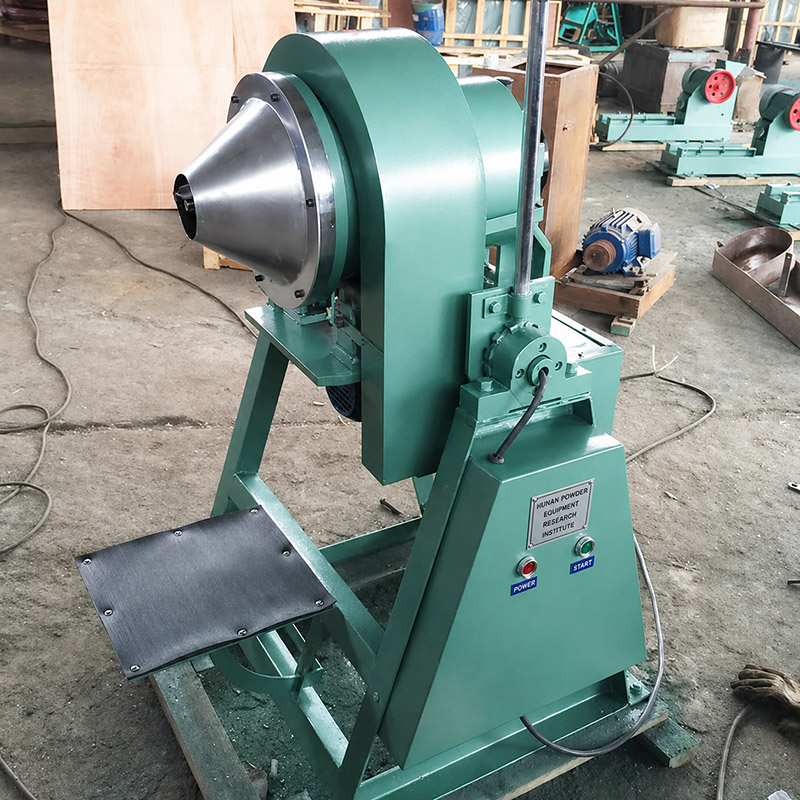
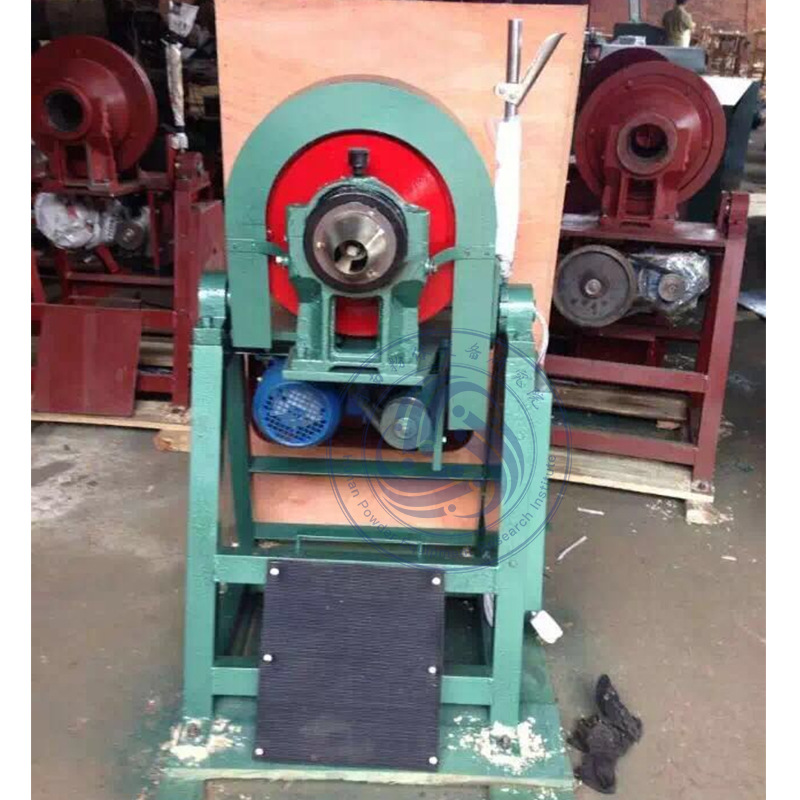
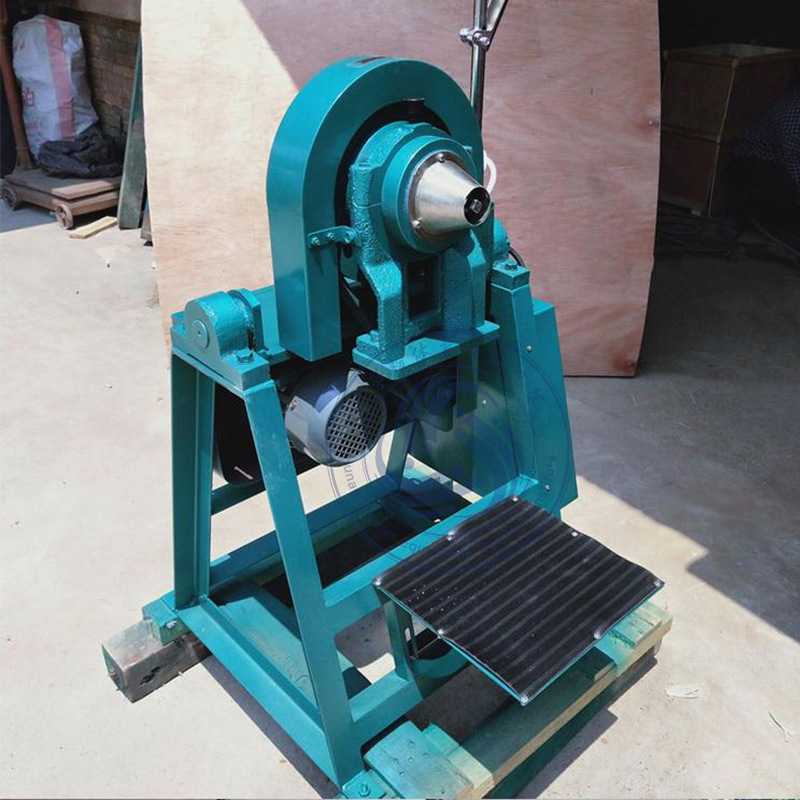
Laboratory rod mill is a kind of grinding equipment specially designed for laboratory research and development and small batch production. It is mainly used to grind ore, ceramics, chemical raw materials and other materials into fine particles or powder state (usually the particle size can reach below 0.074mm). Its core structure includes the mill barrel, grinding media (steel rod), driving device, feeding and discharging system, etc. It supports both dry and wet grinding modes. By rotating the cylinder to drive the steel rod to impact, rub and crush the material, the equipment can achieve efficient and uniform crushing effects and is widely used in fields such as materials science, metallurgy, chemical industry and geological exploration.
Laboratory rod mills mainly serve the following scenarios:
-
Ore analysis : Crush laboratory samples of metallic ores (such as copper, iron, gold ores) and non-metallic ores (such as quartz, limestone) for composition testing or process research.
-
Materials research and development : Preparing ceramic powder, refractory materials, cement clinker, etc. to optimize material properties.
-
Chemical and Pharmaceutical : Process catalysts, drug raw materials or polymer materials to improve reaction efficiency or drug absorption rate.
-
environment and energy : Grinding battery materials (such as lithium battery positive and negative electrode materials), graphene and other new energy-related raw materials.
-
Teaching experiment : Used for material crushing experimental teaching and basic research in universities or scientific research institutions.
Technical parameters
| ModelModel | unit | XMB160*200 | XMB200*240 | XMB240*300 | ||||||
| Tank size | mm | 160/200 | 200/240 | 240/300 | ||||||
| VolumeVolume | L | 4.02 | 7.5 | 13.57 | ||||||
| Grinding Capacity | g | 300-800 | 500-1000 | 1000-5000 | ||||||
| Feeder sizeFeeder size | mm | 2 | 2 | 3 | ||||||
| Output size | mm | 0.074 | 0.074 | 0.074 | ||||||
| Drum speed | r/min | 120 | 110 | 96 | ||||||
| powerpower | kw | 0.25 | 0.55 | 0.55 | ||||||
| Grinding media Rod material | Steel rod diameter D | Mm | 18 | 20 | 15 | 18 | 22 | 15 | 18 | 22 |
| Length L | Mm | 185 | 185 | 225 | 225 | 225 | 286 | 286 | 286 | |
| QuantityQty | rootpcs | 10 | 9 | 17 | 9 | 9 | 33 | 13 | 6 | |
| Weight W | Kg | 3.55 | 4.09 | 4.9 | 4.2 | 4.9 | 12.7 | 7.48 | 5 | |
| Dimension size | mm | 1052*530 *1160 | 1052*530 *1160 | 1052*530 *1160 | 1052*615 *1160 | 1052*615 *1160 | 1052*615 *1160 | 1052*615 *1160 | 1052*615 *1160 | |
| WeightWeight | kg | 91 | 91 | 150 | 150 | 150 | 162 | 162 | 162 | |
-
Select according to material characteristics :
-
Hardness and humidity : High-hardness ores need to be equipped with high-power motors (such as 0.55kW or above) and wear-resistant steel rods; For wet materials, wet grinding machines should be preferred and the drainage system should be ensured.
-
Granularity requirements : When the target particle size is ≤0.074mm, choose a model with a higher cylinder speed (such as 120r/min) and a smaller grinding media diameter.
-
-
Select by processing capacity :
-
Small batch experiments : Small equipment with a volume of 4-14L (processing capacity 300-5000g), adapted to laboratory space and low energy consumption requirements.
-
Pilot scale scale-up : Choose a model with parameters close to those of industrial equipment (such as cylinder diameter ≥ 200mm) to ensure that the experimental results can be reproduced.
-
-
Additional functionality considerations :
-
Automation control : Models equipped with PLC or touch screen operation interface are preferred, supporting parameter presetting and data recording.
-
Pollution prevention needs : If handling sensitive materials (such as medicine, food), choose stainless steel cylinder or ceramic lining.
-
-
Maintenance and economy :
-
Compare the equipment energy consumption (kW·h/kg) and the replacement cycle of wearing parts (such as steel rods and lining plates), and choose a model with low maintenance cost and long life.
-
The cylinder is driven to rotate by the motor through the reducer and the surrounding large gear reduction transmission, or by the low-speed synchronous motor directly through the surrounding large gear reduction transmission. The cylinder is equipped with appropriate grinding media - steel rods. The grinding medium is lifted to a certain height under the action of centrifugal force and friction, and then falls down in a falling or leaking state. The ground material continuously enters the inside of the cylinder through the ore feeding port, is crushed by the moving grinding medium, and is discharged out of the machine through overflow and continuous ore feeding force for the next step of operation. Laboratory rod mills are widely used in cement, silicate products, new building materials, refractory materials, fertilizers, black and non-ferrous metal mineral processing, glass and ceramics and other production industries to dry or wet grind various ores and other grindable materials.
-
Feeding and starting : Material enters the cylinder through the feeding port, and the motor is started to drive the cylinder to rotate.
-
grinding process :
-
When the cylinder rotates, the steel rod is lifted to a certain height under the action of centrifugal force and friction and then dropped or released, causing impact and friction on the material, gradually crushing it to the target particle size.
-
-
Disposal and circulation :
-
The crushed materials are discharged through overflow discharge or screen filtration, and the particles that do not meet the standards can be recycled and ground until they meet the requirements.
-
-
Temperature control and protection : Some models are equipped with a cooling system to prevent heat-sensitive materials from degrading due to friction and heating.
-
Efficient grinding and uniformity :
-
Steel rods are used as grinding media to achieve selective crushing through line contact, reducing over-crushing and ensuring uniform product particle size.
-
Supports wet and dry use, wet grinding can reduce dust pollution and improve fineness control.
-
-
Flexible adaptability :
-
The cylinder speed is adjustable (common range is 96-120r/min), adapting to the needs of materials with different hardness and granularity.
-
Some models support the interchangeability of steel rods and steel balls, and have the functions of both rod mills and ball mills.
-
-
Easy operation and low maintenance :
-
Modular design makes it easy to disassemble, clean and replace the grinding media.
-
Equipped with frequency conversion speed regulation technology to simplify the operating process and reduce energy consumption.
-
-
Safety and environmental protection :
-
The sealed structure reduces dust leakage and is suitable for clean laboratory environments.
-
The motor overload protection function ensures operational safety.
-
Parameters
| Model | XMB |
|---|---|
| Grinding Jar Capacity | |
| Feed Size | |
| Output Size | |
| Speed | |
| Power | |
| Voltage | |
| Dimensions | |
| Weight | 0 |
Related Videos
The trusted choice of industry leaders
FAQ
-
What is a Low Temperature Planetary Grinding Machine? A Specialized Ball Mill for Cryogenic Grinding of Heat-Sensitive Materials
A low temperature planetary grinding machine is a specialized planetary ball mill designed for cryogenic grinding, enabling fine milling of heat-sensitive, volatile, or biological materials without thermal degradation. This article explains its working principle, key components, performance indicators, and application areas, helping researchers and engineers select the right equipment for low-temperature powder processing.
MORE >> -
What is a Jar Mill with 8 Working Station? A High-Efficiency Grinding Equipment for Multi-Sample Laboratory Powder Processing
Learn about the jar mill with 8 working station, a versatile drum ball mill designed for simultaneous grinding of multiple samples in laboratories. This article covers its definition, working principle, key components, performance indicators, application fields, and selection tips for efficient powder processing.
MORE >> -
What is a Zirconia Grinding Ball? A High-Performance Grinding Medium for Ultra-Fine Powder Preparation in Ball Mills and Sand Mills
Discover the essential role of zirconia grinding balls in ultra-fine powder processing. This FAQ guide explains their composition, working principles, types, key performance indicators, and selection tips for industries like lithium batteries, ceramics, and pharmaceuticals. Ideal for engineers and procurement professionals.
MORE >> -
What is a Micro-computerized Touch Screen Planetary Ball Mill? A High-Precision Grinding Equipment for Laboratory Powder Processing
A micro-computerized touch screen planetary ball mill is a high-energy grinding system designed for ultra-fine size reduction, mixing, and homogenization of powders in research laboratories. This compact device uses planetary motion to generate powerful impact, shear, and friction forces, enabling particle refinement down to the nanometer scale. Its advanced touch interface and programmable logic allow precise control over speed, run time, and grinding cycles. Ideal for materials science, chemistry, geology, and pharmaceuticals, this mill offers superior reproducibility and user-friendly operation. Explore how it transforms coarse solids into fine powders efficiently.
MORE >> -
What is a Stainless Steel Vibration Crusher? A Sanitary Fine Grinding Mill for Ultra-Fine Powder Processing
Discover the stainless steel vibration crusher, a hygienic vibratory mill designed for ultra-fine grinding of dry and wet materials in pharmaceutical, food, and chemical labs. This product overview covers working principles, key features, performance indicators, and selection tips to help you choose the right mill for your powder processing needs.
MORE >> -
What is an Electric Lifting Stirred Ball Mill? A High-Efficiency Grinding Equipment for Fine and Ultra-Fine Powder Processing
The electric lifting stirred ball mill is a specialized grinding device that uses a rotating agitator to drive grinding media for fine and ultra-fine milling. It features an electrically operated lifting mechanism for easy jar installation and cleaning. Ideal for wet or dry grinding of ceramics, chemicals, minerals, and battery materials, it combines high energy efficiency with precise particle size control, suitable for both R&D and small-batch production.
MORE >> -
What is a Horizontal Light-Duty Ball Mill? A Laboratory Grinding Equipment for Small-Batch Fine Powder Processing
A horizontal light-duty ball mill is a compact, bench-top grinding machine designed for small-scale laboratory use. It rotates a horizontal jar filled with grinding media and material, using impact and abrasion to reduce particle size. Ideal for research, quality control, and small-batch production of powders in materials science, chemistry, and mining.
MORE >> -
What is a Stainless Steel Roll Mill Jar? A Durable Grinding Container for Contamination-Free Powder Processing in Roll Ball Mills
A stainless steel roll mill jar is a robust, corrosion-resistant grinding container designed for roll ball mills used in powder metallurgy, battery materials, and chemical processing. This article explains its working principle, key features, selection criteria, and common applications, helping you choose the right jar for contamination-free, high-efficiency milling.
MORE >> -
What is a Vertical Production Planetary Ball Mill? A High-Volume Grinding Equipment for Industrial Powder Processing
Discover the vertical production planetary ball mill, a powerful industrial milling solution designed for large-scale fine grinding and nano-powder preparation. This article explains its working principle, key performance indicators, selection criteria, and common applications in materials science, mining, ceramics, and more.
MORE >> -
What is Corundum Grinding Ball? A High-Hardness Ceramic Grinding Media for Contamination-Free Milling in Ball Mills
Corundum grinding balls are high-purity alumina ceramic balls used as grinding media in ball mills, planetary mills, and vibratory mills. They offer extreme hardness, wear resistance, and chemical inertness, making them ideal for grinding vitreous silica, ceramics, glass, and other materials where contamination from metal ions must be avoided. This article explains the structure, working principle, key performance indicators, and selection criteria for corundum grinding balls, helping users choose the right media for their powder processing applications.
MORE >>
Get In Touch
Our professional team will reply to you within one business day. Please feel free to contact us!
Related Products
Related Articles