

What is a Large Roll Ball Mill? A Heavy-Duty Grinder for Bulk Powder Processing
What Is a Large Roll Ball Mill?
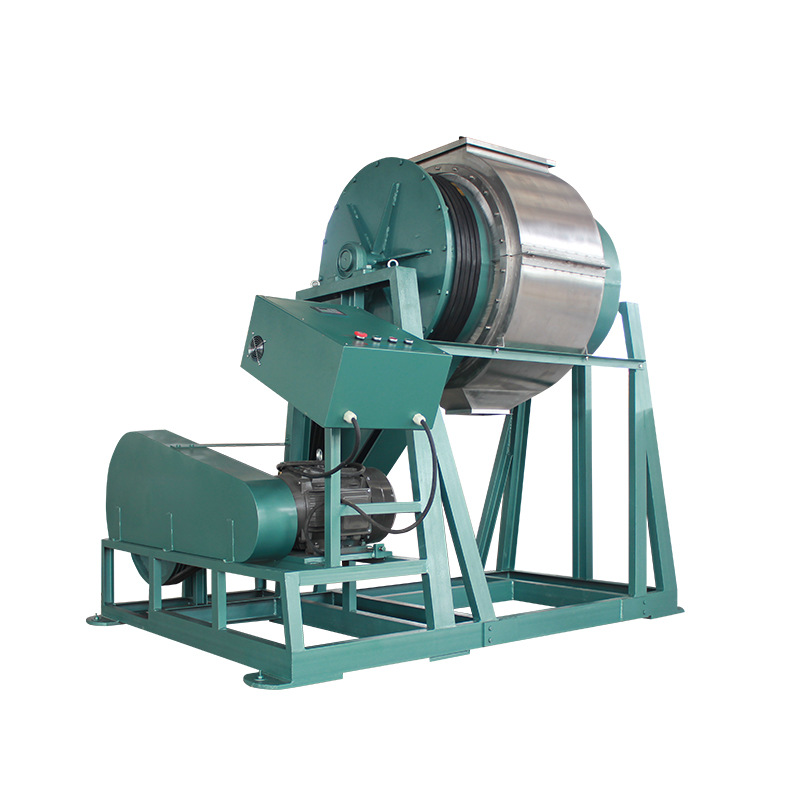
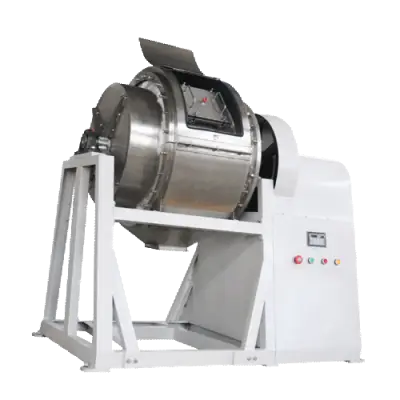
From its core, a large roll ball mill is a heavy-duty grinding machine that uses a rotating drum and loose grinding media to reduce coarse bulk materials into fine powders. Mining, ceramics, chemicals, metallurgy, and building-material plants use it for large-batch size reduction and homogenization. Unlike laboratory mills, it is built for continuous production.
Core Functions and Working Principle
The machine converts coarse feed into a finer product. Its main part is a horizontal cylinder rotating on support rollers. Inside, grinding media such as steel balls, ceramic balls, or cylpebs are lifted by friction and centrifugal force, then fall or cascade onto the material bed. Repeated impact, attrition, and compression break particles and create fresh surfaces.
Key parameters control the result. Drum speed affects media motion: too slow causes sliding, while too fast can centrifuge the charge and weaken grinding. Media size, filling ratio, material load, and grinding time also influence fineness and output. Many mills work in closed circuit with a classifier, returning oversize particles.
Main Types and Configurations
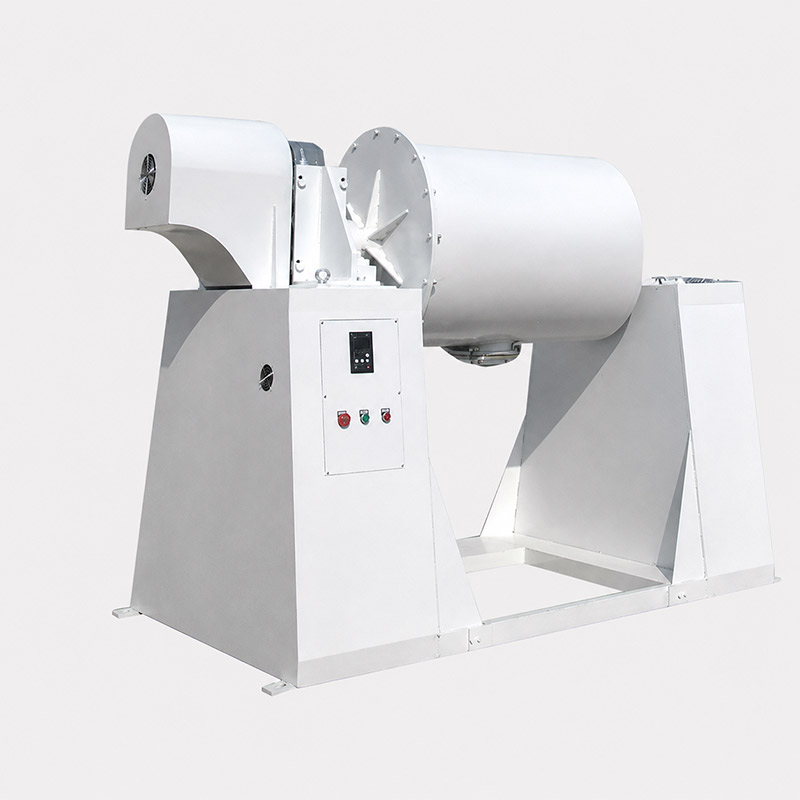
Large roll ball mills are grouped by drum volume, drive power, and discharge method. Batch models treat a fixed load and discharge after the required time. Continuous models accept feed at one end and discharge at the other, suiting steady production lines. Rubber or ceramic liners reduce contamination for high-purity materials, while wear-resistant steel liners handle abrasive ores and slags.
Media choice matters too. Steel balls offer high density and strong impact, which suits hard, brittle materials. Ceramic or zirconia media are lighter and cleaner, so they are chosen for electronic ceramics, pigments, and advanced powders where iron contamination must be avoided. Drum size and motor power determine practical batch capacity.
Key Performance Indicators and Selection Points
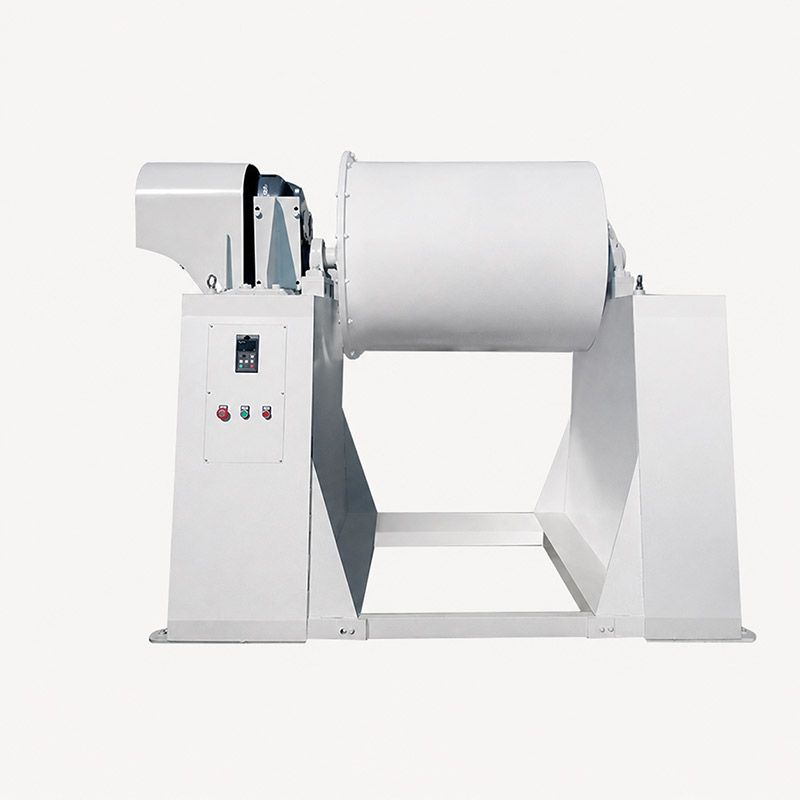
Buyers should first check throughput and batch capacity. Nominal drum volume is not the same as usable material load, because media filling and liner thickness reduce free space. A 1,000 L mill may process only a fraction of that volume as feed. Production targets, shift patterns, and downstream classification capacity must match the selected mill size.
Particle-size control depends on material hardness, feed size, media size, speed, and residence time. For a narrow distribution, closed-circuit grinding with an air classifier or vibrating screen is often more effective than simple over-grinding. Energy consumption per ton, liner wear, and media consumption are practical efficiency indicators.
Automation and maintenance also matter. Modern mills can use variable-frequency drives, PLC control, and sensors for motor current, bearing temperature, and drum speed. Easy access to liners, media, and discharge openings reduces downtime.
Applications and Selection Advice
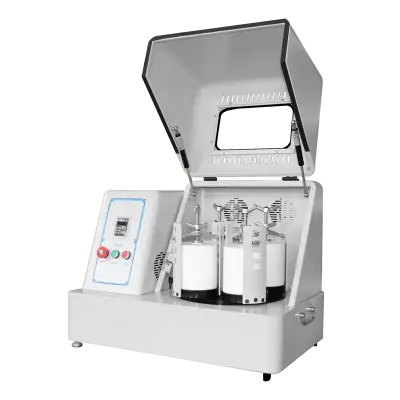
Large roll ball mills serve mineral processing, cement and building materials, ceramic raw materials, refractories, chemical powders, and metallurgical slag grinding. They also mix and homogenize dry powders when repeated tumbling is required. For laboratories or small pilot lines, a smaller jar mill or planetary ball mill may be more suitable.
Before purchase, define feed material, target fineness, required output per hour, and allowable contamination. Then confirm drum volume, motor power, liner material, media type, and discharge configuration with the supplier. If strict particle-size limits apply, plan a classification step together with the mill to avoid oversizing and unstable quality.
Product Information and Further Reading
To review specifications and application details, visit the Large Roll Ball Mill product page. It provides information on drum size, drive options, and typical uses for bulk powder grinding.
Related Products

Get In Touch
Our professional team will reply to you within one business day. Please feel free to contact us!