Contact Us
Choose your preferred way to contact our team
Free Quote
Fill out the form to obtain prices and information
Send an Email
Share your needs and concerns
+86 19021571516

Why choose us
Simple ordering, reliable quality, professional support.
Easy Process
Clear communication from product selection to delivery, so your team can move faster.
Quality Assurance
Stable manufacturing, strict inspection, and support for configuration requirements.
Expert Support
Application-oriented advice for planetary ball milling, sample preparation, and scale-up needs.
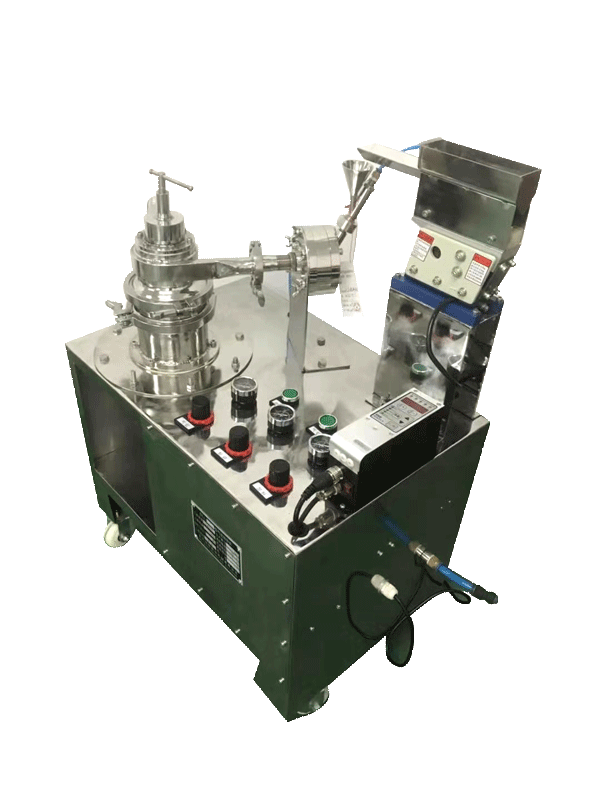
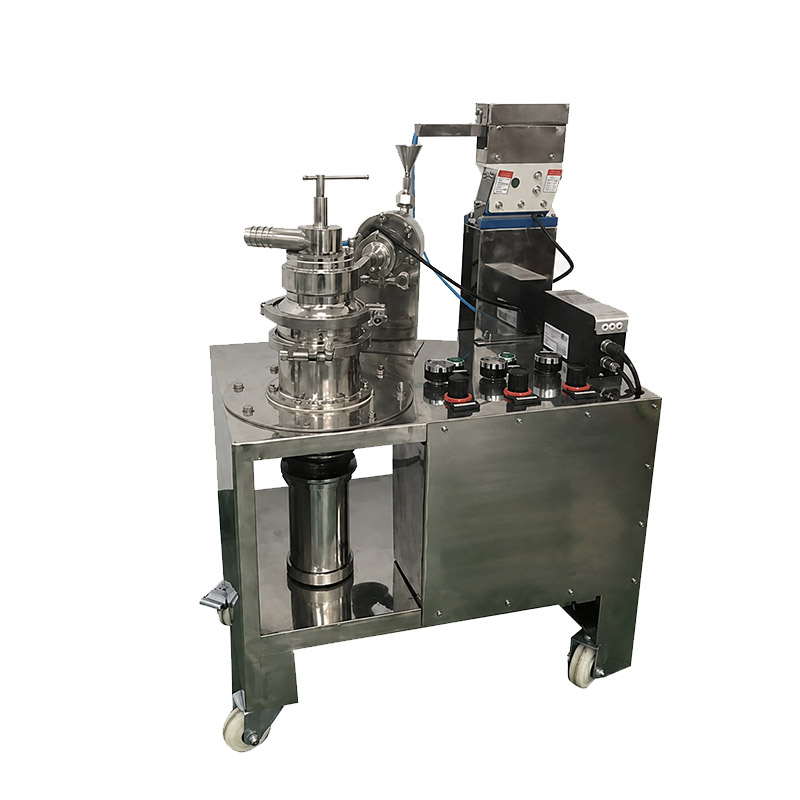
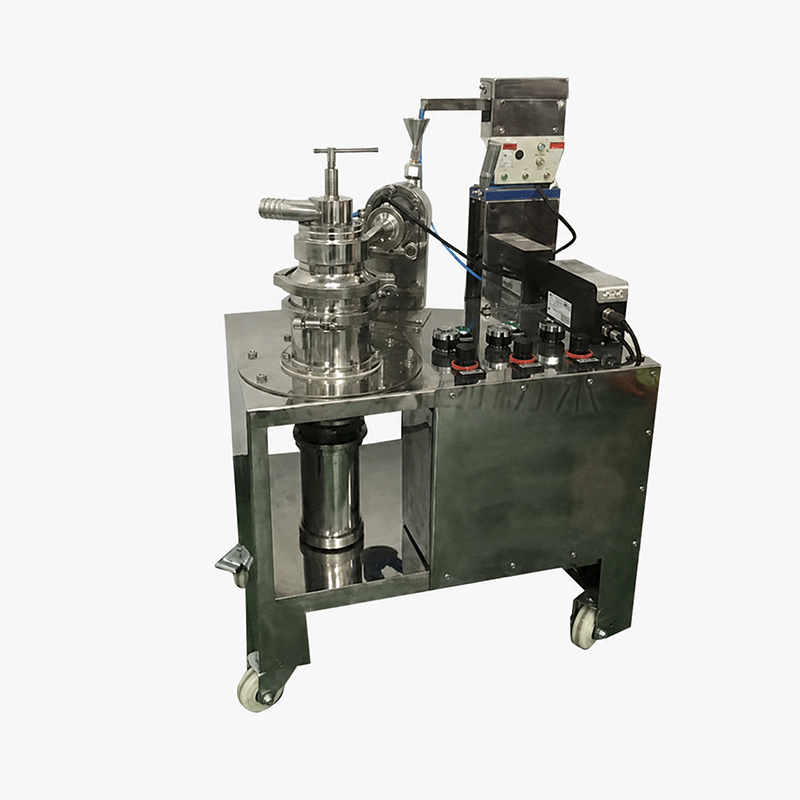
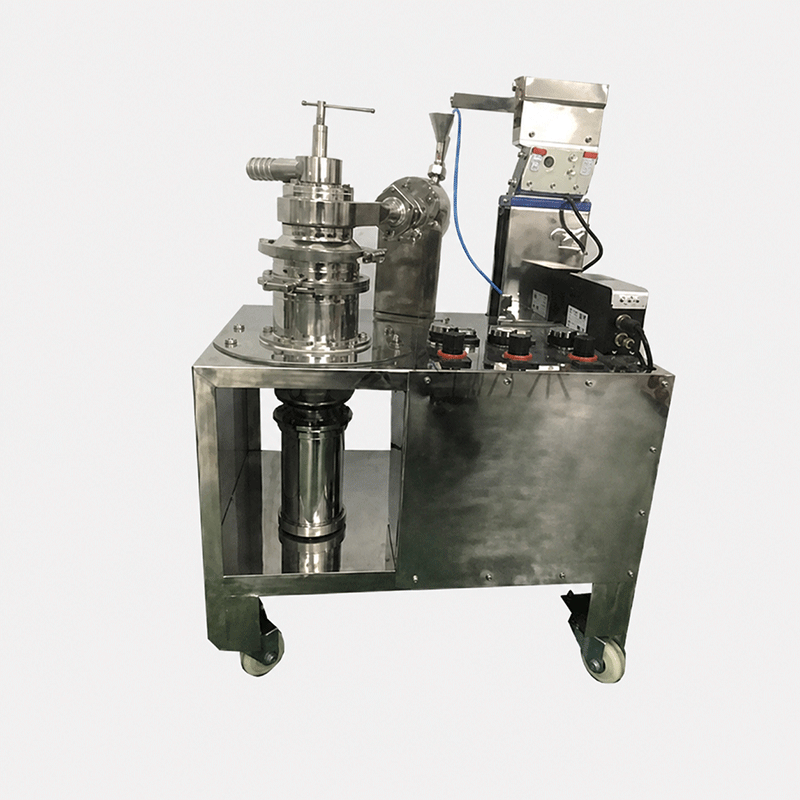
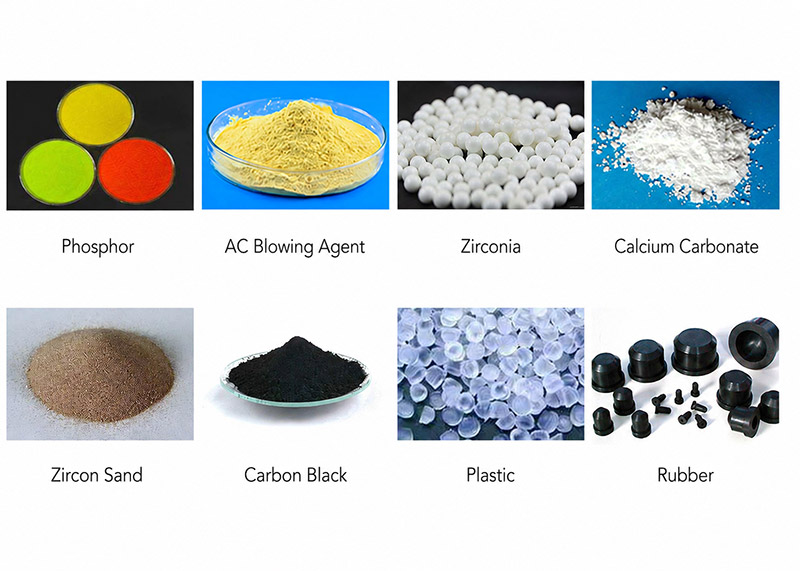
The graded jet mill has wide adaptability to ultra-fine grinding of various materials. It has good crushing properties for high hardness, brittle materials, coagulable and fibrous materials. Such as: zircon sand, zirconium oxide, silica, rutile titanium dioxide, alumina, talc, barium carbonate, barium sulfate, calcium carbonate, aluminum silicate, kaolin, carbon black, white carbon black, AC foaming agent, copy toner, paint, calcium hydrogen phosphate, bentonite, phosphor, graphite, various fillers for plastics and rubber, pesticides, pearl powder, pollen, etc. With the development of high and new technologies, the scope of application will be wider.
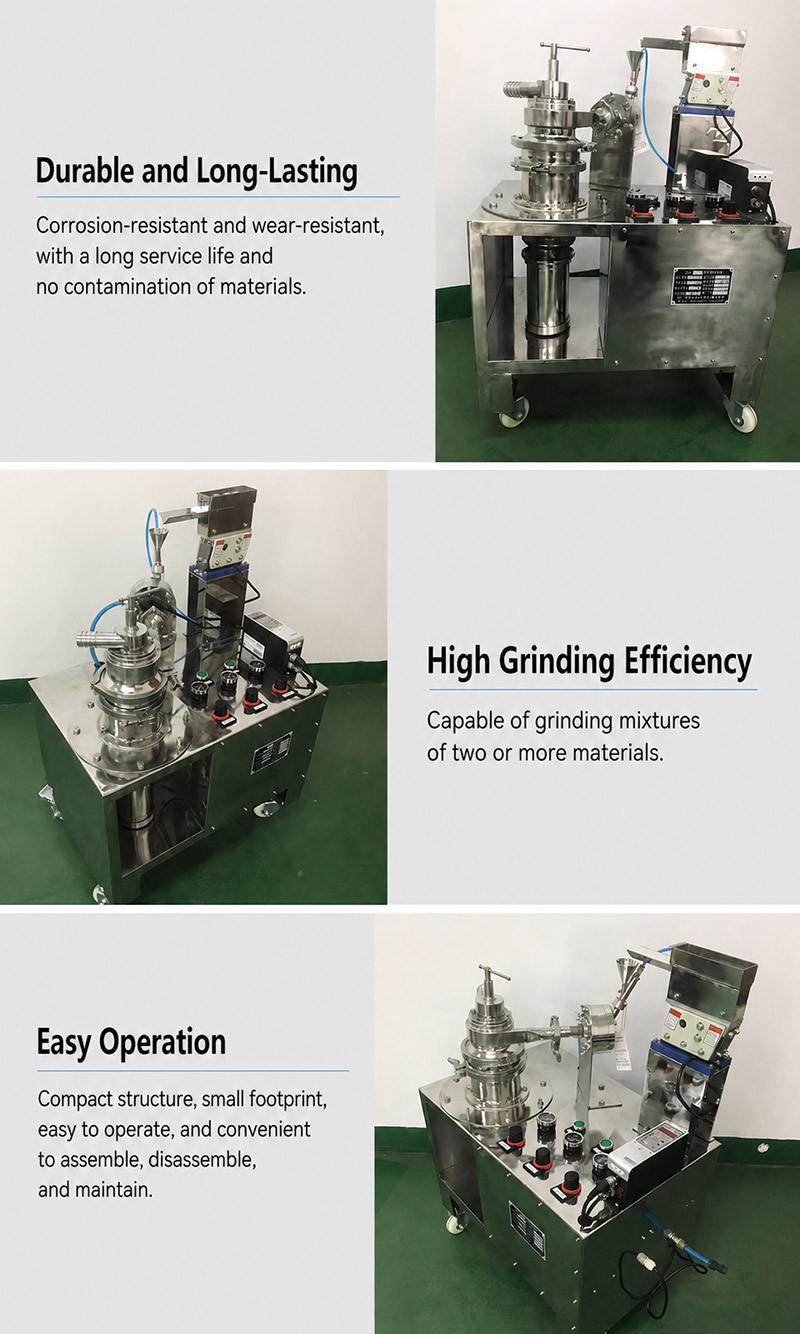
Laboratory classification jet mill is widely used in zircon sand, zirconia, silica, rutile titanium dioxide, alumina, talc, barium carbonate, barium sulfate, calcium carbonate, aluminum silicate, kaolin, Carbon black, white carbon black, AC Foaming agent, copy toner, paint, calcium hydrogen phosphate, Bentonite, fluorescent powder, graphite, various fillers for plastics and rubber, pesticides, pearl powder, pollen and other fields.
Technical parameters
Model: QLF-50
Design pressure: 6.5-7Kg/cm²
Operating pressure: 6.5-11Kg/cm²
Air volume:0.6m³/min
Power consumption: 5.5Kw/h
Processing capacity: 0.05-0.5Kg/h
Feed particle size: generally 100-200 mesh (the material properties and user’s requirements for fineness vary depending on the material properties)
Processing intensity: average particle size <5μ (depends on material hardness, feed particle size, crushing pressure, feed speed, etc.).
The current flowing components of this machine are corundum ceramics with high hardness and high wear resistance. Its unique advantages are:
1. Corrosion-resistant, wear-resistant, long service life, and does not pollute materials.
2. Strong ultra-fine crushing ability and low energy consumption.
3. Since the work project is carried out below room temperature, it is especially suitable for low melting point and heat-sensitive materials.
4. It can crush two or more mixed materials.
5. Compact structure, small footprint, simple operation, and convenient assembly, disassembly and maintenance.
Parameters
| Model | QLF |
|---|---|
| Grinding Jar Capacity | |
| Feed Size | |
| Output Size | |
| Speed | |
| Power | |
| Voltage | |
| Dimensions | |
| Weight | 0 |
Related Videos
The trusted choice of industry leaders
FAQ
-
What is a Colloid Mill? A High-Shear Wet Grinding Equipment for Emulsifying, Dispersing, and Homogenizing
Discover the working principle, types, and selection criteria of colloid mills. This guide explains how a colloid mill uses high-speed rotor-stator shear to achieve ultra-fine grinding, emulsification, and homogenization of wet materials in industries like food, pharmaceuticals, chemicals, and cosmetics. Learn about key performance indicators and application scenarios.
MORE >> -
What is a Micro Planetary Ball Mill? A Compact Lab Grinder for Nano-Scale Sample Preparation
Discover the Micro Planetary Ball Mill, a compact lab grinder designed for ultra-fine grinding of materials down to 0.1 micron. Ideal for glove box use, it supports dry, wet, and vacuum grinding with programmable control for research and quality control.
MORE >> -
What is a Heavy-duty Full-directional Planetary Ball Mill? A High-Energy Milling Machine for Multi-Directional Ultra-Fine Grinding in Industrial Production
Discover the Heavy-duty Full-directional Planetary Ball Mill, a robust milling machine designed for ultra-fine grinding, mechanical alloying, and powder preparation. Learn about its unique 360° rotary motion, key performance indicators, selection tips, and applications in materials research and small-scale production.
MORE >> -
What is a Stainless Steel Vibration Crusher? A Sanitary Fine Grinding Mill for Ultra-Fine Powder Processing
Discover the stainless steel vibration crusher, a hygienic vibratory mill designed for ultra-fine grinding of dry and wet materials in pharmaceutical, food, and chemical labs. This product overview covers working principles, key features, performance indicators, and selection tips to help you choose the right mill for your powder processing needs.
MORE >> -
What is a Tungsten Carbide Mill Ball? A High-Wear-Resistant Grinding Media for Ultra-Fine Grinding of Hard Materials
Tungsten carbide mill balls are premium grinding media for ball mills, offering unmatched hardness and wear resistance for ultra-fine grinding of hard materials like cemented carbide, ceramics, and minerals. This article explains their composition, working principles, key performance characteristics, selection criteria, and application fields to help researchers and engineers choose the right grinding media for high-energy milling processes.
MORE >> -
What is an Ultrasonic Planetary Ball Mill? A High-Energy Milling Device for Ultrasonic-Assisted Nano-Grinding
An ultrasonic planetary ball mill combines planetary motion with ultrasonic energy to achieve ultra-fine grinding, dispersion, and nano-material synthesis. This article explains its working principle, key components, performance metrics, and selection criteria for researchers and engineers in materials science, chemistry, and pharmaceuticals.
MORE >> -
What is a Laboratory Full-Directional Planetary Ball Mill? A High-Energy Milling Device for Multi-Directional Fine Grinding and Nano Material Preparation
This article provides a comprehensive overview of the Laboratory Full-Directional Planetary Ball Mill, a versatile high-energy milling device designed for ultra-fine grinding, nano-material synthesis, and multi-sample preparation in research laboratories. It explains its working principle, key technical features, performance indicators, and selection criteria, helping users understand how this equipment achieves superior grinding uniformity through 360-degree rotational motion. The guide also covers typical applications in materials science, geology, pharmaceuticals, and battery research.
MORE >> -
What is a Laboratory Sand Grinder? A Wet Ultra-fine Grinding Device for R&D and Small-batch Processing
Learn what a laboratory sand grinder is, how it works, its key types, and selection tips. This wet ultra-fine grinding device is essential for nano-dispersion and particle size reduction in inks, coatings, batteries, ceramics, and more. Ideal for R&D labs and pilot-scale production.
MORE >> -
What is a PU Planetary Mill Jar? A Lightweight, Wear-Resistant Container for Ultra-Fine Grinding of High-Purity Materials
A PU (polyurethane) planetary mill jar is a specialized grinding container designed for planetary ball mills, offering excellent wear resistance, light weight, and zero metal contamination. Ideal for ultra-fine grinding of ceramics, electronics, pharmaceuticals, and other high-purity materials, it combines the durability of polyurethane with the efficiency of planetary motion. This article explains its working principle, key features, selection criteria, and applications.
MORE >> -
What is a Laboratory Sand Grinder? A Wet Ultra-fine Grinding Device for Nano-scale Material Dispersion
Learn about laboratory sand grinders, their working principles, types, key performance indicators, and selection tips. Ideal for R&D in nano-materials, inks, coatings, and lithium batteries.
MORE >>
Get In Touch
Our professional team will reply to you within one business day. Please feel free to contact us!
Related Products
Related Articles