
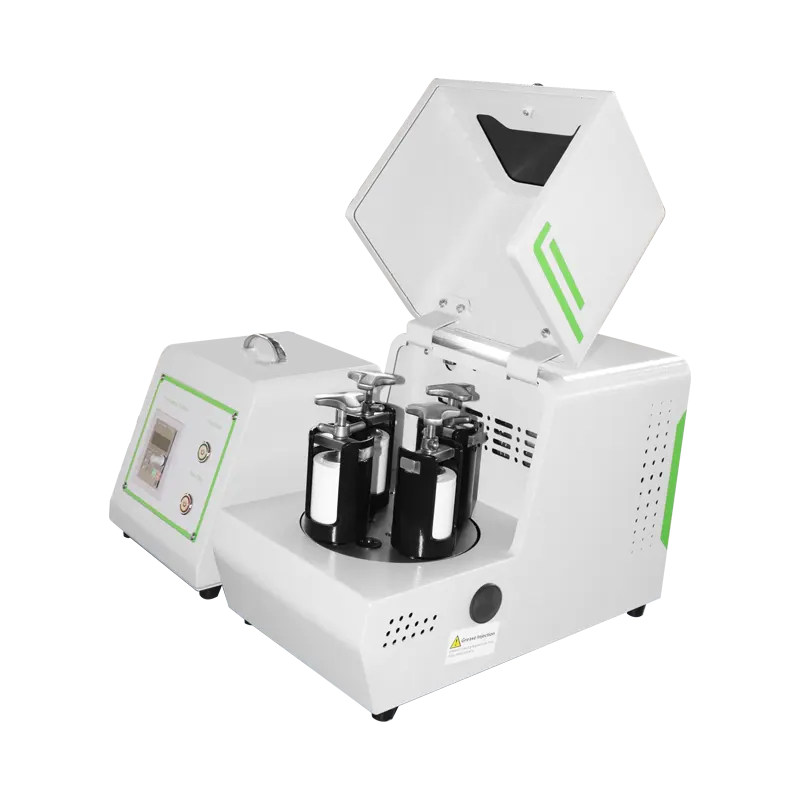
Micro Planetary Ball Mill: The Ultimate Solution for Ultra-Fine Grinding in Glove Box Environments

What Makes a Micro Planetary Ball Mill Special?
If you're working with air-sensitive materials or need to achieve ultra-fine particles down to the sub-micron or even nano scale, you've probably faced a common frustration: standard ball mills are either too bulky, too inefficient, or can't be integrated into a controlled atmosphere like a glove box. That's exactly where the Micro Planetary Ball Mill (model XQM-0.2S) from TENCAN steps in. It's a compact, high-energy planetary ball mill specially designed for glove box use, allowing you to grind, mix, and mechanically alloy materials under inert gas or vacuum conditions without ever exposing your sample to air.
Think of it as a miniature powerhouse. Despite its small size (it fits right inside a standard glove box), it delivers the same planetary motion principle that larger mills use—combining rotation and revolution to generate intense impact and friction forces. The result? You can achieve particle sizes as fine as 0.1 microns (100 nanometers) or even less, depending on the material and milling parameters.
But what really sets this mill apart is its glove box compatibility. Many advanced materials—like lithium battery electrodes, metal powders, or certain polymers—are highly reactive with oxygen or moisture. By placing the mill directly inside a glove box, you eliminate the need to transfer samples between containers, reducing contamination risks significantly.
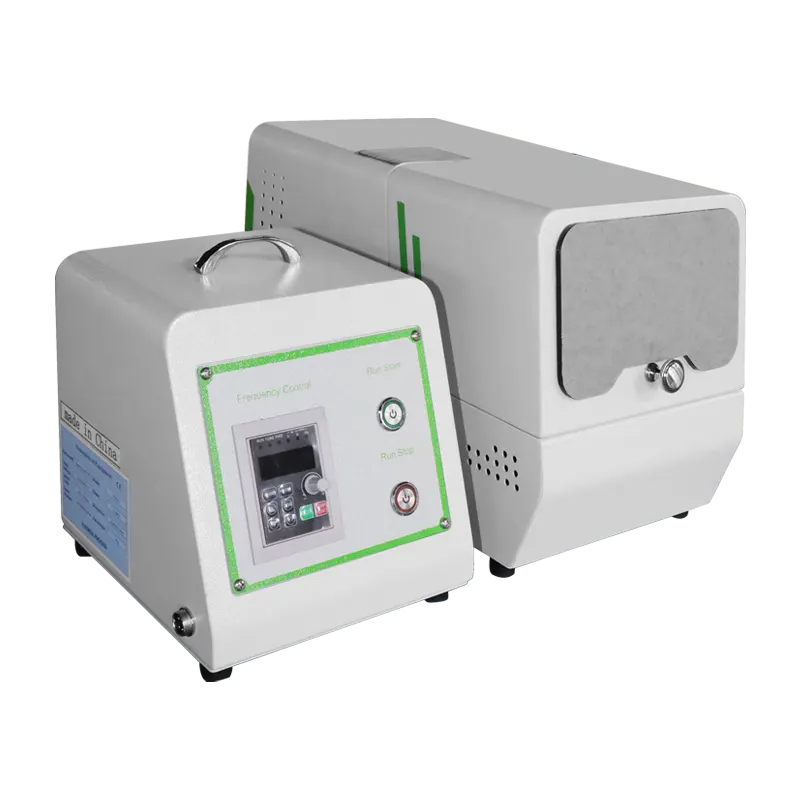
How Does It Work? The Planetary Principle Explained
Let's break down the science in a friendly way. Imagine a solar system: the sun (the main disk) rotates, and planets (the grinding jars) both orbit around the sun and spin on their own axes. That's exactly what happens inside a planetary ball mill.
The Micro Planetary Ball Mill has a main disk that rotates at high speed. On this disk, there are two or four positions where you place your grinding jars. As the disk rotates, each jar also rotates in the opposite direction. This creates a combination of centrifugal forces and Coriolis forces, which make the grinding balls inside the jars collide with each other, with the jar walls, and with the sample material.
These collisions are incredibly energetic. The balls can reach speeds that generate impact forces up to many times the acceleration of gravity. This is what allows the mill to break down particles into the nanometer range much faster than conventional ball mills. For example, a typical grinding cycle might take just 30 minutes to an hour to achieve sub-micron powders, whereas a traditional ball mill could take many hours.
The XQM-0.2S model is specifically engineered for micro-scale batches (0.2L total volume per jar), making it ideal for precious or expensive materials where you only need small quantities for R&D.
Key Features of the Glove Box Special Edition
So what exactly makes this model a "glove box special edition"? Let's look at the standout features:
1. Compact Design for Glove Box Integration
The entire unit is designed to fit through a standard glove box transfer chamber and operate inside. Its dimensions are roughly 400×300×300 mm, and it weighs only about 30 kg. You can easily place it on the glove box floor without compromising workspace.
2. Hermetic Sealing for Inert Atmosphere
The grinding jars come with special sealing gaskets that maintain internal pressure and prevent gas exchange. When you close the jar inside the glove box, the atmosphere inside remains pure argon, nitrogen, or whatever gas you're using. This is crucial for materials like lithium metal, which can ignite in air.
3. Variable Speed Control
The mill offers a rotation speed range from 50 to 600 rpm, with a revolution-to-rotation ratio of 1:2 (meaning the jar rotates at twice the speed of the main disk but in the opposite direction). This gives you precise control over the milling energy—lower speeds for gentle mixing, higher speeds for aggressive grinding.
4. Programmable Timer and Safety Features
A built-in digital timer allows you to set milling cycles from 1 minute to 99 hours, with automatic stop. There's also a safety interlock that prevents the mill from starting if the lid isn't properly closed—critical when working inside a sealed glove box.
5. Choice of Jar Materials
You can choose from stainless steel, agate, zirconia, alumina, or tungsten carbide jars, depending on your sample type and contamination requirements. For example, if you're milling ceramic powders, agate or zirconia jars are ideal to avoid metal contamination.
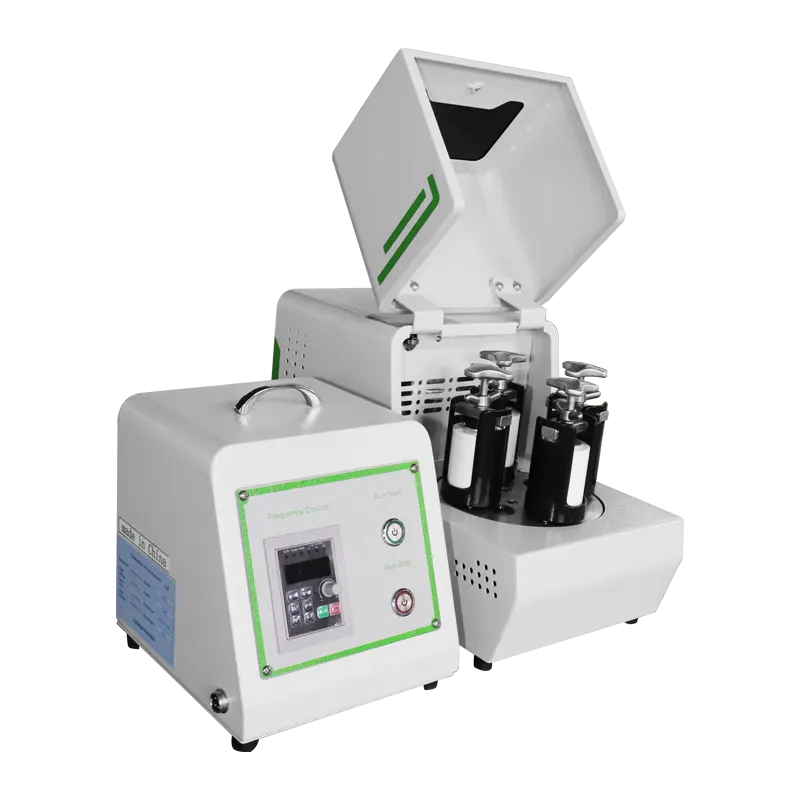
Technical Specifications at a Glance
Here's a quick reference table for the key specs of the XQM-0.2S Micro Planetary Ball Mill:
- Model: XQM-0.2S
- Number of grinding stations: 2 or 4 (depending on configuration)
- Volume per jar: 0.2 L (standard), also available in 0.1 L, 0.05 L
- Maximum feed size: < 10 mm (for hard materials; softer materials can be larger)
- Final particle size: Down to 0.1 μm (100 nm) for most materials
- Rotation speed: 50–600 rpm (adjustable)
- Revolution-to-rotation ratio: 1:2 (standard)
- Drive motor: 0.75 kW, 220V/50Hz or 110V/60Hz
- Dimensions: 400×300×300 mm
- Weight: ~30 kg
- Warranty: 1 year (optional extended warranty available)
- Optional accessories: Vacuum jars, temperature control system, jar lifters
These specifications are based on the official product page for the Micro Planetary Ball Mill.
What Can You Use It For? Real-World Applications
The versatility of this mill is impressive. Here are some common applications where researchers and engineers rely on the Micro Planetary Ball Mill:
• Battery Materials Research
Lithium-ion battery cathode and anode materials (like LiCoO2, graphite, silicon) need to be ground to nano-size for better electrochemical performance. The glove box version is perfect for handling air-sensitive precursors.
• Mechanical Alloying
Creating new alloys by mechanically mixing metal powders at high energy. This is a key technique for developing advanced materials with unique properties.
• Nano Ceramics and Refractories
Grinding hard ceramics like alumina, zirconia, or silicon carbide to nano-scale for sintering or coating applications.
• Pharmaceutical and Food Industry
Micronization of active pharmaceutical ingredients (APIs) or herbal extracts under controlled atmosphere to prevent oxidation.
• Geology and Mining
Preparation of mineral samples for XRF, XRD, or other analytical techniques, especially when the sample is sensitive to air or moisture.
Tips for Getting the Best Results
To make your milling process efficient and safe, keep these pointers in mind:
- Choose the right ball size and material: For nano grinding, use smaller balls (0.5–3 mm diameter) made of a harder material than your sample. For example, use zirconia balls for ceramic powders.
- Maintain the correct ball-to-powder ratio: A typical ratio is 10:1 to 20:1 by weight. Too many balls reduce efficiency; too few increase wear.
- Use a process control agent (PCA) if you're grinding sticky or ductile materials like metals. A small amount of stearic acid or ethanol can prevent agglomeration.
- Don't overfill the jar: Leave about 1/3 of the jar volume empty for the balls to move freely. Overfilling reduces impact energy.
- Monitor temperature: If you notice the jar getting too hot (above 50°C), consider using a pause cycle or a cooling system. Excessive heat can degrade some materials.
- Always check the seals: Before starting a run inside the glove box, ensure the jar lid is properly tightened and the O-ring is clean. A small leak can ruin your experiment.
Why Choose TENCAN's Micro Planetary Ball Mill?
There are many planetary ball mills on the market, but the XQM-0.2S stands out for several reasons. First, it's purpose-built for glove box integration, not just a regular mill that happens to be small. The design considers the limited space and handling constraints inside a glove box. Second, quality control is a priority at TENCAN. Each unit undergoes rigorous testing for speed accuracy, noise level, and vibration before shipping. Third, after-sales support is excellent—you get a detailed manual, access to technical support, and optional training.
If you're looking for a larger capacity or different configurations, TENCAN also offers other models like the Vertical Square Planetary Ball Mill or the Laboratory Full-Directional Planetary Ball Mill. But for glove box work, the Micro version is hard to beat.
Frequently Asked Questions
Q: Can I use this mill for wet grinding?
Absolutely. The jars are compatible with both dry and wet grinding. Just make sure the liquid (e.g., ethanol, isopropanol) doesn't exceed 50% of the jar volume to avoid leakage.
Q: How long does a typical milling cycle take?
For sub-micron particles, a cycle of 30–60 minutes at 500–600 rpm is usually sufficient. For nano-scale, you might need 2–4 hours, potentially with intermittent breaks.
Q: Is the mill noisy?
Noise levels are around 60–70 dB, similar to a household blender. Since it's inside a glove box, the noise is further dampened.
Q: What is the warranty period?
TENCAN offers a standard 1-year warranty on manufacturing defects. Extended warranties are available upon request.
Final Thoughts
The Micro Planetary Ball Mill is a game-changer for researchers who need to process air-sensitive materials at the nano scale. It combines the proven planetary ball milling principle with a compact, glove-box-friendly design. Whether you're developing next-generation batteries, advanced ceramics, or novel alloys, this little machine can handle the job with precision and reliability.
If you want to learn more or request a quote, visit the product page directly. And if you're still unsure which model fits your needs, TENCAN's technical team is always happy to discuss your specific application.
Happy milling!
Related Products
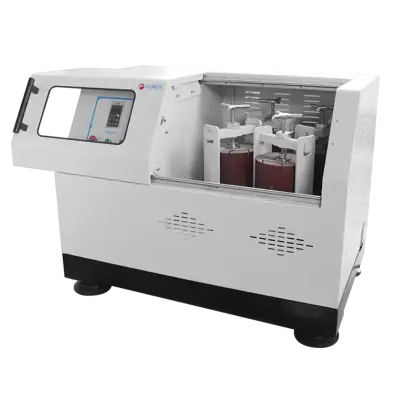
XQM-20 20L Vertical Production Planetary Ball Mill
XQM-20
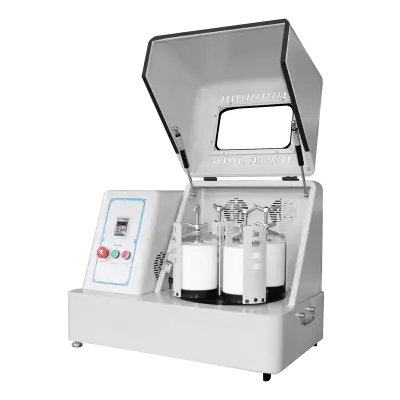
Laboratory planetary grinder
XQM
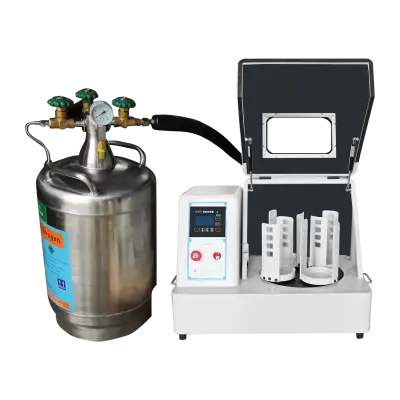
Liquid Nitrogen Planetary Ball Mill
XQM
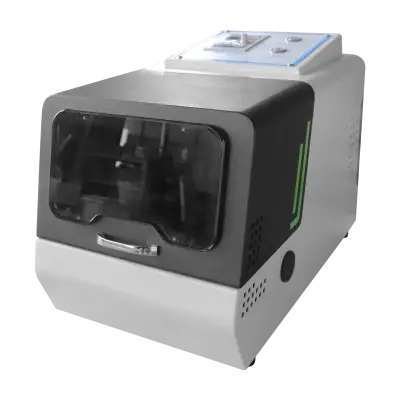
Micro Planetary Ball Mill
XQM-0.2
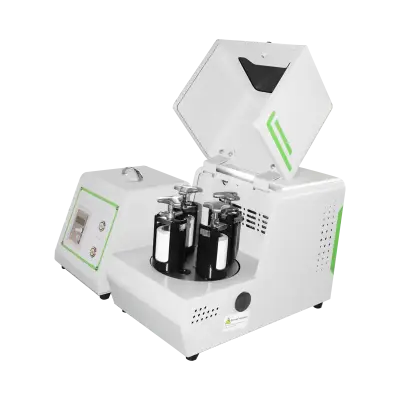
Micro Planetary Ball Mill
XQM-0.2S
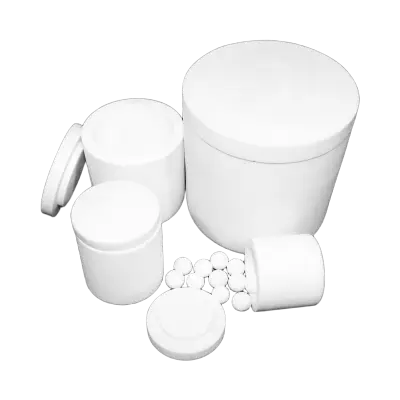
A grade Corundum planetary Mill Jar
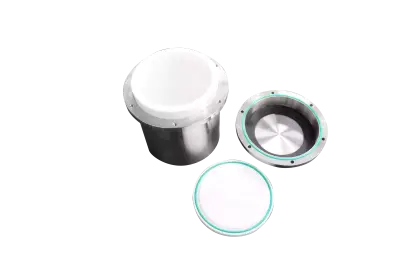
304 stainless steel lined with zirconia mill jar
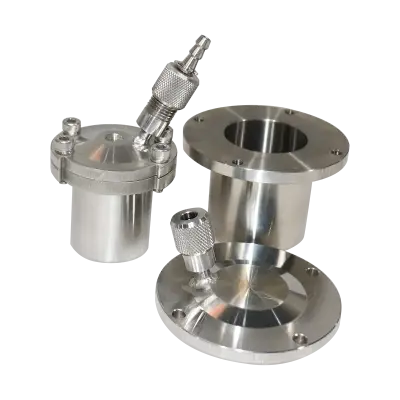
vacuum planetary mill jar
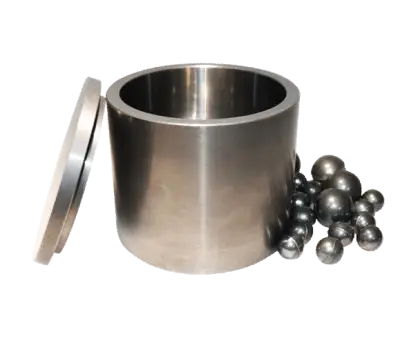
Tungsten carbide planetary mill jar
Get In Touch
Our professional team will reply to you within one business day. Please feel free to contact us!