
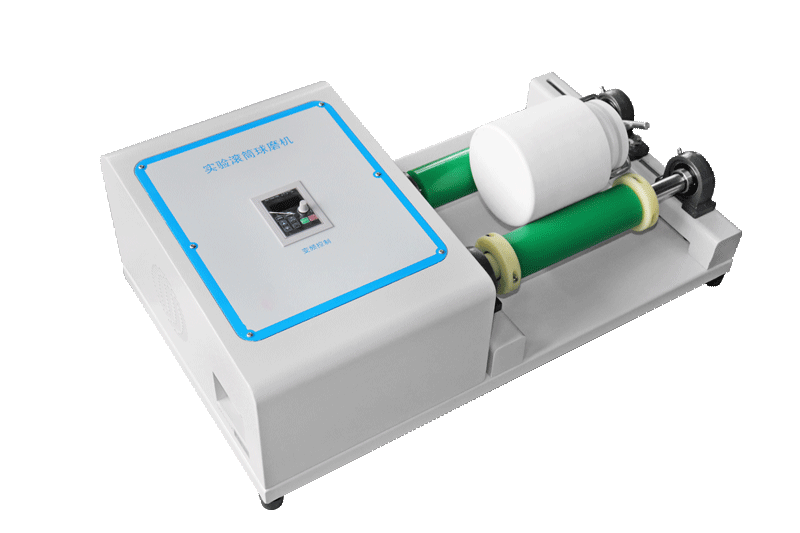
Lab Roll Ball Mill: The Gentle Giant of Fine Grinding for Your Laboratory

What is a Lab Roll Ball Mill?
When you think of a ball mill, you might picture a noisy, high-energy machine that smashes particles into dust. But not all grinding needs to be aggressive. Sometimes, you want a gentle, consistent, and reliable method to process your materials without introducing too much heat or contamination. That's where the lab roll ball mill comes in.
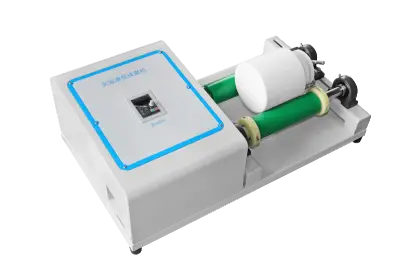
Also known as a jar mill or roller mill, this benchtop workhorse uses a simple yet effective principle: a rotating horizontal roller drives a cylindrical jar filled with grinding media and your sample. The jar itself doesn't spin; instead, the friction between the jar and the roller causes it to rotate slowly, tumbling the balls inside. This tumbling action creates a gentle but thorough grinding effect, ideal for mixing, homogenizing, and fine grinding of a wide variety of materials.
Think of it as the friendly neighbor of the planetary ball mill—less aggressive, easier to use, and perfect for when you need to avoid over-grinding or heat buildup. It's a staple in many labs for good reason.
How Does It Work? The Gentle Tumbling Principle
Unlike a planetary ball mill where jars rotate on their own axes while orbiting a central sun wheel, a lab roll ball mill keeps things simple. The jar sits on two parallel rotating rollers. One roller is driven by a motor, and the other is free to rotate. As the driven roller turns, friction causes the jar to rotate, generating a cascading motion of the grinding balls inside.
This cascading action produces a combination of impact and attrition forces, crushing particles between the balls and the jar wall. The speed is adjustable, so you can control the intensity of the grinding. Typically, the optimal speed is around 60–80% of the critical speed—the speed at which the balls would centrifuge and stop grinding. At the right speed, the balls are lifted to the top of the jar and then tumble down, creating a continuous grinding cycle.
Because the motion is relatively slow compared to high-energy mills, the heat generated is minimal. This makes the roll ball mill perfect for materials that are sensitive to temperature, such as certain polymers, pharmaceuticals, or organic compounds.
Key Features That Make It a Lab Favorite
So why would you choose a lab roll ball mill over other types of mills? Let me walk you through the standout features that make it such a practical tool.
1. Gentle Grinding with Low Heat Generation
As I mentioned, the tumbling action produces much less heat than high-speed planetary mills. This is a huge advantage for heat-sensitive materials. You don't need to worry about your sample degrading or changing phase during the process.
2. Versatility in Jar Sizes and Materials
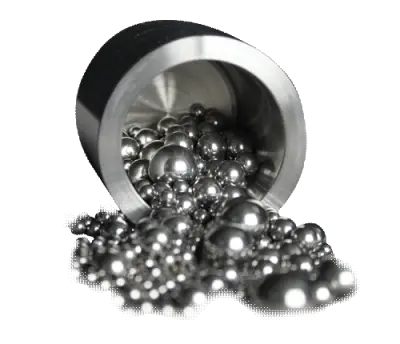
You can use a wide range of jar sizes—from small 50 mL jars to large 20 L drums—on the same machine. The jars can be made of various materials, including stainless steel, alumina, zirconia, agate, nylon, PTFE, and more. This allows you to match the jar material to your sample to avoid contamination. For example, if you're grinding ceramics, an alumina jar is a great choice. For biological samples, a nylon or PTFE jar might be better.
3. Multiple Working Stations for High Throughput
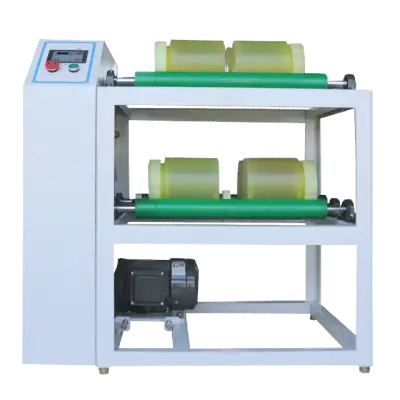
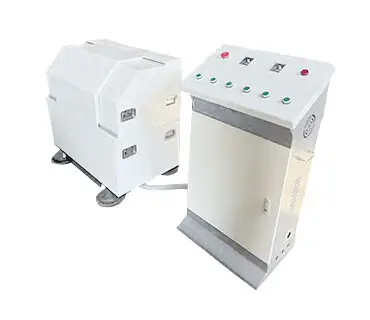
Need to process multiple samples at once? Many lab roll ball mills come with multiple stations. For example, you can find models with two working stations, four stations, or even eight stations. This allows you to grind different materials simultaneously, increasing your lab's efficiency.
4. Simple Operation and Low Maintenance
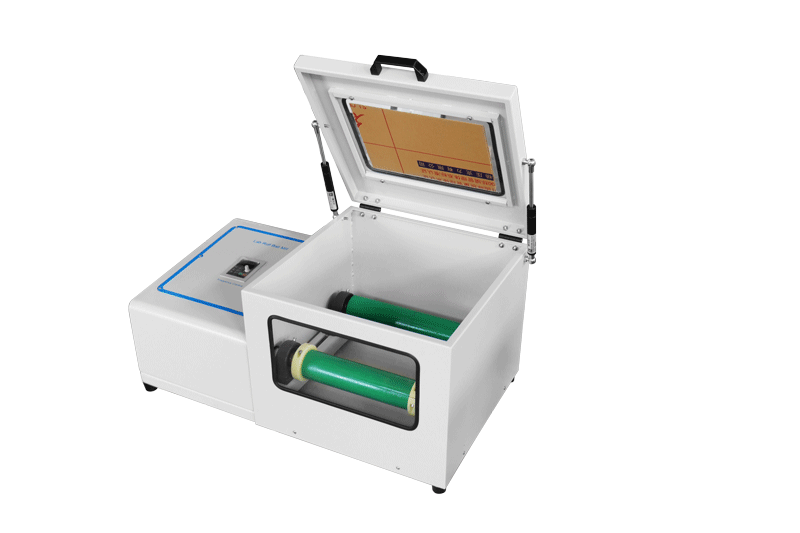
There are very few moving parts—just the rollers and the motor. Setting up is as easy as placing the jar on the rollers, closing the safety guard, and pressing start. You don't need to balance jars or worry about complex programming. Maintenance is minimal: just keep the rollers clean and check the belt occasionally.
5. Quiet and Clean Operation
Compared to planetary mills, roll ball mills are much quieter. The rubber rollers dampen noise, and the enclosed design (if you choose a model with a cover) keeps dust contained. Your lab will thank you.
Applications: Where Does It Shine?
The lab roll ball mill is incredibly versatile. Here are some common applications where it really excels:
- Mineral processing: Grinding ores, coal, and minerals for analysis.
- Ceramics and glass: Preparing ceramic powders, glazes, and glass frits.
- Chemicals and pigments: Mixing and milling pigments, dyes, and chemical powders.
- Pharmaceuticals: Grinding active ingredients and excipients for formulation.
- Food and cosmetics: Fine grinding of spices, herbs, and cosmetic ingredients.
- Materials science: Preparing samples for X-ray diffraction (XRD), spectroscopy, or other analysis.
- Environmental testing: Grinding soil, sediment, and plant material for contaminant analysis.
One of the most common uses is for mixing and homogenizing multiple components. Because the tumbling action is gentle, it blends powders uniformly without breaking down individual particles too much. This makes it ideal for making composite powders or preparing samples for sintering.
Choosing the Right Lab Roll Ball Mill for Your Needs
At TENCAN Powder, we offer a range of roll ball mills designed to meet different requirements. Let's look at the main options based on capacity and intended use.
Light-Duty Roll Ball Mill
If you're working with small batches (up to 5 L per jar), the light-duty roll ball mill is a great entry point. It's compact, affordable, and perfect for occasional use in a teaching lab or small research facility. It typically handles jars up to 5 L and runs on a single phase power supply.
Standard Lab Roll Ball Mill
For more demanding applications, our standard lab roll ball mill model offers a wider speed range and higher torque. It can accommodate jars from 0.5 L to 20 L and is built for continuous operation. This is the go-to choice for most R&D labs. It comes with a digital tachometer for precise speed control and a safety interlock.
Large Roll Ball Mill
Need to scale up? The large roll ball mill can handle jars up to 50 L or more. It's designed for pilot plant production and small-scale manufacturing. The rollers are reinforced to support the heavier weight, and the motor is more powerful. If you're moving from lab to production, this is a logical step.
Specialized Models
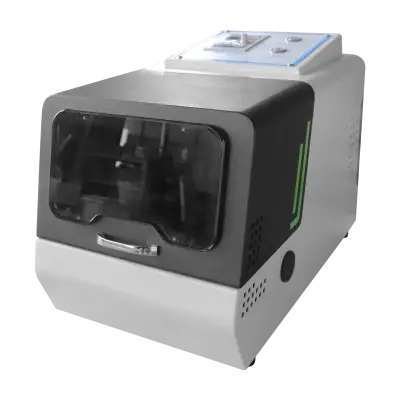
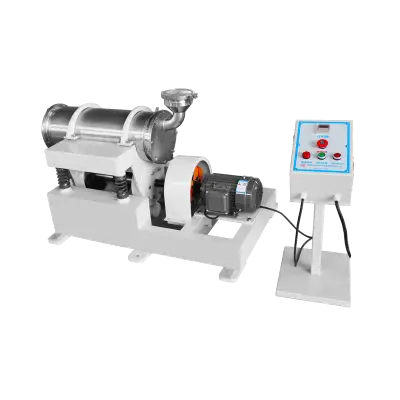
We also offer specialized versions such as the inner lined roll ball mill (with rubber or polyurethane lining for contamination-free grinding) and the screening ball mill (which combines grinding and sieving in one unit). For those who prefer a ceramic jar for purity, check out the small ball mill with a ceramic jar.
Technical Specifications: A Quick Look
While specifications vary by model, here are some typical parameters for a standard lab roll ball mill from TENCAN:
| Parameter | Value |
|---|---|
| Speed Range | 30 – 300 rpm (adjustable) |
| Jar Capacity | 0.5 L – 20 L per jar |
| Number of Working Stations | 1, 2, 4, or 8 |
| Motor Power | 0.37 – 1.5 kW (depending on model) |
| Power Supply | 220V / 50-60Hz, single phase |
| Dimensions (L×W×H) | Varies by model (e.g., 800×500×500 mm) |
| Net Weight | Approx. 50 – 150 kg |
These are just examples. For precise specifications of the model you're interested in, please visit the product page on our website.
Tips for Getting the Best Results
Want to maximize your grinding efficiency? Here are a few insider tips from our lab experts:
- Fill the jar correctly: The general rule is to fill the jar about one-third full with grinding balls, one-third with your sample, and leave one-third empty as free space for tumbling. Overfilling reduces efficiency, while underfilling wastes energy.
- Choose the right ball size: For coarse grinding, use larger balls (10–20 mm). For fine grinding, a mix of smaller balls (2–5 mm) works better. A combination of sizes often gives the best results.
- Use the right jar material: Match the jar material to your sample. Hard materials like ceramics or ores benefit from alumina or zirconia jars. For organic samples, nylon or PTFE jars are gentler and avoid contamination.
- Adjust speed wisely: Start at a low speed and gradually increase until you see a good cascading action. Listen to the sound—a steady tumbling sound is ideal. If you hear a thumping noise, the speed is too high.
- Use a timer: Most lab roll ball mills come with a built-in timer. Don't guess; set a specific time based on your material's hardness. You can always increase the time if needed.
- Consider wet grinding: For some materials, adding a liquid (water, ethanol, or oil) can improve grinding efficiency and prevent agglomeration. Wet grinding is also useful for reducing dust.
Why Choose TENCAN for Your Lab Roll Ball Mill?
At Changsha Tianchuang Powder Technology Co., Ltd. (TENCAN), we've been designing and manufacturing powder processing equipment for years. Our lab roll ball mills are built with quality components, including durable motors, precision rollers, and sturdy frames. We know that your research depends on reliable equipment, so we pay attention to every detail.
Whether you need a simple bench-top model or a multi-station mill for high-throughput work, we have a solution that fits your budget and requirements. All our mills come with a one-year warranty and responsive after-sales support. Plus, we can customize jars and accessories to match your specific application.
Have questions? Our team is always happy to help you choose the right model. Feel free to visit our lab roll ball mill product page for more details or contact us directly.
Related Products
Get In Touch
Our professional team will reply to you within one business day. Please feel free to contact us!