
Resin Ball Mill: The Ultimate Solution for Grinding Heat-Sensitive Materials

What Exactly Is a Resin Ball Mill?
If you've ever tried grinding epoxy, acrylic, or other heat-sensitive polymers, you know the struggle: too much friction, and your material softens, melts, or even burns. That's where a resin ball mill shines. It's a specialized ball mill designed to process materials that are sensitive to temperature, shear, and contamination. Unlike standard ball mills that use metal liners and steel balls, a resin ball mill typically features a polymer or rubber lining and uses ceramic or zirconia grinding media. This combination keeps temperatures low, prevents metallic contamination, and delivers a clean, fine powder.
At TENCAN Powder, we've spent years perfecting our resin ball mill series to meet the strict demands of electronics, pharmaceutical, and specialty chemical industries. Let me walk you through what makes this machine so special.
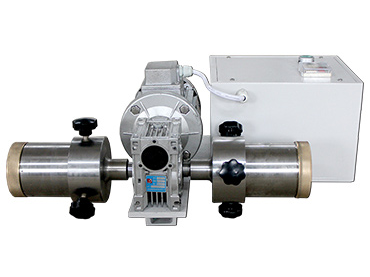
Why Heat-Sensitive Materials Need a Dedicated Mill
When you grind materials like thermoplastic resins, waxes, or certain pharmaceutical excipients, the mechanical energy from impact and friction inevitably generates heat. In a conventional ball mill, temperatures can easily rise above the softening point of these materials. The result? Agglomeration, caking, and sometimes irreversible degradation. A resin ball mill solves this by operating at lower rotational speeds, using a non-metallic lining that reduces heat generation, and incorporating effective cooling mechanisms. For example, TENCAN's resin ball mill can be equipped with a water-cooling jacket to maintain a stable internal temperature below 40°C, even during prolonged grinding sessions.
How a Resin Ball Mill Works – No Fancy Tricks, Just Smart Engineering
The principle is simple: a rotating drum filled with grinding media and the material. But the devil is in the details. The drum is lined with polyurethane, rubber, or high-density polyethylene (HDPE) – materials that have low thermal conductivity and resist wear. The grinding media are typically yttria-stabilized zirconia (YSZ) or alumina ceramic beads, which are hard yet produce minimal fines. As the drum rotates, the media cascade and tumble, crushing the resin particles without generating excessive hotspots.
Unlike three roll mills that rely on high shear between rolls, the resin ball mill uses relatively low impact forces. This makes it ideal for friable resins that tend to degrade under shear. You can also run it in both dry and wet modes – for wet grinding, a solvent or water is added to further dissipate heat and improve dispersion.
Key Advantages You Can't Ignore
- Low-Temperature Grinding: The combination of polymer lining and optional water cooling keeps the mill body cool, so your resin stays solid throughout.
- Zero Metal Contamination: No metal-to-metal contact means no iron, chromium, or nickel leaching into your product – a must for electronic encapsulation materials and medical polymers.
- Uniform Particle Size: The gentle, tumbling action produces a narrow distribution of fine particles, often down to D50 < 10 μm.
- Versatile and Scalable: TENCAN offers resin ball mills from 2-liter lab models to 200-liter production units. You can test small batches and scale up seamlessly.
- Easy to Clean: The smooth polymer lining is non-porous and can be quickly cleaned between batches, preventing cross-contamination.
What Materials Can You Process?
You name it – any thermoplastic or thermosetting resin that needs fine grinding without heat damage. Common examples include:
- Epoxy resins for semiconductor underfill and coating
- Acrylic resins for paints and adhesives
- Polyamide (nylon) powders for 3D printing
- PTFE (Teflon) micro-powders
- Phenolic resins for friction materials
- UV-curable resins for inks
And that's just the start. The same machine can also handle materials like carbon black, pigments, and even some pharmaceutical compounds – as long as they're heat-sensitive and require contamination-free processing.
Comparing Resin Ball Mill with Other Grinding Technologies
You might wonder: why not use a colloid mill or a basket mill for resins? Good question. Colloid mills generate intense shear and heat, making them unsuitable for thermoplastics. Basket mills work well for wet dispersions but not for dry powders. And air jet mills, while cool, are more suited to brittle materials and have high energy consumption. The resin ball mill hits the sweet spot: low heat, low contamination, and the ability to process both dry and wet feeds with high throughput. For lab-scale testing, TENCAN also offers fast ball mills that can mimic the grinding action of the resin ball mill for rapid parameter optimization.
Practical Considerations When Choosing a Resin Ball Mill
Here are a few things to keep in mind when selecting a resin ball mill for your process:
- Lining Material: Polyurethane is great for general-purpose use, but for very abrasive resins, ceramic tiles may be needed. TENCAN can advise based on your material.
- Grinding Media Size: Larger balls (10–20 mm) are better for coarse grinding; smaller balls (2–5 mm) for fine grinding. A mix can be used to optimize performance.
- Speed Control: Variable frequency drive (VFD) is a must. You can adjust the rotation speed to find the perfect balance between grinding efficiency and temperature rise.
- Cooling System: For thermally sensitive resins, a water jacket is highly recommended. Some TENCAN models come with built-in cooling coils.
- Discharge Method: Gravity discharge works for dry grinding, while a pumping system may be needed for wet slurries.
Get the Right Machine for Your Resin Grinding Needs
At the end of the day, the best equipment is the one that gives you consistent, high-quality results without headaches. TENCAN's resin ball mill has been trusted by R&D labs and manufacturers for its reliability, cleanliness, and excellent temperature management. Whether you need a lab mill for pilot trials or a production unit for full-scale manufacturing, we can tailor the solution to your exact specifications.
Curious to see it in action? Check out the resin ball mill product page for detailed specifications, photos, and configuration options. Or, if you have a particular material in mind, reach out to TENCAN's team – we love talking about powder technology and helping you find the perfect grind.
Get In Touch
Our professional team will reply to you within one business day. Please feel free to contact us!