
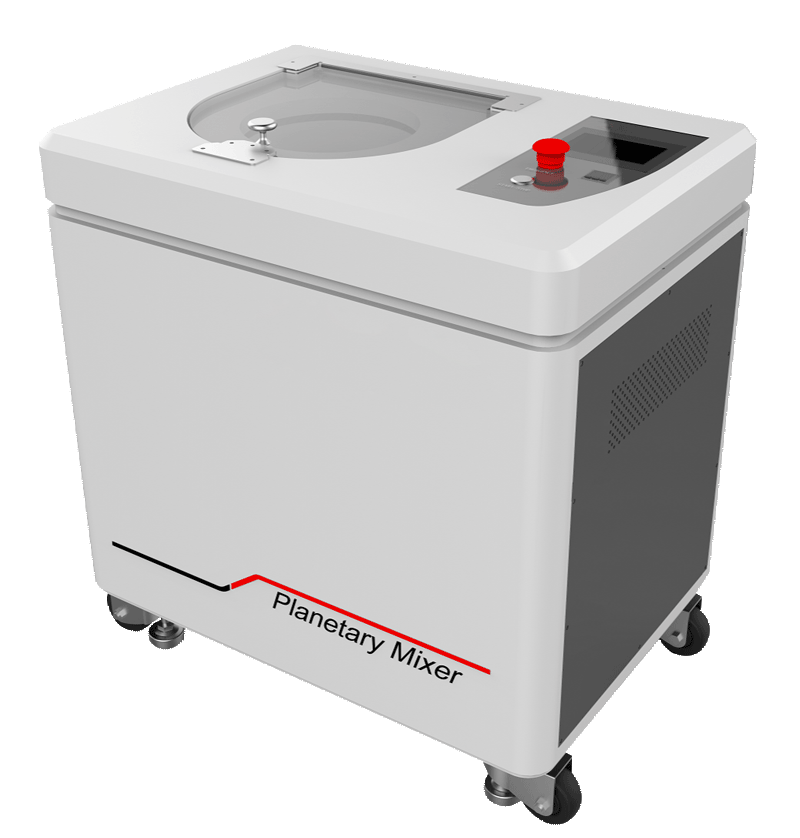
Non Invasive Material Homogenizer: Gentle Sample Prep for Sensitive Powders

If you mix delicate powders or stubborn suspensions, you know the risk. One wrong move creates clumps, heat, or contamination. A Non invasive material homogenizer changes the game by moving the container, not the sample. No probe, no blade, no grinding media inside. The blend stays gentle, sealed, and repeatable. TENCAN builds one, and here is what matters.
What Non Invasive Homogenization Means
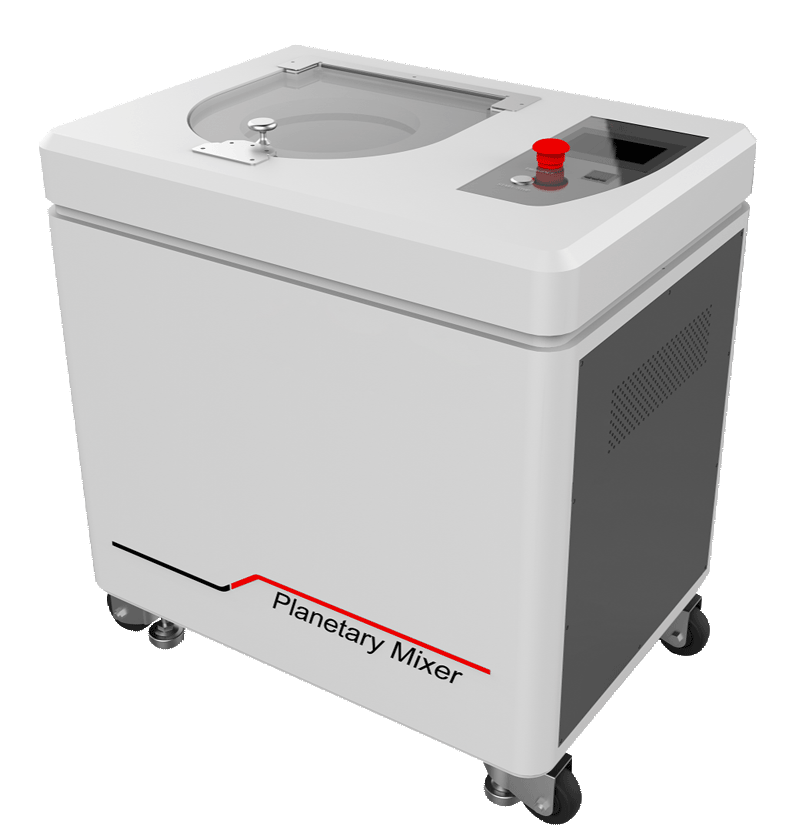
Homogenization makes a mixture uniform. Traditional tools put a rotor, probe, or media inside the sample. That object mixes, but it also touches, heats, and can contaminate. Non invasive homogenization keeps the sample in its own closed container and moves that container in a controlled pattern. Particles tumble and fold without direct contact. Cross-contamination drops, and particle integrity stays intact.
Why Sensitive Materials Need a Gentle Touch
Shear, heat, and static
High shear can break crystals or change powder flow. Friction adds heat that may dry a suspension or alter sensitive ingredients. Static makes fine powders cling and refuse to blend. Gentle container motion avoids all three. It persuades particles to mix instead of forcing them. Closed vessels also mean the sample touches only its own container, so invisible traces from the last batch cannot ruin your results.
How It Works in Practice
Picture a jar of powder. Shake it gently and the powder rolls and mixes. A non invasive homogenizer does that with precise control. Speed, time, and motion path can be adjusted for different materials. Inside the sealed container, particles slide past one another, fill gaps, and break soft agglomerates. There is no sharp impact and no crushing media. Dry powders produce less dust and static. Suspensions produce less foam and heat.
Benefits and Where It Fits
- Particle size preserved: no grinding means the original distribution stays intact.
- Cleaner workflow: no probe cleaning, no media separation, fewer steps.
- Repeatable results: controlled motion means the same recipe works every time.
- Safer operation: sealed containers keep dust in and operators safe.
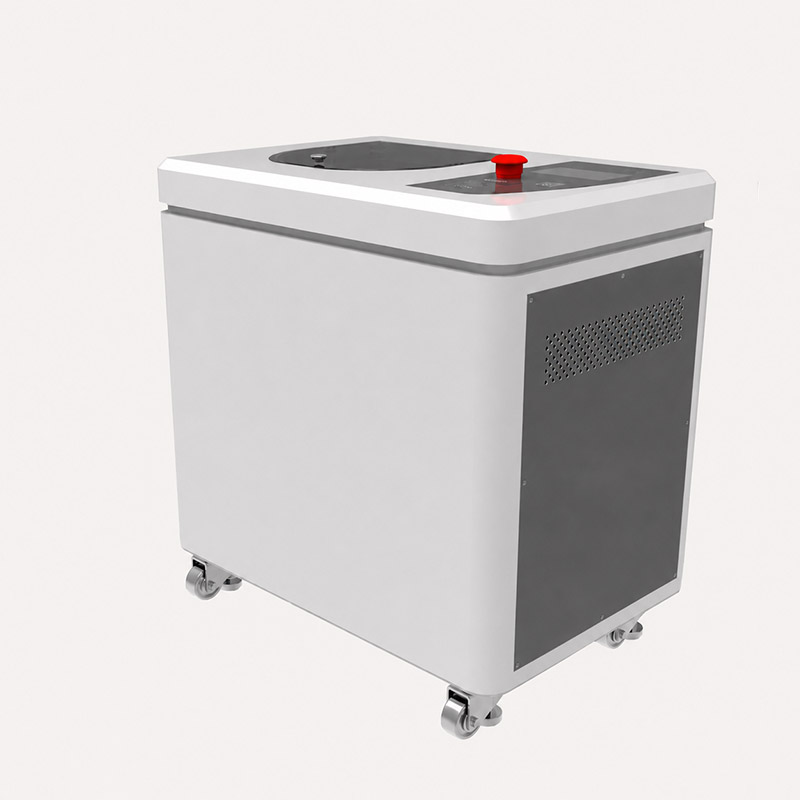
Use it for dry powder blending, powder-liquid dispersion, sample prep before analysis, and small-batch R&D or QC. It is not a ball mill. A mill reduces particle size; this tool blends without grinding. They solve different problems and often work together.
TENCAN’s Non Invasive Material Homogenizer
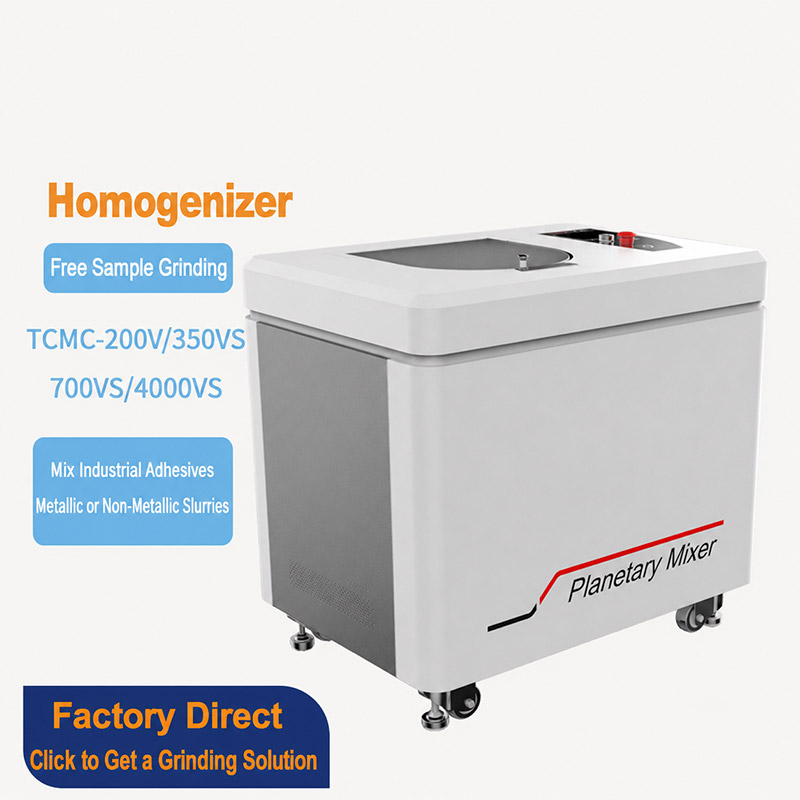
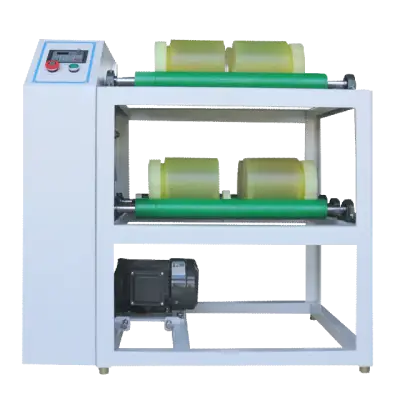
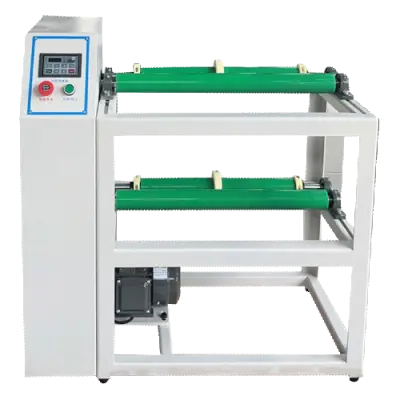
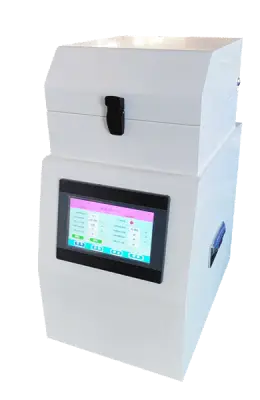
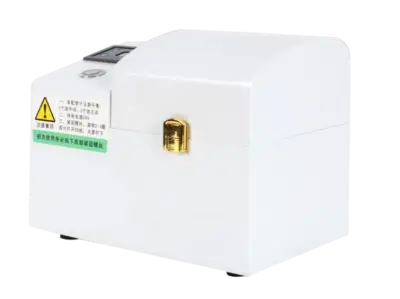
TENCAN offers a Non invasive material homogenizer built around this closed-container idea. It is made for labs that want repeatable mixing without the mess and risk of invasive tools. You can review product details, images, and options on the product page.
Practical Tips and Common Mistakes
Do not overfill. Leave space for movement. Start gentle and increase speed slowly. Run a small trial before scaling up. Keep containers clean and dry, and check seals regularly. Avoid using it for jobs that need size reduction, and never assume maximum speed is best. For sensitive powders, a longer gentle cycle usually beats a short aggressive one.
Wrapping Up
Non invasive homogenization is a practical answer for sensitive materials. If you value particle integrity, clean workflows, and repeatable results, it deserves a serious look. Start with your material, define your goal, and choose the tool that matches the job. For many labs, that tool is a gentle, closed-container homogenizer from TENCAN.
Related Products
Get In Touch
Our professional team will reply to you within one business day. Please feel free to contact us!