
Vertical Tube Furnace: How It Works, Key Parameters, and Real Lab Applications

A vertical tube furnace looks simple — right up until you need one. Then the questions start: how hot does it really run, can it hold a vacuum, and why vertical instead of horizontal? Let's walk through how this furnace works, what its specs mean, and what to check before you buy.
What Is a Vertical Tube Furnace?
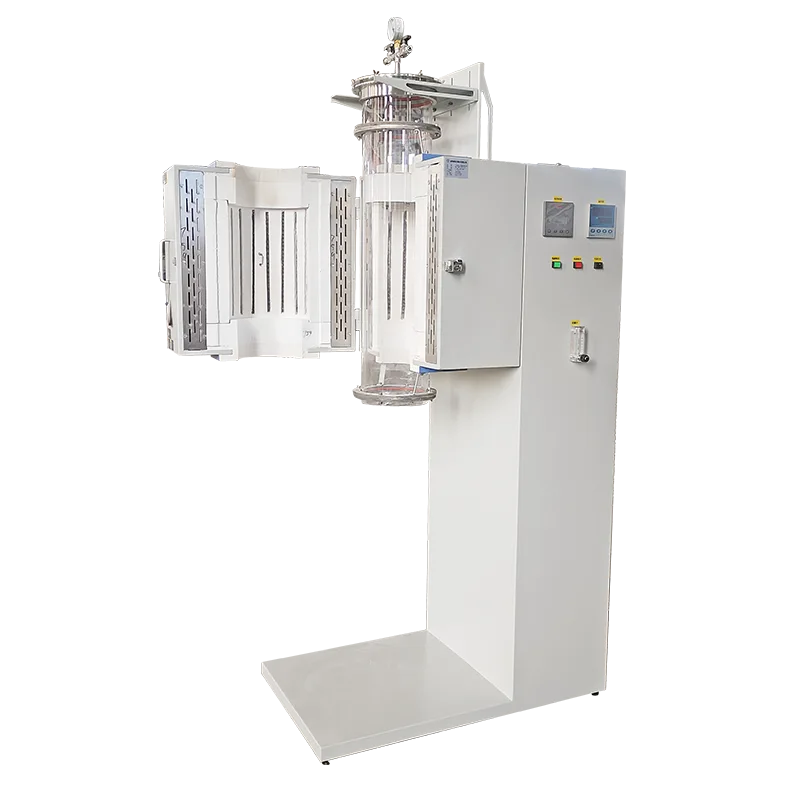
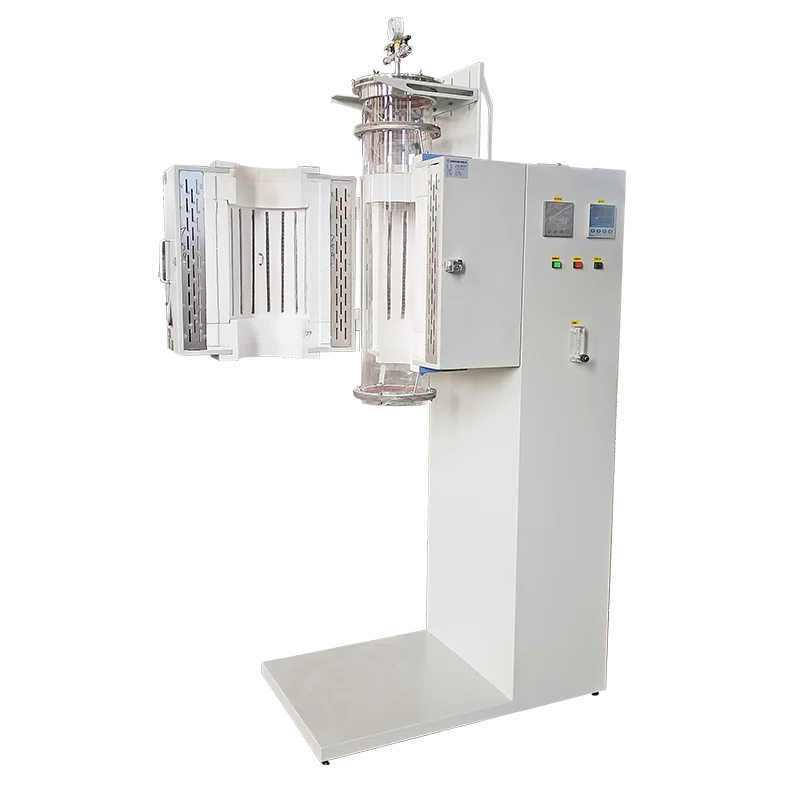
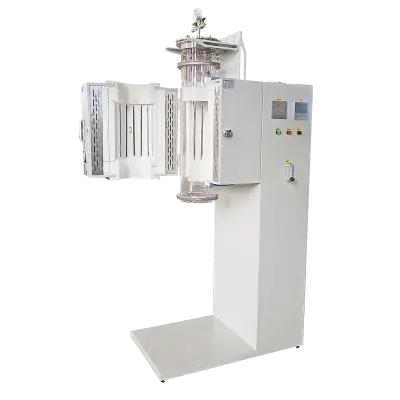
A vertical tube furnace is a high-temperature furnace built around a work tube that stands upright instead of lying flat. Its heating elements wrap around the tube in a cylinder, so your sample is heated from every side rather than from coils beneath a flat chamber. You load from the top or the bottom, and the tube is usually quartz or high-purity alumina that takes the heat without reacting with your material.
Why the Upright Design Wins
In a horizontal furnace, gravity pulls loose powder down onto the tube wall; in a vertical one, the sample sits centred in the hot zone, so powder beds stay level and heat arrives from all directions. Loading is quick and repeatable, and dropping a sample into a cooler zone gives you rapid quenching without moving the furnace — handy when cooling rate decides the final phase.
Three Specs That Decide Everything
Maximum temperature and heating zone length
These two numbers decide what you can actually run. The usable hot zone is always shorter than the tube itself, so match the heating zone length to your sample plus its boat — not to the tube length printed in the brochure.
Atmosphere and sealing
If your process needs inert gas, vacuum, or a reducing atmosphere, sealing matters as much as heating power. Check how the tube ends are closed, where gas enters, and how easily you can swap a contaminated tube.
Controller, ramp rate, and safety
A programmable controller with multi-segment ramps lets you heat and cool along a defined curve instead of guessing. Over-temperature protection and clear alarms mean you can leave it running overnight without babysitting it.
Where a Vertical Tube Furnace Earns Its Place
You will find this design in ceramics and metal powder sintering, annealing, calcination, chemical vapour deposition, and battery research where atmosphere control is everything. Anywhere the sample is small, the atmosphere matters, and the temperature curve has to be predictable, a vertical tube furnace fits.
TENCAN's Vertical Tube Furnace
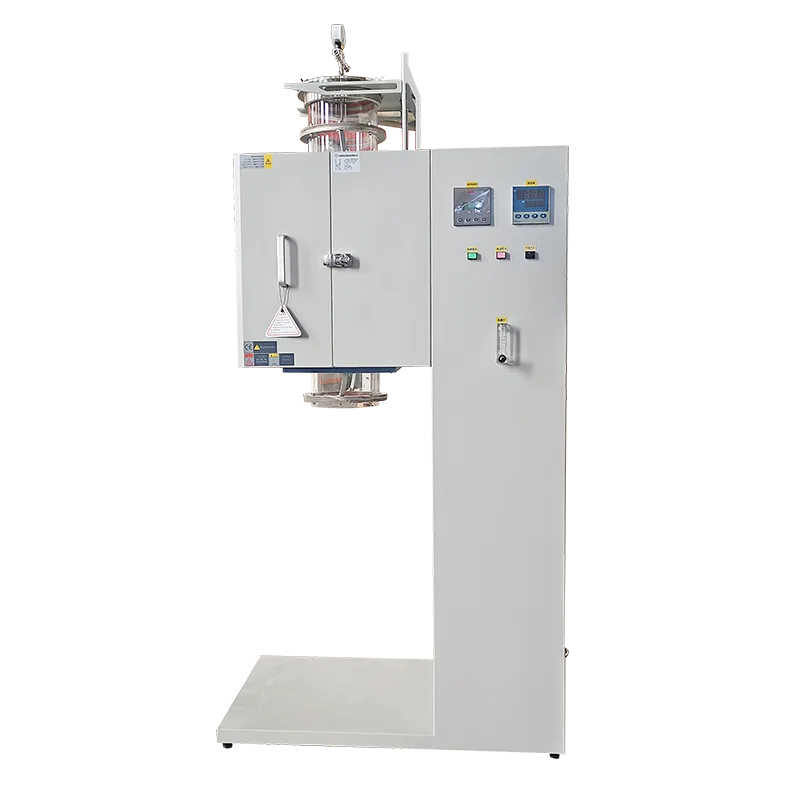
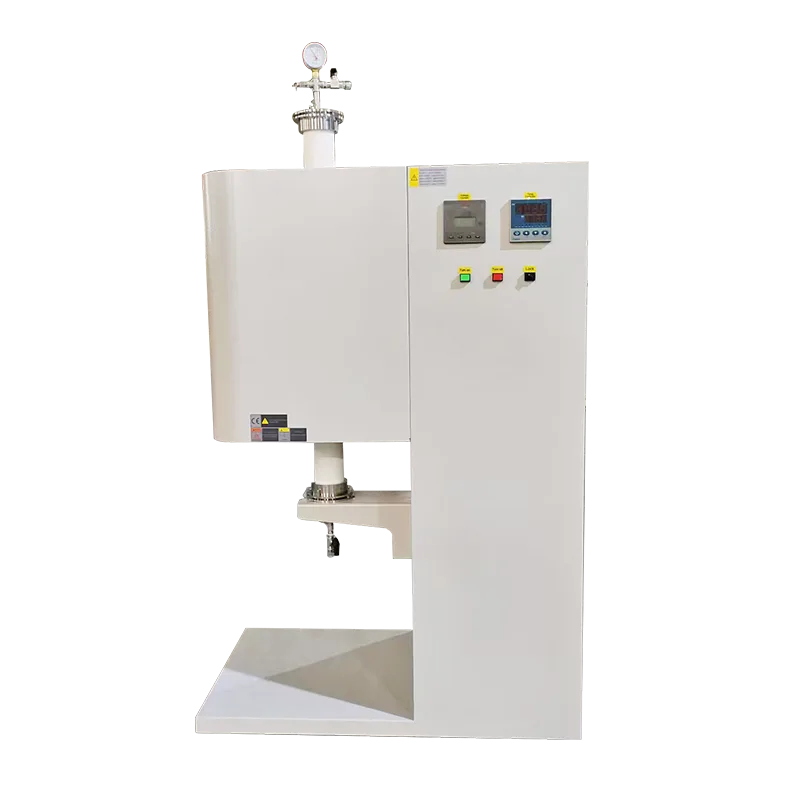
For a concrete example, look at the Vertical Tube Furnace from Changsha TENCAN Powder Technology (TENCAN). It follows the upright tube layout described above, with a programmable temperature controller, an insulated heating chamber, and a hot zone that stays stable while you work.
Before ordering, line up three things: the sample size and boat you will use, the atmosphere you need, and the temperature curve you want to run. Ask the supplier to confirm the heating zone length and the tube material — one question that prevents most post-delivery surprises.
Get the basics right and this furnace becomes a furnace, a reactor, and a quenching station in one upright column. Check the full specifications on the product page and match them to your process, then let it hold a steady temperature while you focus on the results.
Related Products
Get In Touch
Our professional team will reply to you within one business day. Please feel free to contact us!