
Trough Mixer for Powder Blending: How TENCAN Horizontal Mixers Boost Uniformity

Powder mixing looks simple from a distance: put ingredients in, turn on the machine, wait, and discharge a uniform blend. In real production, it is rarely that easy. Fine powders clump, light powders float, dense powders sink, and a blend that looks good in a lab can fail on the line. That is where a Trough mixer earns its keep. At Changsha Tianchuang Powder Technology Co., Ltd. (TENCAN), the Trough mixer is built for the daily work of blending dry powders and granular materials in a horizontal trough. You can see the full TENCAN Trough mixer here. In this article, we will walk through what a trough mixer is, how it works, where it fits, and what to check before you choose one. No jargon walls, no sales fluff. Just practical knowledge you can use on the plant floor.
What Is a Trough Mixer?
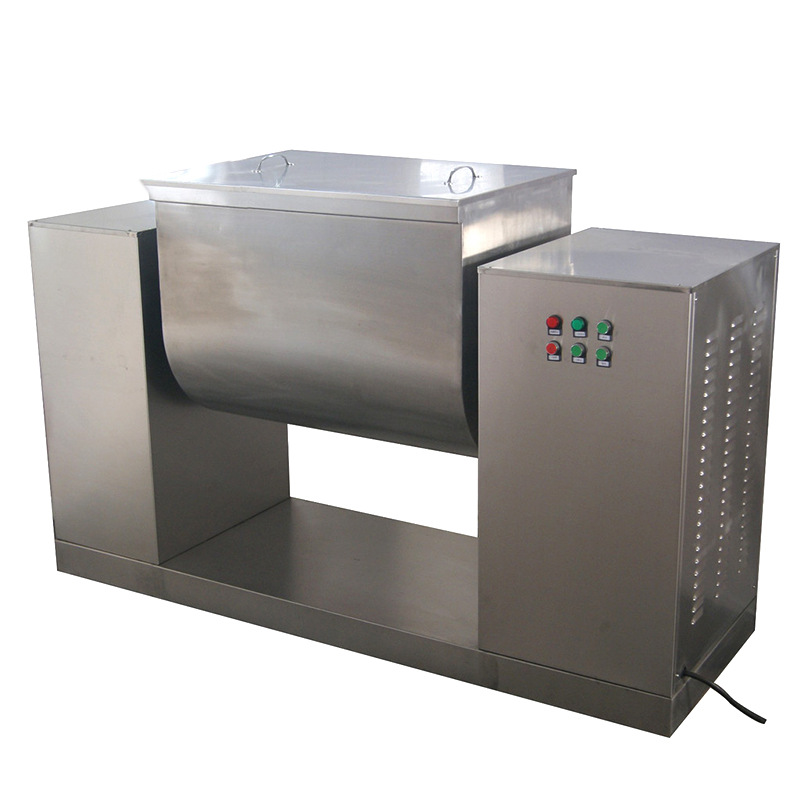
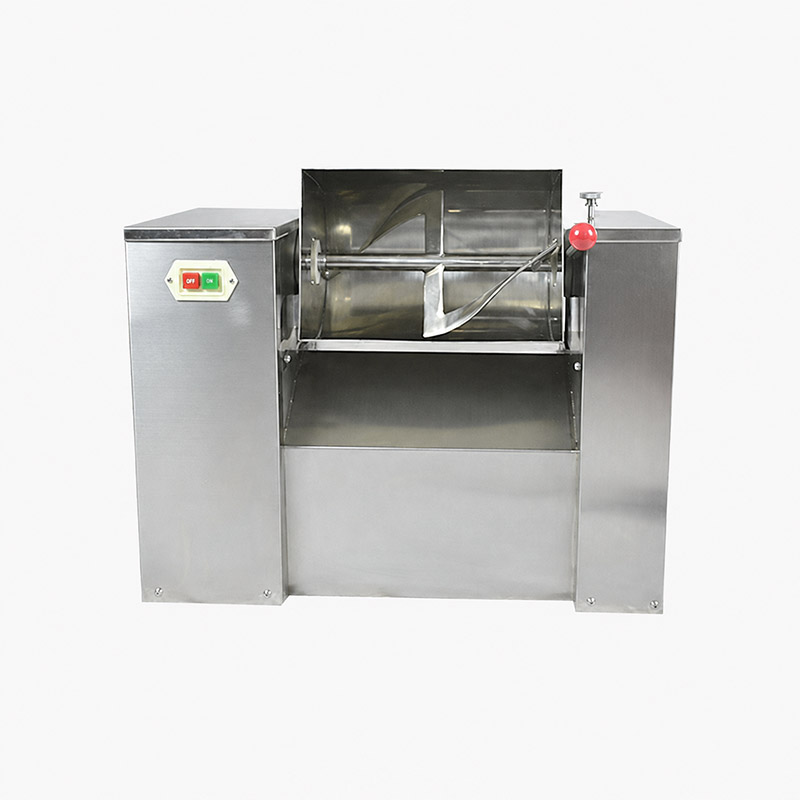
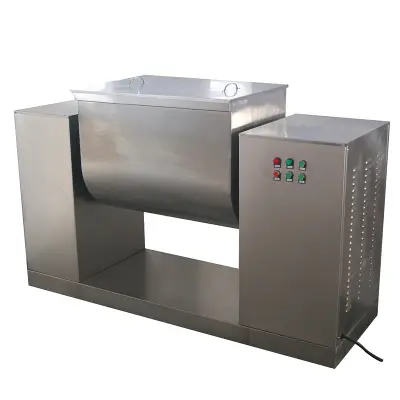
A Trough mixer is a horizontal mixing machine with a long, open-topped or covered vessel shaped like a trough. Inside that trough, a rotating agitator moves the powder through the batch. The agitator is usually a ribbon, paddle, or plough-shaped tool, and its job is to fold, lift, and exchange powder from one end of the vessel to the other. The result is a gentle but thorough blend that works well for dry powders, granules, and other free-flowing or semi-free-flowing materials.
Unlike a high-speed mixer that relies on intense impact, a trough mixer focuses on bulk movement. It does not need to pulverize or coat every particle with force. Instead, it keeps the whole batch moving so that different ingredients meet each other again and again. That is why trough mixers are common in food, chemical, pharmaceutical, battery, ceramic, and powder metallurgy production. They handle the middle ground between a simple drum blender and a more aggressive high-shear mixer.
People often confuse a trough mixer with a ribbon blender. The two are cousins, but the term trough mixer describes the vessel shape and the horizontal mixing approach more than one exact agitator style. At TENCAN, the Trough mixer is a dedicated horizontal mixing solution. The exact configuration depends on your material, so the product page is the best place to confirm dimensions, options, and available sizes.
The Key Parts of a Trough Mixer
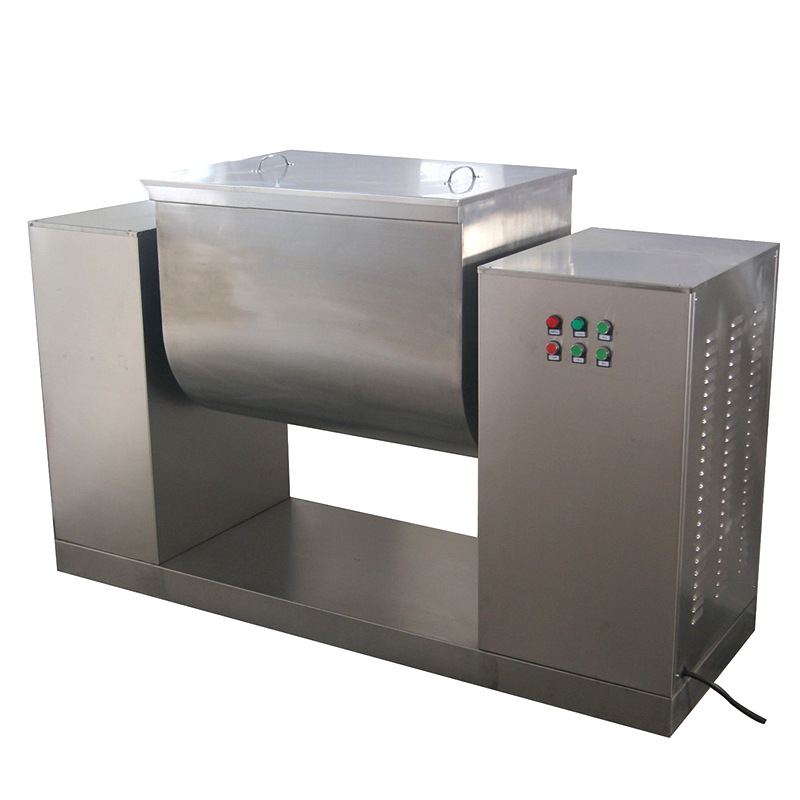
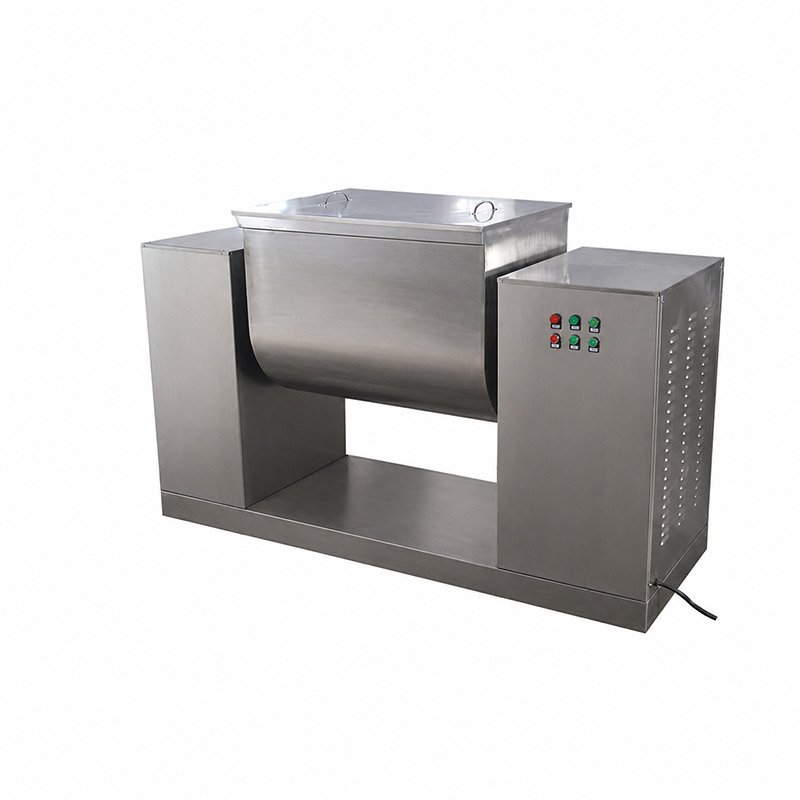
Most trough mixers share the same basic anatomy. There is a horizontal trough, a drive unit, a shaft, and an agitator. Some models have a cover to control dust, a discharge valve at the bottom, and a control panel for starting, stopping, and sometimes reversing the agitator. TENCAN's Trough mixer follows this practical layout and is designed for easy loading, reliable running, and simple cleaning. The product page lists the available sizes and options, so you can match the machine to your batch.
Why the Trough Shape Matters
The trough shape is not just a box with a curve. It gives the agitator room to move powder in a long, looping path. As the agitator turns, powder is pushed up one side, rolls over the top, and slides down the other side. This repeated folding action is what creates a uniform blend. A well-designed trough also reduces dead corners, where unmixed powder can hide. Less dead space means less waste, fewer lumps, and a faster mixing cycle.
How a Trough Mixer Works Inside
Understanding the motion inside a trough mixer helps you get better results. The agitator does not simply stir the powder like a spoon in soup. It creates a controlled flow pattern. In a horizontal trough, the agitator sweeps close to the wall and bottom, lifting material and throwing it back into the center. At the same time, the powder moves along the length of the trough. That combination of radial and axial motion is the heart of the mixing process.
The Three Mixing Actions
Powder mixing usually involves three actions: convection, shear, and diffusion. Convection moves large groups of particles from one place to another. Shear pulls layers of powder across each other, which helps break up small clumps. Diffusion happens when individual particles slowly migrate through the blend. A good trough mixer encourages all three without overdoing any one of them. The result is a blend that is even, but not damaged.
If the agitator is too aggressive, fragile granules can break, and ingredients with different densities can separate again after discharge. If it is too gentle, the batch may never reach the uniformity you need. That is why mixer design matters. TENCAN's Trough mixer uses a horizontal agitator that balances these actions. It is built for consistent blending rather than brute force.
From Charging to Discharge
The mixing cycle usually starts with charging. You load the ingredients into the trough, either manually through the top or automatically through a feed system. Then you close the cover, start the agitator, and let the batch run for the required time. After mixing, the powder discharges through a valve or an open end, depending on the model. A well-planned cycle also includes a short dry run or a quick inspection to confirm uniformity.
The exact mixing time depends on the powder, the fill level, and the agitator speed. There is no single magic number. A common approach is to run a few trial batches, sample at different times, and find the shortest time that gives the uniformity you need. Overmixing wastes energy and can cause segregation in some blends. Undermixing leaves streaks and inconsistent product. The sweet spot is a repeatable cycle that fits your quality standard.
Always check the fill level before you start. Too little powder can reduce mixing efficiency, while too much can overload the drive and leave dead zones. A good rule is to stay within the range recommended for your machine.
Where TENCAN Trough Mixers Fit in Real Production
Trough mixers are versatile, but they are not a universal answer for every powder problem. They shine when you need a reliable horizontal blend of dry powders, granules, or small particles. They are especially useful when the batch size is moderate and the ingredients are not extremely cohesive. TENCAN's Trough mixer is part of the company's mixing series, and you can review the product details at the Trough mixer page.
Dry Powders, Granules, and Delicate Blends
Typical applications include mixing ceramic powders, metal powders, chemical additives, food ingredients, and pharmaceutical excipients. The horizontal action is gentle enough for many granular products, yet strong enough to break soft agglomerates. If your powder is sticky, very light, or highly cohesive, you may need additional features such as choppers or a different mixer type. The key is to test with your actual material, not just a similar powder from a catalog.
Another advantage is flexibility. You can use a trough mixer for simple two-ingredient blends or for more complex recipes with small minor components. When one ingredient is added at a low percentage, the mixer must distribute it evenly without overmixing the whole batch. A horizontal trough helps because the agitator keeps the entire bed in motion, so minor ingredients are folded into the main powder again and again.
Small Batches, Pilot Runs, and Scale-Up
Trough mixers work well in laboratories, pilot plants, and full production. The same basic mixing principle scales from a small unit to a larger one. That makes scale-up less mysterious. If a small trough mixer gives you a good blend at a certain fill level and speed, you can often translate that to a larger model by matching the same motion pattern. You still need trials, but you are not starting from zero.
For growing companies, a trough mixer can be a practical bridge between manual blending and a fully automated powder line. It can run as a standalone batch mixer or become part of a larger system with feeding, weighing, and packaging. TENCAN offers the Trough mixer as a focused solution for this stage of production, and the product page can help you compare available configurations.
Benefits You Can Feel on the Plant Floor
The best mixer is the one that makes your daily work easier. A trough mixer offers several practical benefits that operators notice quickly. It is not just about the blend quality on paper. It is about how the machine behaves during loading, running, cleaning, and maintenance.
Uniformity Without Overworking the Powder
Uniformity is the main reason to mix. A trough mixer creates a consistent blend by moving the whole batch through a repeating flow pattern. Because it does not rely on high-impact blades, it can handle ingredients that are sensitive to heat, breakage, or static charge. This makes it a good fit for many powders that need a gentle touch but still require a reliable, repeatable blend.
Easier Cleaning and Faster Changeover
Cleaning is often the hidden cost in powder processing. A horizontal trough with good access is easier to inspect and clean than a complex high-shear chamber. If you change recipes often, quick cleaning means less downtime and less risk of cross-contamination. TENCAN's Trough mixer is designed with practical access in mind, and the product page outlines the available features. Always follow your own cleaning procedure and material safety rules.
Low Maintenance and Steady Operation
A trough mixer has relatively few moving parts: a drive, a shaft, bearings, and an agitator. With proper lubrication and regular inspection, it can run for years with predictable maintenance. The horizontal design also keeps the load balanced, which reduces vibration and wear. That steady operation is a quiet benefit. It means fewer surprises, fewer unplanned stops, and a more stable production schedule.
Choosing the Right Trough Mixer Setup
Choosing a trough mixer is not about picking the biggest model. It is about matching the machine to your powder, your batch size, and your production habits. A mixer that is too small will bottleneck your line. A mixer that is too large may never run at the right fill level, which can hurt blend quality. The goal is a machine that fits the way you actually work.
Match the Mixer to Your Powder
Start with the material. What is the bulk density? How free-flowing is it? Does it tend to clump, stick, or generate dust? Are there heat-sensitive or fragile ingredients? These answers affect the agitator type, the trough design, and the mixing speed. For example, a light, fluffy powder may need a different agitator profile than a dense metal powder. A sticky powder may need more access for cleaning or a different mixing approach altogether.
Also consider the recipe. How many ingredients? What is the smallest minor component? What uniformity do you need? If you are blending an active ingredient at a very low percentage, you need a mixer that can distribute it evenly without long overmixing. If you are simply combining two similar powders, the requirements are easier. Be honest about your process, because the mixer will only be as good as the information you give it.
Questions to Ask Before You Buy
- What is my typical batch size by weight and by volume?
- What is the bulk density of the powder, and how much volume will it occupy in the trough?
- How free-flowing or cohesive is the material?
- Do I need dust control, a cover, or a specific discharge height?
- Will the mixer be loaded manually or by an automatic system?
- What cleaning method will I use, and how often will I change recipes?
- What utilities are available: power, air, and space?
- What documentation, safety features, and finish do I need?
Write down your answers before you talk to a supplier. Clear requirements lead to a better recommendation and fewer surprises after installation. TENCAN's Trough mixer product page is a good place to review the standard options and start a conversation with real information.
Trough Mixer vs Other Powder Mixers
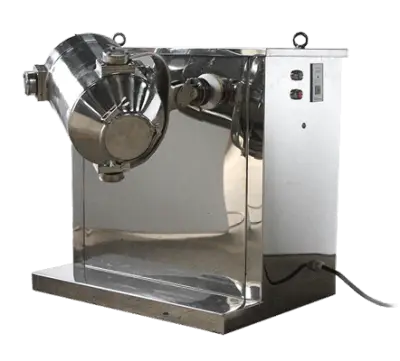
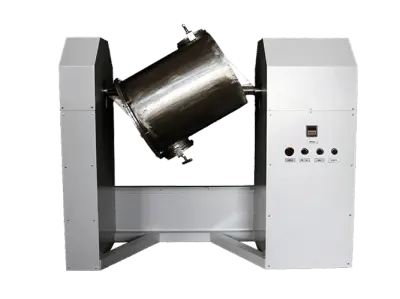
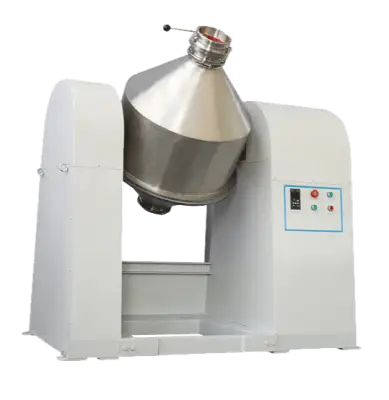
It helps to know where a trough mixer sits among other common mixing styles. A V-blender and a double-cone blender are great for free-flowing powders and gentle blending, but they can struggle with cohesive materials and often have lower capacity for the same footprint. A ribbon blender is similar to a trough mixer, but the agitator design and flow pattern can differ. A high-shear mixer can break down agglomerates and create very intense blends, but it can also damage fragile particles and is harder to clean.
When a Trough Mixer Wins
A trough mixer wins when you need a horizontal, gentle, and reliable blend with good batch control. It is a strong choice for dry powders and granules, especially when you want easy loading and discharge. It also works well when you plan to scale up from a pilot batch to production, because the basic mixing action stays consistent. If your process values repeatability, simple maintenance, and practical cleaning, a trough mixer is worth a close look.
When Another Mixing Style Might Be Better
If your powder is extremely cohesive, very light, or prone to floating, you may need a mixer with additional choppers, a different agitator, or a more enclosed design. If you need particle coating, high-intensity shear, or very short cycle times, a high-shear mixer may be a better fit. If you are blending large volumes of free-flowing powder with no special requirements, a simple drum blender might be enough. The right answer depends on your material and your quality target.
Maintenance and Safe Operation Tips
A trough mixer is a workhorse, but it still needs care. Good maintenance protects blend quality, extends machine life, and keeps operators safe. The habits below are simple, and they pay off quickly.
Daily and Weekly Checks
- Check the agitator for wear, buildup, or damage before each shift.
- Listen for unusual noise or vibration during operation.
- Inspect seals and bearings for powder leakage or overheating.
- Confirm that the discharge valve closes fully and opens smoothly.
- Clean dust from the drive area to prevent overheating.
- Follow the manufacturer's lubrication schedule.
Keep a simple log. If you notice a change in mixing time, power draw, or blend quality, investigate early. Small issues are easier to fix than a failed batch or a production stop.
Cleaning and Contamination Control
Cleaning is part of quality. After each recipe change, remove residual powder from the trough, agitator, seals, and discharge area. Use methods that match your material and safety rules. If your powder is hazardous, use the appropriate dust control and personal protective equipment. A clean mixer prevents cross-contamination and helps you trust every batch.
Making Your Next Powder Blend More Predictable
Powder blending does not have to be a guessing game. A Trough mixer gives you a practical way to blend dry powders and granules with a horizontal action that is gentle, repeatable, and easy to fit into real production. The key is to understand your material, choose the right size and configuration, and run a few trials to lock in a mixing cycle. Once that cycle is set, you can focus on the rest of your process instead of chasing blend quality.
If you are exploring a trough mixer for your line, start with your requirements. Know your batch size, bulk density, flow behavior, and cleaning needs. Then review the TENCAN Trough mixer and talk through the details. A good mixer will not solve every powder problem, but the right one will make your daily blending work noticeably easier. That is the real goal: a reliable blend, a clean process, and a machine that keeps up with your production.
Related Products
Get In Touch
Our professional team will reply to you within one business day. Please feel free to contact us!