
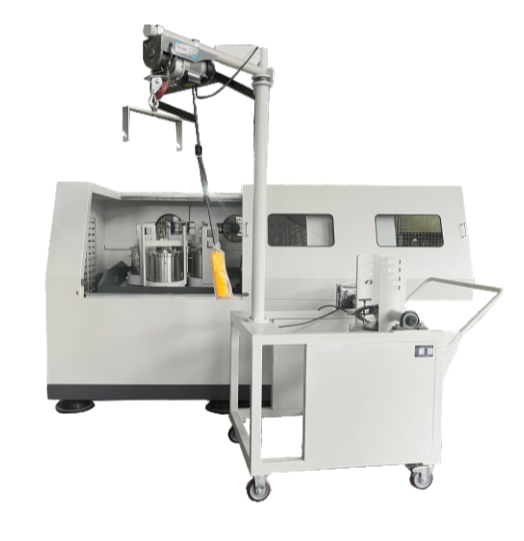
Heavy-duty Full-directional Planetary Ball Mill: A Complete Guide for Your Lab

Why Planetary Ball Mills Are the Workhorses of Modern Labs
If you've ever tried to grind a hard, brittle material down to micron or even nanometer size, you know it's not as simple as tossing it in a blender. You need controlled energy, repeated impacts, and a way to keep the sample from heating up too much. That's where planetary ball mills come in. They're called 'planetary' because the grinding jars rotate around a central axis, like planets orbiting the sun. This dual motion creates a powerful centrifugal force that makes the grinding balls inside the jars crash into the sample at high speed. The result? Fine powders with consistent particle size, often in a fraction of the time of other milling methods.
But not all planetary ball mills are created equal. Some are built for light-duty tasks, while others are designed to handle tough materials day in and day out. The Heavy-duty Full-directional Planetary Ball Mill from TENCAN is one of the latter. It's a machine that combines robust construction with a clever full-directional grinding motion, making it a favorite for labs that need reliable, repeatable results. In this article, we'll take a deep dive into what makes this mill tick, how it works, and why it might be the missing piece in your sample preparation workflow.
What Exactly Is a Planetary Ball Mill?
Before we get into the heavy-duty specifics, let's make sure we're on the same page about the basics. A planetary ball mill is a type of grinder that uses rotating jars to reduce the size of solid materials. Each jar sits on a rotating disk (the 'sun wheel') and also spins around its own axis. Because the jar rotates in the opposite direction of the disk, the grinding balls inside are subjected to a complex combination of centrifugal and Coriolis forces. They roll down the inner wall of the jar, then get flung across to impact the sample, and finally friction against the wall. This constant cycle of impact and friction breaks down the particles.
The beauty of this design is that you can control the energy input by adjusting the rotational speed. Higher speeds mean more energy, which can grind materials faster and finer. But higher speeds also generate more heat, so you need a mill that can handle that without compromising the sample. That's where the heavy-duty aspect comes in.
The Core Components of a Planetary Ball Mill
Every planetary ball mill has a few key parts. First, there's the grinding jar, often made of stainless steel, tungsten carbide, agate, zirconia, or alumina. The material you choose depends on your sample and how much contamination you can tolerate. Second, there are the grinding balls, which come in various sizes and materials. Third, there's the sun wheel or main disk that holds the jars and rotates them. Fourth, there's the motor and drive system that powers the motion. Finally, there's a control panel that lets you set speed, time, and sometimes even direction. The Heavy-duty Full-directional model from TENCAN takes these components and beefs them up for demanding applications.
Why 'Heavy-duty' and 'Full-directional' Matter
You might see these terms and think they're just marketing buzzwords. But in the world of milling, they mean something specific. Let's break them down.
Heavy-duty: Built to Last and Perform Under Pressure
A heavy-duty planetary ball mill is designed for continuous operation with hard materials. It typically has a more powerful motor, stronger jar clamping mechanisms, and better cooling systems. This means you can run it for longer periods without overheating, and you can grind tough materials like ceramics, minerals, and metal oxides without wearing out the machine. If you've ever burned out a cheap mill after a few weeks of hard use, you know why heavy-duty matters. The TENCAN Heavy-duty model is engineered to handle high-energy milling with minimal downtime.
Full-directional: More Than Just a Spin
Full-directional milling refers to the ability of the jars to move in multiple directions—not just the standard planetary motion. In a full-directional mill, the jars can be programmed to rotate in different patterns, sometimes reversing direction or changing the angle of the grinding chamber. This prevents the sample from packing into one spot and ensures that every particle gets hit. It also reduces the chance of 'dead zones' where material isn't being ground. The result is faster, more uniform grinding, especially for materials that tend to clump or stick. TENCAN's full-directional technology is a big reason why this mill stands out.
The Synergy of Heavy-duty and Full-directional
When you combine a heavy-duty build with full-directional motion, you get a mill that can tackle jobs that would stall or damage lesser machines. The robust motor and cooling system handle the extra load of constant direction changes, while the full-directional action prevents the jar from overheating in one spot. This synergy means you can run longer cycles, grind harder materials, and still get the uniform results you need. It's not just about power; it's about smart power delivery.
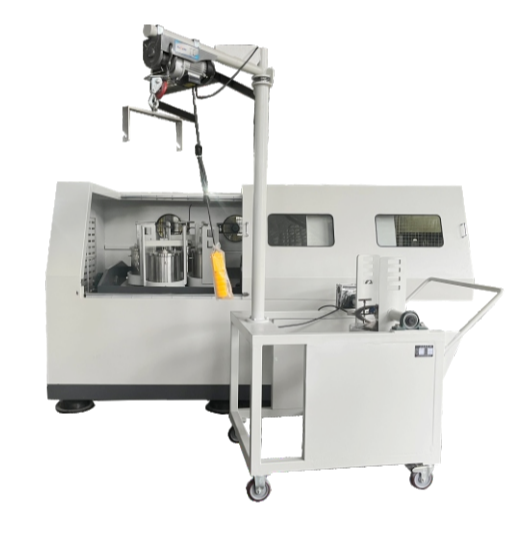
Inside the TENCAN Heavy-duty Full-directional Planetary Ball Mill
Now let's get up close and personal with the machine itself. The Heavy-duty Full-directional Planetary Ball Mill is one of TENCAN's flagship products, and for good reason. It's built with a sturdy frame that absorbs vibration, a high-torque motor that can handle heavy jars, and a user-friendly interface that lets you save multiple grinding programs. But what really sets it apart is the full-directional motion system, which can be adjusted on the fly to suit your material.
One of the first things you'll notice is the secure jar clamping. You don't want a jar flying off during a high-speed run, so TENCAN uses a robust locking mechanism that keeps everything in place. The machine also has safety features like a lid interlock and over-temperature protection, so you can walk away without worrying. And because it's designed for heavy-duty use, the components are made from high-strength materials that resist wear and tear.
Key Features That Make a Difference
- Powerful drive system: The motor delivers high torque even at low speeds, which is essential for grinding tough materials without stalling.
- Programmable full-directional motion: You can set the jars to rotate in forward, reverse, or oscillating patterns. This flexibility helps prevent agglomeration and improves particle size distribution.
- Multiple jar capacity: The mill can accommodate different jar sizes and materials, from small 50 ml jars to larger 500 ml or even 1-liter jars, depending on your needs.
- Efficient cooling: Heavy-duty grinding generates heat. This mill has an optimized cooling system that keeps the jars at a safe temperature, protecting heat-sensitive samples.
- Easy-to-use controls: The digital interface lets you set speed, time, and direction with a few taps. You can also store programs for repeatable results.
- Durable construction: From the hardened steel gears to the reinforced housing, every part is built to last.
If you want to see the full technical specifications, you can visit the Heavy-duty Full-directional Planetary Ball Mill product page. There you'll find details on jar sizes, speed ranges, and power requirements.
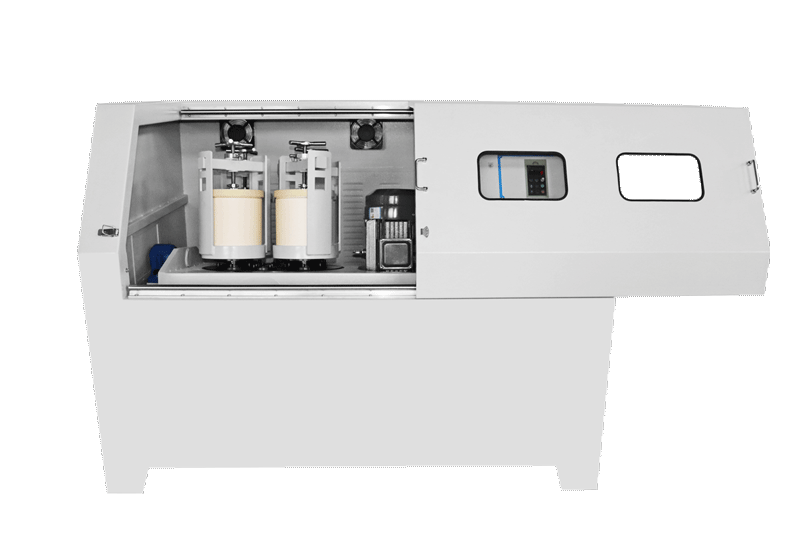
How Full-directional Milling Improves Your Results
Let's dig a little deeper into why full-directional motion is such a big deal. In a standard planetary ball mill, the jars rotate in one direction. The grinding balls tend to follow a predictable path, which can lead to uneven wear and inconsistent grinding. Some particles might get stuck in corners or along the walls, never getting the full impact they need.
With full-directional milling, the jars can change direction or tilt, which disrupts the ball path. This means the balls hit the sample from different angles, and the entire jar volume gets used. For you, that translates to:
- Faster grinding: Because the energy is distributed more efficiently, you can reach your target particle size in less time.
- Better uniformity: No more worrying about a few coarse particles hiding in the mix. The full-directional action ensures a tighter particle size distribution.
- Less sample loss: When material doesn't stick to the walls, you get more of your sample back.
- Reduced contamination: Efficient grinding means you don't have to run the mill as long, which reduces wear on the jars and balls, and therefore less contamination from the grinding media.
This is especially important for materials that are sticky, fibrous, or prone to cold welding. If you've ever tried to mill a soft metal or a polymer, you know how quickly things can go wrong. Full-directional milling helps keep the sample moving and prevents it from forming a solid mass.
Applications: Where Does This Mill Shine?
The Heavy-duty Full-directional Planetary Ball Mill is a versatile tool that can be used in many fields. Let's look at some of the most common applications.
Materials Science and Nanotechnology
Researchers in materials science often need to produce nanoparticles or nanocrystalline powders. This requires high-energy milling with precise control. The full-directional motion helps achieve smaller particle sizes and better crystallinity. You can use it to prepare samples for X-ray diffraction (XRD), scanning electron microscopy (SEM), or other characterization techniques. Whether you're working with oxides, carbides, or composites, this mill can handle the job.
Pharmaceuticals and Biotech
In the pharmaceutical industry, particle size can affect drug solubility, bioavailability, and efficacy. Planetary ball mills are used to micronize active pharmaceutical ingredients (APIs) and excipients. The heavy-duty design ensures that the mill can run for extended periods without overheating, which is crucial when you're processing heat-sensitive compounds. The full-directional action also helps maintain a sterile environment by reducing the need for manual intervention.
Geology and Mining
Geologists and mining engineers use ball mills to prepare rock, mineral, and ore samples for analysis. These materials are often hard and abrasive, so you need a mill that can take a beating. The TENCAN heavy-duty model is up to the challenge. It can grind hard rocks like quartz, feldspar, and iron ore into fine powders for assays, XRF analysis, or petrographic studies.
Environmental and Recycling
With growing interest in recycling and waste management, ball mills are used to process electronic waste, batteries, and other materials to recover valuable metals or prepare samples for analysis. The full-directional motion helps break down complex mixtures, and the heavy-duty construction ensures long life even with abrasive feedstocks.
Agriculture and Food Science
Plant materials, seeds, and soil samples often need to be ground for nutrient analysis or pesticide residue testing. A planetary ball mill can handle these softer materials quickly and efficiently. The full-directional motion prevents clumping, which is common with fibrous plant matter.
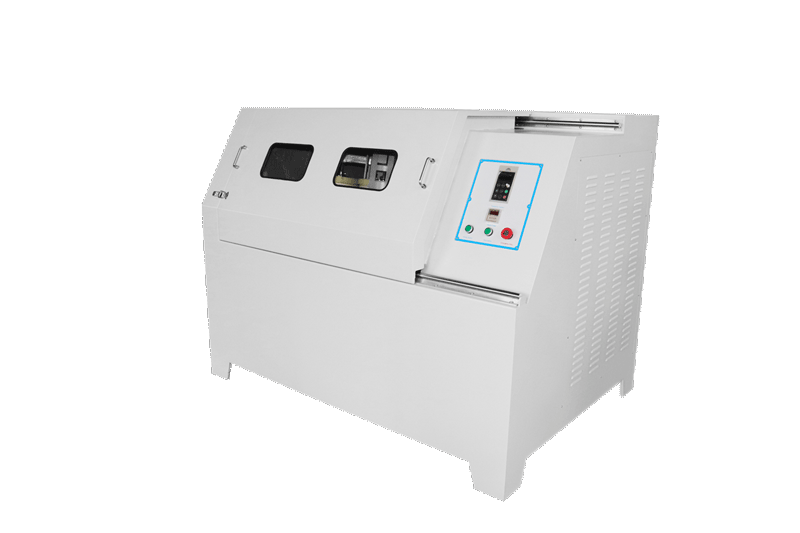
Getting the Most Out of Your Mill: Tips and Best Practices
Whether you're a seasoned lab technician or new to milling, a few simple tips can help you get better results and extend the life of your equipment.
Choose the Right Jar and Ball Material
The material of your grinding jar and balls should match your sample. If you're grinding a hard ceramic, you might use a tungsten carbide jar and balls. For soft materials, agate or zirconia might be better. The goal is to minimize contamination while maximizing impact energy. TENCAN offers a range of jar and ball options to suit different applications.
Optimize the Ball-to-Powder Ratio
This is the ratio of the mass of grinding balls to the mass of your sample. A higher ratio means more impact events per unit of sample, which can grind faster but also generates more heat and wear. A typical starting point is 10:1, but you may need to adjust based on your material. If you're grinding a very hard material, you might go as high as 20:1 or more.
Control the Speed and Time
Faster isn't always better. Running the mill at maximum speed can cause excessive heating and may even damage the sample. Start at a moderate speed and increase gradually. Similarly, longer milling times can lead to contamination and amorphous phases. Run a few trials to find the sweet spot for your material.
Use the Full-directional Feature Wisely
The full-directional motion is a powerful tool, but you don't always need it. For simple grinding tasks, standard planetary motion might suffice. For difficult samples or when you need ultra-fine particles, switch on the full-directional mode. Experiment with different patterns to see what works best.
Keep It Clean
After each use, clean the jars and balls thoroughly to prevent cross-contamination. Use a soft brush and appropriate solvents. Check the seals and O-rings regularly and replace them if they show signs of wear.
Don't Overload the Jars
Overloading can reduce grinding efficiency and put extra stress on the motor. As a rule of thumb, fill the jar no more than one-third full with balls and sample combined. Leave enough space for the balls to move freely.
Safety First: Operating a Heavy-duty Mill
Planetary ball mills are powerful machines, and safety should always be your top priority. Here are some key safety practices:
- Read the manual: Before you start, read the instruction manual thoroughly. Understand the emergency stop procedure and all safety interlocks.
- Secure the jars: Always double-check that the jars are properly clamped before starting the mill. A loose jar can become a dangerous projectile.
- Use personal protective equipment (PPE): Wear safety glasses, a lab coat, and gloves when handling samples and cleaning the mill.
- Don't open the lid while running: The mill should have a lid interlock that prevents operation with the lid open. Never bypass this feature.
- Monitor temperature: If your mill has a temperature display, keep an eye on it. If it gets too hot, stop and let it cool down.
- Regular maintenance: Check belts, gears, and electrical connections periodically. Lubricate moving parts as recommended by the manufacturer.
By following these guidelines, you can enjoy the benefits of high-energy milling without putting yourself or your colleagues at risk.
Why Choose TENCAN?
You might be wondering why TENCAN is a name you should trust for your lab equipment. TENCAN (Changsha Tianchuang Powder Technology Co., Ltd.) has been specializing in powder technology and milling equipment for years. They focus on research and development, and their products are known for their reliability and performance. The Heavy-duty Full-directional Planetary Ball Mill is a testament to their engineering expertise. It's designed to meet the needs of modern laboratories that demand precision, durability, and flexibility.
What's more, TENCAN provides excellent support. If you have questions about which mill or accessories are right for your application, their team can help. They also offer a range of grinding jars and balls to complement the mill. So you're not just buying a machine; you're getting a complete milling solution.
If you're ready to take your sample preparation to the next level, check out the Heavy-duty Full-directional Planetary Ball Mill on the TENCAN website. You'll find detailed specifications, accessory options, and contact information to get a quote.
Final Thoughts: Is This Mill Right for You?
Choosing a planetary ball mill is a big decision. You need something that can handle your materials, fit your budget, and last for years. The Heavy-duty Full-directional Planetary Ball Mill from TENCAN checks a lot of boxes. It's powerful, versatile, and built to withstand the rigors of daily use. The full-directional motion is a genuine innovation that can improve your grinding results, especially for challenging samples.
Of course, every lab is different. If you're mainly grinding soft materials in small batches, a lighter-duty mill might be sufficient. But if you need reliability, speed, and the ability to handle tough jobs, the heavy-duty full-directional model is worth considering. It's an investment in your lab's productivity and the quality of your data.
We hope this article has given you a clear picture of what this mill can do. If you're still curious, the best next step is to visit the product page and see the specs for yourself. And if you have specific questions, don't hesitate to reach out to TENCAN. They're the experts, and they're happy to help you find the right milling solution. Don't settle for less than your research deserves.
Related Products
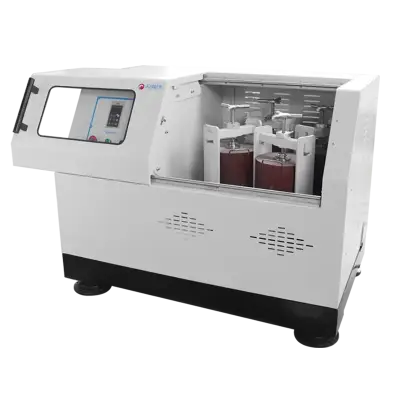
XQM-20 20L Vertical Production Planetary Ball Mill
XQM-20
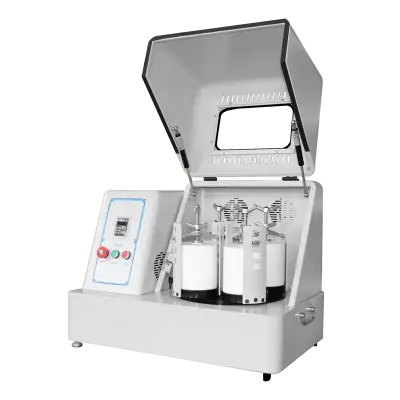
Laboratory planetary grinder
XQM
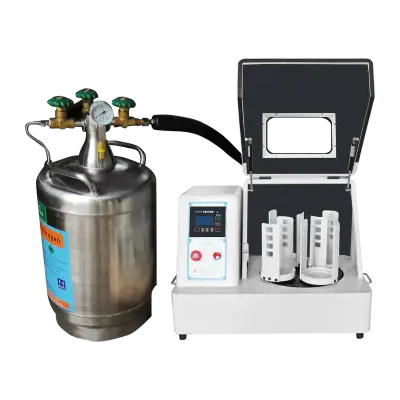
Liquid Nitrogen Planetary Ball Mill
XQM
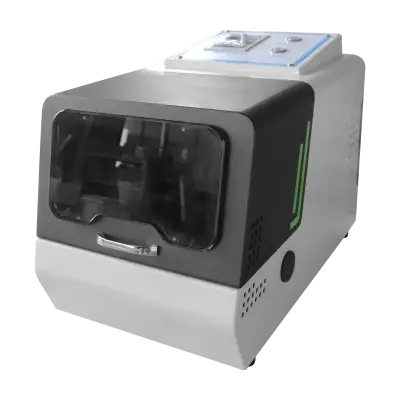
Micro Planetary Ball Mill
XQM-0.2
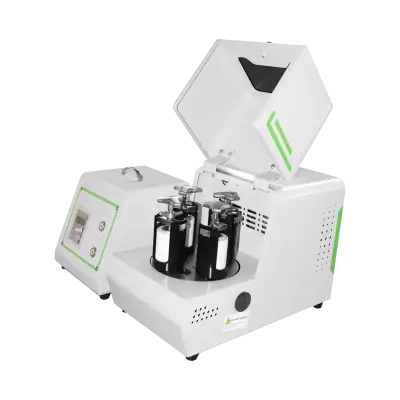
Micro Planetary Ball Mill
XQM-0.2S

A grade Corundum planetary Mill Jar
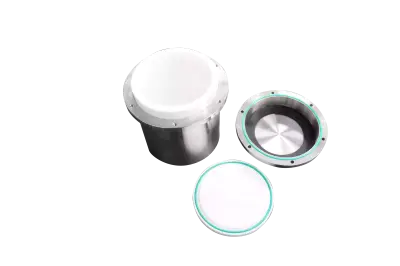
304 stainless steel lined with zirconia mill jar
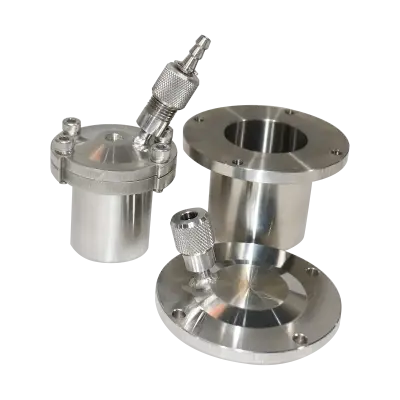
vacuum planetary mill jar
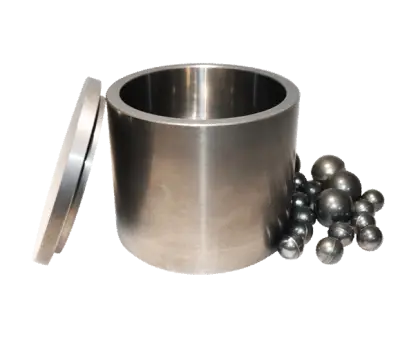
Tungsten carbide planetary mill jar
Get In Touch
Our professional team will reply to you within one business day. Please feel free to contact us!