
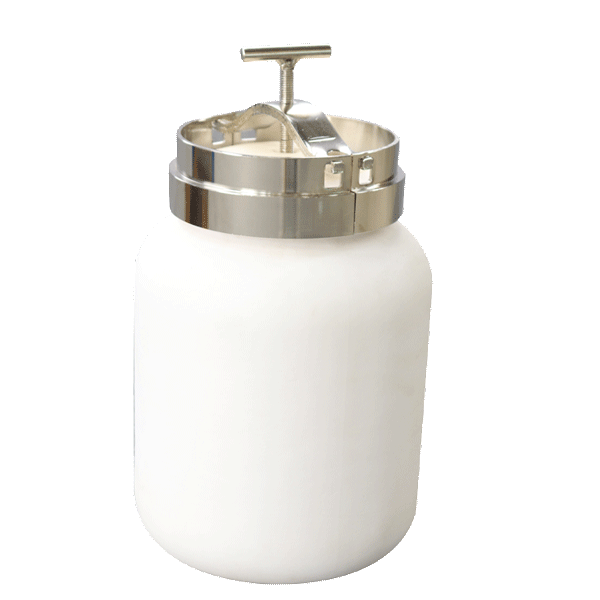
Corundum Roll Mill Jar: High-Wear Durable Grinding Jars for Planetary Ball Mills

If you spend any time around planetary ball mills, you already know that the jar is not just a container. It is the chamber where every collision, every scrape, and every bit of wear happens. Pick the wrong material and you can spend more time cleaning contamination than grinding samples. Pick the right one and the mill quietly does its job, run after run.
That is where the corundum roll mill jar comes in. This is a grinding jar made from corundum, a material chosen for its hardness and wear resistance. TENCAN offers a corundum roll mill jar designed for roller ball mills and planetary ball mills. If you want to see the exact product, you can visit the corundum roll mill jar page.
We are going to walk through what this jar is, why corundum matters, how to use it well, and what to check before you buy. No fluff, no lab-coat lecture. Just the practical stuff you need to get better grinding results.
What Makes a Corundum Roll Mill Jar Different?
A standard ball mill jar might be made from stainless steel, agate, zirconia, or even plastic. Each material has a personality. Corundum brings its own set of strengths. The name corundum tells you the jar is built around a very hard mineral. That hardness is the whole point. When you grind abrasive powders, the jar itself becomes a wear part. Corundum stands up to that wear better than many softer materials.
But there is more to it than hardness. A roll mill jar is also shaped for a specific kind of motion. In a roller ball mill, the jar sits on rollers and spins. In a planetary ball mill, the jar spins around its own axis while the whole platform revolves. The jar has to handle both the tumbling media and the centrifugal forces. The corundum roll mill jar is made to fit that role.
The word corundum in plain language
Corundum is a mineral. You have probably met its relatives without knowing it. Ruby and sapphire are corundum with trace elements that give them color. In industrial grinding, corundum is used for its toughness. It does not scratch easily, and it does not soften when things get warm. That makes it a natural candidate for a grinding jar.
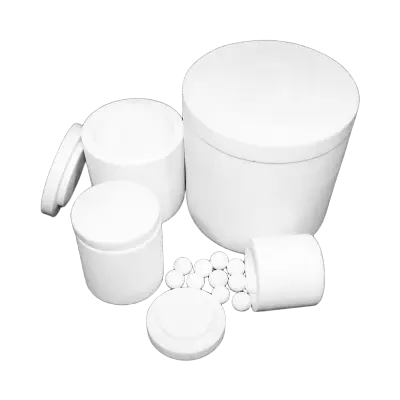
When we say corundum roll mill jar, we mean a jar whose grinding surfaces are made from this hard material. The jar may have a ceramic body, a matching lid, and a sealing system. The exact construction depends on the model. TENCAN's product page shows the jar and its available options.
Roll mill jar vs. standard ball mill jar
You might wonder why the name says roll mill. Roller ball mills and planetary ball mills both use jars, but the motion is different. A roller mill jar is often cylindrical and rolls on a set of powered rollers. A planetary mill jar is clamped into a rotating disk. Some jars work in both setups. The corundum roll mill jar is designed to be a good citizen in roll mill configurations while still being useful in planetary mills.
If you are running a roller mill, you want a jar that will not slip, crack, or wobble. If you are running a planetary mill, you want a jar that can take high-energy impacts. The corundum roll mill jar is built with those demands in mind.
Why Corundum Is a Smart Choice for Grinding
Let us talk about why you would pick corundum over other jar materials. There is no perfect material for every job, but corundum has a few clear advantages.
Wear resistance that protects your sample
The biggest enemy in grinding is wear. Every time the media hits the jar wall, a tiny bit of material can flake off. If that material is metal, you get iron contamination. If it is a soft ceramic, you get extra fines that are not your sample. Corundum resists this better than many alternatives. That means less jar material in your powder and more of your actual sample.
This matters most when you are grinding hard, abrasive materials. Think ceramics, minerals, glass, and some metal oxides. These powders act like sandpaper on the inside of the jar. A softer jar will wear out quickly and contaminate the batch. A corundum jar holds its shape longer.
Thermal stability for real-world grinding
Grinding generates heat. When media tumble and collide, friction turns mechanical energy into warmth. Some jars get hot enough to affect sensitive samples. Corundum handles heat well. It does not warp or lose its shape at typical milling temperatures. That makes it a reliable choice for long runs.
Of course, you still need to manage heat. If your sample is temperature-sensitive, you can run shorter cycles, use pauses, or choose a lower speed. But the jar itself will not be the weak link.
Chemical inertness when you need it
Corundum is generally chemically stable. That means it will not react with most acids, bases, or solvents at room temperature. If you are grinding in a liquid medium, this is a big plus. You do not want the jar to leach into your slurry or catalyze unwanted reactions.
That said, no material is completely inert under every condition. Strong hot alkalis and some aggressive chemicals can attack ceramics over time. If your process uses harsh chemistry, check compatibility before you commit. The TENCAN product page can point you to the right questions to ask.
When corundum is not the best fit
We should be honest: corundum is not for everyone. If you need maximum impact energy and your sample is not sensitive to contamination, tungsten carbide or stainless steel might be better. If you are grinding very soft materials and want to avoid hard media, agate or zirconia could be a better match. Corundum shines when you need a balance of hardness, wear resistance, and chemical stability.
Also, corundum jars are heavier than plastic jars. If your mill has a strict weight limit, check the jar weight before ordering. The product page will have the details.
Inside the TENCAN Corundum Roll Mill Jar
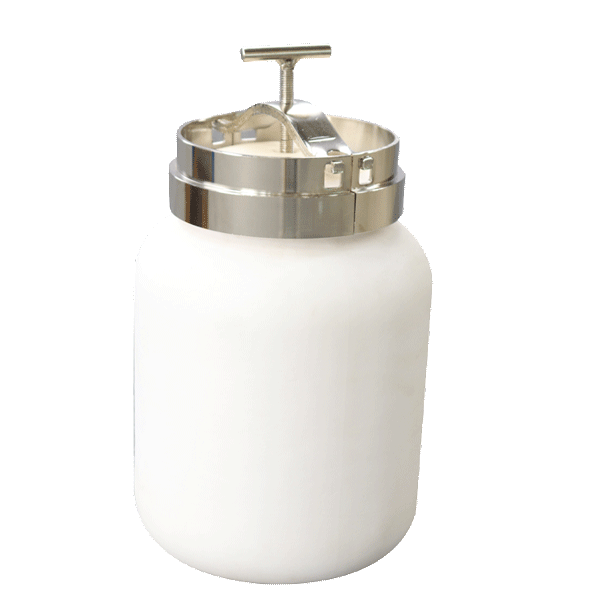
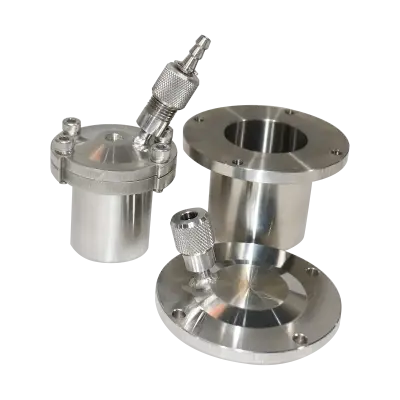
TENCAN makes a corundum roll mill jar that is aimed at labs and production teams who grind abrasive powders. The jar is part of a grinding series that includes different materials and sizes. You can see the full details on the corundum roll mill jar product page.
Let us break down what you should look at when you are comparing jars.
Jar body and lid
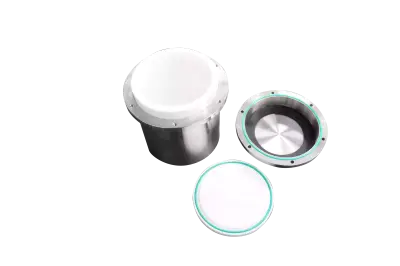
The jar body is the main grinding chamber. It needs to be thick enough to resist wear but not so heavy that it slows down your mill. The lid has to seal well. If powder leaks out, you lose sample and make a mess. If air gets in, you might oxidize your material. A good lid gasket and a secure clamping system are essential.
TENCAN's corundum roll mill jar is designed with a matching lid. The exact sealing method depends on the model, but the goal is always the same: keep the powder inside and keep the environment controlled.
Available sizes and capacities
Jars come in different volumes. A small jar is great for research and small batches. A larger jar gives you more throughput. The right size depends on your mill and your sample volume. If you fill a jar too full, the media cannot move freely. If you fill it too little, you waste time and energy.
As a rule of thumb, you want the jar to be about one-third to one-half full of grinding media, and then add sample until the voids are filled but the media can still tumble. The exact ratio depends on your material and your target particle size. The product page will list available sizes so you can match the jar to your mill.
Grinding media compatibility
Corundum jars work with many types of grinding media. You can use corundum balls, zirconia balls, alumina balls, or even steel balls if contamination is not a concern. The best choice depends on what you are grinding and how much contamination you can tolerate.
If you want to keep the entire grinding chamber ceramic, pair the corundum jar with corundum or zirconia media. That way, any wear that does occur stays in the same family of materials.
How a Roll Mill Jar Works in a Planetary Ball Mill
If you are new to milling, the motion inside a planetary ball mill can seem like chaos. It is actually a carefully designed dance. Let us unpack it.
Rotation, revolution, and rolling
In a planetary ball mill, the jar sits on a rotating disk. The disk spins in one direction, and the jar spins around its own axis. Because the two motions are opposite, the media inside the jar are thrown against the walls, then dragged back. The result is a combination of impact and friction.
A roll mill jar adds another layer. In a roller mill, the jar itself rolls on powered rollers. The media tumble and cascade inside. This is gentler than high-energy planetary milling but can still reduce particle size effectively. The corundum roll mill jar is built to handle both styles.
Grinding media choices for corundum jars
Media size matters. Larger balls give you more impact energy. Smaller balls give you more surface contact and better fine grinding. A mix of sizes can be very effective because it fills the gaps and creates more collision points.
For corundum jars, you might choose media that is slightly softer than the jar itself. That way, the media wears instead of the jar. But if you need maximum grinding energy, you can use media of similar hardness. Just keep an eye on wear and replace media when it gets too small.
Speed and time: finding the sweet spot
Running your mill faster is not always better. Higher speed means more energy, but also more heat and more wear. It can also cause the media to centrifuge against the wall, which reduces the tumbling action. You want the media to cascade, not cling.
Start with a moderate speed and run a test. Check the particle size at intervals. Increase speed only if you need more energy. The same goes for time. Longer grinding can make particles smaller, but it can also cause agglomeration. There is a point of diminishing returns.
Practical Setup: Getting Better Results with Corundum Jars
Now that you understand the basics, let us talk about how to actually use the jar well.
Loading the jar correctly
Loading is part art, part science. Start with clean media. Add media to the jar. Then add your sample. Do not overfill. You want the media to be able to move. If the jar is packed tight, the grinding action stops.
A good starting point is 30% media, 20% sample, and 50% empty space. Adjust from there. If your sample is fluffy, you may need more space. If it is dense, you can use less.
Dry grinding vs. wet grinding
Dry grinding is simple. You put powder in, you grind, you take powder out. It works well for many materials. But dry grinding can create dust and heat. It can also cause particles to stick to the jar walls.
Wet grinding uses a liquid, often water, alcohol, or a solvent. The liquid helps disperse particles and carry heat away. It can also reduce dust. The downside is that you have to dry the sample afterward. For corundum jars, wet grinding is usually fine because the material is chemically stable. Just make sure the liquid does not react with your sample.
Preventing contamination
Even with a hard jar, some wear will happen over time. To minimize contamination, use media that matches the jar. Keep the jar clean. Do not use the same jar for different materials without cleaning thoroughly. If you are grinding trace-sensitive samples, run a blank batch first to check for contamination.
You can also consider a jar lining or a different jar material if contamination is critical. But for many applications, corundum is a great compromise between durability and cleanliness.
Maintenance and Cleaning of Corundum Roll Mill Jars
A corundum jar is a tool, and like any tool, it lasts longer with a little care.
Daily checks
After each run, look inside the jar. Check for cracks, chips, or unusual wear patterns. Check the lid gasket for cuts or flattening. If the gasket is worn, replace it. A bad gasket can cause leaks and poor grinding performance.
Also check the media. If the balls are cracked or heavily worn, replace them. Worn media can reduce grinding efficiency and increase contamination.
Deep cleaning
For routine cleaning, warm water and a mild detergent are usually enough. Avoid harsh acids or abrasive cleaners unless you know they are safe for the jar. A soft brush can help remove stuck powder. Do not use steel wool or metal scrapers, as they can scratch the surface.
If you need a deeper clean, you can run the jar with clean media and a small amount of solvent. This is sometimes called self-cleaning. Just make sure the solvent is compatible with the jar and your next sample.
Storage
Store jars in a dry place. If you stack them, put something between them to prevent chipping. Keep lids off or loose to allow air circulation. This prevents odors and mold if you grind organic materials.
Common Questions About Corundum Roll Mill Jars
Let us answer a few questions we hear often.
Can I use corundum jars for metal powders?
Yes, but be careful. Metal powders can be abrasive and may react with the jar. If you are grinding reactive metals, you might need an inert atmosphere. Corundum is chemically stable, but it is not a magic shield. Check compatibility for your specific metal.
Will corundum contaminate my sample?
All grinding jars contaminate to some degree. The question is how much. Corundum is hard, so it wears slowly. The contamination is usually aluminum oxide, which may be acceptable for many ceramic and mineral samples. If you need ultra-low contamination, you might choose a different material. But for most applications, corundum is a clean choice.
How long do corundum jars last?
It depends on how you use them. Grinding hard materials at high speed will wear them faster. With normal use and proper care, a corundum jar can last a long time. Inspect it regularly and replace it when you see deep wear or cracks.
Do I need a special lid?
Yes, the lid should match the jar. A proper lid seals well and fits securely. TENCAN offers matching lids for their corundum roll mill jars. If you are ordering a replacement, make sure you get the right size and style.
Choosing the Right Jar for Your Application
With so many options, how do you choose? Here are the main factors.
Sample hardness
Hard samples need hard jars. If your sample is harder than the jar, the jar will wear quickly. Corundum is very hard, so it can handle many hard materials. But if your sample is extremely hard, you might need tungsten carbide or diamond. For most minerals and ceramics, corundum is a good match.
Particle size target
If you need very fine particles, you may need a high-energy mill and small media. Corundum jars can work, but you might get better results with a different jar material that is less dense. If you need coarse grinding, corundum is excellent because it resists wear.
Budget and throughput
Corundum jars are an investment. They cost more than plastic or stainless steel jars, but they last longer and reduce contamination. If you grind often, the cost per batch can be lower. If you only grind occasionally, you might choose a cheaper option. Consider your total cost of ownership, not just the purchase price.
How to Get the Most from Your TENCAN Corundum Roll Mill Jar
TENCAN designs their corundum roll mill jar to be a reliable workhorse. To get the most from it, follow a few simple habits.
- Match the jar size to your mill and your batch size.
- Use the right media. Ceramic media for ceramic samples, metal media for tough jobs when contamination is acceptable.
- Keep the fill level correct. Do not overload.
- Monitor temperature. If it gets too hot, take a break.
- Clean after every use. A clean jar grinds better and lasts longer.
- Inspect for wear. Replace the jar or lid gasket when needed.
If you are not sure which jar is right for you, the product page has the details. You can also contact TENCAN for guidance. They know their jars, and they can help you match the right one to your application.
The Role of Corundum in Modern Milling
Corundum has been used in grinding for a long time. It is not a trendy material. It is a proven one. That matters when you are running a production line and cannot afford surprises.
Why hardness matters more than you think
Hardness is not just about resisting scratches. It is about maintaining the geometry of the jar. When a jar wall wears unevenly, the grinding action changes. The media do not tumble the same way. You get inconsistent results. A hard material like corundum keeps the jar shape stable for longer, so your process stays repeatable.
A material that fits many industries
You will find corundum jars in ceramics, mining, geology, metallurgy, and battery research. Anywhere people grind hard, abrasive powders, there is a good chance a corundum jar is doing the work. It is especially popular when iron contamination is a concern, because the jar does not introduce metal into the sample.
What to look for in a quality corundum jar
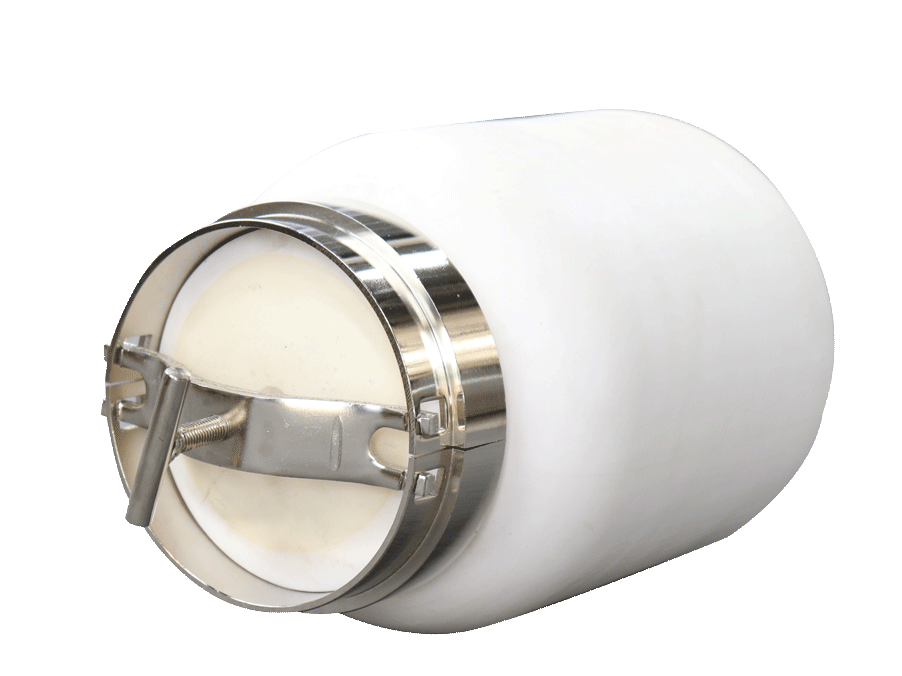
Not all corundum jars are the same. Look for a uniform body without visible cracks or pores. Check the lid fit. A good jar will have a smooth interior that is easy to clean. The clamping area should be sturdy. If the jar feels light or thin, it may not last long under heavy use. TENCAN's product page gives you a close look at their jar so you can judge for yourself.
Roll Mill Jars vs. Planetary Mill Jars: What Is the Difference?
People often use the terms interchangeably, but there are differences that affect how you choose a jar.
The geometry of a roll mill jar
A roll mill jar is usually cylindrical. It is designed to roll smoothly on a set of rollers. The outside of the jar needs to be round and balanced. If it is not, it will wobble and wear out the rollers. A planetary mill jar can have a different shape because it is clamped, not rolled. But many jars, including the corundum roll mill jar, are made to work in both setups.
Clamping and sealing
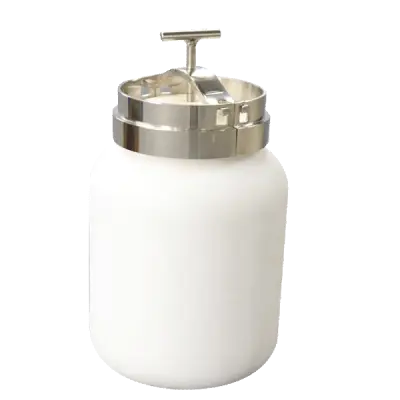
In a planetary mill, the jar is held in a clamp. The clamp must grip the jar securely without cracking it. The lid must seal tightly because the jar is spinning fast. In a roller mill, the jar may have a simpler lid, but it still needs to stay closed. A good corundum jar will have a lid that fits well and a gasket that can handle the pressure.
Can one jar do both?
Yes, some jars can. The corundum roll mill jar from TENCAN is a good example. It is built for roll mills but can also be used in planetary mills. If you have both types of mills in your lab, this versatility is a big advantage. You can read more about it on the corundum roll mill jar page.
Safety and Best Practices for Corundum Jar Users
Grinding can be dangerous if you are careless. Here are some habits that keep you and your samples safe.
Personal protective equipment
Always wear safety glasses when handling powders and grinding media. Wear a dust mask if you are working with fine powders. Gloves are a good idea when handling heavy jars or solvents. If you are using a planetary mill, make sure the lid is secure before you start the machine.
Handling ceramic jars
Ceramic jars are tough, but they can chip if you bang them against a hard surface. Set them down gently. Do not use them as hammers. If you see a chip or crack, stop using the jar. A damaged jar can fail during a run and send media flying.
Preventing cross-contamination
If you grind different materials in the same jar, clean it thoroughly between batches. Some labs keep separate jars for different sample types. That is a good practice. If you cannot do that, run a small batch of the new material and discard it before you run your real sample. This helps flush out any residue.
Troubleshooting Common Grinding Problems
Even with a great jar, things can go wrong. Here are some common issues and what to do about them.
Sample sticks to the jar
If your powder is sticking to the walls, it may be too moist or too fine. Try dry grinding for longer, or add a small amount of a grinding aid. You can also reduce the fill level so the media can scrub the walls more effectively.
Particle size plateaus
If the particle size stops getting smaller, you may have reached the limit of your mill. Try smaller media, a higher speed, or a longer run time. But be careful not to overgrind and cause agglomeration. Sometimes the best move is to change the media size or the jar material.
Lid leaks
A leaking lid is usually a gasket problem. Check the gasket for wear or debris. Clean it and reseat it. If it still leaks, replace the gasket. Also check that the lid is properly aligned and tightened. Do not overtighten, as that can crack the jar.
Abnormal noise or vibration
If your mill starts making strange noises, stop it. Check that the jar is properly seated and balanced. Check for loose clamps or worn rollers. A corundum jar is heavy, so an unbalanced jar can cause serious vibration. Fix the problem before you continue.
How to Evaluate a Corundum Jar Before Buying
Before you click buy, do a quick evaluation. It will save you time and money.
Check the material and construction
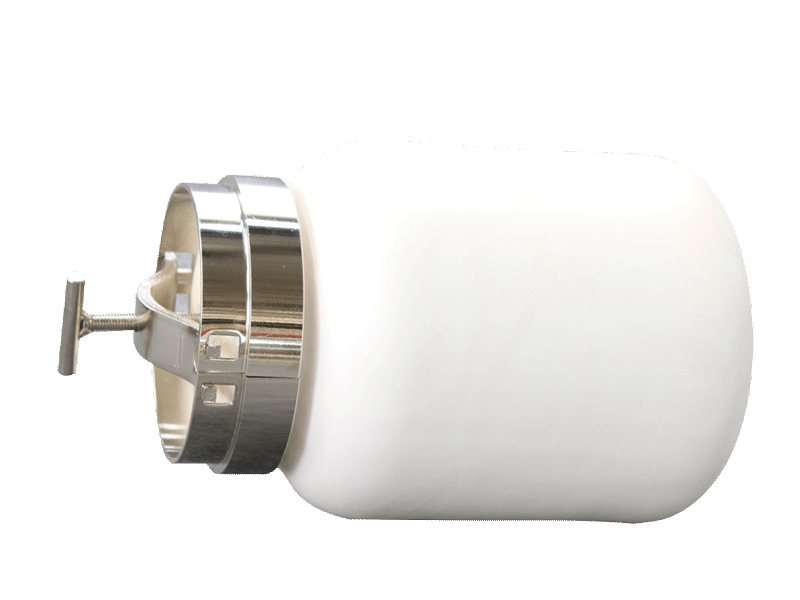
Ask what the jar is made of and how it is formed. Corundum jars should have a dense, uniform body. Look for a smooth interior and a well-fitting lid. If the product page shows multiple images, study them. The TENCAN page has several views of their corundum roll mill jar, so you can see the details.
Ask about tolerances and fit
If you are replacing an existing jar, make sure the new one fits your mill. Check the dimensions and the clamping area. If you are buying a new mill and jar together, ask TENCAN for a recommendation. They can tell you which jar works best with which mill.
Consider total cost of ownership
A cheap jar that wears out in a month is not a bargain. A corundum jar costs more upfront, but it can last for years. Factor in the cost of downtime, contamination, and replacement. When you look at the whole picture, a quality corundum jar often wins.
Working with TENCAN
TENCAN is a powder technology company that focuses on grinding and milling equipment. They make jars, mills, and media. If you need help choosing a jar, they can guide you.
Support and customization
TENCAN offers support for their products. If you have a unique application, you can ask about custom options. They may be able to provide a jar with specific dimensions or a different sealing method. The product page is a good starting point, but a conversation can help you get exactly what you need.
Spare parts and accessories
Grinding jars need gaskets, lids, and media. TENCAN can supply these accessories. It is a good idea to keep spare gaskets on hand. They are inexpensive and can save you a lot of trouble when one wears out. You can find related items through the corundum roll mill jar product page.
A Practical Next Step
Grinding is one of those processes where small choices make a big difference. The jar is not glamorous, but it is central. A corundum roll mill jar gives you hardness, wear resistance, and chemical stability in one package. It is a smart choice for abrasive powders and long milling runs.
If you want to explore the product, start with the corundum roll mill jar page. Check the sizes, the lid options, and the recommended media. Then think about your own samples. What are you grinding? How hard is it? How clean does it need to be? The answers will point you to the right jar.
And if you are still unsure, that is okay. Even experienced mill operators ask questions. The goal is not to be perfect on the first try. The goal is to learn, adjust, and get better results. A good jar makes that journey a lot smoother.
Related Products
Get In Touch
Our professional team will reply to you within one business day. Please feel free to contact us!