
Teeth Roll Crusher: How Toothed Roll Crushing Works and Where You Can Use It

If you have ever stood next to a pile of oversize coal or brittle ore and wondered how to break it down without turning a third of it into dust, you already understand the problem a teeth roll crusher was built to solve. This machine does not smash material the way a hammer mill does. It grips each lump, drags it into a narrow gap, and splits it. The difference sounds small. In practice, it changes your product curve, your dust load and your maintenance bill.
What a Teeth Roll Crusher Actually Is
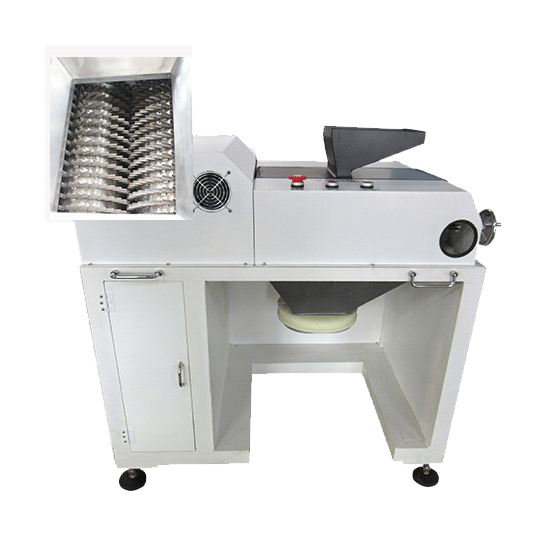
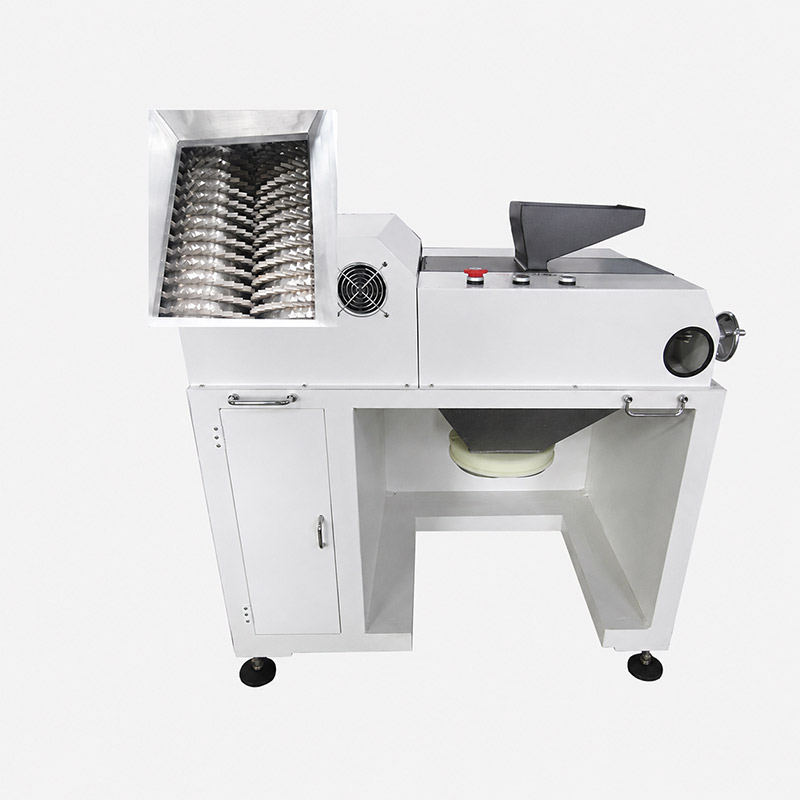
A teeth roll crusher — you will also see it written as a toothed roll crusher or a double toothed roll crusher — is a breaking machine built around two counter-rotating rolls. Instead of a smooth shell, each roll carries rows of tooth-shaped picks. Those teeth are the whole point of the design.
Feed drops in from the top and lands between the two rolls. Because the rolls turn toward each other, the teeth catch the lumps, pull them down into the gap, and break them apart. Material leaves through the bottom as a more even product, and usually with far fewer fines than a machine that works by impact.
We like to say the teeth roll crusher grips and cracks rather than smashes. Keep that idea in your head, because it explains almost everything about where this machine shines and where you should look elsewhere.
Two Rolls, One Direction of Work
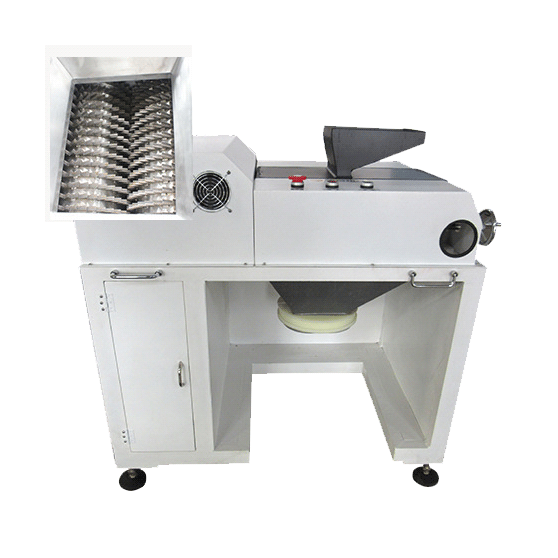
Each roll is a heavy cylinder mounted on its own shaft, supported by bearings at both ends. The rolls sit parallel to each other with a fixed or adjustable gap between them — that gap is what sets your product size. One roll is often fixed while the other can move, either by mechanical adjustment or by a spring or hydraulic arrangement that lets it back off when something uncrushable enters the chamber.
That flexibility is not a gimmick. A piece of tramp metal or a stray bolt that would wreck a rigid machine can often pass through a roll crusher with nothing worse than a loud bang and a short interruption.
Why Teeth Instead of a Smooth Surface
Smooth roll crushers rely on friction to drag material into the nip, which is the narrow working gap between the rolls. That works fine for soft, friable material, but a smooth roll has a hard time grabbing a hard, slick or irregular lump — it just spins while the lump sits there. Teeth solve that problem. Each pick bites into the material and forces it down.
Teeth also concentrate force. Instead of spreading the crushing load over a wide contact area, the load acts on a few sharp points. That means less total energy for the same break, and less of the material reduced way past the size you actually wanted.
Where the Machine Fits in a Plant
Most installations put a teeth roll crusher after primary breaking and before fine grinding. Coal handling, coke, shale, gypsum, limestone, slag and similar brittle materials all pass through this kind of machine comfortably. It is the stage that takes "too big to handle" and turns it into "small enough for the next step" — without overdoing it.
How the Crushing Happens, Step by Step
Understanding the sequence helps you troubleshoot later, so let's walk through it.
Step One: Bite and Grip
A lump enters the space above the rolls. The teeth rotate downward and inward, catch the surface of the lump, and pull it into the gap. If the lump is too large to enter, it simply rides on top of the rolls until the teeth catch an edge and tip it in. This is why feed size control matters so much — the machine can handle oversize, but it handles it slowly.
Step Two: Split and Shear
Once the lump is between the rolls, two things happen at once. Compressive force squeezes it, and the differential motion of the teeth shears it. Brittle material fails along its natural cracks, so the break tends to follow existing weaknesses rather than shattering randomly. That is exactly why the product curve is tighter and the fines fraction is lower.
Step Three: Discharge and Gap Control
Broken pieces fall through the gap and out the bottom. Change the gap and you change the product size — that is your main lever. Narrow it and you get a finer product at a lower throughput; open it up and you get more tonnage at a coarser size.
Step Four: The Uncrushable Passes Through
When something the machine cannot break enters the chamber, the moving roll retracts, the object drops out, and the roll returns to its working position. It is a safety valve built into the design rather than bolted on afterward.
Why the Product Curve Stays Tight
Most crushing equipment reduces size by hitting material hard. A hammer mill throws fast-moving hammers at the feed, and every impact carries more energy than the break actually needs. The excess energy has to go somewhere, and it goes into making powder.
A roll crusher works differently. The gap between the rolls is a fixed opening, so nothing can leave the chamber until it is small enough to pass. A lump either fits through or it gets broken again. There is no path for already-small material to be hit repeatedly, because once a piece is below the gap size it drops straight out.
That single feature — a fixed exit opening — is why plants that care about sized product reach for this machine. If you sell graded coal, need a controlled feed for a briquetting line, or run a downstream process that dislikes powder, the narrow product curve is worth more than a slightly higher tonnage figure.
Where Teeth Roll Crushers Earn Their Keep
Materials That Suit the Machine
The sweet spot is brittle material of low to medium hardness:
- Coal and lignite, including raw run-of-mine feed with rock bands
- Coke and petroleum coke
- Shale, oil shale and clay-rich rock
- Limestone, gypsum and similar soft minerals
- Slag and some industrial by-products
In all of these, the material fails cleanly when gripped. You get a controlled product and a manageable fines fraction.
Where You Should Look Elsewhere
Two situations call for a different machine. First, very hard and abrasive rock — granite, basalt, tough quartz-bearing ore. The teeth will wear quickly and the machine will spend more time being repaired than working. Second, very wet, sticky material that packs between the teeth and blinds the roll surface. If your feed clogs a screen deck, it will probably clog a toothed roll too.
What to Check Before You Choose a Machine
This is the part where a lot of buyers go wrong. They compare price tags instead of matching the machine to the duty. Let's go through the variables that actually matter.
Roll Diameter and Width
Roll diameter sets the maximum feed size the machine can accept. Wider rolls mean more throughput but require more torque and a stiffer frame. If your feed has occasional very large lumps, size on those lumps — not on the average — or plan to pre-screen ahead of the crusher.
Tooth Profile and Spacing
Tooth shape, height and spacing decide how aggressively the roll grips and how coarse the product tends to be. Long, widely spaced teeth handle bigger feed. Shorter, closer teeth give a finer product. Tooth layout is matched to the job, not picked from a catalog at random.
Gap Adjustment Method
Manual shim adjustment is cheap and perfectly fine if your product size never changes. Mechanical screw adjustment is faster and better for plants that switch grades. Hydraulic adjustment with automatic retraction is the most convenient and adds tramp-iron protection at the same time.
Tooth Material and Wear Life
Teeth take the punishment, so the alloy matters more than almost anything else. Look at how teeth are attached as well — bolt-on or pinned teeth can be replaced individually, which is far cheaper than replacing an entire roll shell.
Drive, Throughput and Roll Speed
Throughput depends on roll speed, roll width, gap setting and how easily the material breaks. A higher roll speed does not automatically mean more tonnage; past a certain point, the teeth skim over the material instead of biting it, so capacity can actually fall. Ask for a capacity figure tied to your specific material and feed size, not a generic number pulled from a table.
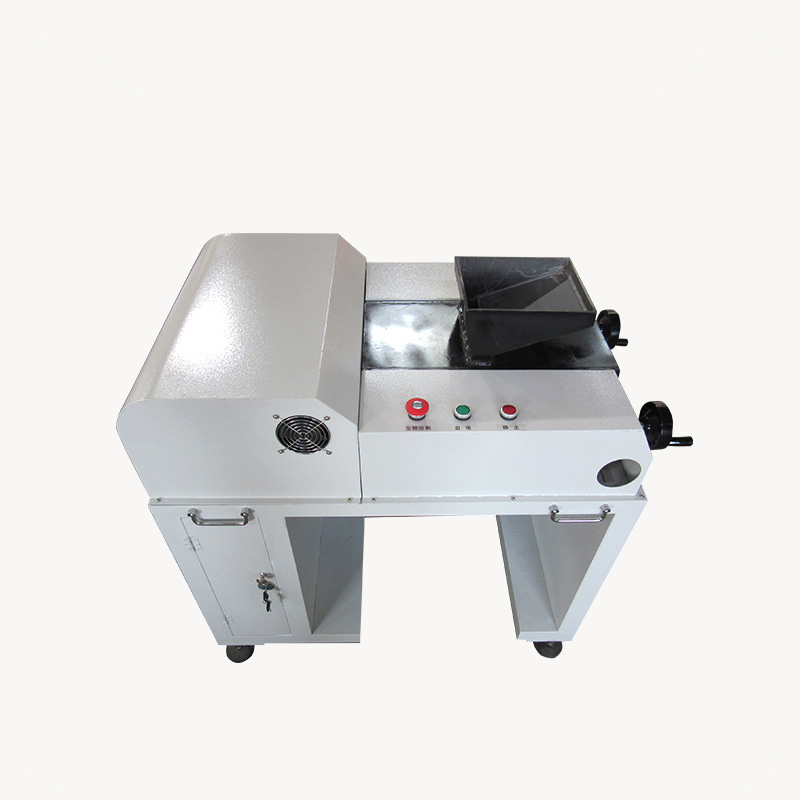
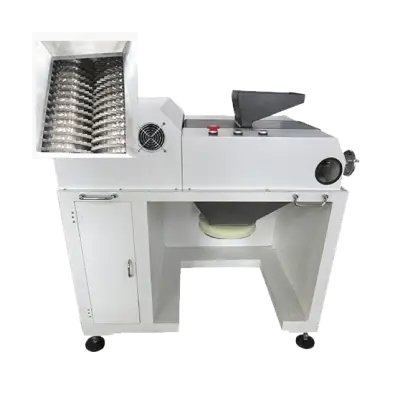
If you want to see how a production unit is configured, the teeth roll crusher page covers the roll assembly, tooth layout and drive arrangement in detail.
Teeth Roll Crusher vs Hammer Crusher vs Jaw Crusher
It helps to see the three side by side.
| Machine | Breaking Method | Fines Produced | Best For |
|---|---|---|---|
| Teeth roll crusher | Grip, compression and shear | Low | Brittle coal, coke, shale, soft minerals |
| Hammer crusher | High-speed impact | High | Soft to medium material where fines are acceptable |
| Jaw crusher | Slow compression between plates | Low | Primary breaking of hard, large rock |
Read the table this way. If fines hurt your process — because you sell sized product, because dust control is expensive, or because a downstream step dislikes powder — the roll machine is usually the better answer. If you simply need to reduce hard rock from boulder size, a jaw crusher is the right first step, and a teeth roll crusher can follow it to tidy up the product.
Feed Conditions: Dry, Damp and Everything Between
Dry and Free-Flowing Feed
This is the easy case. Material slides down the chute, the teeth bite cleanly and the chamber stays clear. Capacity is predictable and tooth wear is gradual.
Damp Feed
Slightly damp material is still workable, but it starts to cling to the teeth and to the sides of the chamber. Keep the feed even and give the machine a clear run at the end of each shift so nothing sets overnight.
Sticky Feed
Genuinely sticky feed is where roll crushers struggle. Clay-rich coal and wet fines coat the roll surface, the teeth lose their bite, and the throughput collapses. Once the roll surface is blinded, no amount of extra power helps, because there is nothing for the teeth to grip. Dry the feed, blend it, or move to a different machine — those are the honest options.
Problems You Will Meet on Site, and What to Do
Too Much Fine Material
If your product has more powder than you want, check the gap first — it may be set tighter than necessary. Then check roll speed. Then check whether material is being fed in already broken. Re-crushing undersize is one of the most common causes of excess fines, and a simple screen ahead of the crusher fixes it.
Product Size Drifting
As teeth wear, the effective gap opens and the product gets coarser. If you notice the size creeping up over a few weeks, measure the teeth. That drift is normal wear, not a mystery, and it is easy to correct.
Bridging and Blocked Feed
Bridging usually traces back to wet or sticky feed, or to a feed opening that is too narrow for the lump size you are sending. Widening the feed chute, adding a vibratory feeder, or drying the material all help. Sometimes the honest answer is that this material does not belong in a roll crusher at all.
Tooth Wear and Breakage
Fast wear points to abrasive material or to an excessive roll speed. Broken teeth point to tramp metal, oversized feed, or a tooth that was already cracked. Inspect teeth regularly and replace them before they fail, not after.
Maintenance Habits That Pay You Back
Nothing on this list is complicated, and all of it is cheaper than an unplanned shutdown.
- Lubricate bearings on schedule and watch for any temperature rise.
- Check the gap setting weekly and write it down.
- Inspect teeth for cracks, rounding and missing picks.
- Keep the feed even across the full roll width; one-sided feed wears teeth unevenly.
- Keep drive belts or couplings aligned and correctly tensioned.
- Clean the chamber after sticky material runs, before it sets.
Even feed distribution is the one that people skip. If material always lands on the same side of the rolls, that side wears first and you end up replacing teeth long before you should have.
Spare Parts Worth Keeping on the Shelf
A set of teeth, a few fasteners, bearing seals and a spare drive belt cover most emergencies. Teeth are the consumable you will replace most often, so keeping one set ready means a worn roll does not idle your line for a week.
Questions We Get Asked a Lot
Can a teeth roll crusher handle wet coal?
Slightly damp coal is fine. Genuinely wet, sticky coal that packs between the teeth and blinds the roll surface is a problem, and you should either dry it or use a different machine.
Does it produce a cubical product?
The break follows natural cracks, so the product is blocky and irregular rather than rounded. What you get instead is a narrow size range, which is usually the thing that actually matters.
Can I adjust the output size while the machine is running?
It depends on the adjustment system. Manual and screw systems usually need the machine stopped. Hydraulic systems can be adjusted more conveniently, and they also give you automatic backing-off when uncrushable material appears.
How often do teeth need replacing?
It depends entirely on abrasiveness, feed size and throughput. Some plants run a long stretch on one set of teeth; others replace them far more often. Track your own wear rate and you will know your number within a few months.
Do I still need a screen after the crusher?
Usually yes, and it is a good idea. A screen lets you send oversize material back for another pass and keeps the fines out of the finished product. The roll crusher gives you a controlled break; the screen turns that into a reliable product specification.
Choosing the Right Machine for Your Line
Start with three questions. What is my maximum feed lump size? What product size do I actually need, and how narrow does that range have to be? How abrasive is the material, and how much fines can my process tolerate?
Answer those honestly and the machine basically picks itself. When the material is brittle, when the lump size is moderate and when fines are unwelcome, a toothed roll machine is hard to beat. When it is set up properly — right gap, even feed, teeth inspected on schedule — it will quietly do its job for years with very little fuss.
If you want to dig into roll construction, tooth geometry and drive configuration, take a look at the Teeth Roll Crusher from Changsha Tianchuang Powder Technology (TENCAN), a unit built for exactly the kind of brittle, medium-hard material we have been talking about. You can also revisit the toothed roll crusher specifications and match them against your own feed size, product target and tonnage before you commit to a configuration.
Related Products
Get In Touch
Our professional team will reply to you within one business day. Please feel free to contact us!