
Nylon Planetary Mill Jar: The Smart Choice for Contamination-Free Grinding

If you've ever worked with a planetary ball mill, you know that choosing the right grinding jar is just as important as the mill itself. The jar is where all the action happens—it holds your sample, the grinding balls, and endures intense rotational forces. Among the many options available, the nylon planetary mill jar often flies under the radar. But trust me, it deserves your attention, especially if you're looking for a combination of durability, low contamination, and cost-effectiveness.
In this guide, I'll walk you through everything you need to know about nylon planetary mill jars: why they're special, what they're best at, and how to choose the right one for your lab or production line. Let's dive in.
What Is a Nylon Planetary Mill Jar?
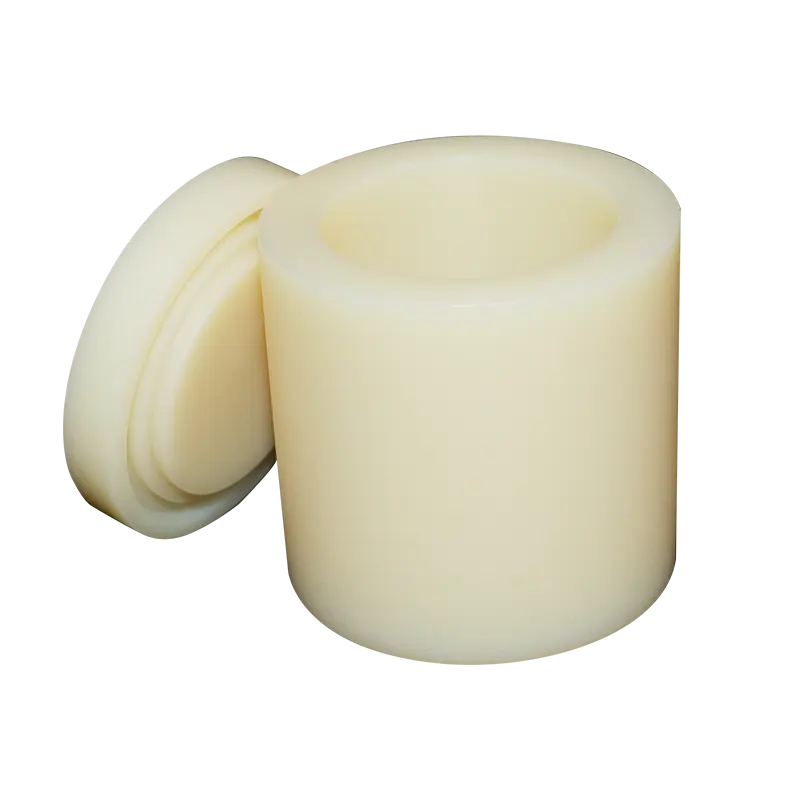
A nylon planetary mill jar is a grinding container made from high-quality nylon (polyamide) designed specifically for use in planetary ball mills. Unlike metal or ceramic jars, nylon jars offer a unique set of properties that make them ideal for certain applications.
The working principle of a planetary ball mill is already fascinating—the jars rotate on their own axis while the main disc rotates in the opposite direction, creating powerful Coriolis forces that grind samples down to the micron or even nanometer scale. But the jar material itself can significantly affect the outcome of your milling process. That's where nylon shines.
Key Advantages of Nylon Grinding Jars
1. Excellent Chemical Resistance
Nylon is naturally resistant to many chemicals, including alkalis, oils, greases, and a wide range of solvents. This makes it a great choice for samples that contain or come into contact with mildly corrosive substances. Stainless steel might corrode under certain conditions, but nylon holds up beautifully.
2. Low Contamination – No Metal Traces
One of the biggest headaches in milling is cross-contamination. If you're grinding samples for trace analysis or sensitive applications, even a few ppm of iron, chromium, or nickel from a stainless steel jar can ruin your results. Nylon jars are completely metal-free, so there's zero risk of metallic contamination during grinding. This is especially critical in pharmaceutical, food, and cosmetic industries.
3. Lightweight and Easy to Handle
Nylon jars are significantly lighter than stainless steel or tungsten carbide jars. This makes them easier to load, unload, and clean. It also puts less stress on the planetary mill's motor and drive system, potentially extending the life of your equipment.
4. Good Wear Resistance and Durability
While not as hard as ceramic or metal, nylon is tough and wear-resistant. It can withstand the repeated impact and friction of grinding balls for a long time, especially when milling medium-hard materials. Under normal use, a nylon jar can last for hundreds of cycles before showing signs of wear.
5. Cost-Effective
Compared to zirconia, agate, or tungsten carbide jars, nylon jars are remarkably affordable. If you're on a tight budget or need multiple jars for parallel processing, nylon offers excellent value without sacrificing essential performance.
Common Applications of Nylon Planetary Mill Jars
You might be wondering, what exactly can I grind with a nylon jar? The answer is quite a lot, with a few caveats. Here are typical use cases:
- Pharmaceutical powders: Nylon's chemical resistance and low contamination make it perfect for milling active pharmaceutical ingredients (APIs) and excipients.
- Food and herbal samples: Grinding spices, herbs, grains, or dried fruits without introducing metallic taste or toxicity.
- Pigments and dyes: Many organic pigments are sensitive to metal ions; nylon prevents discoloration.
- Battery materials: For cathode or anode precursors that must be ultra-pure.
- Polymers and plastics: Cryogenic milling of plastic samples – nylon can handle low temperatures better than some other polymers.
- Soft to medium-hard minerals: Such as gypsum, limestone, clays, and talc.
Comparison with Other Common Planetary Mill Jar Materials
To help you decide, here's a quick comparison between nylon and other popular jar materials:
| Property | Nylon | 304 Stainless Steel | Zirconia | Agate |
|---|---|---|---|---|
| Hardness | Moderate | High | Very High | Very High |
| Contamination Risk | Very Low (no metals) | Low (metal possible) | Very Low (ceramic) | Very Low (silica) |
| Chemical Resistance | Good (alkalis, oils) | Good (acids? not ideal) | Excellent | Good (avoid HF) |
| Temperature Range | Up to ~80°C | Up to 400°C+ | Up to 1000°C+ | Up to 200°C |
| Weight | Light | Heavy | Heavy | Medium |
| Price | $ | $$ | $$$ | $$$ |
As you can see, nylon occupies a sweet spot for applications where you need low contamination, decent durability, and budget friendliness. If you're grinding very hard materials like quartz or cemented carbides, you'll still need a zirconia or tungsten carbide jar. But for the vast majority of lab samples, nylon is more than sufficient.
Technical Specifications to Look For
When shopping for a nylon planetary mill jar, here are the key parameters you should check:
- Capacity: Common sizes include 50 mL, 100 mL, 250 mL, 500 mL, and 1 L. Choose based on your sample volume and mill size.
- Shape: Most nylon jars are cylindrical with a flat top and bottom, compatible with standard jar clamps.
- Sealing: Look for jars with an O-ring or gasket seal to prevent leakage during wet grinding.
- Wall thickness: Thicker walls provide better durability but reduce usable volume. Typical thickness is 3–5 mm.
- Transparency: Some nylon jars are semi-transparent, allowing you to observe the milling process without opening.
- Temperature limitation: Nylon softens above 80°C, so avoid prolonged high-energy milling without cooling (many mills have a pause cycle).
At TENCAN (长沙天创粉末技术有限公司), we offer a full range of nylon planetary mill jars in various sizes and configurations. Each jar is precision-machined from virgin nylon material to ensure consistent quality and chemical purity.
Tips for Using and Maintaining Your Nylon Jar
- Avoid strong oxidizing acids like nitric acid or concentrated sulfuric acid – these can attack nylon.
- Clean gently with mild detergent and a soft brush. Avoid abrasive cleaners that can scratch the inner surface.
- Do not exceed the maximum speed recommended for your nylon jar – high centrifugal forces can cause deformation or cracking.
- Use compatible grinding media: Hard materials like zirconia balls (3–10 mm) are ideal. Avoid using very heavy media like tungsten carbide in a nylon jar, as the impact may damage the wall.
- For cryogenic grinding, nylon jars can be used with liquid nitrogen cooling, but ensure the material remains below its glass transition temperature to avoid brittleness.
Conclusion
The nylon planetary mill jar is an unsung hero in the world of sample preparation. It combines the strengths of polymer engineering with the demanding needs of planetary ball milling. Whether you're a researcher developing new materials, a quality control lab testing raw ingredients, or a small-scale producer looking for a contamination-free milling solution, nylon jars deserve a place in your toolbox.
If you're considering adding nylon jars to your lab, check out our nylon planetary mill jar product page for detailed specifications and ordering information. We also carry complementary accessories like 304 stainless steel jars and zirconia jars if you need higher hardness options. Whatever your milling needs, we've got you covered.
Related Products
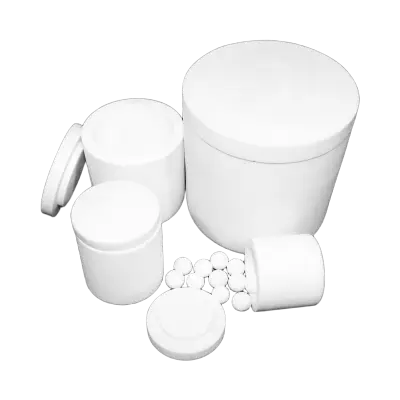
A grade Corundum planetary Mill Jar
Premium corundum planetary mill jar made from high-purity corundum. Hardness second only to diamond. Ideal for advanced grinding of hard, brittle materials.
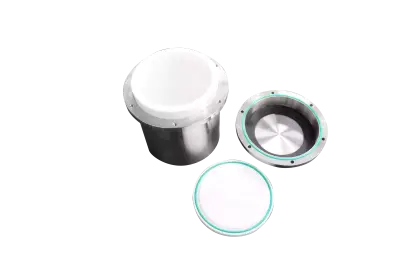
304 stainless steel lined with zirconia mill jar
304 stainless steel mill jar lined with zirconia offers superior wear resistance and contamination-free grinding for high-purity materials. Ideal for planetary ball mills in labs and R&D.
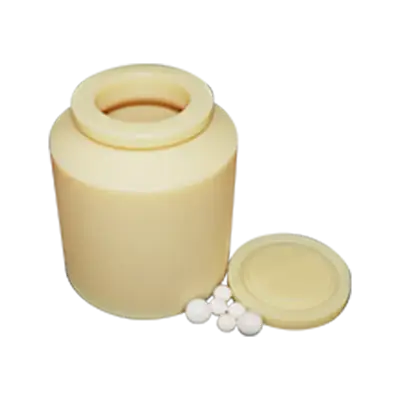
nylon roll mill jar
High-quality nylon roll mill jar for contamination-free grinding. Ideal for metals, advanced pigments, ceramics, and magnetic materials in lab and production settings.
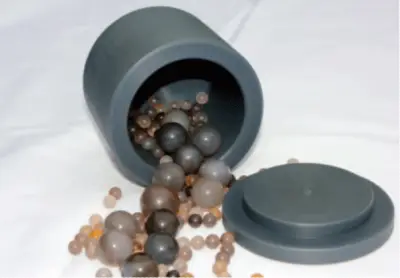
tempered nylon planetary mill jar
Modified nylon planetary mill jar with excellent wear resistance, integrally cast from mold for durability. Ideal for grinding various materials in planetary ball mills.
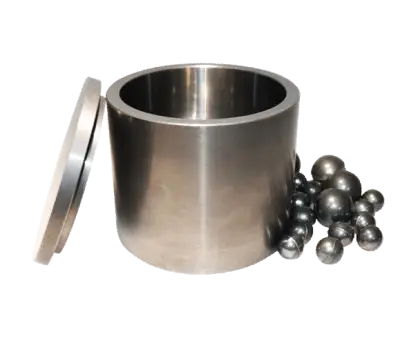
Tungsten carbide planetary mill jar
High-hardness, wear-resistant tungsten carbide planetary mill jar made via powder metallurgy. Ideal for grinding hard materials in labs and industries, with strength retained even at 500°C.
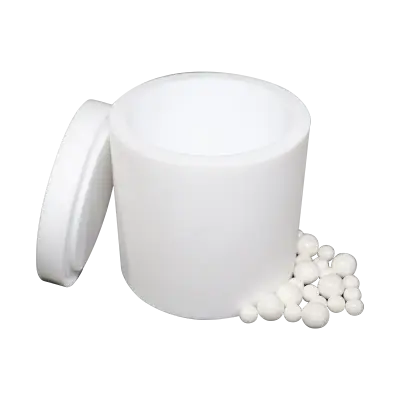
PTFE planetary mill jar
PTFE planetary mill jar offers superior chemical resistance and non-stick properties for grinding corrosive materials. Ideal for lab use in chemistry, pharmaceuticals, and materials research.
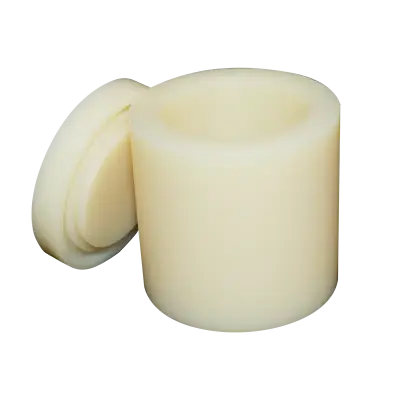
nylon planetary mill jar
High-quality nylon ball mill jar for metal-free, contamination-free grinding. Ideal for precious metals, electronic ceramics, magnetic materials, and pigments. Widely used in laboratory and industrial milling.
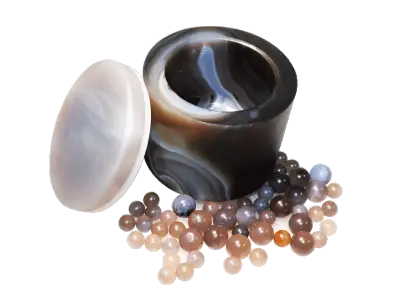
agate planetary mill jar
Natural agate planetary mill jar with high hardness and wear resistance, ideal for high-purity material grinding without contamination. Widely used in lab and research fields.
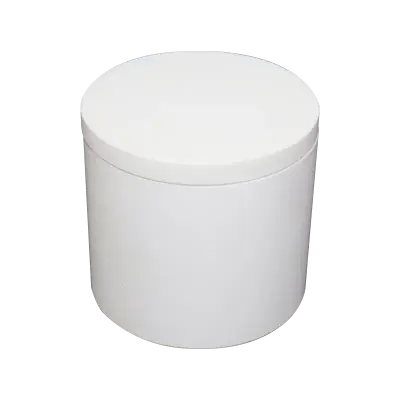
corundum planetary mill jar
Corundum planetary mill jar features hardness second only to diamond, ideal for advanced grinding materials. Pairing with zirconia balls offers a classic wear-resistant combination for powder processing.
Get In Touch
Our professional team will reply to you within one business day. Please feel free to contact us!