
Micro Airflow Pulverizer: Precision Grinding for Ultra-Fine Powders in Your Lab

What Is a Micro Airflow Pulverizer and Why Do You Need One?
If you're working in a lab or a small-scale production setting and need to produce ultra-fine powders with exceptional purity, chances are you've already hit the limitations of traditional ball mills or hammer mills. Contamination from grinding media, excessive heat generation, or simply not being able to reach the desired particle size — does any of this sound familiar? That's exactly where the Micro Airflow Pulverizer from TENCAN comes in.
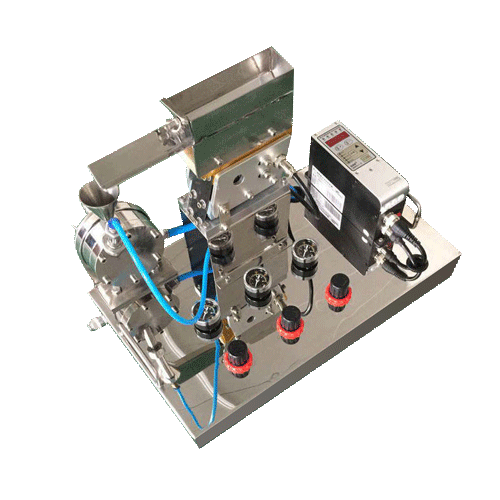
This machine belongs to a family of equipment often called jet mills or air jet mills. The core idea is beautifully simple: use high-speed compressed air to make particles collide with each other until they break down to the micron or even sub-micron level. No moving parts in the grinding chamber means zero contamination from wear and tear, and the cooling effect of the expanding gas keeps even heat-sensitive materials safe.
I’ve spent years working with powder processing equipment, and I can tell you this: when you absolutely, positively need a clean, narrow particle size distribution (PSD) for a small batch of high-value material, the micro airflow pulverizer is often the only tool that truly delivers.
How It Works: The Science of Particle-on-Particle Impact
Let me walk you through the working principle without getting too technical. Imagine you have a stream of high-pressure air (typically 6–8 bar or 87–116 psi) being forced through specially designed nozzles inside a cylindrical grinding chamber. These nozzles accelerate the air to supersonic speeds, creating a powerful vortex. The feed material enters the chamber and gets caught in this high-velocity air stream. Particles slam into each other at extraordinary speeds — like tiny meteors colliding — and fracture along their natural grain boundaries.
Because the grinding action is purely between particles (and occasionally against the chamber wall with a special lining), there's virtually no metal-to-particle contact. That's why this method is often called "autogenous grinding". The result? Ultra-fine powders with almost no contamination from the grinding equipment itself.
Another bonus: as the compressed air expands, it cools down significantly. The temperature inside the grinding chamber can actually drop below ambient, which is a godsend for grinding materials that are heat-sensitive or have low melting points — think APIs in pharmaceuticals, certain polymers, or energetic materials.
Key Components at a Glance
- Compressed air source: Usually an air compressor, sometimes connected to a dryer and filter to ensure clean, moisture-free air.
- Feed system: A vibratory feeder or screw feeder that introduces the material at a controlled rate into the grinding zone.
- Grinding chamber: The heart of the mill, often lined with wear-resistant ceramics like alumina or zirconia to further minimize contamination.
- Classification zone: An integrated air classifier that sorts particles by size — only the fine ones pass through; coarser particles are returned for further grinding.
- Collection system: A cyclone separator or bag filter that captures the finished powder from the exhaust air stream.
Why You Should Consider the TENCAN Micro Airflow Pulverizer
You might be thinking, "There are plenty of jet mills on the market — what makes this one different?" Fair question. Let me give you a few reasons why the TENCAN Micro Airflow Pulverizer stands out, especially for lab and R&D applications.
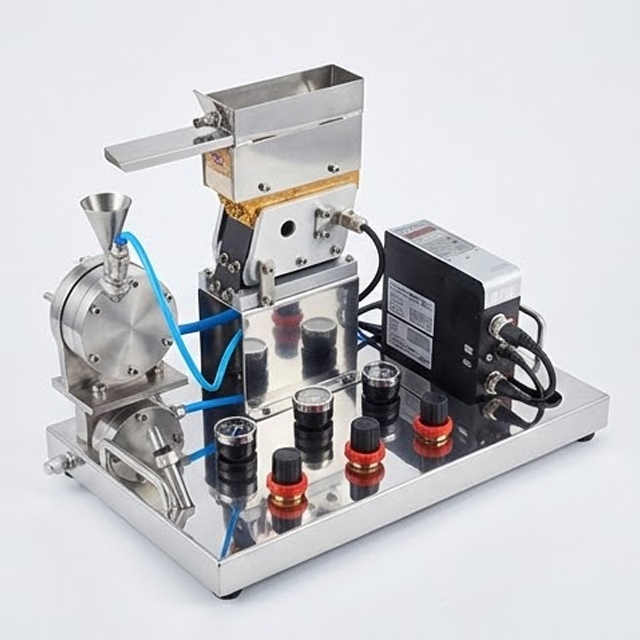
1. True Benchtop Footprint
Unlike industrial-scale jet mills that require dedicated floorspace and massive air compressors, this unit is designed to sit comfortably on a lab bench. The compact design doesn't compromise on performance, but it does mean you can set it up quickly without major facility modifications. Perfect for universities, pilot plants, and small-batch contract manufacturers.
2. Outstanding Purity and Cleanability
The grinding chamber is entirely lined with wear-resistant ceramics. No metal-to-material contact means you can process materials that demand the highest purity — like advanced ceramics, specialty chemicals, or rare-earth compounds. And when you need to switch between different materials, the disassembly and cleaning process is straightforward, reducing cross-contamination risks.
3. Adjustable Particle Size Down to D50 < 5 µm
With the built-in air classifier, you can adjust the rotor speed to achieve precisely the target particle size. Typical achievable D50 can go as low as 2–5 microns for many materials, with a narrow distribution. For materials that are inherently brittle, even sub-micron results are possible.
4. Low Heat Generation – Safe for Heat-Sensitive Materials
The cooling effect from the expanding gas means the process temperature stays low. I've seen this mill handle materials that would degrade or even melt in a conventional ball mill — like some pharmaceutical excipients and low-melting-point polymers.
Technical Specifications (Typical)
Here are the key specs you need to know:
| Parameter | Value |
|---|---|
| Model | MQ-50 / MQ-100 (depending on capacity) |
| Feeding particle size | ≤ 1 mm (ideally < 500 µm) |
| Product fineness (D50) | 2 – 50 µm (adjustable) |
| Capacity | 0.5 – 5 kg/h (depending on material and fineness) |
| Air consumption | 0.6 – 1.2 m³/min at 6–8 bar |
| Air pressure requirement | 0.6 – 0.8 MPa |
| Grinding chamber lining | Alumina ceramic / Zirconia (optional) |
| Noise level | ≤ 75 dB (with silencer) |
| Power supply | 220V/50Hz or 110V/60Hz (single phase) |
| Dimensions (L×W×H) | ≈ 600×400×800 mm |
| Weight | ≈ 60 kg |
Note: Exact specifications may vary slightly depending on the configuration and options selected. Always check the official product page for the most up-to-date information.
Applications That Really Shine with This Pulverizer
The versatility of the micro airflow pulverizer is one of its biggest selling points. Here are some typical scenarios where it outperforms other grinding methods:
Pharmaceuticals & Nutraceuticals
APIs (active pharmaceutical ingredients) often need to be micronized to improve dissolution rate and bioavailability. The cold grinding environment ensures no thermal degradation, and the absence of metal contamination meets GMP requirements.
Advanced Ceramics
From alumina to silicon nitride, ceramic powders need to be pure and consistently sized for sintering. The ceramic-lined chamber prevents iron pickup, which could otherwise cause defects in the final product.
Pigments & Dyes
Color strength and dispersion quality depend heavily on particle size. Jet milling breaks down agglomerates without smearing or overheating, preserving the color's vibrancy.
Battery Materials
Electrode materials like LFP, NMC, or graphite require fine, uniform particles for optimal electrochemical performance. The micro airflow pulverizer can achieve the required fineness while maintaining material purity.
Food & Cosmetics
Specialty ingredients like cocoa, spices, or mineral powders for makeup need to be processed without added heat or contamination. This mill fits the bill perfectly.
Comparison with Other Grinding Equipment
To help you decide whether this is the right tool for your project, let's quickly compare it with a few other machines you might be considering:
vs. Ball Mills (e.g., Planetary Ball Mill)
Ball mills use grinding media (balls) that can wear and contaminate the product. They generate more heat and typically achieve D50 down to ~10 µm at best. The micro airflow pulverizer offers a cleaner, finer result but at a lower throughput. If you need sub-micron particles and zero contamination, go for the airflow mill. If you need higher throughput and can tolerate some media wear, a ball mill might be more economical.
vs. Colloid Mill
Colloid mills are great for wet grinding and emulsifying, producing particle sizes in the 1–10 µm range. But they rely on rotor-stator contact, which introduces wear and heat. For dry, ultra-fine, cold grinding, the airflow pulverizer is superior.
vs. Three Roll Mill
Three roll mills excel at dispersing high-viscosity pastes and achieving fine particle sizes via shear between rollers. However, they are not designed for dry powder grinding. The micro airflow pulverizer is purely for dry materials.
vs. Lab Air Jet Mill
The lab air jet mill is a close relative. In fact, the micro airflow pulverizer is a specific type of lab air jet mill. The naming often varies by manufacturer, but the working principle is identical. The TENCAN model is optimized for benchtop use with a compact footprint.
Practical Tips for Getting the Best Results
Having used these machines myself, I want to share a few tips that will save you time and frustration:
- Pre-grind your feed: The ideal feed size is around 0.5 mm or less. If you feed large chunks, they may not get entrained in the air stream properly. A simple small grinder can do this job.
- Control moisture: Even slight moisture can cause clogging in the grinding zone. Dry your material before feeding, or use a heated air dryer upstream.
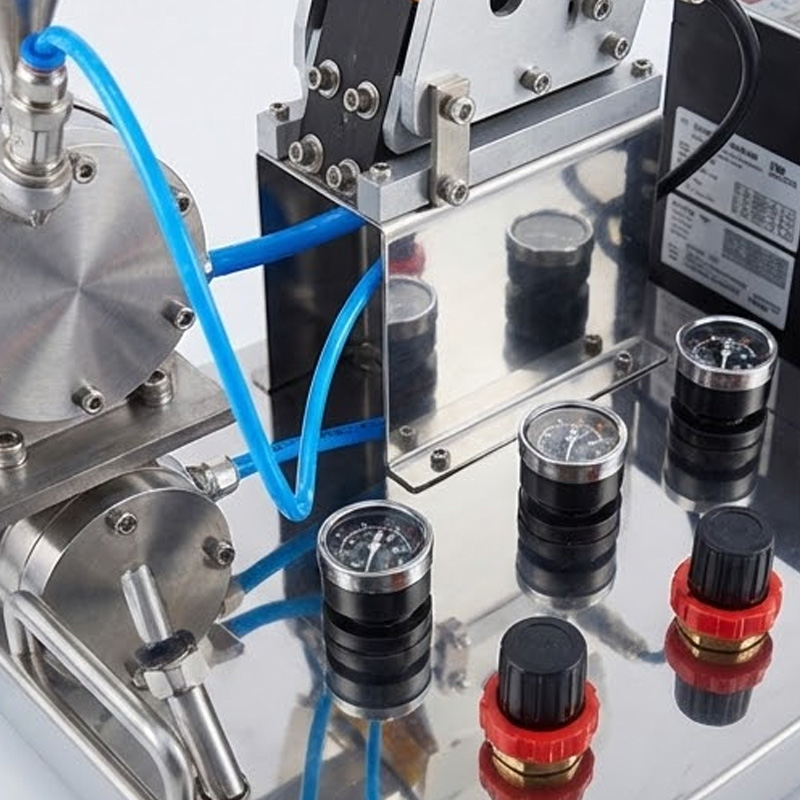
- Optimize air pressure: Higher pressure generally gives finer particles, but also increases wear on the lining and consumes more air. Find the sweet spot for your material.
- Start with a small batch: Run a few grams first to dial in the parameters before scaling up.
- Use a cyclone with a filter receiver: Most labs pair the mill with a small cyclone and a fabric filter bag to collect the product efficiently and protect the environment.
Why Choose TENCAN for Your Micro Airflow Pulverizer?
TENCAN (short for Changsha Tianchuang Powder Technology Co., Ltd.) has been a trusted name in the powder equipment industry for over a decade. The company is known for robust, well-engineered machines that offer great value. Their micro airflow pulverizer is no exception — it's built with quality components, has a clean design, and comes with responsive customer support.
If you visit the product page, you'll find detailed specs, downloadable documentation, and options to customize the lining material or accessories. The machine is also available in multiple language versions for international customers.
Final Thoughts
Whether you're developing a new pharmaceutical formulation, refining a ceramic slurry, or processing high-value specialty chemicals, the micro airflow pulverizer is a tool that deserves a spot in your lab. It solves the fundamental challenges of conventional milling: contamination, heat, and limited fineness.
If you're unsure whether this is the right fit, I always recommend reaching out to the TENCAN team directly. They can run a sample of your material and provide a detailed analysis — that way, you'll know the results before you invest in equipment. After all, powder processing is about predictability and control, and this machine delivers both.
Happy grinding, and may your powders always be fine and pure!
Related Products
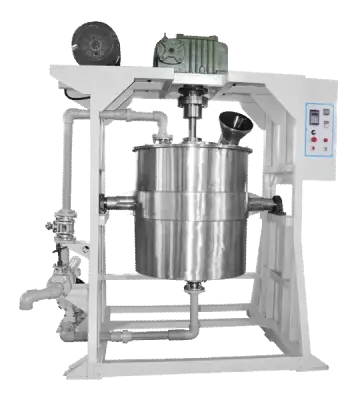
Production type stirred ball mill
Production-type stirred ball mill for ultra-fine grinding of zirconium silicate, alumina, ceramics, chemicals, paints, battery materials. High efficiency, continuous operation for industrial mineral processing.
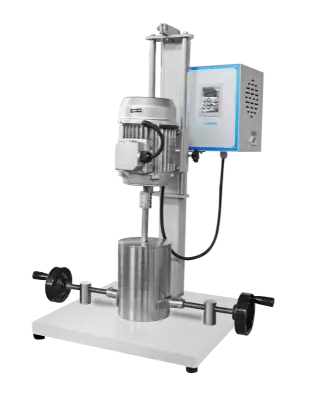
lab stirred ball mill
Lab stirred ball mill for ultra-fine grinding of ceramics, chemicals, paints, and minerals. Ideal for R&D and small batch production.
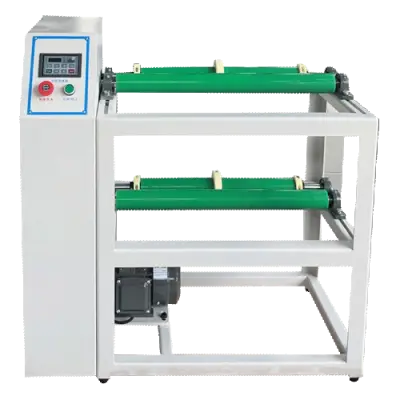
Four station jar mill
Four-station jar mill for ultra-fine grinding and mixing in lab & small-scale production. Compact, efficient, uniform particle size. Ideal for research, teaching, and pilot manufacturing.
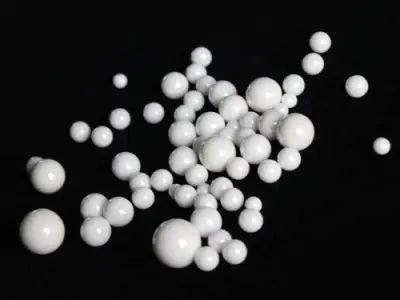
Zirconia grinding ball
Zirconia grinding balls, also known as zirconia ceramic beads, are high-density, wear-resistant media for ultra-fine grinding. Their smooth, pearl-like surface ensures efficient milling in paint, ink, and mineral processing.
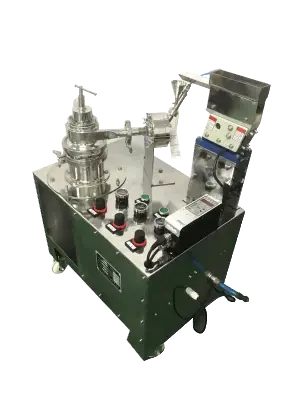
lab air jet mill
Lab air jet mill for ultra-fine grinding of hard, brittle, cohesive, and fibrous materials. Offers wide adaptability and high efficiency for R&D and pilot-scale processing.
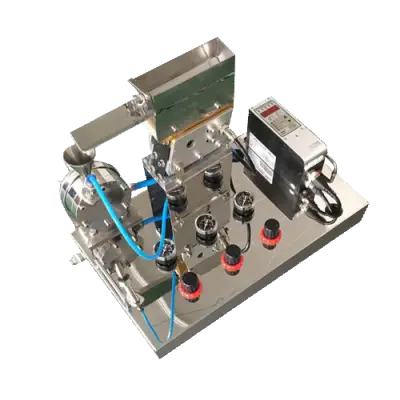
Micro airflow pulverizer
Compact benchtop airflow pulverizer for ultra-small batch ultrafine grinding of high-value powders. Ideal for laboratory R&D and small-scale precision milling.
Get In Touch
Our professional team will reply to you within one business day. Please feel free to contact us!