
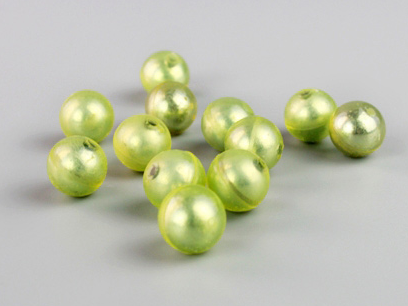
What is a Polyurethane Coated Iron Core Grinding Ball? A Durable Grinding Media for High-Purity Ultrafine Milling

What is a Polyurethane Coated Iron Core Grinding Ball? A Durable Grinding Media for High-Purity Ultrafine Milling
At its core, a polyurethane coated iron core grinding ball is a specialized grinding media used in ball mills, planetary ball mills, and other milling equipment to achieve ultrafine grinding of high-purity materials. It consists of a high-density metal core (typically iron, specific gravity >8 g/cm³) encased in a uniform layer of polyurethane rubber. This design combines the high impact energy of a heavy metal ball with the wear resistance and non-contaminating properties of polyurethane, making it an ideal choice for industries requiring contamination-free grinding, such as electronics, ceramics, pharmaceuticals, and advanced materials.
Core Function and Working Principle
The primary function of a polyurethane coated iron core grinding ball is to transform coarse particles into fine or ultrafine powders through the combined actions of impact, shear, and friction inside a grinding mill. When the mill rotates, the grinding media are lifted and cascaded, striking the material and each other. The high-density iron core (typically >8 g/cm³) provides a significant weight advantage, allowing each ball to deliver more kinetic energy per unit volume compared to lighter ceramic or glass media. This enhances the efficiency of impact and shear forces, leading to faster and finer grinding.
The polyurethane coating serves multiple critical roles. First, it acts as a wear-resistant barrier, preventing the iron core from directly contacting the material and thus avoiding metallic contamination. Second, polyurethane is inherently elastic, which reduces the generation of heat and noise during milling, protecting heat-sensitive materials. Third, the coating provides a smooth, low-friction surface that minimizes material adhesion and facilitates easy cleaning between batches. The uniform coating thickness ensures consistent performance across all balls, maintaining stable grinding results.
Key parameters influencing grinding performance include the ball size, the ratio of ball-to-material, mill speed, and milling time. The optimal ball size depends on the initial particle size of the feed material and the target fineness. Larger balls (e.g., 10–20 mm) are more effective for coarse grinding, while smaller balls (e.g., 3–5 mm) are preferred for ultrafine milling. The high density of the iron core allows these balls to be used effectively even in smaller sizes, maintaining impact force without sacrificing throughput.
Core Components and Key Technology
Since the polyurethane coated iron core grinding ball is a single product type, this section focuses on its key components and manufacturing technology.
1. High-Density Metal Core
The core is typically made of iron or steel with a specific gravity exceeding 8 g/cm³. This high density is crucial for increasing the weight of the ball within a given volume, thereby enhancing the impact and shear forces during milling. The core is precision-formed to ensure uniform weight distribution, which contributes to stable and predictable grinding behavior.
2. Polyurethane Coating
The outer layer is a specially formulated polyurethane rubber that is chemically bonded to the metal core. The coating thickness is carefully controlled (typically 1–3 mm depending on ball size) to balance wear resistance and impact energy transfer. Polyurethane is chosen for its excellent abrasion resistance, elasticity, and chemical inertness. It is resistant to oils, solvents, and many acids, making it suitable for a wide range of materials including organic compounds, pigments, and battery materials.
3. Bonding Interface
The adhesion between the metal core and the polyurethane coating is a critical technological aspect. A strong bond prevents delamination during high-energy milling. Advanced surface treatment and primer systems are used to ensure the coating remains intact even under continuous impact and shear stresses.
Key Performance Indicators and Selection Points
When selecting polyurethane coated iron core grinding balls, consider the following factors:
Density and Specific Gravity: The high density (typically >8 g/cm³) provides superior impact energy. This is particularly advantageous for grinding hard or dense materials where lighter media may be ineffective.
Wear Resistance: The polyurethane coating offers excellent wear life, often lasting several times longer than nylon or rubber coated media. However, the actual wear rate depends on the abrasiveness of the material being milled.
Contamination Control: The coating prevents direct contact of the iron core with the material, eliminating metallic contamination. This is essential for applications requiring high purity, such as electronic ceramics, fine chemicals, and pharmaceutical ingredients.
Size Range: Typical sizes range from 3 mm to 20 mm. Smaller diameters are used for ultrafine grinding in planetary ball mills, while larger sizes are suited for conventional ball mills.
Elasticity and Heat Management: The polyurethane coating absorbs some of the impact energy, reducing heat generation and protecting temperature-sensitive materials. This also minimizes noise levels during operation.
Ease of Cleaning: The smooth, non-porous surface of the coating prevents material buildup, allowing quick and thorough cleaning between batches.
Application Areas and Selection Advice
Polyurethane coated iron core grinding balls are widely used in research laboratories and industrial production for milling materials that require high purity, minimal contamination, and efficient ultrafine grinding. Common applications include:
- Electronic ceramics: Grinding of barium titanate, ferrites, and other dielectric materials.
- Battery materials: Milling of cathode and anode powders (e.g., lithium cobalt oxide, graphite) where metal contamination would degrade battery performance.
- Pharmaceuticals: Micronization of active pharmaceutical ingredients (APIs) that are sensitive to metal ions.
- Pigments and dyes: Ultrafine dispersion of colorants without introducing impurities.
- Food and cosmetics: Grinding of edible powders or cosmetic ingredients where safety and purity are paramount.
When selecting, consider the hardness of your material: for very hard materials (e.g., zirconia, silicon carbide), tungsten carbide or zirconia balls may be more appropriate, but polyurethane coated balls offer a good balance of impact and purity for medium-hardness materials. For high-speed planetary ball mills, smaller balls (3–5 mm) are recommended to achieve the finest particles. For conventional ball mills, larger sizes (10–20 mm) can improve throughput.
Always verify the operating temperature range of the polyurethane coating (typically up to 80°C) to avoid degradation. If your process involves high temperatures or aggressive solvents, consult the manufacturer for compatibility.
References
Related Products
Get In Touch
Our professional team will reply to you within one business day. Please feel free to contact us!