

What is Polyurethane Coated Iron Core Grinding Ball? A High-Density Grinding Media for Low-Contamination Ball Milling
Introduction
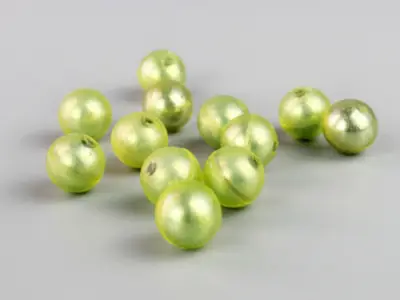
From the core, a polyurethane coated iron core grinding ball is a specialized type of grinding media used in planetary ball mills and other ball milling equipment. It is designed to combine the high density and impact energy of a metal core with the low contamination and wear resistance of a polyurethane (PU) coating. This makes it an ideal choice for grinding applications where both efficiency and purity of the final powder are critical.
Core Function and Working Principle
The primary function of a polyurethane coated iron core grinding ball is to transform coarse materials into fine or ultra-fine powders through impact and friction. The iron core provides high density (typically around 7.8 g/cm³), which generates strong impact forces during milling, effectively breaking down hard particles. The polyurethane coating acts as a protective layer, preventing direct contact between the iron core and the material being ground, thereby reducing metallic contamination.
In a ball mill, these grinding balls are placed inside a rotating jar along with the material. As the jar rotates, the balls are lifted and then fall or tumble, striking the material and each other. The kinetic energy from the dense iron core is transferred to the particles, causing fracture and size reduction. The PU coating also absorbs some of the impact, reducing wear on both the balls and the mill jar, and extending the service life of the milling media.
Key process parameters that affect grinding efficiency include the ball-to-powder weight ratio, rotation speed, milling time, and the size of the grinding balls. The polyurethane coating allows for a smoother surface finish, which can reduce particle agglomeration and improve the uniformity of the final product.
Key Components and Technology
This grinding ball consists of two main components: the iron core and the polyurethane coating. The iron core is precision-formed from high-quality steel, ensuring consistent density and spherical shape. The polyurethane layer is applied through a specialized molding process, creating a uniform thickness and strong adhesion to the core. The coating material is selected for its excellent abrasion resistance, chemical stability, and low coefficient of friction.
Compared to other grinding media like 304 stainless steel grinding balls or zirconia grinding balls, the polyurethane coated iron core ball offers a unique balance of high density and low contamination. While stainless steel balls provide high density, they can introduce iron contamination into the sample. Zirconia balls are low-contamination but have lower density (around 6.0 g/cm³). The PU-coated iron core ball fills this gap with a density of about 7.8 g/cm³ and a contamination level that is typically below 0.1%.
Key Performance Indicators and Selection Guide
When selecting polyurethane coated iron core grinding balls, consider the following indicators:
- Density and Impact Energy: The high density (approx. 7.8 g/cm³) ensures efficient grinding of hard materials like ceramics, ores, and metals.
- Contamination Level: The PU coating minimizes metal release, making it suitable for high-purity applications such as battery materials, pharmaceuticals, and advanced ceramics.
- Wear Resistance: The polyurethane layer is highly resistant to abrasion, providing a longer service life compared to uncoated steel balls.
- Size Range: Available in diameters from 5 mm to 30 mm, allowing customization for different mill types and target particle sizes.
- Compatibility with Mill Jars: The PU coating reduces friction and wear on the mill jar, especially when used with polyurethane coated iron core grinding balls in PU-lined jars.
- Automation and Programmability: While the balls themselves are passive, they work well with programmable planetary ball mills that allow precise control of speed and cycles.
For laboratory users, a typical set of PU-coated iron core balls with diameters of 10 mm and 15 mm is recommended for general-purpose milling. For industrial scale, larger sizes and higher quantities are available. Maintenance is straightforward: after use, rinse the balls with water or a suitable solvent and dry them. Avoid prolonged exposure to strong acids or bases that may degrade the PU coating.
Applications and Selection Advice
Polyurethane coated iron core grinding balls are widely used in fields such as materials science, geology, mining, metallurgy, electronics, and pharmaceuticals. They are especially valuable in:
- Battery Material Research: Grinding of cathode, anode, and electrolyte materials requires minimal iron contamination.
- Fine Ceramics: High-purity grinding of alumina, zirconia, and other ceramic powders.
- Pharmaceuticals: Milling of active pharmaceutical ingredients (APIs) where metal contamination must be avoided.
- Geological Samples: Crushing and grinding of rocks, ores, and minerals for analysis.
For users needing high throughput and low contamination, these balls are an excellent choice. If extremely high hardness materials are to be ground, consider using tungsten carbide mill balls instead. For budget-conscious applications where contamination is not critical, 304 stainless steel grinding balls remain a cost-effective option.
References
- Polyurethane coated iron core grinding ball product page: https://www.planetaryballmills.com/products/grinding-series/ball-mill-media/polyurethane-coated-iron-core-grinding-ball.html
- 304 stainless steel grinding ball: https://www.planetaryballmills.com/products/grinding-series/ball-mill-media/304-stainless-steel-grinding-ball.html
- Zirconia grinding ball: https://www.planetaryballmills.com/products/grinding-series/ball-mill-media/zirconia-grinding-ball.html
- Agate ball: https://www.planetaryballmills.com/products/grinding-series/ball-mill-media/agate-ball.html
- Corundum grinding ball: https://www.planetaryballmills.com/products/grinding-series/ball-mill-media/corundum-grinding-ball.html
Related Products
Get In Touch
Our professional team will reply to you within one business day. Please feel free to contact us!