
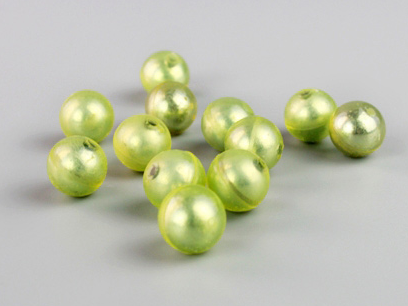
What is a Polyurethane Coated Iron Core Grinding Ball? A High-Density Contamination-Free Grinding Media for Ball Mills

What is a Polyurethane Coated Iron Core Grinding Ball? A High-Density Contamination-Free Grinding Media for Ball Mills
At its core, a polyurethane coated iron core grinding ball is a specialized type of grinding media used in ball mills, stirred mills, and vibration mills to achieve high-efficiency, contamination-free milling of ultra-pure materials. It consists of a dense iron (or stainless steel) core that is uniformly coated with a layer of polyurethane elastomer. This unique design combines the high specific gravity of metal (typically >8 g/cm³) with the non-contaminating, wear-resistant properties of polyurethane, making it the ideal choice for industries that demand both high grinding power and absolute material purity.
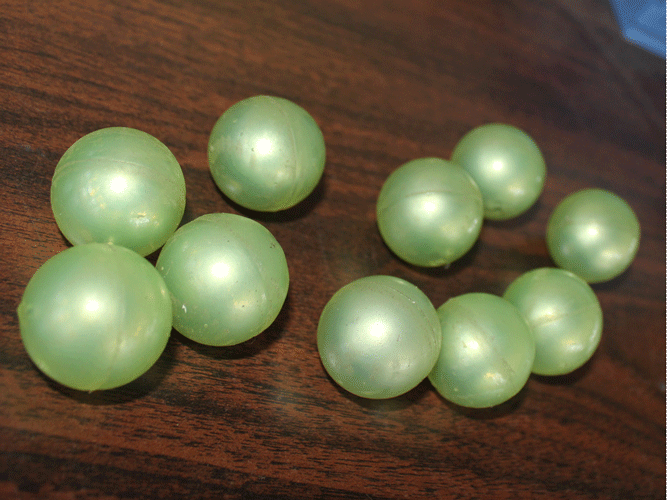
Core Function and Working Principle
The primary function of a polyurethane coated iron core grinding ball is to transfer mechanical energy from the mill to the material being ground. When the mill rotates or vibrates, the grinding balls are lifted and then cascade or cataract, generating impact, shear, and friction forces that break down particles from coarse to fine or ultra-fine sizes.
The high density of the iron core gives each ball a much greater mass than a solid polyurethane or ceramic ball of the same size. This means that at the same rotation speed, the kinetic energy of each impact is significantly higher, leading to faster grinding and better efficiency. The polyurethane coating, meanwhile, acts as a buffer that reduces wear on both the ball and the mill lining, and most importantly, it prevents any metallic contamination from the core from leaching into the product. The coating is also chemically inert and resistant to abrasion, ensuring long service life even under harsh conditions.
Key process parameters that influence grinding performance include ball size, mill speed, ball-to-material ratio, and grinding time. For example, larger balls generate more impact force, while smaller balls provide more surface area for friction-based grinding. The polyurethane coating also helps maintain consistent ball geometry over time, preserving concentricity and ensuring uniform grinding results.
Core Components and Key Technologies
Each polyurethane coated iron core grinding ball consists of three essential layers:
- Metal Core (Iron or Stainless Steel): Provides the high density (typically 7.8–8.0 g/cm³) needed for high-impact grinding. The core is precision-machined to ensure spherical shape and tight tolerances, which is critical for consistent grinding action.
- Curing Layer (Adhesive Bond): A specialized bonding layer between the metal core and the polyurethane coating ensures excellent adhesion and prevents delamination during high-energy milling. This layer also helps to dampen vibrations and improve the overall durability of the ball.
- Polyurethane Elastomer Coating: The outer layer is made of high-performance polyurethane that is resistant to wear, chemicals, and abrasion. It is typically 1–3 mm thick, depending on the ball size, and is formulated to be non-contaminating, meaning it will not introduce any foreign elements into the ground product. The polyurethane also reduces noise and vibration during operation.
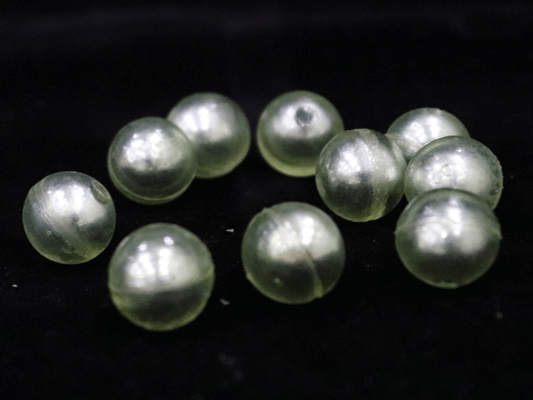
Key Performance Indicators and Selection Guide
When selecting polyurethane coated iron core grinding balls for your application, consider the following factors:
- Density and Specific Gravity: The iron core provides a density of ~7.8 g/cm³, which is significantly higher than solid polyurethane balls (~1.2 g/cm³) or ceramic balls (~3.8–6.0 g/cm³). This translates to higher impact energy and faster grinding times. For ultra-fine grinding of hard materials, choose balls with the highest attainable density.
- Coating Hardness and Thickness: Polyurethane coatings with Shore A hardness of 70–95 are typical. Thicker coatings provide better wear resistance but slightly reduce the overall density. For aggressive milling, a balance between coating thickness and core size must be struck.
- Ball Size and Grade: Available in diameters from 10 mm to 50 mm or larger. Smaller balls (e.g., 10–20 mm) are ideal for fine grinding, while larger balls (e.g., 30–50 mm) are better for coarse grinding and high-impact applications. Always use balls of consistent size to ensure uniform grinding.
- Contamination-Free Performance: The polyurethane coating is chemically inert and will not contaminate the product with metals or other impurities. This is critical for applications in the pharmaceutical, food, and electronic materials industries where even trace contamination can ruin a batch.
- Durability and Lifespan: With proper use, polyurethane coated iron core balls can last 2–3 times longer than solid steel balls in abrasive environments. The coating resists chipping and cracking, and the bonding layer prevents separation. Regular inspection for wear is recommended, but the overall maintenance is low.
For more details on other grinding media options, you can explore our 304 stainless steel grinding balls, zirconia grinding balls, or tungsten carbide mill balls.
Applications and Selection Advice
Polyurethane coated iron core grinding balls are widely used in the following industries:
- Advanced Ceramics and Battery Materials: For grinding lithium-ion battery cathode and anode materials, ceramic powders, and electronic pastes where purity and high energy density are essential.
- Pharmaceuticals and Biotechnology: For milling active pharmaceutical ingredients (APIs), excipients, and herbal extracts where contamination must be avoided.
- Fine Chemicals and Pigments: For producing ultra-fine pigments, dyes, and functional additives with consistent particle size distribution.
- Mineral Processing and Metallurgy: For grinding precious metals, rare earth ores, and other high-value minerals where maximizing recovery while minimizing contamination is critical.
When choosing between different grinding media, consider the following: if your primary concern is avoiding contamination and you need high density, polyurethane coated iron core balls are the best option. If you need even higher density (e.g., >15 g/cm³) and are willing to accept some tungsten contamination, tungsten carbide balls may be more suitable. For cost-sensitive applications where contamination is less critical, 304 stainless steel balls offer a good balance of performance and price.
References
Polyurethane coated iron core grinding ball product page: https://www.planetaryballmills.com/products/grinding-series/ball-mill-media/polyurethane-coated-iron-core-grinding-ball.html
Related Products
Get In Touch
Our professional team will reply to you within one business day. Please feel free to contact us!