
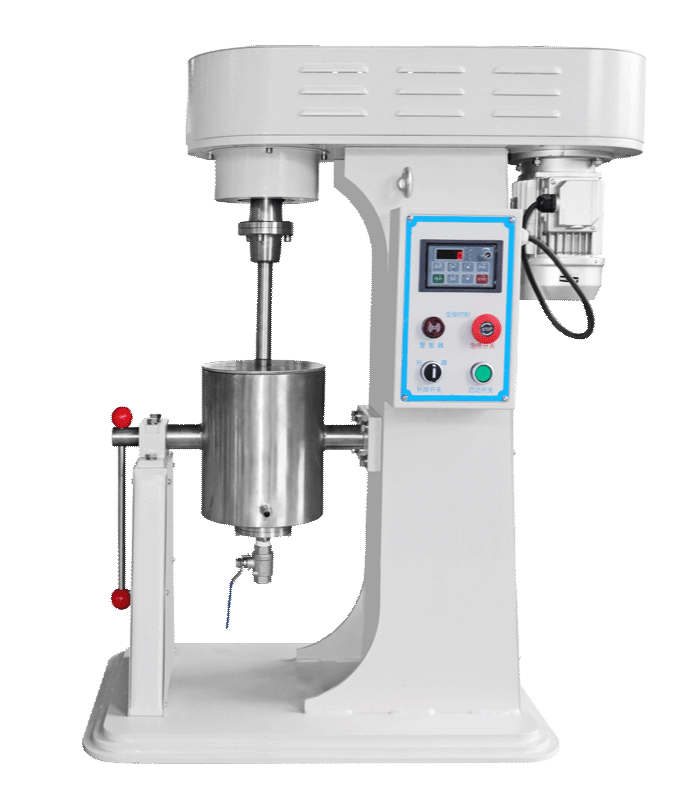
Electric Lifting Stirred Ball Mill: Working Principle and Fine Grinding Uses

What the electric lifting stirred ball mill actually does
A stirred ball mill grinds by stirring a bed of small media inside a chamber. The agitator drives the media into the powder, so impact, shear, and friction do the size reduction. Unlike a drum mill that relies on a tumbling shell, a stirred mill puts energy close to the material. That is why it is often chosen for fine grinding and dispersion work.
The electric lifting function is about access. A motor raises or lowers the working assembly, so loading, cleaning, inspection, and maintenance are easier on the operator. In a busy lab or production area, that can shorten changeovers and make safe handling more natural.
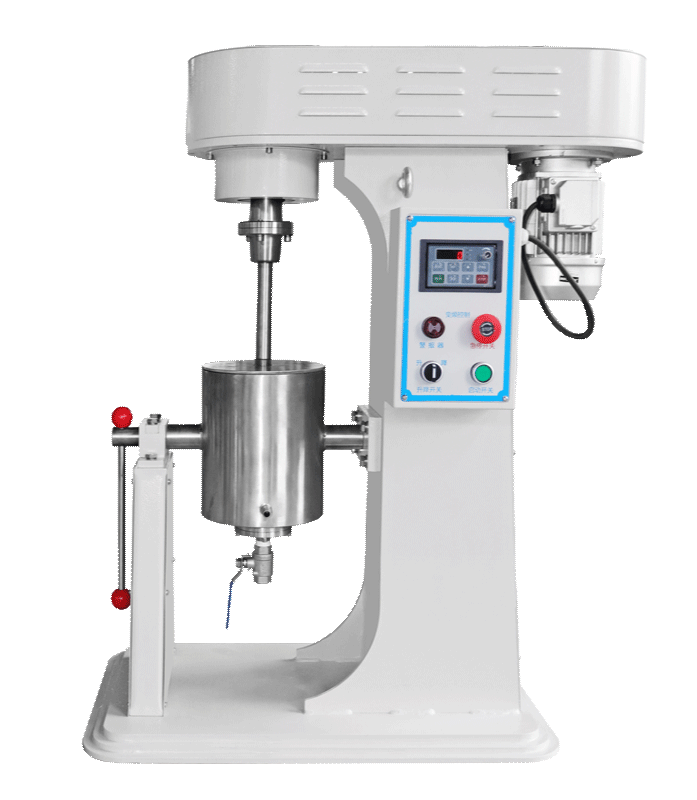
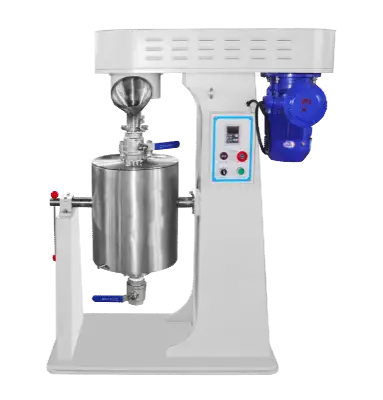
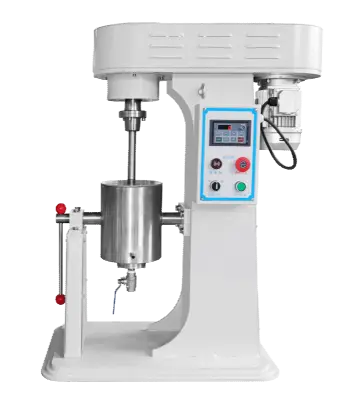
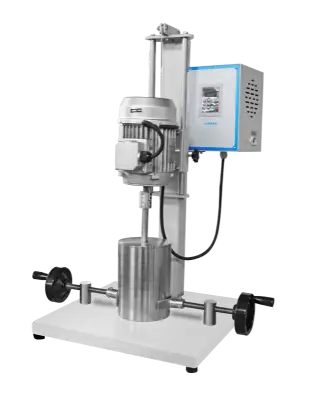
You can see the machine layout and current model details on the electric lifting stirred ball mill page.
Why stirring changes the grinding job
In a conventional ball mill, the media climbs and cascades as the drum turns. A stirred mill moves the media directly with an agitator. That lets you use smaller media, which creates more contact points and can help with a tighter particle size distribution. It is not magic, though. Feed size, slurry viscosity, media size, rotor speed, and residence time all shape the result. Push too hard and you risk overgrinding, heat, or extra wear. Run too gently and the target fineness may stay out of reach.
The lift is about workflow, not grinding magic
Grinding performance comes from the agitator, media, and material. The lift changes what happens around the grind: loading, sampling, cleaning, and service. With electric height adjustment, the working area can sit where the operator needs it. That is a small feature with a big effect on daily rhythm and safety.
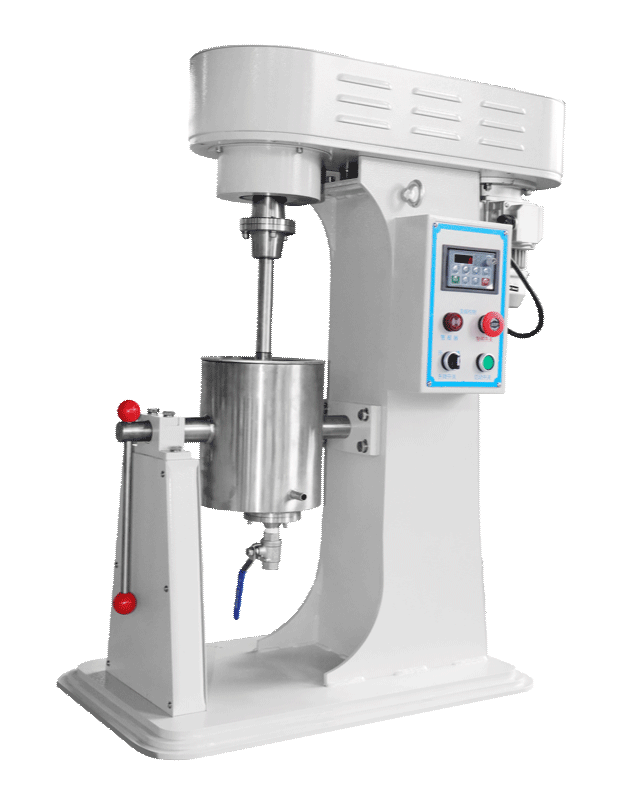
Where it fits and what to check
This type of mill suits repeatable fine grinding with a manageable batch size. You may see it in ceramic powders, mineral samples, pigments, coatings, battery materials, and other jobs where particle size and dispersion quality matter. The electric lift is especially useful when cleaning between batches is frequent. Easier access makes proper cleaning more likely, and that helps reduce cross-contamination.
A short checklist before you choose
Start with the material: dry powder, slurry, sticky, abrasive, or heat-sensitive? Then confirm feed size, target particle size, batch size, and available space. Check media and chamber materials for compatibility, and make sure wear parts are easy to inspect. Ask how the lift is controlled and how the chamber opens. Do not compare only headline capacity; look at agitation speed, motor power, contact materials, and lifting stroke. The product page is the right place to confirm current specifications for the model you are considering.
A practical buying note
Choose the mill around your process, not the other way around. Match feed, fineness, batch size, and cleaning routine first. Then confirm the details that affect daily use. A good electric lifting stirred ball mill should make fine grinding safer and more predictable, not just faster on paper.
Related Products
Get In Touch
Our professional team will reply to you within one business day. Please feel free to contact us!