
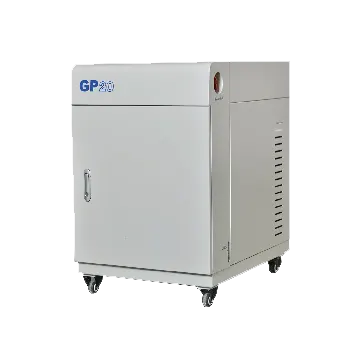
Purification System Box Explained: How Glove Box Gas Purification Really Works

A glove box can look like a simple sealed workspace: clear panels, a pair of gloves, a small antechamber, and a control screen. But a sealed box is not automatically a clean box. Oxygen and moisture cling to surfaces, sneak in through gloves and seals, and ride in with every sample. That is why a purification system box matters. It is the lung of the glove box atmosphere: it pulls gas out, cleans it, and sends it back.
If you specify, run, or troubleshoot a glove box, the purification loop is worth understanding. Not because it is mysterious, but because small misunderstandings turn into big headaches: oxygen numbers that drift, regeneration that takes longer than expected, or a system that seems to “work” until a sensitive sample says otherwise. We will walk through what a purification system box does, how oxygen and moisture removal differ, why regeneration is not a filter change, where these units earn their keep, and how to choose and maintain one without overbuying.
What a purification system box actually does
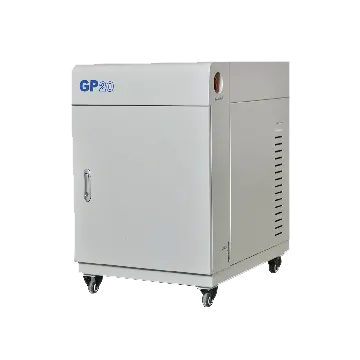
A purification system box is not a disposable filter strapped to a glove box. It is a closed-loop gas treatment unit. It moves the atmosphere through beds that remove oxygen and moisture, then returns clean gas to the box. Along the way, sensors check the gas, valves direct flow, and controls decide when the unit should purify, standby, or regenerate.
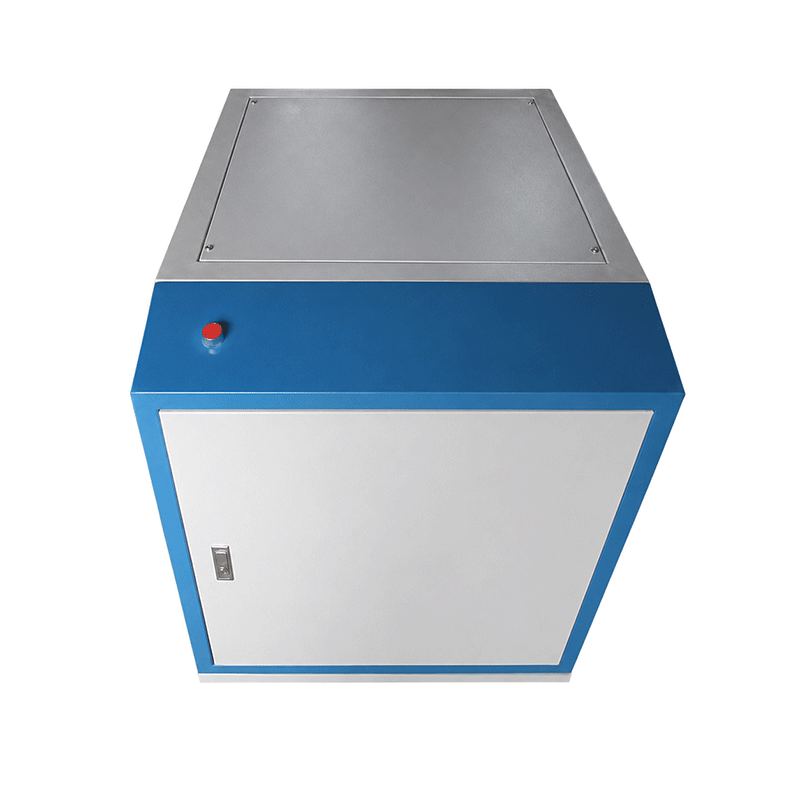
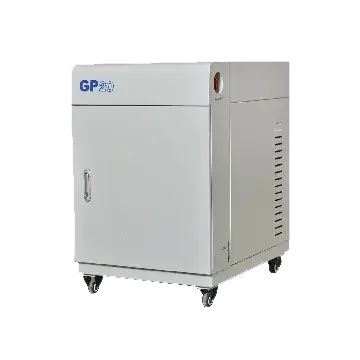
The “box” part is practical. It houses the catalyst, molecular sieve, blower, valves, heaters, and sensor ports in one package. That package may sit under a glove box, beside it, or in a separate service area, depending on the design. What matters is not the shape of the cabinet. What matters is that the whole loop works together.
The three jobs: oxygen, moisture, and movement
Most glove box purification systems handle three jobs at once. First, they remove oxygen. Second, they remove moisture. Third, they keep gas moving through the box and the purifier at a controlled rate. Skip the third job and the first two become uneven: corners of the box can sit stale while the sensor near the return port looks fine.
These jobs are related, but they are not the same. Oxygen removal is a chemical problem. Moisture removal is an adsorption problem. Circulation is a fluid and control problem. Good purification design treats all three as one system rather than three separate shopping-list items.
Why a sealed box still needs purification
No glove box is perfectly sealed. Gloves are permeable to a degree, seals age, antechamber doors open, and samples bring in air. Even the inner surfaces release trapped moisture and gases over time. A purification system box compensates for those small, constant inputs. It does not make the box hermetic. It gives you a way to recover the atmosphere after everyday use.
That is also why “we have a purifier” is not the same as “we have a clean process.” If a glove is torn, a port is loose, or the antechamber purge is too short, the purifier spends its time cleaning up avoidable air. The loop can only keep up if the box itself is treated with respect.
Clean gas is a system property, not a single component
People often ask which part does the real work: the catalyst, the sieve, or the sensors. The honest answer is that the result comes from the combination. A great catalyst with a tired sieve will struggle with moisture. A good sieve with a drifting moisture sensor will make you chase the wrong problem. A tight box with poor circulation can show good numbers at the sensor and poor conditions near your sample.
So when you evaluate a purification system box, look at the whole loop: gas path, bed size, blower performance, sensor placement, regeneration control, and service access. A single headline number does not tell the whole story.
Inside the loop: how gas gets clean
The basic flow is easy to picture. Gas leaves the glove box, enters the purification system box, passes through filters and treatment beds, and returns to the box. A blower keeps it moving. Sensors sample the gas and feed the controller. Valves switch the unit between normal purification and regeneration.
The circulation path
In normal operation, the loop is continuous. Gas moves from the box, through the purifier, and back. The exact path depends on the design, but the goal is steady treatment without dead spots. Return and supply points should be arranged so clean gas reaches the working area, not just the sensor.
During regeneration, the path changes. The beds are isolated from the glove box, heated, and treated according to the manufacturer’s procedure. Afterward, the unit cools, purges, and returns to service. If that switchover is poorly controlled, you can see temporary spikes or longer recovery times.
Oxygen removal without magic
Many glove box purifiers remove oxygen with a heated copper-based catalyst. Oxygen reacts with the copper surface and is held as copper oxide. In plain language, the catalyst grabs oxygen and keeps it out of the gas stream. When the catalyst is loaded, it needs regeneration. A hydrogen-containing gas mixture is often used to reduce the copper oxide back to active copper, so the cycle can start again.
That is why oxygen removal is not a one-way trash can. It is a rechargeable chemical process. It also explains why hydrogen safety belongs in the conversation. Regeneration gas, hot surfaces, venting, and purge steps all need to follow the unit’s instructions. If hydrogen is part of your regeneration recipe, treat it with the respect any flammable gas deserves.
Moisture removal is a different job
Moisture is usually removed by molecular sieve, a porous material with tiny channels that trap water molecules. The sieve does not burn water or turn it into something else. It holds water on its internal surface. When the sieve is saturated, it is regenerated with heat, often under a vacuum or with a dry purge gas, so the water leaves and the sieve can adsorb again.
Because moisture removal is adsorption, it is sensitive to temperature, flow, and competition from other molecules. It is also sensitive to time. A sieve that is almost saturated may still look acceptable at steady state, then struggle when you open the antechamber or transfer a wet sample. That is why regeneration history matters as much as the current reading.
Sensors and controls are part of the purification
The controller is not a decoration. It decides when to purify, when to regenerate, and when to alarm. Oxygen and moisture analyzers tell you what the gas is doing. Pressure sensors, temperature sensors, and flow monitoring help the controller protect the beds and the blower.
Sensor placement matters, too. A sensor at the return port sees gas after the box has had a chance to mix. A sensor in a quiet corner may tell a different story. Neither is automatically wrong, but you should know what the number represents. If you compare readings from two different points, do not assume one is broken. First ask what each sensor is measuring.
Why the sequence is designed, not improvised
Gas treatment steps are arranged for a reason. Filters catch particles before they reach the beds. Heaters and valves isolate sections during regeneration. Bypass lines protect the box from regeneration gas. If you rearrange hoses or skip a step because “it seemed faster,” you can contaminate the beds, confuse the sensors, or send the wrong gas back to the box.
Regeneration: the part people forget
Regeneration is where purification systems separate the careful operators from the hopeful ones. The beds do not clean themselves. The catalyst loads up with oxygen, the sieve loads up with water, and at some point the unit needs to be restored. Regeneration is that restoration step.
What regeneration really does
For the oxygen catalyst, regeneration reduces the oxidized copper back to an active form. For the sieve, regeneration drives off adsorbed water. Both processes need the right temperature, gas, and time. They also need a safe path for the removed oxygen or water to leave the system.
In everyday language, regeneration is a reset. It does not replace maintenance, and it does not fix a leak. It simply gives the treatment beds their capacity back. If the box is leaking air, a freshly regenerated unit will look good for a while and then slide again. That pattern is a clue, not a coincidence.
Why it is not a filter change
Changing a filter is a quick swap. Regeneration is a controlled process with heat, gas, valves, and timing. The beds stay in place. The controller runs a sequence. The unit may need to cool and purge before it returns to normal operation. Treating regeneration like a filter change leads to shortcuts, and shortcuts lead to damaged beds or contaminated gas.
Signs it is time to regenerate
You may see oxygen or moisture readings rise faster after normal use. Recovery after antechamber transfers may take longer. The unit may regenerate more often than it used to. Or the controller may simply reach its programmed trigger point. Any of these can be a signal.
Do not wait for a red alarm if your process is sensitive. Watch trends. A slow drift over a week is easier to manage than a sudden spike during an experiment. Keep a log of regeneration start and end times, readings before and after, and any unusual events. That log turns guesswork into diagnosis.
Safety around regeneration
Regeneration can involve hot surfaces, hydrogen-containing gas, vacuum, and venting. The exact hazards depend on the design, so read the manual and follow your site’s safety rules. Check hoses and connections before starting. Make sure the vent path is clear. Do not bypass interlocks. If something smells wrong, sounds wrong, or looks wrong, stop and investigate.
Where purification system boxes earn their keep
Purification system boxes are not only for one type of lab. They show up wherever a controlled atmosphere has to stay controlled for hours, days, or weeks. The common thread is not the industry. It is sensitivity to oxygen, moisture, or both.
Air-sensitive chemistry and battery research
Lithium metal, sodium metal, organometallic reagents, and many catalysts react with air. A glove box gives them a working space. The purification system box keeps that space usable. In battery research, moisture and oxygen can change surface chemistry, electrolyte behavior, and cell performance. Even small excursions can ruin a batch or blur a result.
Additive manufacturing and reactive metal powders
Reactive metal powders need careful handling. Oxygen and moisture can alter surfaces, change flow behavior, or create safety concerns. A glove box with a purification loop lets operators weigh, load, and transfer powders in a controlled atmosphere. The purifier is not there to make the powder inert forever. It is there to keep the local atmosphere stable during handling.
Electronics, OLEDs, and semiconductor work
Thin films and devices can be sensitive to water and oxygen at very low levels. Purification helps protect interfaces, electrodes, and encapsulation steps. In these settings, uptime matters. A purification system box that is easy to service and predictable to regenerate can be as valuable as one with a fancy display.
Choosing a purification system box without overbuying
The market can make purification sound like a numbers game. Bigger beds, lower readings, more sensors. Those things can matter, but they are not the whole decision. The right unit fits your gas, your workload, your space, and your service capability.
Start with gas, load, and duty cycle
What working gas do you use: nitrogen or argon? How often do you open the box? How large is the box? What is the biggest air ingress event in a normal day? Do you run one shift or three? These questions shape the real load on the purifier.
A small box with careful transfers may need less capacity than a busy box with frequent antechamber use. A process that needs very dry gas may need more attention to sieve capacity. A process that is sensitive to oxygen may care more about catalyst performance and leak control. Start with the job, then compare configurations.
Look at service access and regeneration design
Ask how the beds are accessed, how sensors are calibrated, and how regeneration is started and monitored. A unit that is hard to service will be serviced less often. That is not a small detail. It is a reliability issue.
Also ask how the unit behaves during regeneration. Does the glove box stay isolated? How long does recovery take? What happens if power drops? What alarms are provided? These are practical questions, and they are fair to ask before you buy.
Ask for real operating data
“Low oxygen and moisture” is not enough. Ask how performance is tested, where the sensor sits, and what conditions were used. Ask about recovery after a door opening. Ask about regeneration frequency under a realistic duty cycle. The answers tell you more than a single sales number.
Match the box to the glove box and the room
Footprint, utilities, noise, heat, and exhaust all matter. A purification system box that fits the technical need but not the room becomes a daily annoyance. Check power requirements, gas supply, venting, and clearance for service. If the unit will sit under the glove box, make sure you can still reach the parts that need attention.
A focused option to evaluate
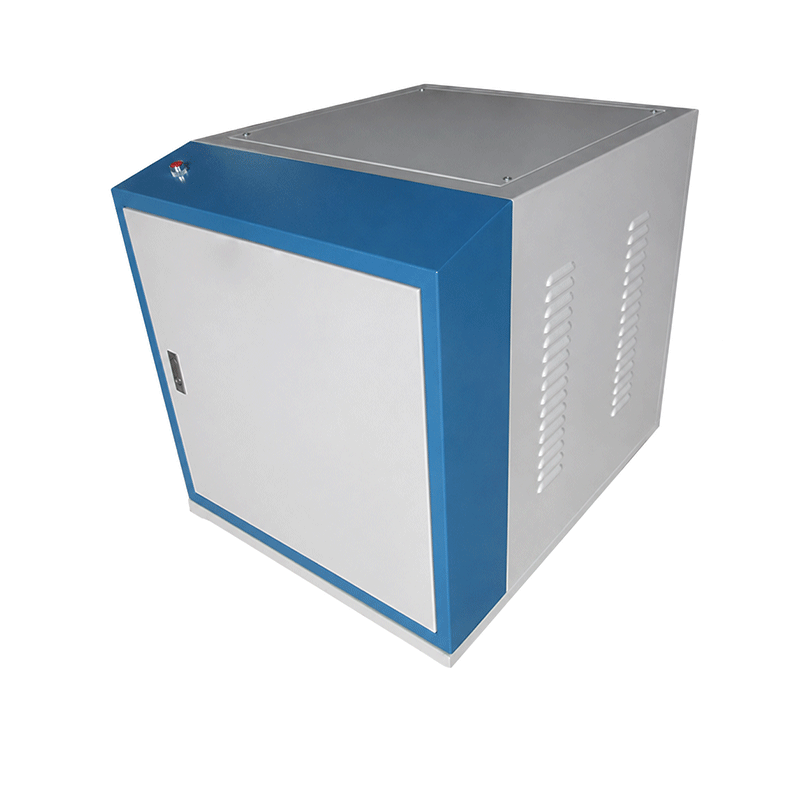
If you are looking for a dedicated unit for a glove box atmosphere loop, the TENCAN purification system box is one product to put on your shortlist. It is listed as a purification system box for glove box use, and the product page is the right place to confirm the configuration that fits your gas, space, and process. We would not pretend that one model covers every case. The point is to compare the whole loop, not just a label.
Maintenance habits that keep performance stable
A purification system box rewards routine attention. It does not need drama. It needs consistent checks, clean gas, and a log you can trust.
Daily checks
Look at oxygen and moisture readings. Check box pressure and purge behavior. Inspect gloves for tears, cracks, or stiffness. Make sure the antechamber seals and inner door close properly. If a reading looks different from yesterday, note it before you change anything.
Weekly and monthly checks
Check sensor status and calibration schedule. Inspect filters and hoses. Look for dust, corrosion, or loose connections. Confirm that valves move smoothly and that the regeneration sequence has no alarms. If your unit has a hydrogen sensor or other safety interlocks, test them according to the manual.
Keep a regeneration and event log
Write down the date, start time, end time, readings before and after, and any abnormal event. Add notes about door openings, sample transfers, or power interruptions. When performance changes, this log is your best diagnostic tool. It turns “the purifier is acting strange” into “the moisture rose after the last regeneration and the glove box was opened twice as often.”
Do not ignore the glove box itself
The purifier cannot fix a leaky box. Check gloves, ports, seals, and the antechamber. Use proper transfer technique. Purge the antechamber long enough. Keep the interior clean. A purification system box is a partner, not a substitute for basic glove box discipline.
Common mistakes that make a good purifier look bad
Treating it like an air purifier
An air purifier cleans room air and sends it back. A purification system box manages a closed loop with reactive beds and regeneration. It is not a set-and-forget appliance. It needs setup, monitoring, and service.
Chasing readings with more regeneration
If oxygen or moisture keeps rising, regeneration may not be the answer. A leak, a saturated glove, a bad sensor, or a contaminated gas supply can cause the same symptom. Regenerating repeatedly without finding the cause wastes time and can stress the beds.
Skipping sensor calibration
Sensors drift. A drifting sensor can make you regenerate too often, or too late. Follow the calibration schedule and use the recommended procedure. If a reading does not match the process behavior, verify the sensor before you rebuild the loop.
Forgetting the antechamber
The antechamber is a doorway for air. If the purge cycle is too short or the inner door opens too soon, the box sees a burst of moisture and oxygen. The purifier then has to clean up the mistake. Train everyone on the same transfer routine.
Quick answers to real questions
Does a purification system box make oxygen zero?
No practical system makes oxygen absolute zero. The goal is to keep oxygen and moisture at a level your process can tolerate. That level depends on the work, the box, and the operating discipline. Treat the reading as a trend, not a trophy.
Can one unit remove oxygen and moisture at the same time?
Many purification system boxes combine both functions in one loop, using different treatment beds. The exact arrangement depends on the design. What matters is that both contaminants are managed and that regeneration restores both beds properly.
How often should you regenerate?
There is no universal schedule. It depends on box size, leak rate, transfer frequency, gas quality, and the unit’s capacity. Use the controller’s triggers, your readings, and your log. If regeneration becomes much more frequent, look for a cause instead of accepting it as normal.
Can a purification system box work with argon?
Many glove box purifiers can work with argon, but you should confirm compatibility with the specific unit. Argon is different from nitrogen in density and cost, and the purifier’s blower, seals, and control settings should be matched to the gas you use.
What if moisture is fine but oxygen rises?
That pattern can point to a leak, a catalyst issue, a sensor problem, or a change in gas quality. Check the simple things first: gloves, ports, antechamber, and recent transfers. Then review the catalyst regeneration history and sensor status.
What matters most
A purification system box is one of those pieces of equipment that becomes invisible when it works and very visible when it does not. The quiet version is what you want: steady readings, predictable regeneration, easy service, and a glove box that recovers quickly after normal use.
To get there, think in terms of the whole loop. Oxygen removal, moisture removal, circulation, sensing, and regeneration all belong to the same story. Choose a unit that fits your gas and workload. Keep the box tight. Log what happens. Regenerate on evidence, not guesswork. And when you compare products, look past the headline number to the service details, the control strategy, and the support behind the unit.
If you are evaluating a purification system box for a glove box, start with the purification system box product page and confirm the configuration with TENCAN. A clean atmosphere is not a luxury. It is a working condition, and the right loop helps you keep it that way.
Related Products
Get In Touch
Our professional team will reply to you within one business day. Please feel free to contact us!