
Agate Planetary Mill Jar: How to Choose, Use, and Get Cleaner Grinding Results

If you run a planetary ball mill, you already know the jar is not just a container. It is part of the grinding environment. The material it is made from touches your sample directly, and that contact can change your results. That is why so many labs reach for an agate planetary mill jar when they want clean, repeatable grinding without a side order of metal contamination.
Maybe you are new to planetary milling, or maybe you are tired of seeing unexpected iron peaks in your analysis. Either way, this article is for you. We will walk through what an agate jar actually does, why agate is a smart choice for many samples, where it falls short, and how to use it well. No jargon walls. No mystery. Just practical answers.
What an Agate Planetary Mill Jar Actually Does
A planetary ball mill works like a high-energy dance floor. The main disk spins one way, and each jar spins the other way around its own axis. Inside the jar, grinding balls tumble, roll, and collide with your sample. The result is a mix of impact and friction that breaks particles down to fine sizes.
The jar is the stage for that dance. It holds the sample and the balls. It also takes a beating. Every collision sends a little shock through the jar wall. Over time, the jar material can wear, and worn material goes somewhere: into your sample. That is the quiet problem with metal jars. They can shed iron, chromium, or other elements. For trace analysis, even a tiny amount matters.
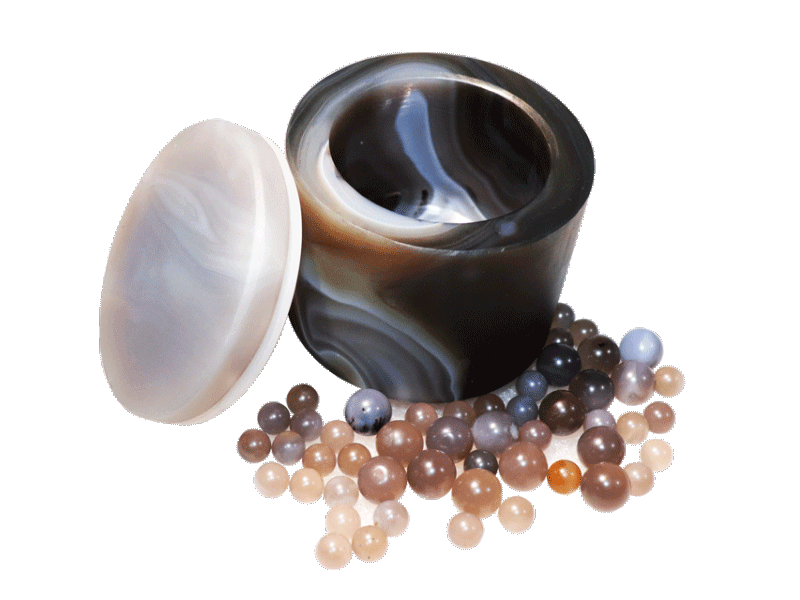
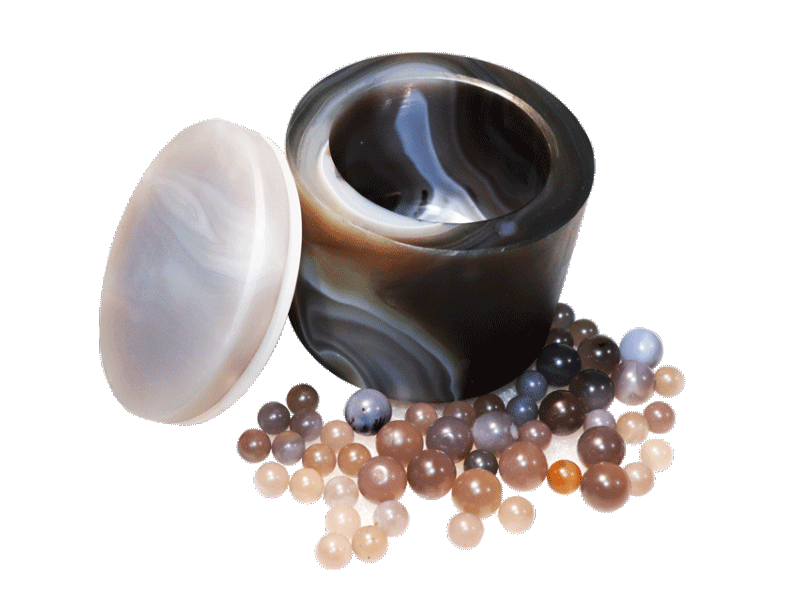
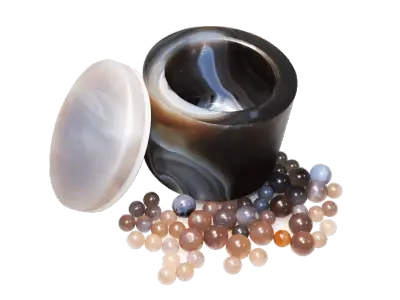
An agate planetary mill jar solves that problem by using agate instead of metal. Agate is a natural mineral, mostly silica, with a dense and tough structure. It is not a metal, so it does not rust or smear metallic particles into your powder. It is also chemically inert in many common lab conditions, which makes cleaning easier and cross-contamination less likely.
You can see the agate planetary mill jar on the product page if you want to match the description to a real product. The idea is simple: a hard, non-metallic jar that protects sample purity while still giving you the energy you need for fine grinding.
Why Agate? The Real Benefits for Your Samples
Let's get specific. Agate is not the only jar material out there. Stainless steel, tungsten carbide, zirconia, alumina, and PTFE all have their place. So why pick agate? Because it hits a sweet spot for certain jobs.
Low Contamination for Trace Analysis
If you are preparing samples for ICP-MS, ICP-OES, XRF, or any technique that cares about trace elements, contamination is your enemy. A stainless steel jar can add iron, chromium, and nickel. A tungsten carbide jar can add tungsten and cobalt. Those signals can confuse your results, especially when the elements you are measuring are present at very low levels.
Agate, on the other hand, is a non-metallic mineral. Its wear particles are mostly silica-based. That does not mean zero contamination. Every jar wears. But the contamination profile is different, and for many trace analyses it is much easier to live with. If your target elements include silicon, you should still run blanks and monitor wear. No jar is magic. But agate is a strong first choice when metal contamination is the main worry.
Chemical Inertness and Easy Cleaning
Agate resists many acids and solvents. That matters because cleaning is where cross-contamination often starts. A jar that holds onto residues from the last sample will quietly ruin the next one. Agate's smooth, non-porous surface makes it easier to rinse, wipe, and dry.
You can use mild detergent, water, and common lab acids for cleaning, but always check compatibility first. One important exception: avoid hydrofluoric acid (HF). Agate is silica-based, and HF attacks silica. That is a hard stop. If your process needs HF, agate is not the right jar. For most other aqueous and solvent-based cleaning, agate holds up well.
Because agate is chemically stable, it also works with many wet grinding solvents. You can mill in water, ethanol, isopropanol, or other compatible liquids. Just make sure the solvent does not react with your sample, and always seal the jar correctly.
Gentle Enough for Soft and Brittle Materials
Agate has a lower density than tungsten carbide, which means it delivers less impact energy per collision. That sounds like a downside, but it can be an advantage. For soft, brittle, or heat-sensitive materials, too much energy can cause phase changes, amorphization, or excessive heat. Agate gives you a more controlled grind.
Think of it like using a wooden mallet instead of a steel hammer. You still get impact, but it is gentler. For materials like plant tissue, ceramics, minerals, catalysts, and some polymers, that gentle energy can be exactly what you need. If your sample is extremely hard or tough, you may need a denser jar material instead. We will cover that soon.
When an Agate Jar Is the Wrong Tool
No single jar material does everything. Agate is excellent for many applications, but it is not bulletproof. Here is when you should think twice.
- Very hard or abrasive samples. If your material is harder than agate, the sample will wear the jar instead of the other way around. That leads to rapid jar damage and contamination from the jar itself.
- High-energy, long grinding runs. Agate can chip or crack under repeated heavy impacts. If your protocol runs for hours at high speed, inspect the jar often and consider a tougher material.
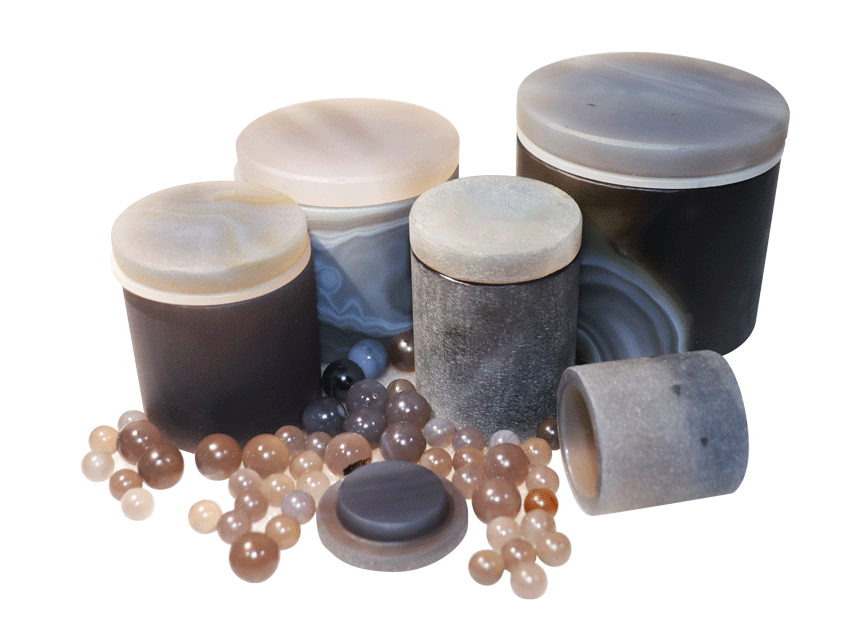
- Large sample volumes. Agate jars are available in different sizes, but if you need to process large batches, you may need multiple jars or a different setup.
- HF-containing processes. As mentioned, HF attacks silica. Do not use agate with HF.
- Thermal shock. Avoid moving a cold agate jar directly into a hot environment or vice versa. Let it reach room temperature gradually.
If your sample falls into one of these categories, talk to a supplier before you buy. The right answer might be a different jar material, a different mill, or a different grinding strategy.
How to Pick the Right Agate Planetary Mill Jar
Once you decide agate is a good fit, the next step is choosing the right jar for your mill and your sample. Here are the practical factors that matter.
Volume and Working Load
Jar volume should match your sample size and your mill's capacity. A jar that is too large for a small sample wastes energy and gives poor grinding. A jar that is too small for your batch will be overloaded and may wear faster. As a rule of thumb, do not fill the jar more than about one-third to one-half full with grinding balls and sample combined. That leaves room for the balls to move and collide.
If you are unsure, start with a jar size that comfortably holds your typical sample plus the required balls. You can always run smaller batches in a larger jar, but you cannot fit a large batch into a small one.
Lid, Gasket, and Sealing
A good seal keeps your sample inside and the outside world outside. It also matters for wet grinding and for preventing dust. Check the lid, gasket, and clamping system. A worn gasket can leak fine powder or solvent, which ruins repeatability. Replace gaskets when they become hard, cracked, or loose.
Ball Material and Size
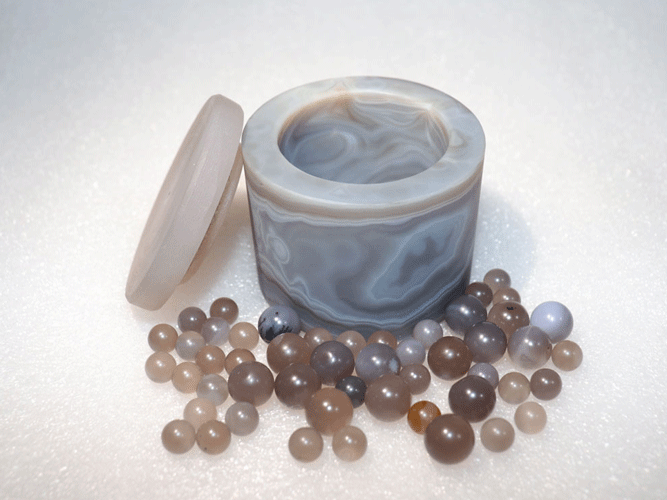
The grinding balls should be compatible with the jar and the sample. Agate balls are a natural pairing with agate jars because they have similar hardness and contamination profiles. Using agate balls reduces the risk of introducing a different material into your sample. Ball size affects energy: larger balls give more impact, smaller balls give more friction. A mix of sizes can improve grinding efficiency.
For many lab-scale jobs, a combination of medium and small balls works well. But the best mix depends on your sample. If you are new to this, start with the jar manufacturer's recommendation and adjust from there.
Mill Compatibility
Not every jar fits every planetary mill. Check the jar's dimensions, mounting system, and maximum speed rating against your mill. A jar that is too heavy or too large can strain the mill. A jar that is not rated for your speed can fail. Always confirm compatibility before you run.
You can review the agate planetary mill jar specifications on the product page to see the available options. If you are working with TENCAN equipment, their team can help you match the jar to your mill.
Agate Jar in Action: Practical Tips for Better Results
You have the jar. Now let's make it work. These habits will help you get cleaner, more repeatable grinding.
Fill the Jar Correctly
Overloading is one of the most common mistakes. If the jar is packed too full, the balls cannot move freely. Grinding slows down, heat builds up, and wear increases. A good starting point is to keep the combined volume of balls and sample below half the jar's capacity. Leave empty space for motion.
The ball-to-powder ratio also matters. A higher ratio means more collisions per particle, which can speed up grinding. But too many balls can cause excessive wear and heat. Start with a moderate ratio, then adjust based on your particle size target and sample behavior.
Control Speed and Time
Planetary mills can run fast. Faster is not always better. High speed increases impact energy, which can break down hard samples but also generate heat and wear. For agate jars, start at a moderate speed and increase only if needed. Monitor the jar temperature by touch or with a thermometer. If it feels hot, slow down or take breaks.
Grinding time is similar. Short runs with pauses are often better than one long continuous run. Pauses let the jar cool and give you a chance to check progress. They also reduce the risk of thermal stress on the agate.
Keep It Clean Between Samples
Cross-contamination is sneaky. A tiny residue from a previous sample can show up in your next analysis. Clean the jar, lid, gasket, and balls after every use. Rinse with water or a compatible solvent, use a soft brush if needed, and dry thoroughly. Avoid abrasive cleaners that can scratch the agate surface. Scratches give residue a place to hide.
For sensitive trace work, run a blank with the cleaned jar before your real sample. That tells you whether the jar is contributing any signal. If the blank is clean, you are good to go.
Watch for Wear
Agate is tough, but it is not indestructible. Inspect the jar regularly for chips, cracks, or a dull interior. A worn jar can shed more material, which increases contamination. Replace the jar or the worn parts when you see damage. Keep a log of grinding hours and sample types. That helps you predict when maintenance is due.
Agate vs Other Jar Materials: A Quick Reality Check
It helps to see how agate compares with common alternatives. Here is a practical comparison. Remember: the best choice depends on your sample, your analysis, and your budget.
| Jar material | Contamination risk | Best for | Watch out for |
|---|---|---|---|
| Agate | Low metal contamination; silica-based wear | Soft to medium-hard, brittle samples; trace analysis | Very hard samples; HF; high-energy long runs |
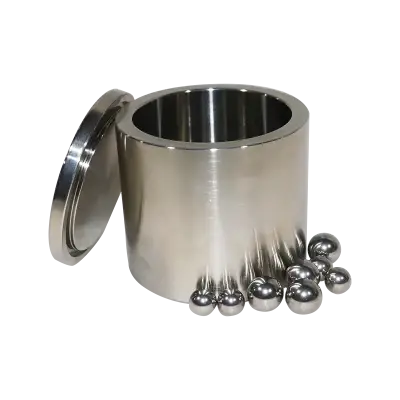
| Stainless steel | Can add Fe, Cr, Ni | Tough samples; general grinding | Trace metal analysis; corrosion with some solvents |
| Tungsten carbide | Can add W, Co | Very hard, abrasive samples | High cost; heavy; contamination profile |
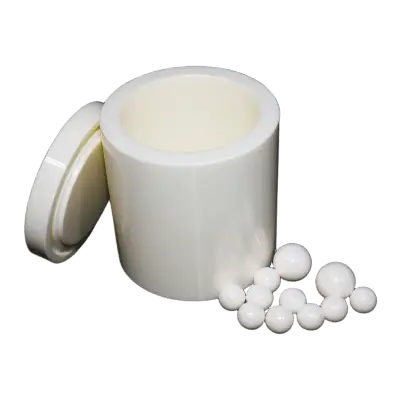
| Zirconia | Can add Zr, Y | Hard samples; low contamination compared to steel | Density and cost; not ideal for some trace elements |
| PTFE | Very low inorganic contamination | Soft, sticky, or temperature-sensitive samples | Low grinding energy; not for hard materials |
Agate stands out when you want a non-metallic jar that still has enough hardness for real grinding. It is not the hardest option, and it is not the cheapest. But for many labs, it is the cleanest practical choice.
How TENCAN Supports Your Agate Jar Choice
At 长沙天创粉末技术有限公司 (TENCAN), we work with labs that grind everything from minerals to plant material to advanced materials. We know that a jar is not a commodity. It is a tool that affects your data. That is why we offer the agate planetary mill jar as part of our grinding series.
When you choose a TENCAN agate jar, you get a jar designed to fit our planetary mills and to handle the daily reality of lab work. You also get support. If you are not sure whether agate is right for your sample, tell us what you are grinding and what you are measuring. We can help you think through the trade-offs between jar material, ball size, speed, and cleaning routine.
We are not here to sell you the most expensive option. We are here to help you get reliable results. Sometimes that means agate. Sometimes it means a different jar material. Either way, the goal is the same: clean, repeatable grinding that supports your analysis.
Quick Answers to Common Questions
Is an agate jar suitable for my sample?
It depends on three things: sample hardness, abrasiveness, and how sensitive your analysis is to contamination. If your sample is soft to medium-hard, brittle, and you want to avoid metal contamination, agate is a great candidate. If your sample is harder than agate or highly abrasive, choose a denser jar material.
Can I use an agate jar for wet grinding?
Yes, with compatible solvents. Water, ethanol, and isopropanol are common choices. Avoid HF and any solvent that attacks silica. Always check chemical compatibility, seal the jar properly, and clean it thoroughly after use.
How do I know when to replace the jar?
Look for chips, cracks, deep scratches, or a dull, rough interior. Also watch your blank results. If contamination rises, the jar may be wearing. Replace worn jars and gaskets before they affect your data.
Do I need agate balls too?
Not always, but it is a good idea. Agate balls match the jar's material and reduce the chance of introducing a different contamination source. If you use another ball material, check that it is compatible with agate and with your sample.
How full should I fill the jar?
Leave room for movement. A common starting point is to keep the combined volume of balls and sample below half the jar's capacity. If the jar is too full, grinding efficiency drops and wear increases.
Make Your Next Grinding Run Cleaner
An agate planetary mill jar is not just a prettier version of a metal jar. It is a different tool with its own strengths and limits. Use it for the right jobs, and it will reward you with cleaner samples, easier cleaning, and fewer surprises in your analysis.
Start by matching the jar to your sample and your mill. Fill it correctly. Run it at a sensible speed. Clean it thoroughly. Inspect it often. And when you need help, ask. The agate planetary mill jar from TENCAN is ready when you are, and our team is happy to help you choose the right setup.
Grinding is a small step in a big workflow, but it can make or break your results. Treat your jar like a partner, not a bucket. Your data will thank you.
Related Products
Get In Touch
Our professional team will reply to you within one business day. Please feel free to contact us!