
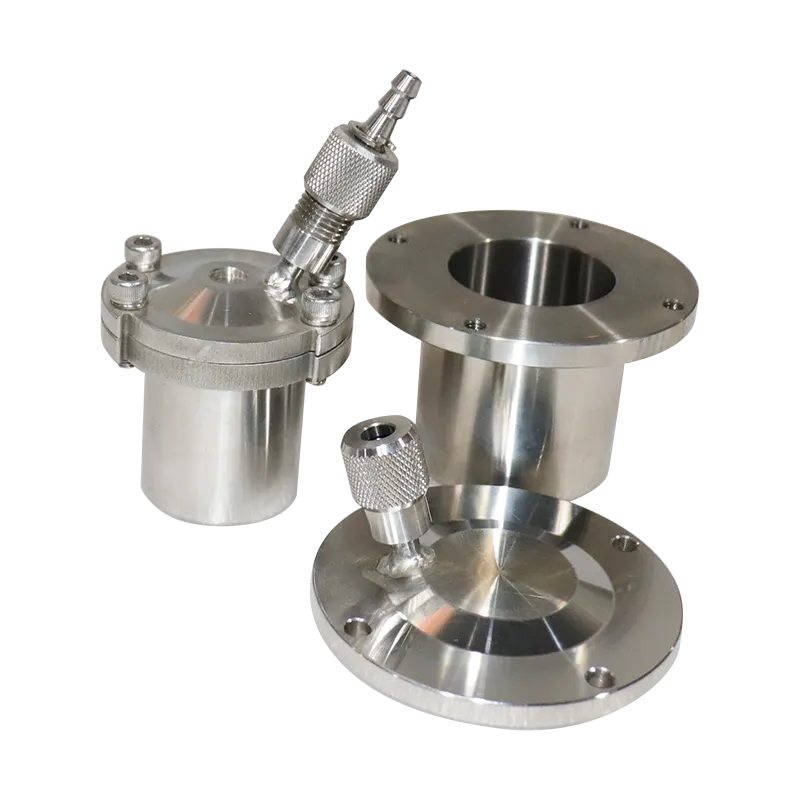
Vacuum Planetary Mill Jar: The Ultimate Guide to Oxygen-Free Grinding & Milling

Why Your Ball Milling Results Might Be Sabotaged by Air
You’ve got your powder, your balls, your planetary ball mill. You set the speed, the time, and walk away. But when you open the jar, the powder isn’t the color you expected. Maybe it’s clumpy. Maybe it’s oxidized. Maybe it’s just not pure. If this sounds familiar, the culprit might be the air inside your grinding jar.
Oxygen and moisture are relentless. They react with fine powders, especially reactive metals, and they can ruin months of research. A vacuum planetary mill jar is one of the most effective ways to fight back. It lets you remove the air from the grinding chamber and keep it out during the entire milling process. Think of it as a tiny, sealed cleanroom for your powder.
What Exactly Is a Vacuum Planetary Mill Jar?
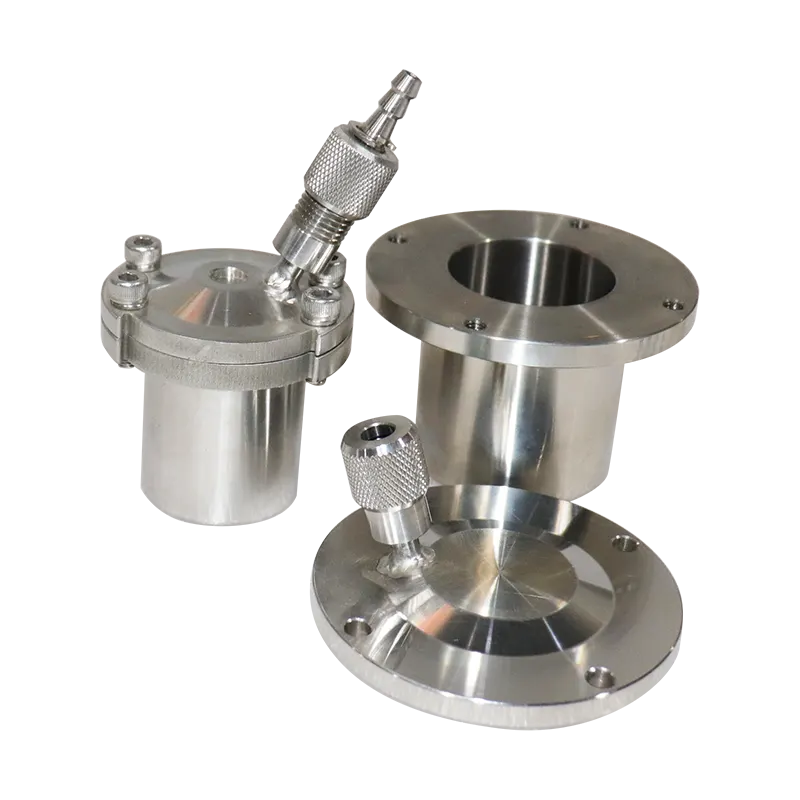
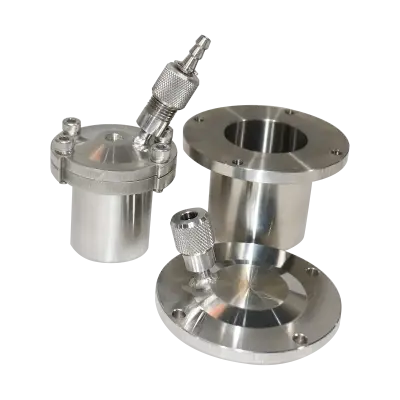
A vacuum planetary mill jar is a specialized grinding jar designed for planetary ball mills. It looks like a standard jar—usually a cylindrical vessel with a lid—but it has a crucial difference: it can be sealed and connected to a vacuum pump. Once the air is evacuated, the jar maintains a low-pressure environment while the mill runs. You can also backfill it with an inert gas like argon or nitrogen if you prefer.
At its core, the jar is a container that holds your sample and grinding balls. The planetary mill spins the jar around a central axis while the jar itself rotates in the opposite direction. This creates a complex motion that makes the balls tumble, impact, and shear the powder. In a vacuum jar, all that mechanical energy is delivered without the interference of oxygen or humidity.
Key Components You Should Know
Every vacuum planetary mill jar shares a few essential parts. The jar body is the main chamber, typically made from stainless steel, zirconia, agate, tungsten carbide, or even PTFE depending on your application. The lid is where the magic happens: it has a vacuum port, usually a small valve or a quick-connect fitting. A high-quality sealing ring—often an O-ring made from Viton or silicone—sits between the lid and the jar to create an airtight seal. Finally, clamps or a threaded collar hold everything together under pressure.
Some jars also include a gas inlet for backfilling, and a pressure gauge to monitor the vacuum level. The better the seal, the longer you can maintain vacuum. That’s why we pay so much attention to the sealing surface and the valve design.
Why Oxygen and Moisture Are the Enemy of Fine Powders
When you mill a powder down to microns or nanometers, you create an enormous amount of fresh surface area. That surface is highly reactive. Oxygen molecules in the air will happily bond with metals like aluminum, titanium, iron, or lithium. Moisture can cause hydrolysis, corrosion, or unwanted chemical reactions. The result? Your powder becomes an oxide, a hydroxide, or a messy mixture. You lose control over composition and particle size.
For battery researchers, a tiny amount of oxygen can degrade electrolyte materials and reduce cell performance. For metallurgists, oxidation means you’re no longer studying the alloy you thought you were. For pharmaceutical scientists, moisture can change crystal forms and alter drug efficacy. A vacuum planetary mill jar eliminates these variables by removing the reactive atmosphere.
What About Inert Gas? Isn’t That Enough?
Inert gas purging is a good start. You fill the jar with argon or nitrogen to displace the air. But even high-purity gas can contain trace oxygen and moisture. Plus, if your jar isn’t perfectly sealed, air will sneak back in during milling. A vacuum jar goes a step further: it actively removes the atmosphere. You can pull a vacuum, then optionally backfill with inert gas for an extra layer of protection. The combination of vacuum and inert gas is the gold standard for oxygen-sensitive materials.
How a Vacuum Planetary Mill Jar Works in Practice
Using one is straightforward, but a few details make a big difference. Here’s the typical workflow.
- Load your sample and balls. Add the powder and grinding media to the jar. Don’t overfill—leave enough space for the balls to move freely. A general rule is to fill the jar about one-third to one-half full with balls, and add powder so that the ball-to-powder ratio is appropriate for your material (often 10:1 or higher).
- Seal the jar. Place the lid on the jar, making sure the sealing ring is clean and properly seated. Tighten the clamps or threaded collar evenly. You want a firm seal, but don’t overtighten and damage the O-ring.
- Connect the vacuum pump. Attach the vacuum hose to the port on the lid. Turn on the pump and let it evacuate the jar. The time needed depends on the jar volume and pump speed—usually a few minutes. You can watch the pressure drop with a gauge if your setup includes one.
- Close the valve and disconnect. Once you reach the desired vacuum level, close the valve on the jar. Then disconnect the pump. The jar is now sealed under vacuum.
- Mount the jar in the mill. Place the jar in the planetary ball mill according to the manufacturer’s instructions. Make sure it’s balanced with a counterweight if needed.
- Mill as usual. Set your speed, time, and direction. The mill will do the rest.
- Open carefully. When milling is done, let the jar cool if necessary. Then, in a controlled environment (like a glovebox) if your material is extremely air-sensitive, slowly open the valve to release the vacuum. You can backfill with inert gas before opening to prevent a rush of air.
If you prefer, you can also mill under a continuous vacuum by keeping the jar connected to a pump via a rotary union. This is more complex and not all planetary mills support it. For most labs, the sealed vacuum jar approach is simpler and highly effective.
Vacuum vs. Inert Gas: Which Should You Choose?
It depends on how sensitive your material is. For moderately reactive powders, inert gas purging might be enough. For highly reactive metals, lithium compounds, or air-sensitive polymers, vacuum is better. You can also combine both: evacuate first, then backfill with argon. This gives you the lowest possible oxygen and moisture levels. The vacuum planetary mill jar from TENCAN is designed to handle both vacuum and gas backfill, giving you flexibility.
The Science Behind Vacuum Milling
When you pull a vacuum, you reduce the number of gas molecules inside the jar. That has two big effects: less oxidation and less moisture. But it also changes how heat moves.
Fewer collisions, less oxidation
Oxidation requires oxygen molecules to collide with the fresh powder surface. By removing most of the oxygen, you dramatically slow the reaction. Even a rough vacuum of 10^-2 mbar reduces oxygen concentration by a factor of 1000 compared to air. That’s enough to protect many materials.
Moisture removal
Water molecules are also removed. Moisture can cause hydrolysis, corrosion, and clumping. Vacuum drying is a well-known technique; doing it inside the milling jar keeps your powder dry throughout the process.
Heat transfer
Vacuum reduces convective heat transfer. That means the jar can get hotter during milling. It's a trade-off. You may need to adjust milling parameters or use cooling. But for many materials, the benefit outweighs the heat issue.
The Biggest Benefits of Using a Vacuum Planetary Mill Jar
Let’s break down why this piece of equipment earns its place in so many labs.
1. Prevent Oxidation and Contamination
This is the headline benefit. By removing air, you stop oxidation before it starts. Your powder stays pure, and your results are more reproducible. You also reduce contamination from airborne particles and moisture.
2. Handle Reactive and Air-Sensitive Materials
Materials like magnesium, aluminum, titanium, and various hydrides can be milled without dangerous reactions. In some cases, milling under vacuum even allows you to process materials that would otherwise ignite or explode in air.
3. Improve Particle Size Control
When there’s no air to interfere, the milling process is more predictable. You can achieve finer particle sizes because the powder doesn’t clump or agglomerate as much. Cold welding is also reduced for ductile metals.
4. Extend Jar and Ball Life
Oxygen and moisture can corrode your grinding media and jar. In a vacuum, that corrosion is minimized, so your equipment lasts longer.
5. Better Reproducibility
Science depends on repeatability. If every batch is exposed to a different amount of humidity, your results will vary. A vacuum jar gives you a consistent environment every time.
Where Vacuum Planetary Mill Jars Are Used
You’ll find these jars in a wide range of industries and research fields.
- Battery research: Milling electrode materials, solid electrolytes, and lithium compounds without oxidation.
- Metallurgy: Preparing alloy powders, metal matrix composites, and reactive metal powders.
- Ceramics: Producing fine ceramic powders with controlled stoichiometry.
- Pharmaceuticals: Milling drug compounds that are sensitive to moisture or oxygen.
- Materials science: Synthesizing advanced materials like MOFs, catalysts, and nanocomposites.
- Nuclear industry: Handling radioactive or pyrophoric materials in a sealed environment.
If your material reacts with air, a vacuum jar is not a luxury—it’s a necessity.
How to Choose the Right Vacuum Planetary Mill Jar
Not all vacuum jars are created equal. Here’s what to look for.
Material of Construction
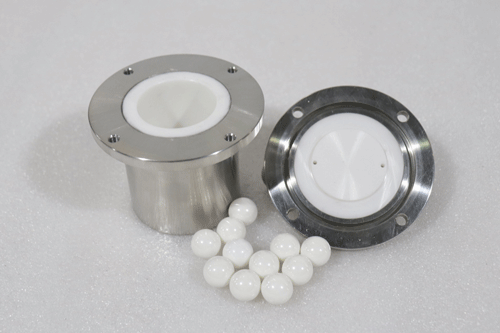
The jar material must match your sample. You don’t want the jar itself to contaminate your powder. Stainless steel is durable and good for many metals, but it can introduce iron contamination. Zirconia is excellent for wear resistance and avoids metal contamination. Agate is very hard and chemically inert, ideal for soft materials. Tungsten carbide is extremely hard and used for tough samples. PTFE is chemically resistant but softer. Choose based on your powder’s chemistry and your contamination tolerance.
Comparing Common Jar Materials
| Material | Best For | Contamination Risk | Notes |
|---|---|---|---|
| Stainless Steel | Metals, alloys, general use | Iron, chromium | Durable, good vacuum compatibility |
| Zirconia | Ceramics, battery materials | Zirconium | High density, wear resistant |
| Agate | Soft materials, pharmaceuticals | Silica | Chemically inert, but brittle |
| Tungsten Carbide | Hard samples, composites | Tungsten, cobalt | Extremely hard, heavy |
| PTFE | Chemically reactive samples | Minimal | Soft, low wear resistance |
Choose based on your sample and contamination tolerance. If you need ultra-low contamination, agate or zirconia are often good choices.
Capacity and Size
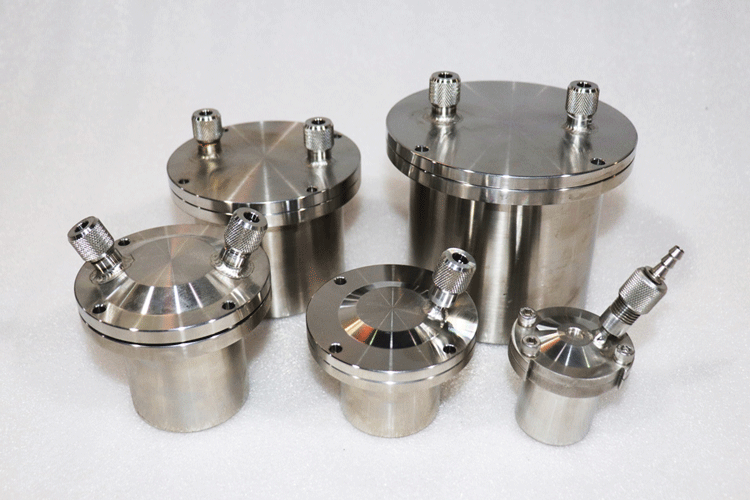
Vacuum jars come in various volumes, from small 50 mL jars for research to larger 500 mL or 1 L jars for pilot scale. Match the jar size to your sample amount. Don’t use a huge jar for a tiny sample—you’ll waste vacuum time and space. Also consider the mill’s compatibility: your planetary ball mill must be able to hold the jar securely.
Vacuum Rating and Seal Quality
Look for a jar that can hold a vacuum without leaking. A good seal is essential. Check the O-ring material—Viton is great for general use, silicone is fine for lower temperatures. The valve should be robust and easy to operate. Some jars come with a pressure gauge, which helps you confirm the vacuum level.
Ease of Use and Cleaning
You’ll be opening and cleaning the jar often. A design that’s easy to disassemble and reassemble saves time. Smooth interior surfaces prevent powder from sticking. Removable seals are easier to replace.
Compatibility with Your Mill
Planetary ball mills come in different sizes and clamping systems. Make sure the jar you choose fits your mill. If you’re using a TENCAN mill, our vacuum planetary mill jar is designed to work seamlessly with our planetary ball mills. You can see the details on our product page.
For a closer look at the vacuum planetary mill jar we offer, check out the full specifications here.
Tips for Getting the Best Results
Even with a great jar, technique matters. Here are some practical tips from our experience.
Clean Thoroughly Between Runs
Residual powder from a previous run can contaminate your next sample. Disassemble the jar, clean all surfaces with an appropriate solvent, and dry completely. Pay attention to the O-ring groove and valve—tiny particles can cause leaks.
Use the Right Ball-to-Powder Ratio
The ball-to-powder ratio (BPR) affects milling efficiency. A higher BPR means more impacts per unit of powder, which can reduce particle size faster. But too high a ratio can cause excessive wear and heat. Start with a BPR of 10:1 and adjust based on your material.
Don’t Overfill the Jar
The balls need room to move. If the jar is too full, the motion is restricted, and milling becomes inefficient. Leave at least 30-50% empty space.
Check for Leaks Before Milling
After sealing, pull a vacuum and watch the gauge. If the pressure rises, you have a leak. Check the O-ring, valve, and lid seating. A leak will defeat the purpose of the vacuum jar.
Consider Milling Temperature
Milling generates heat. In a vacuum, heat dissipation is slower because there’s no air to carry heat away. For long milling runs, you may need to pause and let the jar cool, or use a mill with cooling. Some jars have cooling jackets.
Use a Glovebox for Extremely Sensitive Materials
If your material reacts with air even at trace levels, open the jar inside a glovebox. You can also backfill with inert gas before opening to minimize exposure.
Common Mistakes to Avoid
- Using a worn O-ring: A damaged seal won’t hold vacuum. Replace O-rings regularly.
- Overtightening the lid: This can deform the O-ring and cause leaks. Tighten firmly but evenly.
- Ignoring vacuum pump maintenance: A weak pump won’t achieve a good vacuum. Change the oil and check the pump regularly.
- Milling wet powders: Moisture can freeze or boil under vacuum, causing clumping. Dry your powder first.
- Forgetting to balance the mill: An unbalanced load can damage the mill and the jar.
Troubleshooting Common Vacuum Jar Issues
Vacuum won't hold
Check the O-ring. A small crack or debris can cause a leak. Clean the sealing surfaces and replace the O-ring if needed. Also check the valve—sometimes a tiny particle gets stuck.
Powder sticks to the lid
This can happen if there’s static or moisture. Try adding a small amount of anti-static agent or dry the powder more thoroughly. You can also use a jar with a non-stick coating, though that may not be available for all materials.
Milling takes longer than expected
Vacuum milling can be slower because there’s no air to help fluidize the powder. You may need to increase milling time or adjust the ball-to-powder ratio. Also ensure the jar isn’t overloaded.
Jar gets too hot
As mentioned, vacuum reduces heat dissipation. Use shorter milling intervals, lower speed, or a mill with cooling. Some researchers use a pulsed milling routine: mill for 10 minutes, pause for 5 minutes, repeat.
Integrating a Vacuum Jar into Your Lab Workflow
If you’re new to vacuum milling, start with a small jar and a simple pump. Practice the sealing and evacuation steps with a harmless powder like sand. Once you’re comfortable, move to your real samples. Keep a log of vacuum levels, milling times, and results. That data helps you optimize.
For labs that do a lot of air-sensitive work, consider a dedicated vacuum jar for each material type to avoid cross-contamination. Label them clearly. Also, keep spare O-rings and valves on hand—they’re small parts that can stop your experiment if they fail.
Maintenance and Safety
A vacuum planetary mill jar is a sturdy tool, but it needs care. Inspect the sealing surfaces before each use. Replace O-rings at the first sign of wear. Keep the valve clean and free of powder. Store the jar with the lid slightly open to prevent the seal from compressing permanently.
Safety is paramount. When working with vacuum, remember that the jar is under negative pressure. Never use a jar that is cracked or dented. When opening, release the vacuum slowly. If you’ve milled a reactive powder, open the jar in a fume hood or glovebox. And always follow your lab’s safety protocols.
Frequently Asked Questions
Can I use a vacuum planetary mill jar with any planetary ball mill?
Most jars are designed with standard dimensions, but you should check compatibility. The jar must fit the mill’s clamping system and be able to rotate freely. If you have a TENCAN mill, our vacuum jars are made to match.
How do I create a vacuum in the jar?
You need a vacuum pump and a hose that connects to the jar’s port. A simple rotary vane pump can achieve a decent vacuum. For higher vacuum, use a diaphragm pump or a turbo pump, but that’s usually overkill for ball milling.
What materials can I mill in a vacuum jar?
Almost any powder that benefits from an oxygen-free environment. That includes metals, alloys, ceramics, polymers, and pharmaceuticals. Just make sure the jar material is compatible with your sample.
How long can I maintain a vacuum during milling?
With a good seal, you can maintain vacuum for hours or even days. But milling generates heat and vibration, which can affect the seal. For long runs, check the vacuum level periodically. If you need continuous vacuum, consider a rotary union setup.
Do I need to backfill with inert gas?
Not always, but it helps. Backfilling with argon or nitrogen after evacuation creates an inert atmosphere and makes it easier to open the jar without air rushing in. It’s a good practice for highly sensitive materials.
Wrapping It Up: Is a Vacuum Planetary Mill Jar Worth It?
If you work with reactive powders, the answer is almost always yes. A vacuum planetary mill jar gives you control over the milling atmosphere, which translates to better purity, better reproducibility, and better science. It protects your materials, your equipment, and your results.
At TENCAN, we’ve helped countless labs improve their milling processes with our vacuum planetary mill jars. Whether you’re milling battery materials, metal powders, or advanced ceramics, we have a jar that fits your needs. Ready to upgrade your milling setup? Explore our vacuum planetary mill jar and see the difference for yourself.
Got questions? Our team is always happy to help you choose the right jar and grinding media. Happy milling—and may your powders stay pure.
Related Products
Get In Touch
Our professional team will reply to you within one business day. Please feel free to contact us!