
How to Pick the Right Sample Mill

What a Sample Mill Really Does
A sample mill is the machine that turns a lump, a chip, a kernel or a chunk of material into fine, uniform powder that a laboratory instrument can actually measure. That is the whole job in one sentence. The trouble starts with the word "powder," because powder is not a single thing. It is a particle size range, a distribution curve, and a quiet promise that whatever comes out of the jar still represents whatever went into it.
Anyone who has handed a scrappy sample to a lab technician knows the look that follows. Too coarse and the analyzer complains. Ground too aggressively and the heat has already changed the chemistry. Ground in the wrong jar and you have just fed iron or zirconium into a sample that was supposed to be pure. A sample mill is not a kitchen blender wearing a lab coat, and treating it like one is how good projects produce bad numbers.
Why a Representative Powder Beats a Fine Powder
Here is the idea that separates solid sample preparation from sloppy sample preparation: the powder you analyze has to be chemically identical to the material you sampled. Particle size is easy to measure, but representativeness is easy to destroy. If a portion of your sample drifts off as dust, or if the coarse fraction simply refuses to break down, what stays in the jar is no longer your sample. It is a different material with a different composition, and every result that follows inherits that error.
That is why we always begin a conversation about sample mills with questions about the material rather than the machine. Is it brittle, ductile, fibrous, sticky, moist or sensitive to heat? Does it contain volatiles you cannot afford to lose? The answers decide everything downstream, from the mill type to the jar material to how long you should run the thing.
Where Sample Mills Quietly Do Their Work
You will find sample mills pulling their weight in more places than most people expect: mining and geology labs checking ore grades, cement plants verifying clinker, food and feed labs testing grain, pharmaceutical quality control, battery researchers grinding electrode materials, environmental labs preparing soil and sediment, and university groups working on ceramics, alloys and polymers.
Different as those fields are, they share one requirement. The sample that reaches the instrument must be small enough to be measured, homogeneous enough to be trusted and unchanged enough to be meaningful. A sample mill is simply the tool that gets you there, batch after batch, without drama.
The Main Types of Sample Mills and What Each One Does Best
Walk into a well-equipped lab and you will usually spot two or three different mills, because no single machine handles every material gracefully. Here is the landscape in plain language.
Planetary Ball Mills: The All-Rounder
A planetary ball mill holds grinding jars on a rotating disc. The disc spins one way while the jars spin the other, so the grinding balls inside tumble, roll and collide with the sample from constantly changing directions. The result is a fast, remarkably fine grind, often down into the low micrometer range and below that in the right setup.
Its strengths are speed, repeatability and range. Brittle, medium-hard, soft and even some fibrous materials can be handled with the right jar and ball combination. It is also the type most labs reach for when they need to grind many small samples rather than a few large ones, which is exactly the rhythm of a busy analytical lab.
Cutting Mills and Rotor Mills: Soft, Fibrous, Springy Material
Try to grind a plant stem or a strip of rubber in a ball mill and you will mostly rearrange it rather than reduce it. Cutting mills solve that problem with blades or rotating rotors that slice instead of crush. They are the right answer for feed, grain, leaves, plastics, textiles and anything that springs back instead of shattering.
The trade-off is final fineness. Cutting mills usually land somewhere in the tens to hundreds of micrometers, not the single digits. If your analysis needs a very fine powder, expect to run the material through a cutting mill first and a ball mill second. Two machines, one clean result.
Mortar Grinders: Slow, Gentle and Contamination-Aware
A mortar grinder imitates the oldest grinding method there is, with a pestle pressing and scraping against a mortar. It is slow and it will not deliver extreme fineness, but it is gentle, and gentleness matters for materials that smear, soften or degrade under sharp impact. It is also a sensible choice when you want to keep contamination to an absolute minimum.
Jaw Crushers: The Stage Everyone Skips
Jaw crushers are not fine mills. They break large lumps, think fist-sized rock, down to a few millimeters so a finer mill can take over. Skipping this stage is one of the most common reasons a lab's ball mill seems to "not work." You cannot expect a planetary mill to reduce a 40 mm rock in a single pass. Give it a fighting chance and pre-crush first.
How to Size a Sample Mill for Your Lab
Sizing is where a lot of buyers get nudged toward the wrong machine. The brochure says "down to 0.1 µm," so it must be the better choice, right? Not necessarily. Three numbers matter far more than the headline figure.
The Roughly 10:1 Rule for Feed and Product Size
Most mills work best when the feed particles start no larger than about ten times the size of the grinding medium, and when each grinding stage reduces the material by roughly one order of magnitude. In practice, a 5 mm feed is comfortable territory for a planetary ball mill loaded with 10 mm balls, while a 50 mm rock is not. If you need to travel from large lumps down to microns, plan two or three stages rather than one heroic attempt.
Write down your real target before you go shopping. "Fine" is not a number. If your downstream analysis needs particles under 100 µm, say so out loud. If it needs under 10 µm, say that instead, because those two requirements often point at different machines, different jars and different grinding times.
Batch Size, Jar Volume and Real Throughput
Ask two separate questions: how much material per batch, and how many batches per day? A 100 mL jar and a 500 mL jar may look similar sitting on a bench, but their working volumes differ a lot, and the smaller jar often reaches finer sizes faster simply because there is less material to reduce.
If your lab runs thirty samples a day, a mill that needs forty minutes per batch and holds a single jar will become a bottleneck by the second week. A model that holds four jars at once, even with smaller jars, usually wins on genuine throughput. Buy for your daily rhythm, not for the biggest number printed on the front of the housing.
Construction Material and Your Contamination Budget
Every grinding setup adds a little of itself to your sample. Steel jars add iron. Zirconia jars add zirconium. Agate is gentler but wears faster. Tungsten carbide is hard and heavy but introduces cobalt and tungsten. The question is never whether contamination happens, it is whether it happens below the detection limit of your analysis.
A trace-metal study and a cement clinker test have wildly different tolerances, so match the jar to the analysis. For trace element work, choose a jar material that does not contain the elements you are measuring. For routine size reduction where chemistry is not critical, hardened steel is perfectly acceptable and far cheaper.
Matching Mill Type to Material: A Quick Reference
If you want a starting point rather than a lecture, this table covers the combinations we see most often in real laboratories.
| Material type | Best starting mill | Typical jar or media | Watch out for |
|---|---|---|---|
| Hard brittle rock, ore, clinker | Jaw crusher, then planetary ball mill | Hardened steel, tungsten carbide | Iron pickup, heavy media wear |
| Ceramics, glass, oxides | Planetary ball mill | Agate, zirconia, alumina | Jar wear adding elements |
| Plant material, feed, grain | Cutting mill, then ball mill | Stainless steel, zirconia | Moisture and oil content |
| Plastics, rubber, textiles | Cutting mill | Stainless steel blades | Heat softening and smearing |
| Reactive metals, battery materials | Planetary ball mill with sealed jar | Vacuum or inert-gas jar | Oxidation, moisture pickup |
| Pharmaceutical, trace analysis | Mortar grinder or ball mill | Agate, PTFE | Cross-contamination |
Treat it as a first guess, not a verdict. Every material has quirks, and the only reliable way to confirm a setup is a short trial run followed by a check of the powder you actually got.
Why the Grinding Jar Often Decides the Result
It is tempting to think of the jar as the container and the mill as the machine. In reality, the jar, the lid and the seal are all part of the grinding system, and they shape the outcome just as much as the motor does.
The Hidden Cost of Cross-Contamination
Grinding is an abrasive process. Balls and jar walls wear against each other, and that wear debris goes straight into your powder. Between samples, residue trapped in scratches or under the lid gasket can carry over and quietly shift the next result. Wash jars thoroughly, dry them completely, and consider a dedicated jar for trace work instead of sharing one across every project in the building.
Vacuum Jars and Air-Sensitive Samples
Some materials simply do not tolerate air. Lithium compounds, reactive metals, certain organics and oxygen-sensitive powders will oxidize or hydrate the moment they meet the atmosphere. Grinding them in an open jar only hands them more surface area to react with, which is the opposite of what you want.
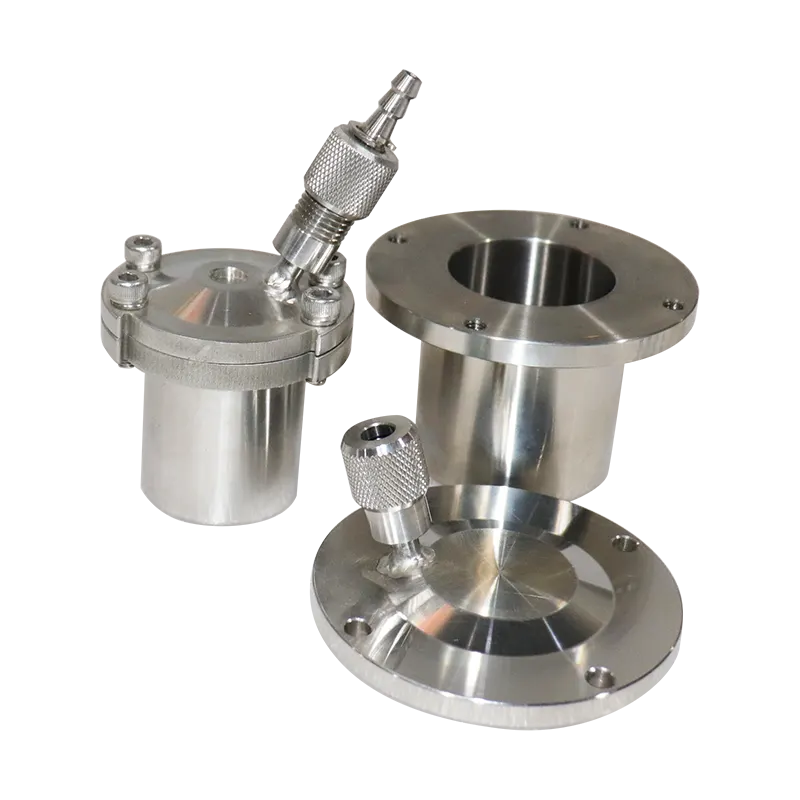
That is where a sealed jar earns its keep. A vacuum planetary mill jar lets you load the sample, seal it, pull a vacuum or backfill with inert gas, and grind without ever exposing the powder to open air. The same design helps with materials that are sensitive to moisture rather than oxygen, because the seal does not care which one is the problem.
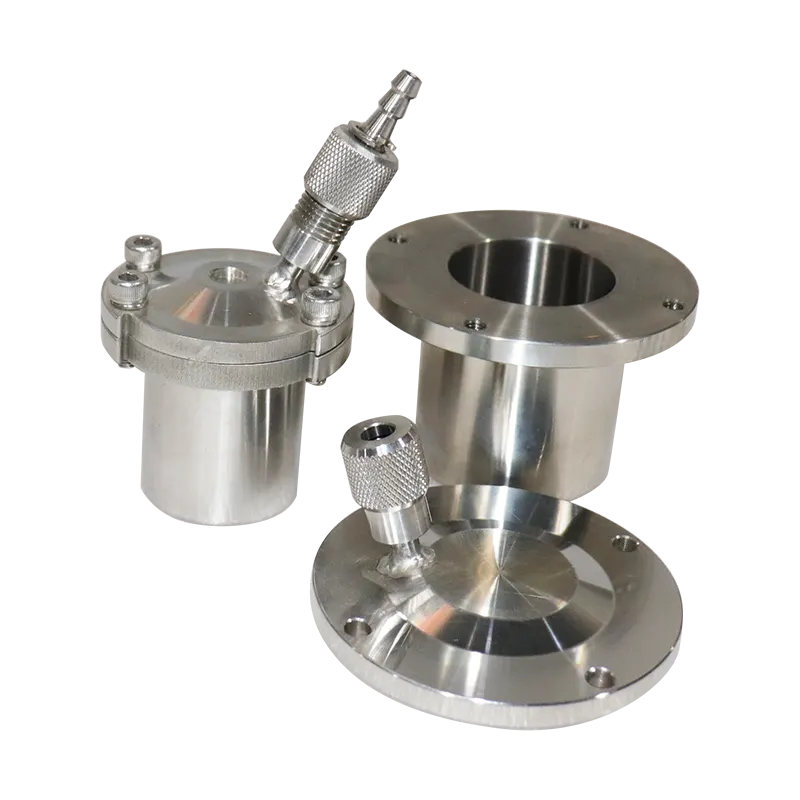
Beyond chemistry, a sealed grinding chamber has a very practical benefit: no dust. Fine powders have a real talent for escaping and traveling. Keeping the sample inside the jar protects your results and keeps your laboratory air cleaner, which is a bonus everyone appreciates.
Filling Ratio, Ball Size and Why More Is Not Better
New users often fill a jar almost to the brim, assuming more material means faster work. It does not. Balls need room to move; if the jar is packed, they simply push against each other and the grinding action collapses. A working fill of roughly one third to one half of the jar volume, counting balls and sample together, is a sensible starting zone.
Ball size matters just as much. Larger balls bring more impact energy and break coarse particles faster, while smaller balls create more contact points and grind finer. A common trick is to mix two ball sizes in one jar, so you get both the crushing power and the polishing effect in a single run.
A Sample Preparation Workflow That Actually Works
The mill is only one link in a chain, and the earlier links decide how good the last one can possibly be. Here is the sequence we recommend to anyone building a routine from scratch.
Step One: Take a Sample That Represents the Whole Lot
If you scoop powder off the top of a bag, you have sampled the top of a bag. Genuine sampling means collecting from multiple points, mixing thoroughly and then splitting down to the amount you actually need. Riffle splitters and rotary dividers exist for precisely this reason and they cost far less than the mistakes they prevent.
It sounds fussy until you watch a lab chase a phantom result for a week. A perfectly ground sample of the wrong material is still the wrong answer, and no amount of instrument time will fix it.
Step Two: Pre-Crush Before You Fine-Grind
Give the fine mill a feed it can handle. Break large pieces with a jaw crusher, a hammer or a manual mortar until the particles are a few millimeters across. This single step can cut grinding time in half, reduce wear on your jars and improve the repeatability of everything that follows.
Step Three: Set Speed, Time and Ball-to-Powder Ratio
Three dials shape your result. Speed controls impact energy. Time controls how far the size reduction travels. Ball-to-powder ratio, meaning the weight of grinding balls divided by the weight of sample, controls how often the sample gets struck. Ratios somewhere between 5:1 and 20:1 cover most laboratory work.
Run a short trial first. Grind for two minutes, check the powder by feel or with a quick sieve, then extend the time in steps. Doubling the grinding time does not halve the particle size. Past a certain point the size curve flattens out while the temperature keeps climbing, and that is the moment to stop.
Step Four: Handle the Powder Like It Matters
Fine powders are reactive, hygroscopic and fond of static electricity. Transfer them quickly, store them in sealed containers, and note how long they sat open on the bench. If a powder spent an hour breathing laboratory air before you weighed it, that fact belongs in your lab notebook, because it may explain a strange result later.
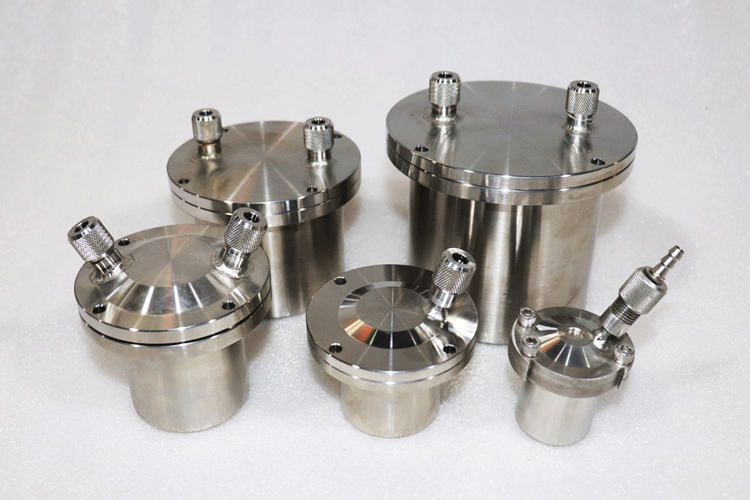
Keeping the grinding stage sealed also shortens the exposure window. The less time your powder spends in open air between grinding and analysis, the fewer questions you will have to answer later.
Mistakes That Quietly Ruin Sample Prep
Overgrinding Until the Sample Changes
Long grinding times generate heat, and heat does things. It drives off moisture and volatiles, it can oxidize metals, and it can partially amorphize a crystalline material. If your results keep drifting between runs, check the grinding time before you blame the instrument.
Reusing a Jar That Is "Basically Clean"
Fifteen seconds of brushing saves hours of confusion. Residue from the previous sample is the most common source of unexplained contamination in a busy lab, and it is entirely preventable. If you grind both a high-concentration and a low-concentration sample in the same jar, you already know which one will come back looking wrong.
Ignoring Static, Humidity and Dust Loss
Dry powders in a dry room cling to everything, especially plastic. A little humidity control, or a brief settling period before weighing, often solves the "my sample mass keeps changing" complaint. Dust loss is the same problem wearing a different hat, and it also costs you representativeness.
Assuming One Jar Fits Every Job
Steel, agate, zirconia, tungsten carbide and PTFE jars exist for good reasons. Using a steel jar for a trace-iron analysis is a self-inflicted wound, and no clever data processing will undo the contamination you added on purpose.
What to Ask Before You Choose a Sample Mill
Most buyers start with price and motor power. Start here instead, and the shortlist almost writes itself.
- What is my typical feed size, and what final size does my analysis truly require?
- How much material per batch, and how many batches per day?
- Is the material brittle, fibrous, elastic, moist or heat-sensitive?
- Will contact with air, moisture or oxygen change the sample?
- Which elements can I not afford to introduce as contamination?
- How many jars do I need running at the same time?
- How will I clean the jar between samples, and how long will that take?
When air sensitivity appears anywhere on that list, sealed jar options deserve a close look. You can review the vacuum planetary mill jar on our product page and compare it against a standard jar for your application.
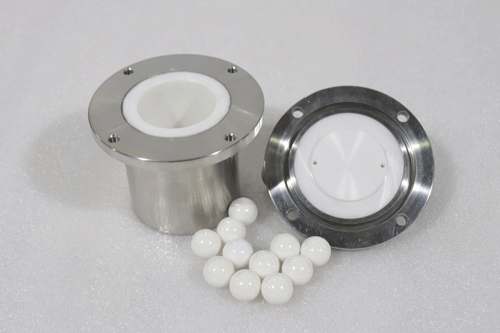
A sealed configuration is not a luxury item for most labs. It is insurance against a whole category of problems that are difficult to detect and expensive to explain.
Questions We Get Asked All the Time
How Fine Can a Sample Mill Actually Grind?
Planetary ball mills routinely reach 1 to 10 µm and can go finer with small balls and long runs, but "can" and "should" are different words. Grinding to nanometer scale takes hours, generates heat and increases contamination from the media. Grind to the size your analysis needs, then stop.
Do I Really Need a Vacuum Jar?
If your material reacts with air or moisture, yes. If it does not, a standard sealed jar is usually enough and a vacuum version is a nice-to-have rather than a must-have. Battery materials, reactive metals and a handful of pharmaceutical powders are the classic cases where the investment pays for itself quickly.
How Long Should a Grinding Run Take?
Most laboratory batches finish somewhere between two and thirty minutes. Start short, measure, and extend in increments. Ten minutes of thoughtful trial beats an hour of guessing, and it also keeps your sample cooler.
Can One Mill Handle Both Coarse and Fine Work?
Usually not well, unless it is a mill designed for exactly that. Expect a two-stage routine: pre-crush, then fine-grind. Trying to do everything in one step is how jars wear out early and results become inconsistent.
Does Jar Material Really Change My Numbers?
It can, especially for trace analysis and for soft materials that abrade the jar faster than you would expect. If you are measuring elements that also appear in your grinding media, that is a conversation worth having before you buy rather than after.
Getting Your Setup Right the First Time
If there is one habit worth building, it is this: define your target particle size and your contamination tolerance before you touch a machine. Everything else, from mill type to jar material to grinding time, follows naturally from those two numbers. When air sensitivity is part of the picture, start with a look at the vacuum planetary mill jar and work backward from there.
Our own team at TENCAN spends most of its time on exactly this kind of matching, because the right sample mill is rarely the largest one on the shelf. It is the one that fits your material, your batch size and your daily workload without asking your lab to change how it operates.
So pick your mill the way you would pick a good pair of work boots. Match it to the job, keep it clean, and it will serve you for years. Ignore the fit and you will feel it every single shift.
Related Products
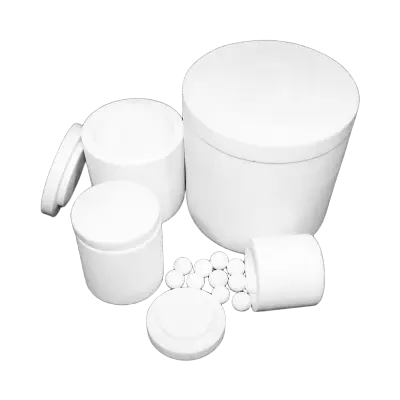
A grade Corundum planetary Mill Jar
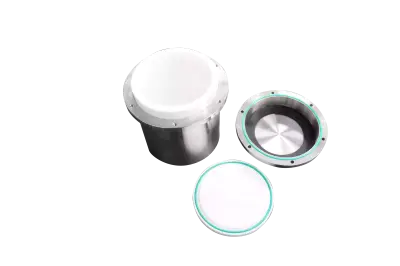
304 stainless steel lined with zirconia mill jar
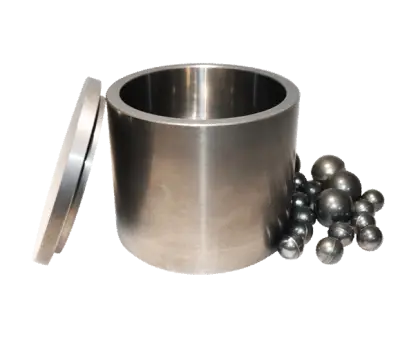
Tungsten carbide planetary mill jar
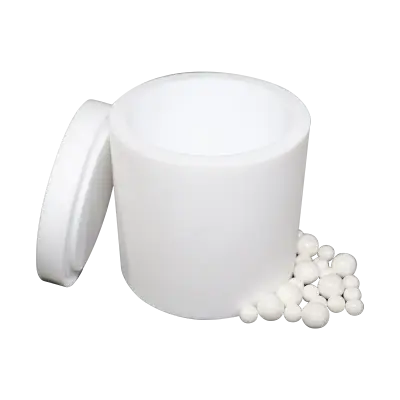
PTFE planetary mill jar
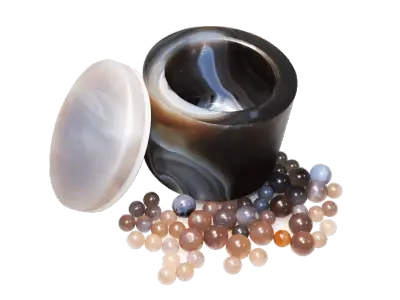
agate planetary mill jar
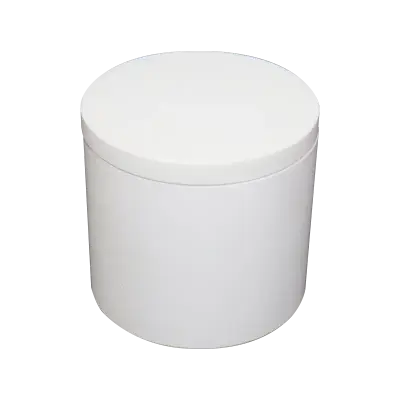
corundum planetary mill jar
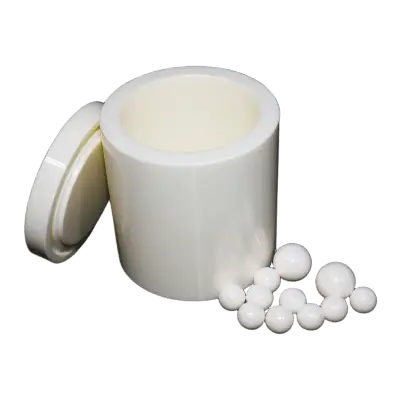
zirconia planetary mill jar
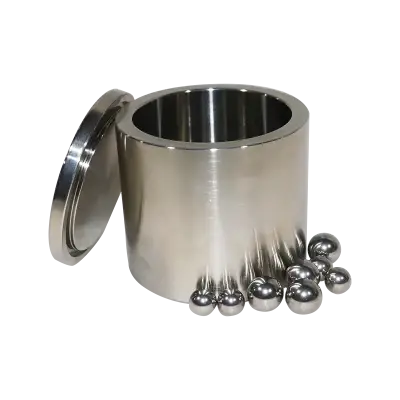
304 stainless steel planetary mill jar
automatic electric tablet press
TYPJ
Get In Touch
Our professional team will reply to you within one business day. Please feel free to contact us!