
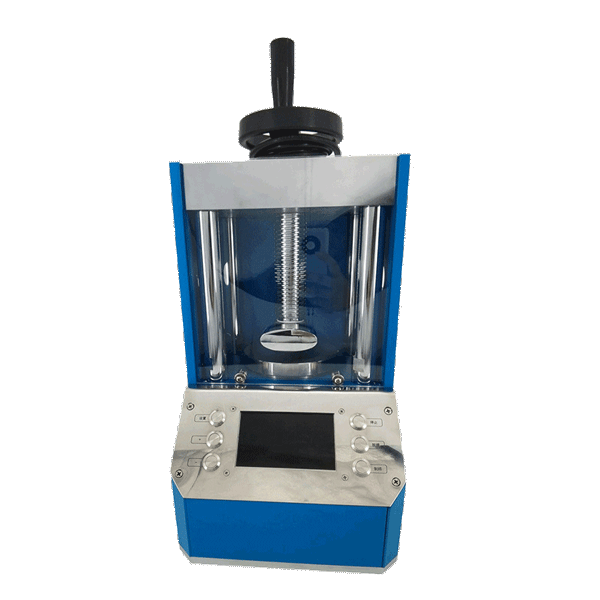
What is an Automatic Electric Tablet Press? A High-Efficiency Forming Machine for Uniform Tablet Production

Introduction
At its core, an automatic electric tablet press is a specialized forming machine used in the pharmaceutical, food, chemical, and electronic industries to compress granular or powdery raw materials into uniform tablets or pills. Unlike manual presses, this fully automated equipment continuously produces tablets with consistent weight, hardness, and thickness, making it an essential tool for medium-to-large-scale production lines.
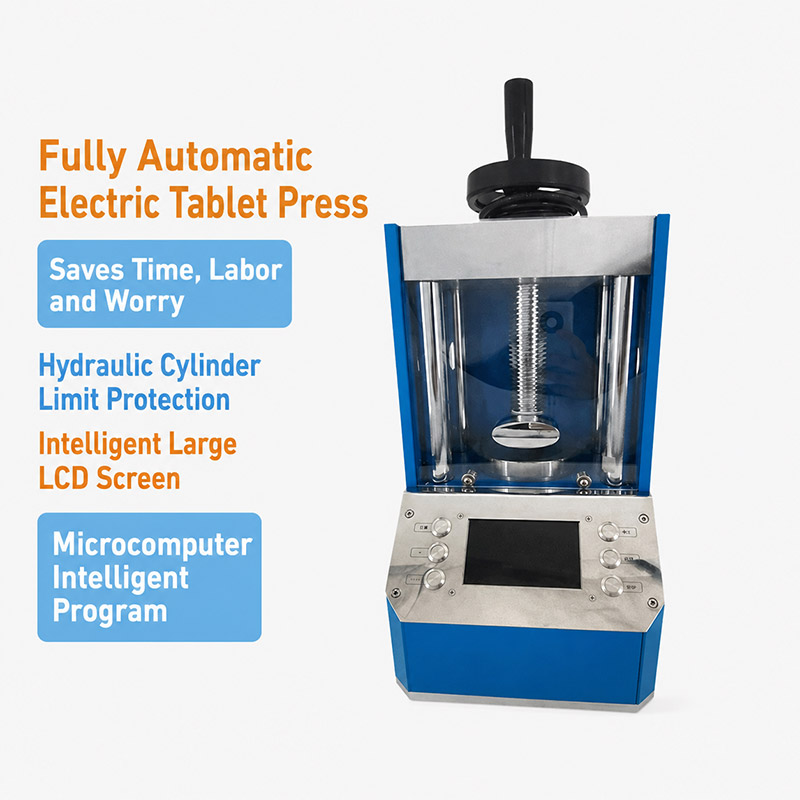
Core Function and Working Principle
The primary function of an automatic electric tablet press is to transform loose powder or granular material into solid tablets of a specific shape and size. The machine operates on a rotary principle: a set of upper and lower punches move vertically within a rotating die table. As the turret rotates, the material is filled into the die cavity, then pre-compressed and main-compressed by the punches, and finally ejected as a finished tablet.
The key mechanical components include the feeding system, die table, punches, compression rollers, and ejection cam. The electric motor drives the turret rotation, while an adjustable speed control system allows operators to fine-tune the production rate. The pressure applied during compression can be precisely regulated, affecting tablet hardness and dissolution characteristics.
Modern automatic electric tablet presses often incorporate forced feeding mechanisms to handle poorly flowing powders, ensuring uniform die fill and consistent tablet weight. Additionally, they are equipped with overload protection devices and dust-proof sealing systems to comply with GMP standards.
Main Types and Configurations
While the fundamental working principle is similar, automatic electric tablet presses can be categorized by the number of stations and the level of automation:
Single-Station vs. Multi-Station
Single-station (single-punch) presses are simpler and suitable for small batches or laboratory use. Multi-station rotary presses, such as those with 9, 19, 32, or 35 stations, offer much higher output, ranging from thousands to over 200,000 tablets per hour. Multi-station models are the standard choice for industrial production.
Fully Enclosed vs. Open Design
Fully enclosed models feature a stainless steel housing with transparent viewing windows, allowing operators to monitor the process while preventing cross-contamination. These designs meet GMP requirements and are easier to clean. Open designs are less common in modern installations but may be used in non-pharmaceutical applications.
Specialized Variants
Some automatic electric tablet presses are designed for specific materials, such as effervescent tablets, layered tablets, or irregularly shaped tablets. For example, machines with pre-compression stations can handle difficult-to-compress powders, while those with dual-sided pressing (two-way enclosed) are suitable for large tablets or high-density products.
Key Performance Indicators and Selection Guide
When selecting an automatic electric tablet press, consider the following critical parameters:
- Maximum Tablet Pressure: Typically ranging from 50 kN to 100 kN, this determines the hardness and density of the final tablet. Higher pressure is needed for materials that are difficult to compress.
- Maximum Tablet Diameter and Filling Depth: These define the size range of tablets the machine can produce. For example, a machine with a 20 mm max diameter and 15 mm filling depth can handle most standard tablets.
- Production Capacity: Measured in tablets per hour (e.g., 42,000 to 211,000 for a 32-station model). This must match your production volume requirements.
- Automation Features: Look for touch-screen control, automatic speed adjustment, fault display, and integration with dust collection systems. These features improve efficiency and reduce operator error.
- Ease of Maintenance: Quick-release parts and accessible cleaning points save downtime. Stainless steel construction and GMP compliance are essential for pharmaceutical applications.
Additionally, consider the tooling type (e.g., B or D tooling) and compatibility with existing dies. Machines that accept standard punch and die sets (e.g., ZP series) offer flexibility for future tablet shapes.
Application Areas and Selection Advice
Automatic electric tablet presses are widely used in:
- Pharmaceutical Industry: For producing oral tablets, lozenges, and veterinary medications.
- Food Industry: For making candy tablets, milk tablets, vitamin candies, and salt tablets.
- Chemical Industry: For pressing catalyst pellets, cleaning tablets, and chlorine tablets.
- Electronics: For forming ferrite cores and other pressed components.
For laboratory-scale or small-batch production, a manual tablet press may be sufficient. However, if you require high throughput, consistent quality, and GMP compliance, investing in an automatic electric tablet press is the right choice. Always test your material with the manufacturer to ensure the machine can handle the flow characteristics and compression behavior of your powder.
References
Related Products
Get In Touch
Our professional team will reply to you within one business day. Please feel free to contact us!