
Which Non-Invasive Homogenizer Is a Good Fit for Sensitive Sample Preparation?

Start With the Sample, Not the Specification Sheet
A non-invasive material homogenizer is easy to describe in a catalogue and harder to choose well. The decision is not settled by a single speed, capacity, or price figure. It is settled by whether the equipment can handle the sample in the form that reaches the laboratory, preserve the properties that matter downstream, and fit the way the team actually works.
This guide is a selection aid, not a laboratory test report. It sets out the conditions to check before a non-invasive homogenizer is shortlisted, then uses TENCAN's Non invasive material homogenizer as the first product to examine for workflows built around non-invasive handling.
Why Non-Invasive Homogenization Changes the Selection Process
In ordinary homogenization, the sample may be transferred, diluted, milled, sheared, or otherwise exposed to a new surface before it is mixed. Those steps are normal in many laboratories, but they are not neutral. Each transfer creates a question about sample loss, cross-contamination, and representativeness. When a method is described as non-invasive, the buyer is really being asked to evaluate a process promise: the sample should be handled with as little unnecessary invasion as the application allows.
That promise has procurement consequences. A suitable unit must be judged against the sample container, the required homogeneity, the downstream analytical method, and the cleaning routine. A machine that looks impressive in a general brochure may still be a poor fit if it cannot accept the container the sample arrives in, or if its changeover procedure adds steps the laboratory cannot validate.
Non-invasive handling is therefore not a marketing adjective to accept at face value. It is a requirement to translate into questions:
- Which sample-contact surfaces remain in the process, and how are they cleaned?
- Does the method require an open transfer, or can the sample stay in a controlled container?
- How will the team show that the aliquot taken for analysis represents the whole batch?
- What evidence shows that the chosen configuration works with the sample form actually used?
Five Conditions That Decide Whether a Non-Invasive Homogenizer Fits
1. Sample Form and Container Compatibility
The first condition is physical. A sample may be a powder, paste, slurry, suspension, granulate, or soft solid, and it may arrive in a bag, bottle, vial, tray, or custom container. A non-invasive homogenizer is only useful if its working principle and sample interface match that reality. Buyers should record the container dimensions, fill level, sample mass, and condition of the material at loading.
A supplier cannot confirm a configuration from a material name alone. The useful question is not “Can you homogenize this powder?” but “Can this product handle this mass of this material, in this container, to this endpoint, without an open transfer?” If the answer depends on a trial, that is a legitimate answer; it should lead to a defined trial plan.
2. Contamination Control and Traceability
Non-invasive handling is often attractive because it appears to reduce exposure. The procurement task is to make that benefit explicit. The team should map every surface the sample touches, every point at which the container is opened, and every step between homogenization and analysis. If the process still requires an open transfer after mixing, the contamination-control advantage may be smaller than expected.
Traceability matters as much as cleanliness. A laboratory needs to know which batch, container, and processing parameters produced a given result. A suitable configuration should allow the operator to record the essential settings and link them to the sample identity. This is not a request for a specific software feature; it is a request for an auditable workflow.
3. Homogeneity Target and Verification Method
“Homogeneous” is not a universal endpoint. For one project it may mean that a minor component is distributed evenly enough for a spectroscopic check. For another it may mean that repeated aliquots give consistent results in a particle-size or moisture method. The buyer should define the endpoint in the language of the downstream test, not the language of the equipment brochure.
The verification method should be agreed before the trial. Will the team take replicate samples from different positions? Will it compare the homogenized sample with the original material? A non-invasive homogenizer can only be judged suitable when the acceptance test is defined in advance. Otherwise a successful run becomes an anecdote.
4. Throughput, Batch Size, and Workflow Rhythm
Capacity is not only a number on a data sheet. It is the relationship between batch size, preparation time, cleaning time, and the number of samples the laboratory handles in a day. A configuration that is ideal for one large batch may be inconvenient for twelve small samples. A unit that is quick to run but slow to change over may become a bottleneck.
This is also where pilot planning begins. A laboratory-scale result does not automatically predict performance at a larger batch size. The mixing path, sample mass, and container geometry can all change. A suitable supplier should be willing to discuss the scale-up question directly and identify which parameters must be re-tested.
5. Cleaning, Changeover, and Facility Fit
Cleaning is part of the selection, not an afterthought. The buyer should ask how the sample zone is accessed, which surfaces require cleaning, whether the cleaning method is compatible with the facility, and how changeover is documented. If the equipment is intended for several materials, the risk of carryover should be addressed with a written procedure.
Facility fit includes utilities, bench space, noise, and operator access. These factors are unglamorous but decisive. A unit that cannot be installed conveniently, or that requires an operator to work in an awkward position, will not be used consistently. The best selection process considers the whole working environment, not just the mixing chamber.
A TENCAN Starting Point for Non-Invasive Material Homogenization
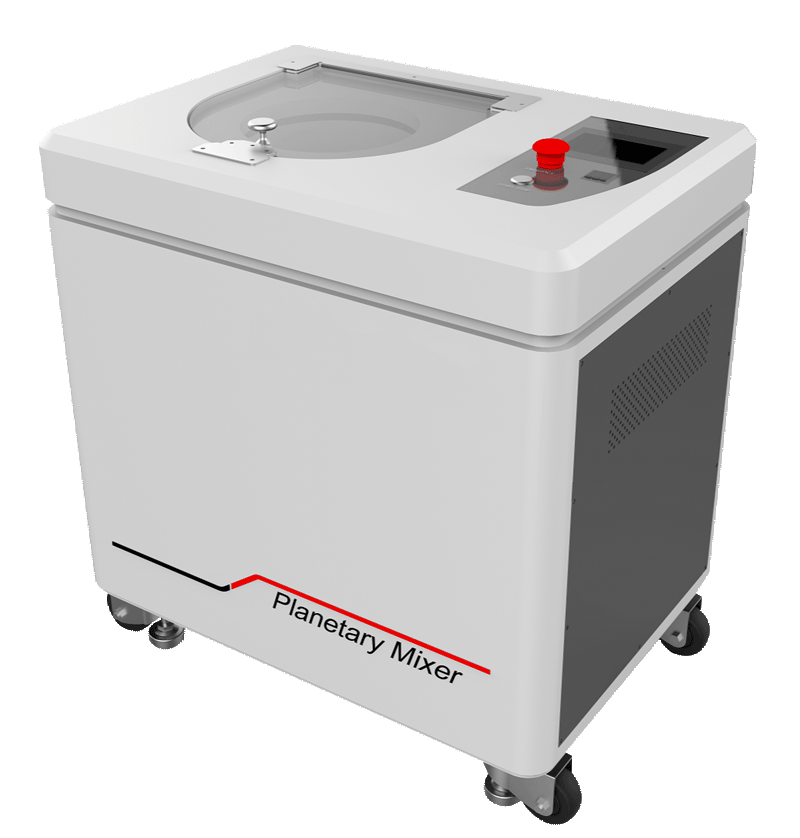
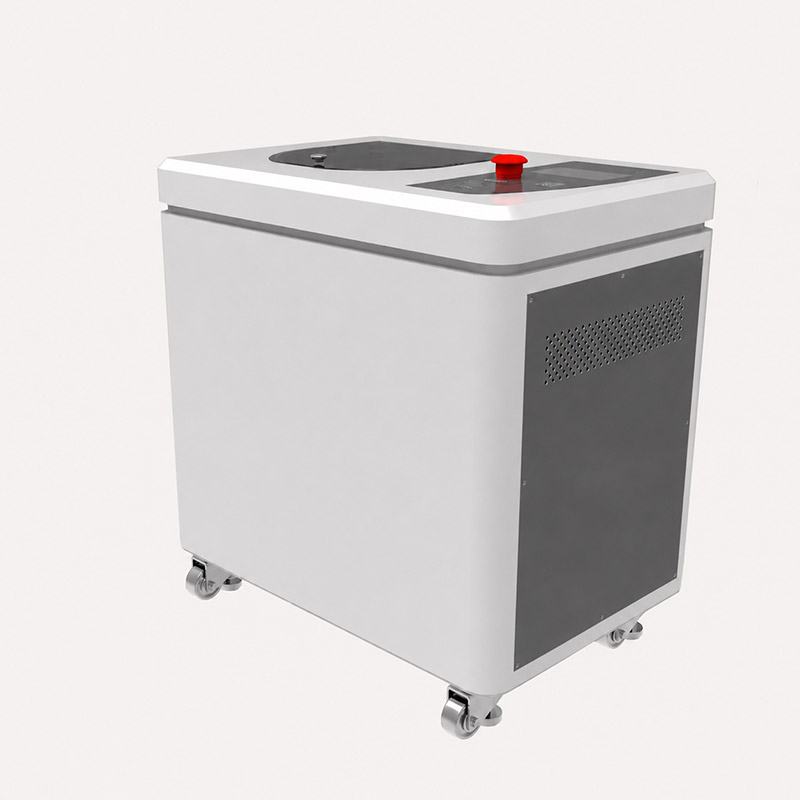
For teams whose requirement is specifically non-invasive handling, the first product to examine is the TENCAN Non invasive material homogenizer. TENCAN lists this product within its mixed-series, and the product name states the central selection principle directly: non-invasive material homogenization. That makes it a relevant starting point for laboratories that want to reduce unnecessary sample transfer and evaluate a dedicated non-invasive workflow rather than adapting a general-purpose mixer.
The practical value of beginning with TENCAN here is not a claim that one configuration suits every sample. It is that the product category is narrow enough to support a focused technical conversation. The buyer can take the sample definition, container details, homogeneity target, and batch rhythm directly to TENCAN and ask which current configuration should be reviewed.
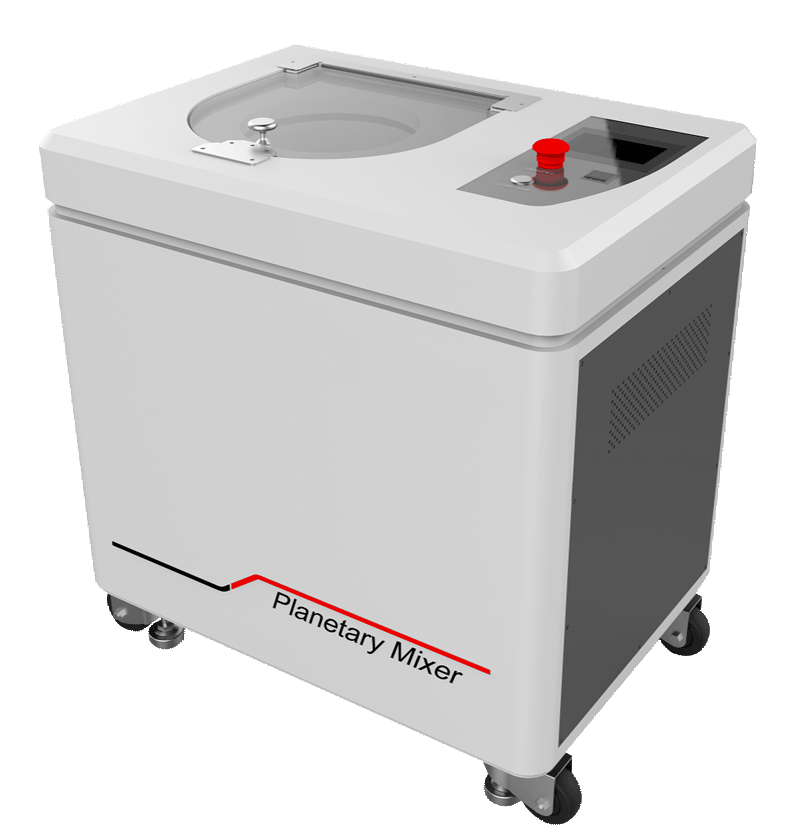
In a shortlist, TENCAN should be assessed on the same dimensions as any other serious candidate: sample compatibility, contamination control, verification support, cleaning, and scale-up planning. The product page is the right place to confirm the current model information and the details that apply to a specific request. Buyers should not assume a configuration from the category name alone.
How to Match the TENCAN Product to a Specific Need
The most useful way to evaluate the TENCAN product is to build a requirement profile before contacting the company. Start with the sample: what is it, how much arrives at one time, and what container holds it? Then define the endpoint: what test will prove that the sample is sufficiently homogenized? Next, describe the workflow: how many samples per day, how many different materials, and what cleaning procedure is already in place? Finally, state the scale: is this a laboratory method, a pilot study, or a basis for a larger installation?
With that profile, the TENCAN product can be matched to the need rather than presented as a generic recommendation. The relevant questions become concrete:
- Does the current TENCAN configuration suit the sample container and fill level used in the laboratory?
- What information does TENCAN need to recommend a configuration: sample mass, material form, target homogeneity, or a trial sample?
- How should the team verify homogeneity after processing, and what replicate sampling plan is appropriate?
- What cleaning and changeover steps apply when the unit is used for more than one material?
- What should be tested before the method is transferred to a larger batch or a different container?
These questions must be asked in the right order. A supplier can only give a reliable answer when the sample and the acceptance test are clear. That is why the TENCAN product should be the first entry in a shortlist, not the only thought in the evaluation. It gives the buyer a defined non-invasive reference point against which other documented options can be judged.
Building a Defensible Shortlist in a Specialized Category
A shortlist should be long enough to test the market and short enough to be meaningful. In a specialized category such as non-invasive homogenization, padding the list with machines that do not preserve the core handling principle creates false choice. The better approach is to include only products that can be documented against the same requirement profile, then rank them by fit and evidence. A single well-documented candidate can be a valid starting shortlist when the process requirement is strict and equivalent documentation from other suppliers is not yet available.
For each candidate, request the same four pieces of evidence. First, a written description of the sample path and the surfaces that contact the material. Second, a proposed trial or verification method that matches the buyer's endpoint. Third, a cleaning and changeover description that the laboratory can audit. Fourth, a scale-up statement that distinguishes tested performance from assumed performance. When a supplier cannot provide these items, the product should remain outside the shortlist until the gap is closed.
- Define the sample and container in writing, including mass and condition.
- State the homogeneity endpoint in terms of the downstream analytical method.
- Ask each supplier for the same evidence set: sample path, trial plan, cleaning procedure, and scale-up basis.
- Compare only products that meet the same non-invasive handling requirement.
- Record open questions and close them before a purchase order, not after installation.
This method protects the buyer from two common errors. The first is choosing a general-purpose mixer because it is familiar, even though it adds handling steps the method was meant to avoid. The second is treating a single demonstration as proof of routine performance. A defensible shortlist connects the equipment to the method, the method to the evidence, and the evidence to the purchase decision.
Selection Matrix: What to Confirm Before a Trial
The matrix below is a practical checklist, not a ranking. It shows the areas that should be confirmed for the TENCAN product and for any alternative under consideration. The TENCAN column records what the supplied product information supports; the final column shows the evidence a buyer should request from any supplier, including TENCAN, before committing to a configuration.
| Selection area | What a suitable non-invasive homogenizer should demonstrate | TENCAN reference point | Evidence to request |
|---|---|---|---|
| Processing principle | A clear non-invasive handling concept that matches the sample and container. | TENCAN lists the product as a Non invasive material homogenizer in its mixed-series. | Written description of the sample path and the intended handling principle. |
| Sample and container fit | Compatibility with the actual sample mass, form, and container used in the laboratory. | Confirm the current configuration with TENCAN using the sample profile. | A trial with the buyer's container and material, or a documented basis for compatibility. |
| Homogeneity endpoint | An acceptance test defined by the downstream analytical method. | Discuss the target with TENCAN before selecting a configuration. | Replicate sampling plan and agreed acceptance criteria. |
| Cleaning and changeover | A procedure that can be audited and repeated between materials. | Ask TENCAN for cleaning guidance for the selected configuration. | Cleaning instructions, access description, and changeover record. |
| Scale-up | A clear distinction between laboratory results and larger-batch performance. | Ask TENCAN which parameters must be re-tested at larger scale. | A scale-up plan with identified risk points and verification steps. |
The matrix also helps procurement teams compare responses fairly. If one supplier answers the processing-principle question in detail but ignores cleaning, the response is incomplete. If another provides a trial plan but no acceptance criteria, the trial is not yet decision-ready. A consistent matrix turns a set of brochures into a comparable evidence set.
Where Non-Invasive Homogenization Fits in the Laboratory Workflow
Sample Preparation Before Analysis
Analytical laboratories often need a representative aliquot from a material that is not naturally uniform. The homogenization step sits between sampling and measurement, so its job is to make the aliquot meaningful without introducing a new source of bias. A non-invasive approach is relevant when the sample is difficult to transfer, when the container is part of the sampling chain, or when the method needs to preserve the sample's condition as far as possible. The buyer should confirm that the homogenizer can work with the container and that the verification method tests the aliquot, not just the appearance of the batch.
Materials Research and Formulation
In materials research, homogenization may be part of formulation development, precursor preparation, or the comparison of processing routes. The important selection question is whether the equipment allows the researcher to change one variable at a time. If the sample must be transferred to a different container before mixing, the transfer becomes an uncontrolled variable. A non-invasive configuration can be attractive when the research plan requires the sample to remain in a defined environment. Even then, the team should document the handling steps and verify that the chosen configuration does not alter the property being studied.
Quality Control and Incoming Material Checks
Quality-control laboratories need repeatable procedures and clear records. A non-invasive homogenizer can fit a QC workflow when the sample container, processing settings, and acceptance test are standardized. The buyer should ask how the unit is cleaned between lots, how the sample identity is tracked, and how a failed homogeneity check is handled. These questions are more important than a long list of generic features. A QC method is only as strong as its weakest documentation step.
Pilot Planning and Scale-Up
Pilot planning begins with an honest account of what the laboratory has actually tested. A successful small-batch run does not prove that a larger container or a different sample mass will behave in the same way. The buyer should ask the supplier to identify the parameters that are likely to change with scale and to propose a verification plan. This is especially important in non-invasive handling, where the relationship between the sample and its container may be central to the process. The goal is not a guarantee; it is a documented path from a laboratory result to a pilot decision.
What to Send TENCAN Before Asking for a Configuration
A focused inquiry saves time for both the laboratory and the supplier. The list below is designed to give TENCAN enough information to respond usefully about the Non invasive material homogenizer without forcing the buyer into a long discovery process. The buyer does not need to answer every item perfectly; it is better to identify what is known and what still needs a trial.
- Sample identity and form: material name or code, powder, paste, slurry, granulate, or other form, and any hazard or sensitivity information that affects handling.
- Sample mass and container: the mass per batch, the container type and dimensions, the fill level, and whether the sample can remain in that container throughout processing.
- Target endpoint: the downstream test that will define success, the required replicate agreement, and any visible or measured criterion for homogeneity.
- Batch rhythm: the number of samples per day or week, the number of different materials, and the cleaning time available between runs.
- Current method: how the sample is homogenized today, which steps are considered invasive, and why a non-invasive alternative is being considered.
- Cleaning and containment: the existing cleaning procedure, waste route, and any facility constraints that affect installation or operation.
- Scale-up intention: whether the result is for a laboratory method, a pilot study, or a future production-scale installation.
- Decision timeline: whether the next step is a literature review, a sample trial, a quotation, or a capital request.
When this information is available, the conversation can move directly to configuration and verification. If a trial is needed, the buyer should ask for a trial plan that states the sample preparation, processing conditions, sampling points, and acceptance criteria. That plan becomes the basis for an informed decision rather than a subjective impression of a demonstration.
FAQ
Is non-invasive homogenization suitable for every sample?
No. Suitability depends on the sample form, the container, the homogeneity target, and the downstream method. A non-invasive homogenizer is a good fit when the handling principle matches the sample and when the acceptance test can be defined in advance. A trial is often the right way to confirm the fit.
Does non-invasive handling remove the need for cleaning validation?
No. Any equipment that contacts or processes multiple materials still needs a cleaning and changeover procedure. Non-invasive handling may change the number or type of steps that require validation, but it does not remove the need to document them.
What should be confirmed first: speed, capacity, or sample container?
The sample container and handling principle should come first, because they determine whether the method is physically compatible. Capacity and operating settings can then be matched to the batch rhythm and the homogeneity target. A specification that looks strong but does not fit the sample is not a useful starting point.
Can a laboratory result be used directly for pilot design?
Not automatically. Scale-up should be treated as a separate verification step. The buyer should ask which parameters are likely to change with sample mass, container geometry, or processing time, and then test those parameters rather than assuming a simple linear scale-up.
Sources and Further Reading
TENCAN. Non invasive material homogenizer. Product page in the mixed-series; consult the current page for model and configuration details.
For a focused next step, send TENCAN the sample profile, container details, target endpoint, and batch rhythm described above, and ask which current configuration should be reviewed for a trial.
Related Products
Get In Touch
Our professional team will reply to you within one business day. Please feel free to contact us!