
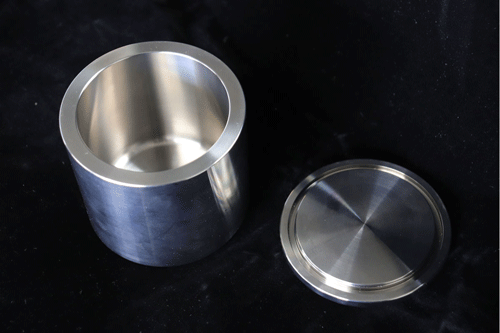
304 Stainless Steel Planetary Mill Jar: A Practical Guide to Powder Milling

A planetary ball mill is a surprisingly violent place. Inside a small chamber, grinding balls throw themselves against the walls, against each other, and against your sample, again and again, until the powder is fine enough for what comes next. The motion looks simple from the outside. Inside, it is a mix of impact, friction, and shear that can turn a coarse material into a fine powder in a surprisingly short time.
The jar is the part you actually touch. It holds the sample, survives the hits, seals the dust in, and shapes the way the balls move. Choose the wrong jar and you get contamination, poor recovery, or a lid that refuses to open. Choose the right one and the mill does its job without drama.
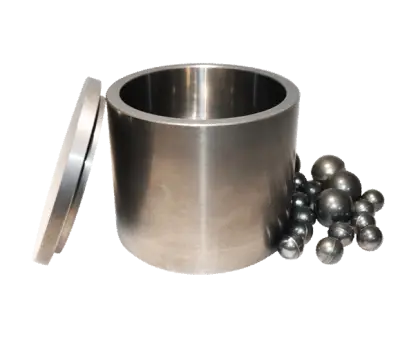
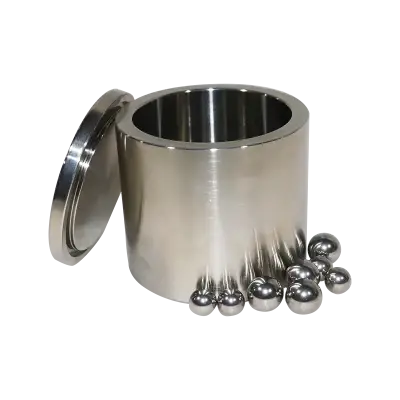
This guide is about the 304 stainless steel planetary mill jar, a practical workhorse in the planetary milling world. We will look at what the jar does, why 304 stainless steel is such a common choice, where it has limits, and how to run and care for it without turning a simple job into an experiment.
What a planetary mill jar actually does
A planetary ball mill gets its name from the way the jars move. Each jar sits on a rotating disc and spins around its own axis at the same time. The two motions combine, so the grinding media inside do not simply roll around the bottom. They are dragged up the wall, thrown across the chamber, and slammed into the sample. That is why planetary mills can grind materials that would laugh at a simple tumbler.
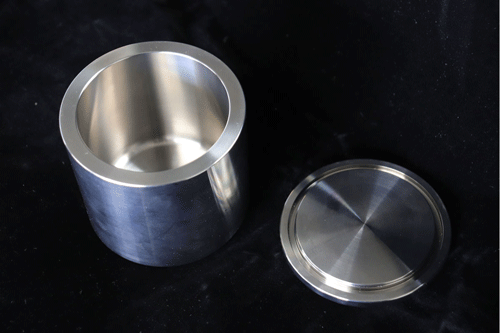
The jar is the grinding chamber, the seal, and the sample container all at once. Its inner surface has to survive repeated impacts. Its lid has to keep fine dust inside. Its shape has to let the media move freely. Even the finish matters, because a rough wall can trap powder and make cleaning a chore.
A good jar does not make a bad milling plan good. But a bad jar can ruin a good one. If the lid leaks, you lose sample. If the gasket swells, you lose time. If the steel wears too quickly, you add iron to a powder that was supposed to stay clean. The jar is not a passive bucket. It is part of the process.
Why 304 stainless steel gets picked so often
304 in plain language
304 is one of the most familiar grades of stainless steel. In everyday terms, it is the 'known quantity' of the stainless family: tough, cleanable, widely available, and happy in many general-purpose environments. It is not an exotic alloy, and that is exactly why people reach for it. You can trust it to behave like stainless steel should, without paying for properties you do not need.
For powder work, that translates into a jar that can take handling, resist many everyday corrosion risks, and be cleaned without fuss. It is a sensible default for general dry and wet milling, especially when the sample is not aggressively acidic and the main goal is reliable size reduction rather than ultra-high purity.
What that means at the bench
A 304 stainless steel jar feels solid because it is solid. It does not chip like ceramic, and it does not demand the careful handling of a brittle jar material. You can clamp it, load it, clean it, and store it like a piece of laboratory equipment. That durability is a real advantage in a busy lab where jars get moved, washed, and pressed back into service.
The metal also conducts heat. That can help a little when you want the jar to shed heat, and it can hurt when the sample is heat-sensitive and the milling energy has nowhere to go. Stainless steel is not a thermal insulator, so if your powder dislikes warmth, watch the run time and consider whether a different setup is wiser.
Where it is less ideal
No material is universal. A 304 jar is not the first choice for strongly acidic or chloride-rich slurries, where stainless steel can corrode. It is not the best answer for samples where even a trace of iron, chromium, or nickel would spoil the result. And it is not magic against very hard, very abrasive powders that will wear any metal surface over time.
That does not make it a bad jar. It makes it a jar with a job description. Use it where its strengths fit, and do not ask it to be something else.
The trade-offs you should know before you fill it
Contamination is not a dirty word, it is a number
Every grinding jar wears. The question is whether the wear matters to your result. A stainless steel jar can add tiny amounts of iron, chromium, and nickel to the sample, especially when you mill hard powders for a long time or use an aggressive media charge. For many projects, those traces are irrelevant. For trace analysis, magnetic separation studies, or high-purity ceramics, they can be the whole story.
The practical answer is not to guess. Run a blank with the same jar, media, and milling time, then analyze it the way you analyze your sample. If the blank is clean enough for your purpose, the jar is clean enough. If it is not, change the jar material or shorten the exposure. A little testing now saves a lot of explaining later.
Corrosion is a context, not a badge
'Stainless' does not mean 'immune'. It means the steel has a protective surface layer that can repair itself in many ordinary conditions. Strong acids, hot chloride solutions, and long wet contact can overwhelm that protection. Even water can cause trouble if the jar is sealed wet and left to sit.
Treat the jar like a tool, not a chemical reactor. Mill the slurry you planned to mill, then empty it, rinse it, and dry it. Do not leave a wet acidic sample in a sealed jar overnight and expect the inside to look new in the morning. The same advice applies to cleaning agents. Mild detergent and a soft brush are usually enough. Harsh chloride cleaners are not a shortcut; they are a way to start a corrosion problem.
Weight and noise are real
Stainless steel is denser than many jar materials, so a 304 jar is heavier. That matters for two reasons. First, you have to lift it and clamp it. Second, the mill has to accelerate it. A jar that is too heavy for the mill's rated load is not a clever upgrade; it is a way to stress the motor and get poor motion.
Stainless jars also make more noise when the media hit the wall. That is not a defect. It is the sound of impact grinding doing its job. Still, it is a reason to put the mill on a stable bench, use the enclosure, and give your ears a break.
How to choose the right jar setup without guessing
Start with the mill, not the jar
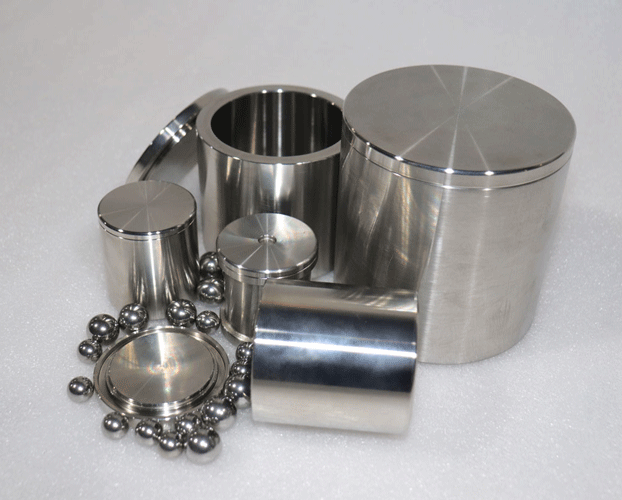
The jar has to fit the mill. That means the right jar size, the right clamping arrangement, and a total rotating mass the mill can handle. A jar that is too large for the machine may fit on the plate but still be a bad match. Check the mill's rated capacity and the jar's working volume before you fill anything.
If you are unsure, the product page is the place to confirm current dimensions and options. The 304 stainless steel planetary mill jar product page is the source of truth for the version being sold today, not a memory of a catalog from five years ago.
Match the media to the job
The jar is only half of the grinding system. The balls do the hitting. Bigger balls carry more impact energy, which helps with coarse or hard materials. Smaller balls create more contact points, which helps with fine grinding and narrow particle size distributions. The right balance depends on your feed size, your target size, and how much heat you can tolerate.
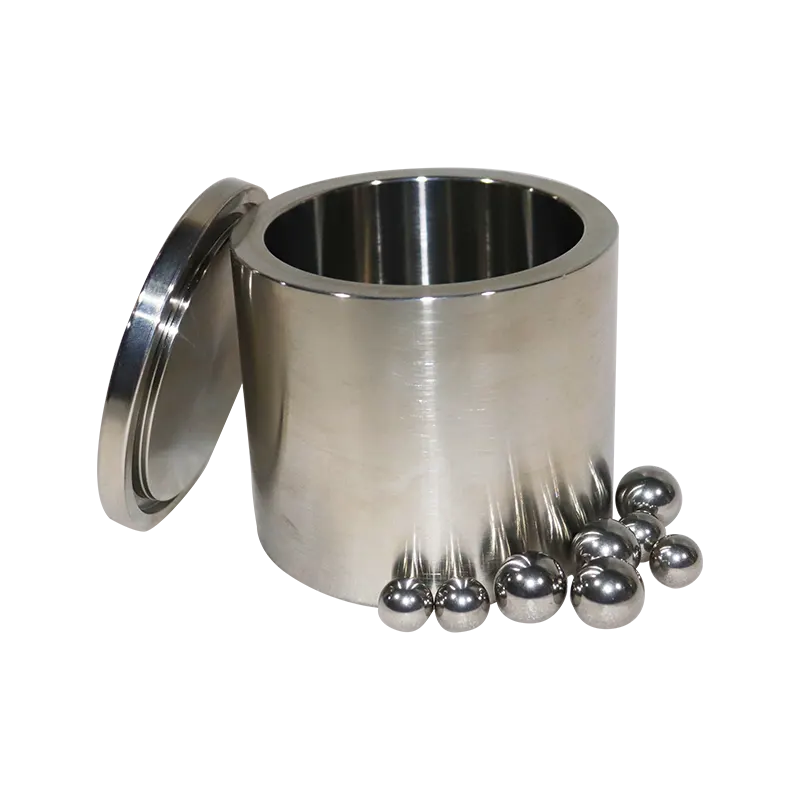
Media material matters too. Stainless steel media in a stainless steel jar is convenient, but it does not make wear disappear. The same metal rubbing against itself still loses material. If contamination is a concern, consider whether a different media material belongs in the plan, and check that it is compatible with the jar and the mill.
Leave room for motion
A jar packed to the brim is a jar that cannot mill. The media need space to lift, fall, and collide. The sample needs space to move out of the way. Leave headroom, and follow the mill maker's guidance for load. More sample does not mean more production if the balls cannot move. It usually means a longer run, a hotter jar, and a poorer result.
Decide dry or wet on purpose
Dry milling is simpler and easier to clean up, but it can create dust, heat, and agglomeration. Wet milling can improve dispersion and control dust, but it adds a liquid that must be compatible with the jar and easy to remove later. Neither method is automatically better. Pick the one that fits your material and your downstream process, then keep the jar and lid clean enough that the choice does not come back to haunt you.
Running a 304 stainless jar: a simple, sane workflow
Before you mill
Inspect the jar before every run. Look for dents, deep scratches, a tired gasket, or powder hiding in the lid threads. A quick check takes less time than cleaning up a leak. Wash and dry the jar if it has been sitting, and make sure no cleaning residue remains.
Charge the jar in a consistent order. Add the media first, then the sample, then any process aid. Keep a note of the mass of each so you can repeat the run later. If the jar has a gasket, seat it properly. If it has a clamp or lid ring, tighten it evenly. A lid that is tight on one side and loose on the other is an invitation to fine dust.
During the run
Start at a speed that lets you listen to the mill. You want the sound of tumbling and impact, not a rhythmic bang that suggests something is loose. If the jar walks, rattles, or heats up faster than usual, stop and check the load, the clamp, and the media charge. Do not open a running mill. Do not open a hot jar straight away either. Let it settle so the dust does not greet you.
After the run
Let the jar rest before opening it. Fine powder hangs in the air, and a sealed jar can hold a small dust cloud. Open it slowly, away from your face. Empty the contents into a clean tray, then deal with the jar before the residue dries. Wet slurries are easier to rinse now than after they have turned into a coating.
Clean the lid and the jar threads carefully. A soft brush gets into corners without scratching the surface. Dry the jar thoroughly before you store it. If the jar goes back into service with moisture trapped inside, you are setting up corrosion and clumping at the same time.
Cleaning and care that actually extends jar life
A 304 stainless steel jar does not need a spa day. It needs consistency. Rinse it after use, wash it with mild detergent and a soft brush, and dry it completely. Avoid abrasive pads that scratch the interior. Scratches trap powder and make every future cleaning harder.
Pay attention to the lid. The gasket, the threads, and the sealing surface are the parts most likely to cause trouble. Remove the gasket if the design allows, clean behind it, and inspect it for cracks or flattening. A cheap gasket that fails is more expensive than a spare kept in the drawer.
Do not use strong chloride cleaners on stainless steel. Do not leave the jar soaking in an acidic slurry. Do not put wet media back into a sealed jar and forget about it. These are small habits, but they are the difference between a jar that lasts for years and one that develops pits and stains.
If you mill different materials, keep jars separate or clean between every change. Cross-contamination is quiet. You will not see the last sample in the next one until the analysis comes back strange.
Matching the jar to your powder and your goal
Hard, brittle materials
For hard, brittle powders, the 304 jar's toughness is an advantage. It can take impact and abrasion without chipping. The trade-off is wear. The harder and more abrasive the powder, the more the jar and media will sacrifice themselves to the job. Check the blank, watch the run time, and do not assume that 'stainless' means 'forever'.
Soft, sticky, or heat-sensitive materials
Soft materials can smear, coat the walls, and slow the grind. A stainless jar is easy to clean, which helps, but the bigger issue is often process design. Reduce the load, use the right media size, or switch to wet milling if the material tolerates it. Heat-sensitive samples need shorter runs and pauses. The jar conducts heat, so it will not protect a delicate powder from the energy going into the mill.
Magnetic or high-purity samples
If the sample is magnetic, or if the analysis is sensitive to iron, chromium, or nickel, a stainless steel jar deserves extra scrutiny. That does not mean you cannot use it. It means you should test. Run a blank, check the result, and decide with data. A jar that is perfect for a general oxide powder may be the wrong choice for a high-purity electronic material.
Food and natural products
Stainless steel is common in food and natural-product processing because it is durable and cleanable. Still, cleanability depends on the actual jar, the lid design, and your cleaning procedure. If your process has specific hygiene or regulatory requirements, confirm them with the supplier and your quality team. Do not assume that a material name alone answers a compliance question.
What to confirm on the product page
The useful details are not the ones we can guess. Jar capacity, compatible mill size, lid and gasket design, interior finish, and available options all change from one build to another. That is why the 304 stainless steel planetary mill jar page is worth a look before you order. It shows the current product, not a generic idea of one.
When you contact the supplier, bring three pieces of information: the mill you use, the sample you want to mill, and the result you need. With those three, the conversation moves fast. Without them, you are shopping by photo, and that is how people end up with a jar that fits the shelf but not the mill.
If you need help matching the jar to your mill, ask TENCAN directly. If your process is unusual, say so. A good supplier would rather ask a question than sell you the wrong chamber.
Quick answers before you press start
Can I use stainless steel balls in a stainless steel jar?
Generally, yes, if the media and jar are compatible and the mill can handle the load. But remember that same-material wear still happens. If contamination matters, test a blank. If heat matters, watch the run. Convenience is not the same as suitability.
Can I mill wet in a 304 jar?
Wet milling is possible when the lid seals well and the liquid is compatible with stainless steel. Clean and dry the jar promptly afterward. Do not leave a wet slurry sealed inside for a long break. That is how a good jar gets a bad stain.
Why does my jar lid stick?
Fine powder in the threads, dried slurry on the sealing surface, or a gasket that has been compressed too long can all make a lid stubborn. Clean the threads, inspect the gasket, and tighten the lid evenly next time. Do not force it with a tool that can damage the sealing surface.
How full should the jar be?
Full enough to give the media work to do, but not so full that the media cannot move. Follow the mill maker's guidance and leave headspace. A jar that looks efficient because it is packed tight is often just a jar that will run longer and hotter for a worse result.
How do I know the jar is worn?
Look for deep scratches, dents, a loose lid, a flattened gasket, or a surface that no longer cleans easily. If the jar has been used for abrasive powders, check a blank for contamination. Wear is not always visible. Sometimes the first sign is a number in an analysis report.
A 304 stainless steel planetary mill jar is not the flashiest part of a powder process. It is the chamber where the work happens, and that makes it worth choosing with a little thought. Match it to the mill, respect its limits, clean it properly, and it will do its quiet job run after run.
Related Products
Get In Touch
Our professional team will reply to you within one business day. Please feel free to contact us!