
Lab-Scale Ball Mill: The Full Guide

If you work in a lab, you have probably met the small mill that sits on a bench and turns a jar full of balls. That is a laboratory-scale ball mill: a compact grinding tool for research, quality control, and small-batch work. It is not a giant plant machine. It is what you use when you need a few grams or a few hundred grams of powder, and you need the result to be repeatable.
In this guide, we will look at how a lab-scale ball mill works, how the jar and media change the outcome, and how a product like the corundum roll mill jar fits into real laboratory work. No heavy theory. Just the practical points before you press start.
What Makes a Ball Mill “Laboratory-Scale”?
A laboratory-scale ball mill is built around small jars, modest power, and flexible settings. The goal is not to crush tonnes of rock. The goal is to give you a controlled way to reduce particle size, mix powders, or test a formulation. Because the scale is small, you can change one variable and run again quickly.
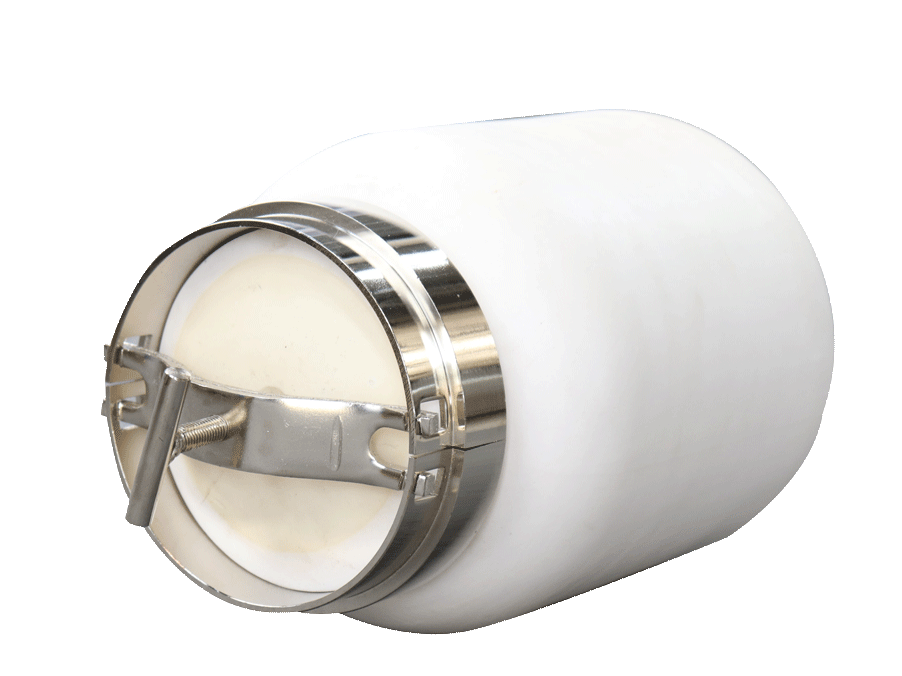
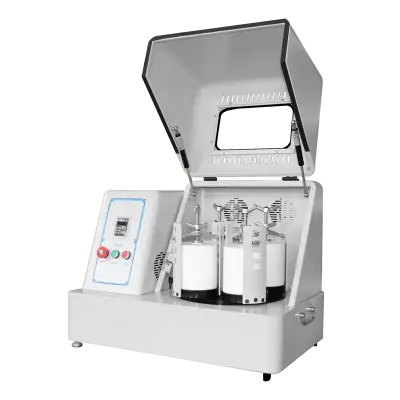
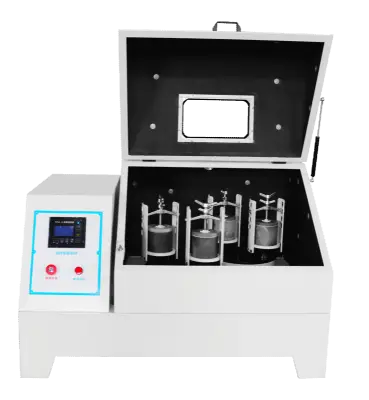
These mills often sit on a benchtop. Some use one jar; some use two. A roller ball mill turns a cylindrical jar on rollers. The jar rotates, the media tumble inside, and the powder is hit, rubbed, and broken down. That covers catalysts, battery materials, ceramics, pigments, minerals, and food powders.
How a Laboratory Ball Mill Actually Grinds
Inside the jar, grinding media—usually balls or cylinders—tumble as the jar turns. When media collide, they apply impact force. When they slide, they apply friction and shear. Both actions break particles. The best result comes from a balance of impact and shear, which depends on jar speed, media size, media density, and fill level.
The Jar Is Not Just a Container
The jar touches your sample for the whole run. If the jar is soft, it wears and contaminates the powder. If it is hard and chemically stable, it protects the sample. That is why jar choice matters as much as mill speed. A smooth inner surface lets media slide; a rougher surface can lift media higher before they fall.
Media Choice Changes Everything
Media should be harder and denser than your sample, but not so hard that they damage the jar. Light media take longer. Large media give fewer contact points. Small media give more contacts for fine grinding, but may lack energy for large particles. Material compatibility matters too. Steel can add iron. Zirconia is dense and wear-resistant. Alumina is hard and relatively inert. If you measure trace metals, even a tiny contamination can ruin the data.
Why the Corundum Roll Mill Jar Deserves a Look
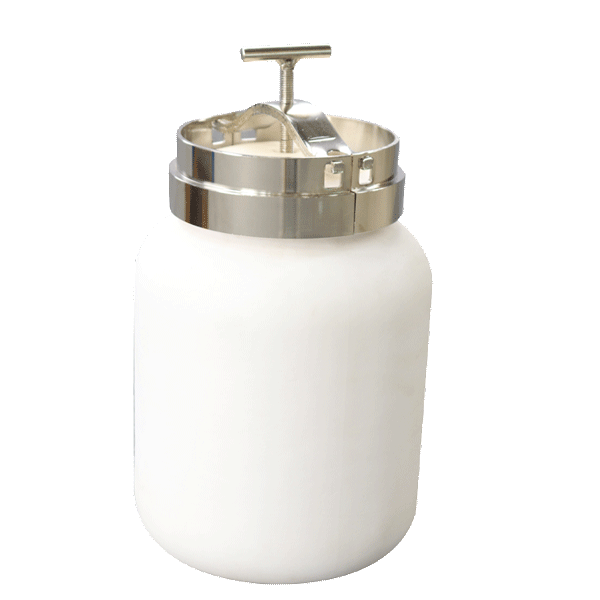
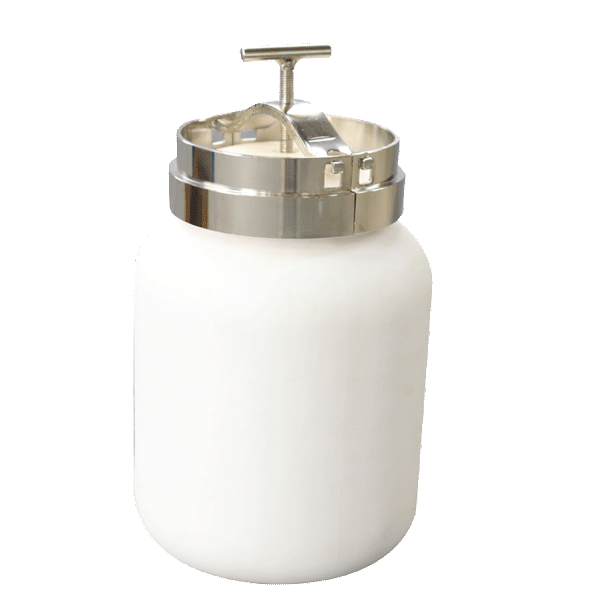
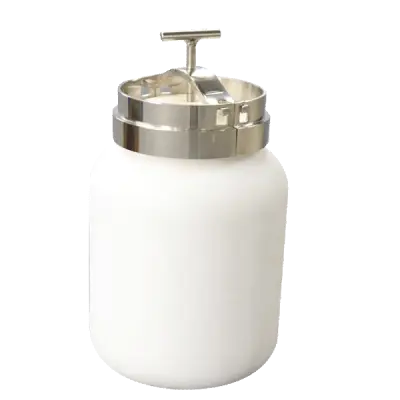
If you run a roller ball mill and need a jar for abrasive powders, a corundum roll mill jar is a practical option. Corundum is a hard ceramic material, so it resists wear better than softer jar materials. That means less jar material ends up in your sample, and your grinding result stays cleaner.
TENCAN offers a corundum roll mill jar designed for roller ball mill setups. It is a good fit for ceramics, minerals, glass, and other hard or abrasive materials. Because it is a roll mill jar, it sits on rollers and rotates smoothly, which keeps the grinding action consistent from run to run.
How to Choose the Right Jar and Media
Start With Your Sample
Ask three questions: How hard is it? How abrasive is it? What contamination can you accept? For hard, abrasive powders, a wear-resistant ceramic jar like corundum makes sense. For soft or sticky materials, you may need pre-crushing or a different media size.
Size, Fill Level, and Speed
Do not fill the jar to the top. The media need room to move. A common starting point is one-third to one-half full with media, then add powder until the voids are partly filled. If the jar is too full, media cannot tumble. If too empty, you waste time. Match jar size to batch size, not the other way around.
Higher speed does not always mean faster grinding. Above a point, media stick to the jar wall and stop tumbling. That is centrifuging, and it kills efficiency. You want media to cascade or tumble. If you hear a steady rumble instead of a rhythmic tumble, check speed and fill level. Time is another variable: run a short test, sample, and check particle size.
Everyday Tips for Better Lab Milling
- Write down every setting: jar type, media size, material, fill level, speed, and time.
- Clean the jar between samples. Cross-contamination is silent and frustrating.
- Use a representative sample. Mix the powder before milling.
- Check the jar for wear. A worn jar can shed material and change the grind.
- Start with a short run. You can always grind longer, but you cannot un-grind a sample.
Bringing It Back to Your Lab
A laboratory-scale ball mill is a small machine with a big job. It helps you turn ideas into powders, check quality, and understand how materials behave. The mill itself matters, but the jar and media often decide the final result. Choose a jar that fits your sample and a recipe that matches your goal, and you will get cleaner data and more reliable runs.
Take a close look at the corundum roll mill jar if you need a durable option for roller ball milling. Then run a small test, take notes, and let the powder tell you what works.
Related Products
Get In Touch
Our professional team will reply to you within one business day. Please feel free to contact us!