

What Is a Multi Functional Crusher? A Versatile Machine for Fine Size Reduction
What Is a Multi Functional Crusher?
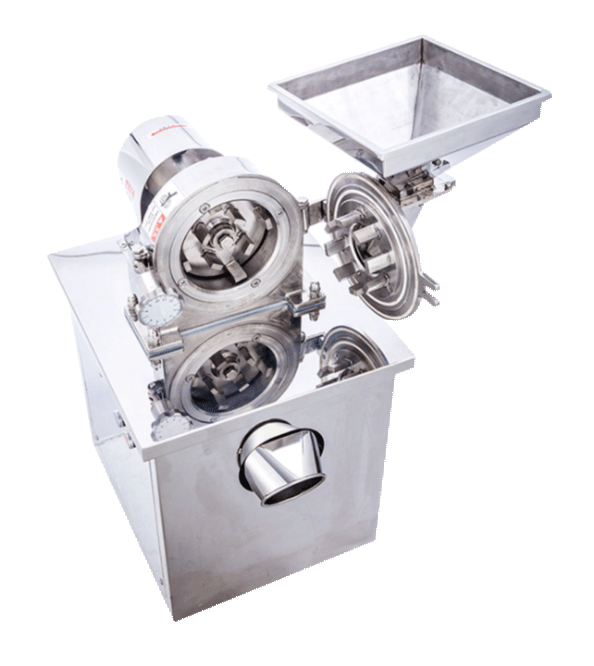
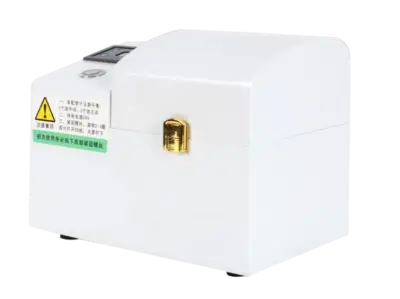
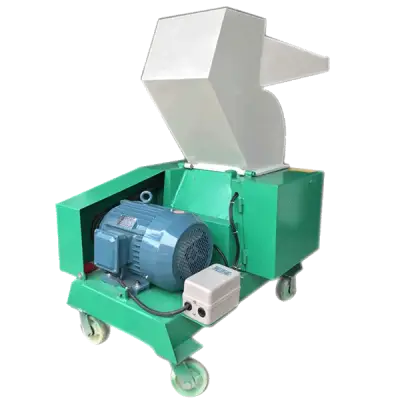
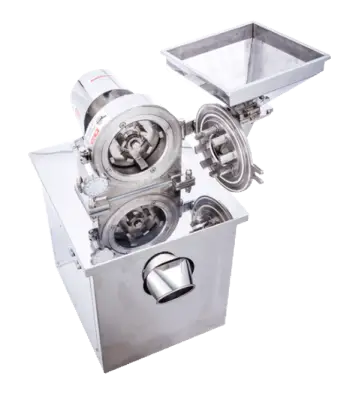
From the core, a multi functional crusher is a versatile size-reduction machine that laboratories and small plants use to turn lumpy, brittle, or fibrous samples into coarse granules or fine powder. One unit replaces several single-purpose machines, since the head and rotor speed can be switched between crushing, shearing, and grinding.
Core Functions and Working Principle
The machine accepts a solid sample of a few centimetres and reduces it to a controlled output size, typically between 0.5 mm and 3 mm, depending on the screen. Material is poured through a hopper into a closed chamber, so dust stays inside the unit.
Inside the chamber, a high-speed rotor with blades or hammers strikes the sample, while a stator and screen add shear and attrition. Hard, brittle material breaks by impact; fibrous material is torn and cut. Particles leave through the screen opening, which sets the final particle size.
Three parameters dominate the result: rotor speed, screen aperture, and feed rate. Higher speed raises impact energy and throughput but also generates heat; a coarse screen gives a granular product, while a fine screen narrows the distribution at the cost of capacity.
Key Components and Design Features
Feeding System
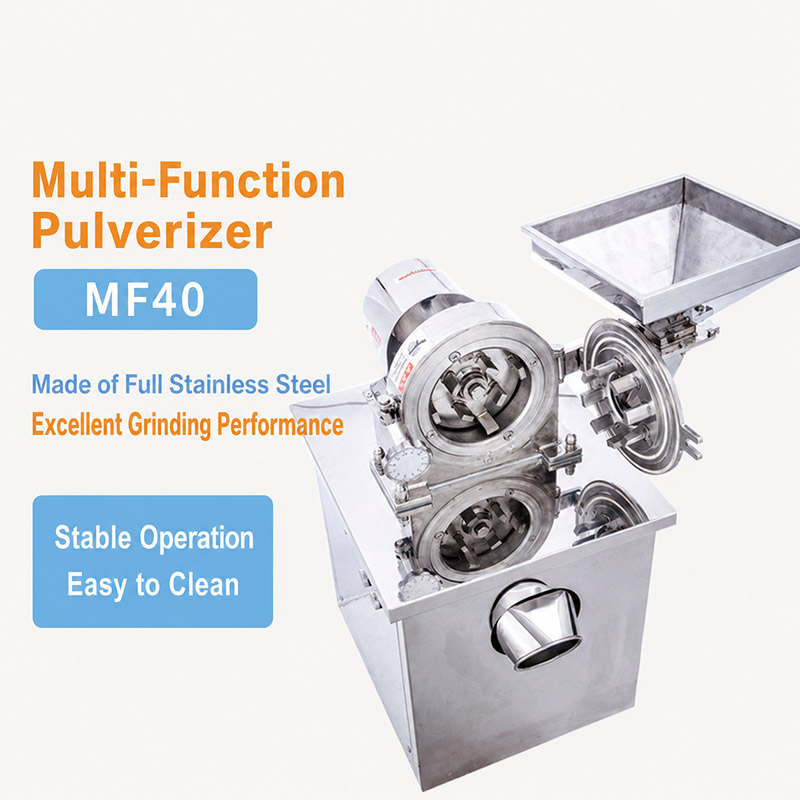
A wide-mouth hopper with a manual or gravity feeder controls how quickly material enters the chamber; a steady feed prevents overload and overheating.
Crushing Chamber, Rotor and Screen
The chamber and rotor are the working heart of the machine. Interchangeable heads let one body perform impact crushing, cutting, or shearing, while the easily replaced screen defines the output size.
Collection and Control
A sealed collection container captures the product, and a simple control panel sets rotor speed and running time. Sealed designs limit material loss and cross-contamination.
Key Performance Indicators and Selection Points
When comparing models, look first at capacity and feed size. Laboratory units usually process a few kilograms per hour; larger versions handle tens of kilograms.
Next, examine particle-size control and automation. Adjustable speed and screen options determine how narrow the final distribution is, while variable-frequency motors give better efficiency than fixed-speed designs.
Finally, weigh maintenance. Easy rotor access, tool-free screen changes, and wear-resistant parts lower downtime, and smooth surfaces make cleaning quick.
Applications and Selection Advice
The equipment is widely used in mining and geology laboratories, chemicals, food, and recycling, as well as in teaching and quality-control rooms preparing samples for XRF or XRD analysis.
Choose a small bench model for varied, limited samples; choose a dust-tight unit for continuous work. For very hard material, add a secondary mill for finer output.
Further Reading
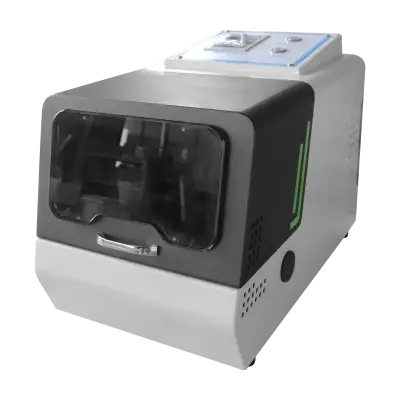
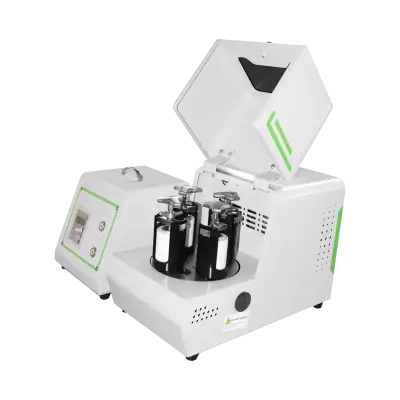
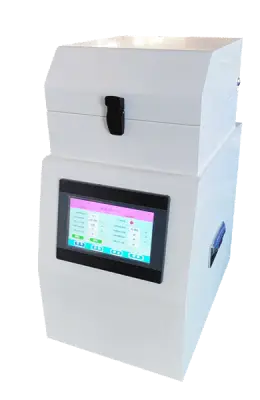
For full technical parameters and screens, see the multi functional crusher product page, or compare other TENCAN crushing equipment.
Related Products
Get In Touch
Our professional team will reply to you within one business day. Please feel free to contact us!