
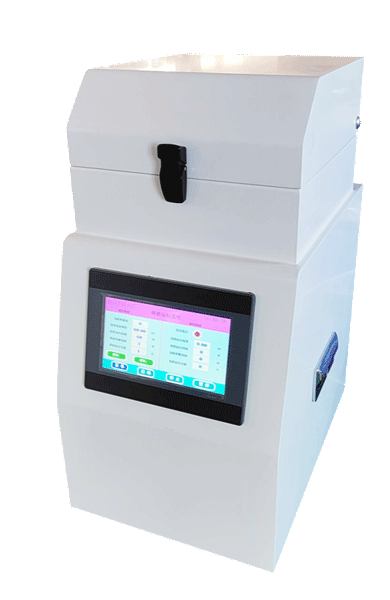
Multi Channel Tissue Grinders: Faster, Reproducible Sample Prep for Busy Labs

Sample prep looks simple: tissue, a tube, a protocol. Then come tube changes, cleaning, and the quiet worry that every sample is not getting the same treatment. A multi channel tissue grinder turns that fiddly, one-tube-at-a-time job into a batch process you can repeat.
What a multi channel tissue grinder does
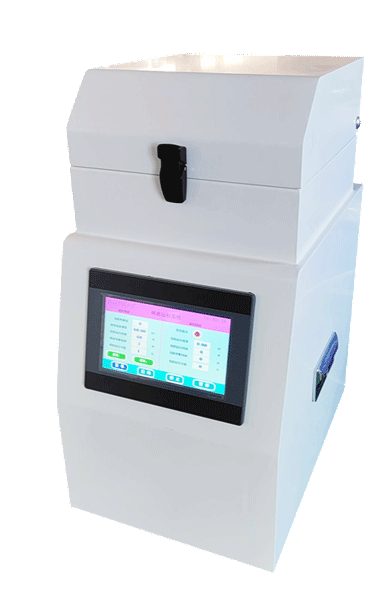
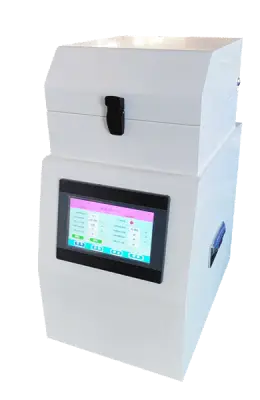
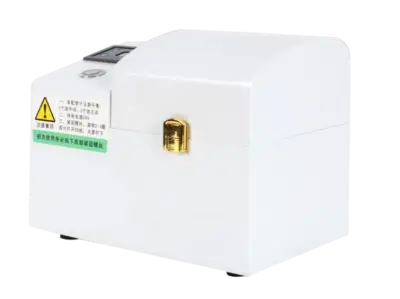
At its core, a tissue grinder breaks down biological samples so you can extract DNA, RNA, proteins, or metabolites. A multi channel system applies grinding action to several sample positions in one run. You prepare a batch, load it, and let the machine treat each channel the same way. The multi channel tissue grinder is built around that idea: consistent disruption, less handling, and a workflow that scales.
The real win is rhythm, not just speed
Throughput is the obvious benefit: you process a batch, not one tube at a time. The deeper benefit is rhythm. A batch-friendly grinder lets you standardize sample mass, buffer volume, run time, and the pause before the next step. That rhythm makes Monday's results comparable to Friday's. Fewer tube changes also mean fewer mislabeled caps and 'which one was next?' moments.
Reproducibility is the quiet benefit
Reproducibility is not just doing the same thing twice. It means variation in your data comes from the biology, not your hands. A multi channel tissue grinder applies the same mechanical action across channels, so the machine handles the repetitive part. That helps when several people share one protocol: a new user can follow the same loading pattern and settings. TENCAN's multi channel tissue grinder is designed for shared, repeatable work; the product page lists the exact configuration.
Match the setup to your samples
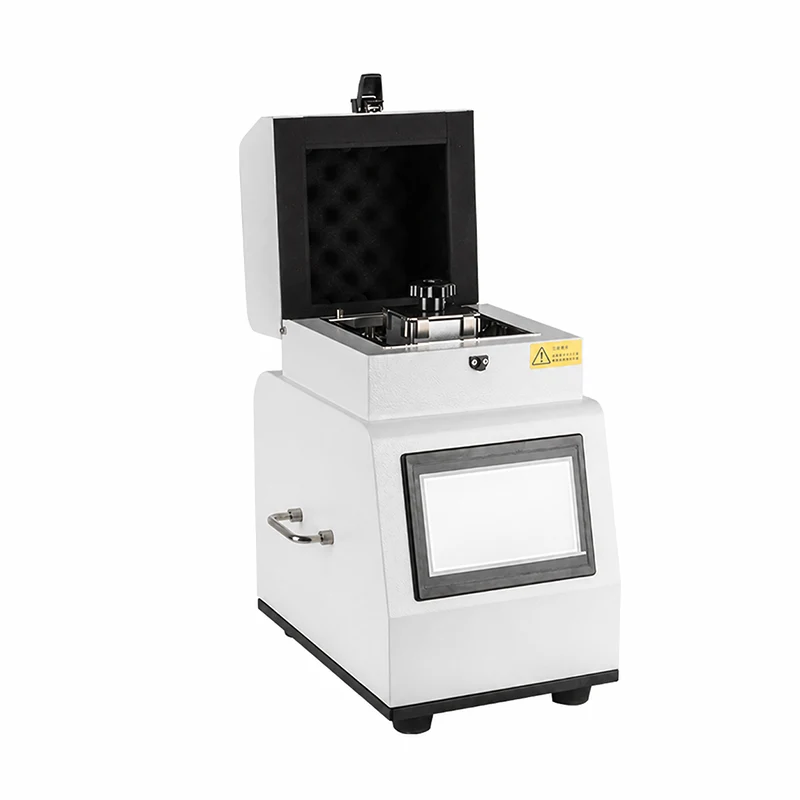
Soft liver, fibrous muscle, tough plant material, and tiny biopsies behave differently. Before comparing models, define your sample size, tube format, and downstream assay. A grinder that suits one sample type can be a poor fit for another. Also ask how easy the tube path is to access and whether consumables are easy to source. Exact parameters such as channel configuration, tube sizes, and operating settings should come from the product page, not a guess.
Habits that make the difference
Keep sample masses consistent. Use the same buffer volume across a batch. Chill samples if your protocol calls for it, and do not let one tube sit while you fiddle with the next. Label tubes before you start. Clean promptly, because dried tissue is harder to remove than fresh residue. For multiple sample types, use a simple changeover checklist.
Who should consider one?
If your lab processes tissue in batches, shares protocols, or needs tighter consistency between runs, a multi channel tissue grinder is worth a serious look. It is not just a speed tool; it makes sample prep less dependent on who is at the bench. For specifications, visit the Multi channel tissue grinder product page. Match the configuration to your samples, run a small test batch, then scale up.
Related Products
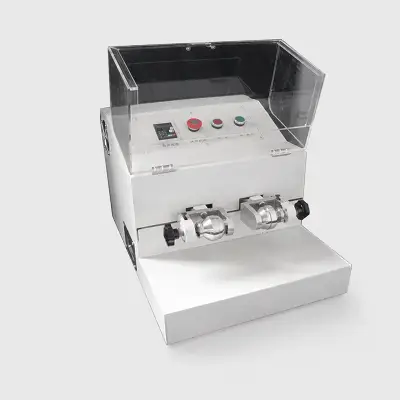
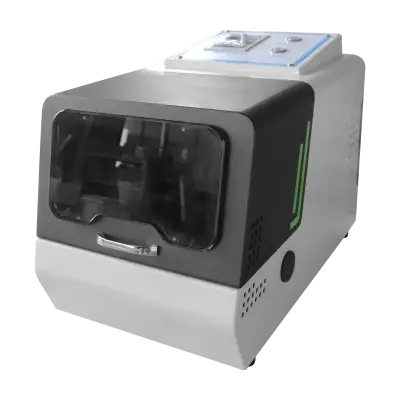
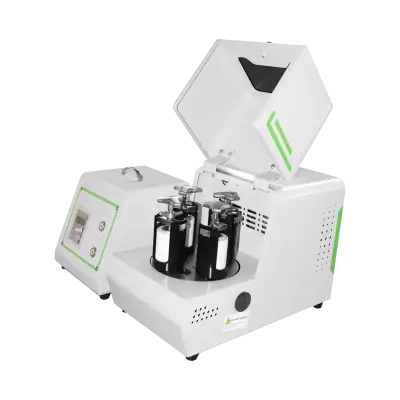
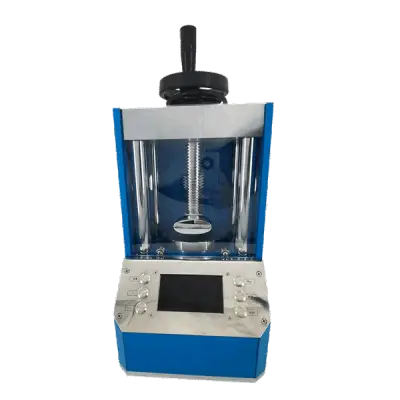
Get In Touch
Our professional team will reply to you within one business day. Please feel free to contact us!