
Planetary Ball Mill: How It Works

What Is a Planetary Ball Mill?
If you spend your days turning rocks, ceramics, or battery materials into fine powder, you have likely met the planetary ball mill. It is one of those machines that looks simple from the outside: a bench-top box with a few jars spinning around. But inside those jars, a small universe of collisions and friction is doing the heavy lifting.
At its heart, a planetary ball mill is a high-energy grinder. It uses rotating jars filled with grinding balls to break down samples into very fine particles. The name comes from the way the jars move. They orbit around a central axis, like planets around the sun, while also spinning on their own axis. That double motion creates forces that are much stronger than what you get from a simple tumbler or roller mill.
We are TENCAN, and we build equipment for powder processing. In this article, we will walk through how planetary ball mills work, what they are good for, and how to choose the right jar and media. We will also talk about a specific accessory: the corundum roll mill jar. More on that later.
The Basic Setup
A typical planetary ball mill has a main disk, often called a sun wheel. On that disk, you mount two or four jar holders. Each holder accepts a grinding jar. The jars can be different sizes, but they all have the same basic shape: a cylinder with a lid that seals tight.
Inside each jar, you put grinding media, usually spheres made of agate, zirconia, alumina, stainless steel, or tungsten carbide. Then you add your sample. The sample can be dry powder, a slurry, or a soft solid that breaks apart during milling.
When you start the machine, the sun wheel rotates. The jars rotate in the opposite direction. This counter-rotation is the secret sauce. It makes the balls inside the jar climb the wall, then fly across the jar, then hit the opposite wall and the sample. The result is a combination of impact and shear that grinds particles down quickly.
Why 'Planetary'?
The word planetary is not just marketing. It describes the motion. Imagine the sun at the center of a solar system. Planets orbit the sun. At the same time, each planet spins on its own axis. In a planetary ball mill, the sun wheel is the sun. The jars are the planets. They orbit the center and rotate around their own centers.
That motion creates centrifugal forces. Because the jars are spinning and orbiting, the grinding balls are pushed outward, then inward, then outward again. The balls do not just tumble; they are thrown. This is why planetary mills can reach smaller particle sizes in less time than many other mills.
How Planetary Ball Mills Work
Let us get into the mechanics. Understanding the forces inside the jar will help you choose settings that actually work for your material.
The Motion Inside the Jar
When the sun wheel turns, the jar holder moves in a circle. The jar itself is also turning, but in the opposite direction. From the perspective of someone standing inside the jar, the grinding balls are subjected to two main forces: centrifugal force from the jar's rotation, and Coriolis force from the orbital motion.
The balls start at the bottom of the jar. As the jar rotates, friction pulls the balls up the inner wall. At some point, gravity and the changing forces cause the balls to leave the wall. They fly through the empty space and crash into the sample and the opposite wall. Then the cycle repeats, many times per second.
This constant throwing and crashing is what breaks particles. It is not a gentle grinding action. It is high-energy impact. That is why planetary ball mills are sometimes called high-energy ball mills.
Impact, Friction, and Energy Transfer
The grinding energy comes from two sources. The first is impact: when a ball hits a particle, it creates a shock wave that cracks the particle. The second is friction: as balls rub against each other and against the jar wall, they shear particles apart.
The balance between impact and friction depends on the speed, the ball size, and the jar material. Hard, dense balls create more impact. Light, small balls create more friction. For brittle materials, impact is often the main mechanism. For softer or fibrous materials, friction and shear may be more important.
Energy transfer is not perfect. Some energy becomes heat. Some becomes noise. Some is absorbed by the jar and media. That is why you need to choose the right combination. A jar that is too soft will absorb energy and wear out fast. A ball that is too light will not have enough momentum to break hard particles.
Rotation Ratio and Critical Speed
The ratio between the sun wheel speed and the jar speed is called the rotation ratio. It is a key parameter. If the ratio is wrong, the balls will just slide along the wall instead of flying. If the ratio is too high, the balls may stick to the wall and never impact the sample.
Most planetary ball mills are designed with a fixed ratio, but some allow you to adjust it. The optimal ratio depends on the jar diameter and the ball size. In general, you want the balls to reach the top of the jar and then detach. This is similar to the critical speed concept in tumbling mills, but with the added complexity of counter-rotation.
You do not need to calculate the ratio by hand. The machine manufacturer has already done that. But it helps to know that speed changes affect the motion. If you run the mill too slowly, you get gentle mixing. If you run it too fast, you get more impact but also more heat and wear.
The Role of Gravity and Jar Geometry
Gravity seems like a small player when centrifugal forces are so strong, but it still matters. The jars are mounted horizontally or at a slight angle, depending on the design. Gravity helps the balls fall back to the bottom after each impact. If the jars were mounted vertically, the motion would be different, and the grinding would be less efficient.
Jar geometry also plays a role. A taller, narrower jar gives the balls a longer path to travel, which can increase impact energy. A shorter, wider jar gives more surface area for friction. The shape of the bottom is important too. A flat bottom can create a dead zone where powder sits and never gets hit. A curved or rounded bottom keeps the powder moving.
Some jars have internal ribs or fins. These features lift the balls higher and create more turbulence. They can improve grinding efficiency, but they also make the jar harder to clean. For most routine work, a smooth cylindrical jar is a good compromise.
Key Parts of a Planetary Ball Mill
Now that you understand the motion, let us look at the hardware. Each part plays a role in the final particle size and the purity of your sample.
Jars and Lids
The jar is where the action happens. It must be strong enough to withstand constant impacts, and it must not contaminate the sample. Jars come in many materials: agate, alumina, zirconia, stainless steel, tungsten carbide, nylon, and PTFE. Each material has trade-offs between hardness, wear resistance, and chemical inertness.
The lid must seal tightly. If powder leaks out, you lose sample and create a mess. If air gets in, your sample may oxidize. Many jars use a gasket or an O-ring to create an airtight seal. Some jars can be filled with inert gas, which is useful for oxygen-sensitive materials.
Jar shape also matters. Most jars are cylindrical, but some have a rounded bottom or a conical shape. The shape affects how the balls move and how well the powder mixes. A flat-bottom jar is easier to clean. A rounded-bottom jar can reduce dead spots where powder collects.
Grinding Media
The grinding media are the balls. They do the actual breaking. The most common materials are agate, zirconia, alumina, stainless steel, and tungsten carbide. The choice depends on the hardness of your sample and the level of contamination you can tolerate.
For soft materials, agate or zirconia balls work well. For hard materials like ceramics or minerals, zirconia or tungsten carbide is better. Stainless steel is tough and relatively inexpensive, but it can introduce iron contamination. If you are milling battery materials or pharmaceuticals, you probably want a non-metallic media like zirconia or agate.
Ball size matters too. Larger balls have more mass and create stronger impacts. Smaller balls create more contact points and more friction. A mix of sizes can be useful: large balls break big chunks, small balls grind the fines.
The Sun Wheel and Jar Holders
The sun wheel is the main rotating disk. It must be well balanced, especially when you run four jars at once. If the load is uneven, the machine will vibrate and wear out faster. That is why you should always run a balanced load. If you only need to mill one sample, use a counterweight or fill the opposite jar with an equivalent mass.
Jar holders clamp the jars in place. They must hold the jar securely, even at high speeds. A loose jar can fly out, which is dangerous. Always check the clamps before you start the machine. If you hear unusual noise, stop and check the jar alignment.
Why Use a Planetary Ball Mill?
There are many ways to grind powder. Why choose a planetary ball mill? Here are the main reasons.
Fine Grinding to Sub-Micron Range
Planetary ball mills can grind samples down to a few hundred nanometers, or even smaller in some cases. That is much finer than what you get from a jaw crusher or a mortar grinder. The high energy of the balls makes it possible to break particles that would otherwise resist grinding.
This is important for materials that need a high surface area. Catalysts, battery electrodes, and advanced ceramics all benefit from fine particles. Smaller particles mean more surface area, which can improve reaction rates and sintering behavior.
Small Samples, High Throughput
Planetary mills are not for huge tonnage. They are for laboratory-scale work. A typical jar holds anywhere from 50 milliliters to 500 milliliters. That is enough for research and quality control, but not for production. However, within that scale, they are fast. You can often grind a sample in minutes rather than hours.
If you need to process many samples, you can use multiple jars. Four-jar models let you run four samples at once. That is a big time saver when you are testing different formulations or comparing materials.
Versatility Across Materials
You can mill almost anything in a planetary ball mill if you choose the right jar and media. Soft materials, hard materials, brittle materials, fibrous materials, and even some plastics can be ground. You can also use it for mixing, alloying, and mechanochemical reactions.
Mechanochemical reactions are a fancy way of saying that the grinding action causes chemical reactions. The high energy of the balls can break chemical bonds and create new compounds. This is used in materials science to make things like amorphous alloys and nanocomposites.
Common Applications
Planetary ball mills show up in many industries. Let us look at a few.
Geology and Mining
Geologists use planetary ball mills to prepare rock and mineral samples for analysis. They need fine, homogeneous powder for X-ray fluorescence (XRF) or X-ray diffraction (XRD). A consistent particle size is critical for accurate results. Planetary mills deliver that consistency quickly.
Mining companies use them to test ore samples. They can grind the ore and then leach out metals to see how much is there. The fine grind increases the surface area and makes the leaching faster and more complete.
Ceramics and Glass
Ceramic manufacturers use planetary mills to grind raw materials like alumina, zirconia, and feldspar. They also use them to mix ceramic powders with binders and additives. The fine particle size helps the ceramic densify during firing, which leads to stronger, more uniform products.
Glass researchers use planetary mills to make glass powders and to study crystallization. They can also use the mill to mix colorants into glass frit.
Battery Materials
Lithium-ion batteries need very fine, well-mixed electrode materials. Planetary ball mills are used to grind and mix cathode and anode materials. They can also be used to coat particles or to create composite materials. The high energy helps break down agglomerates and ensures a uniform mixture.
Solid-state battery research is another area where planetary mills are important. They can be used to mix solid electrolytes with active materials, and to create intimate contact between particles.
Pharmaceuticals and Biology
In pharmaceuticals, planetary ball mills are used to reduce the particle size of drugs. Smaller particles dissolve faster, which can improve bioavailability. They are also used to mix active ingredients with excipients.
Biologists use planetary mills to break down plant and animal tissue for DNA and RNA extraction. The high-speed shaking and grinding disrupts cell walls and releases the genetic material. For this work, the jar and media must be sterile and chemically inert.
Food and Cosmetics
In the food industry, planetary mills are used to grind spices, grains, and dried ingredients into fine powders. They can also be used to create emulsions and suspensions. The key is to use food-grade jars and media, and to clean them thoroughly between batches.
Cosmetics manufacturers use planetary mills to grind pigments and to mix powders for makeup and skincare products. Fine, uniform particles are essential for a smooth texture and consistent color.
Recycling and Waste Processing
Planetary mills can help recycle materials by grinding them into powder for reuse. For example, electronic waste can be ground to liberate metals from plastics. Glass and ceramics can be ground into powder for use as fillers or raw materials. The small scale of planetary mills makes them ideal for laboratory testing of recycling processes.
Choosing the Right Jar
The jar is not just a container. It is a critical part of the milling process. The material, size, and shape all affect the results.
Material Matters
Jar material affects contamination, wear, and grinding efficiency. Here is a quick run-down.
- Agate: Very hard, chemically inert, and good for soft to medium-hard samples. It is relatively expensive and can crack if dropped.
- Alumina: Hard and wear-resistant. It is a good choice for many minerals and ceramics. It can introduce aluminum contamination.
- Zirconia: Very hard and dense. It is excellent for hard samples and for minimizing contamination. It is heavier than alumina, so it creates more impact energy.
- Stainless steel: Tough and inexpensive. It is good for hard materials, but it can contaminate the sample with iron and chromium.
- Tungsten carbide: Extremely hard and dense. It is the best choice for very hard samples, but it is also the most expensive.
- Nylon and PTFE: Soft and chemically resistant. They are used for soft materials and for samples that must not be contaminated by metals.
Corundum Roll Mill Jar: A Tough Option
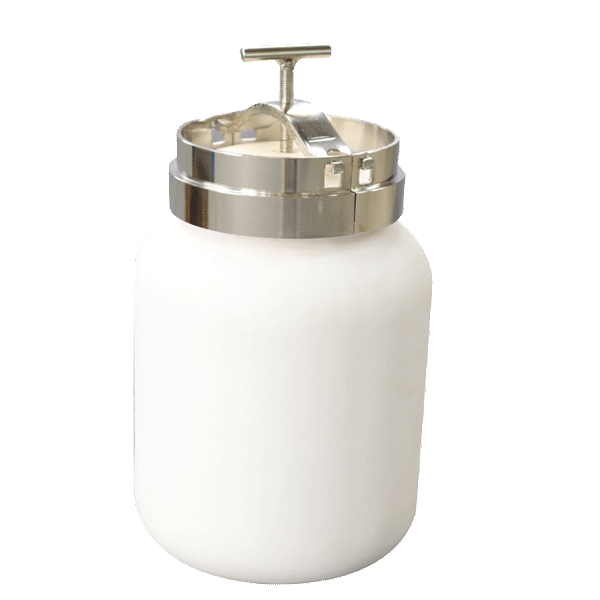
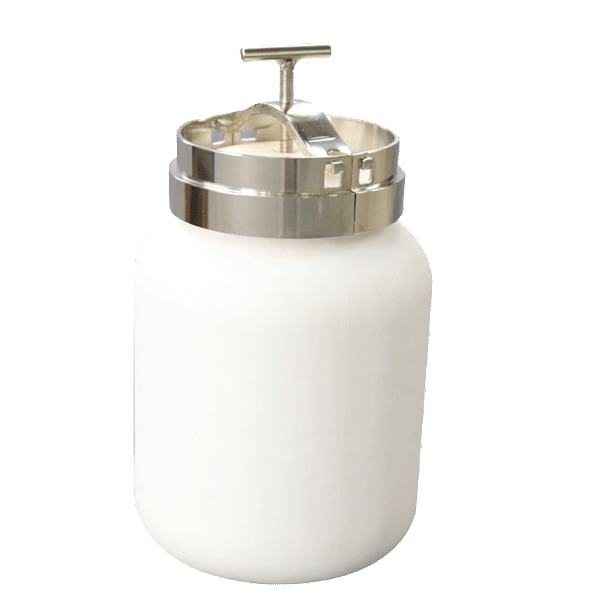
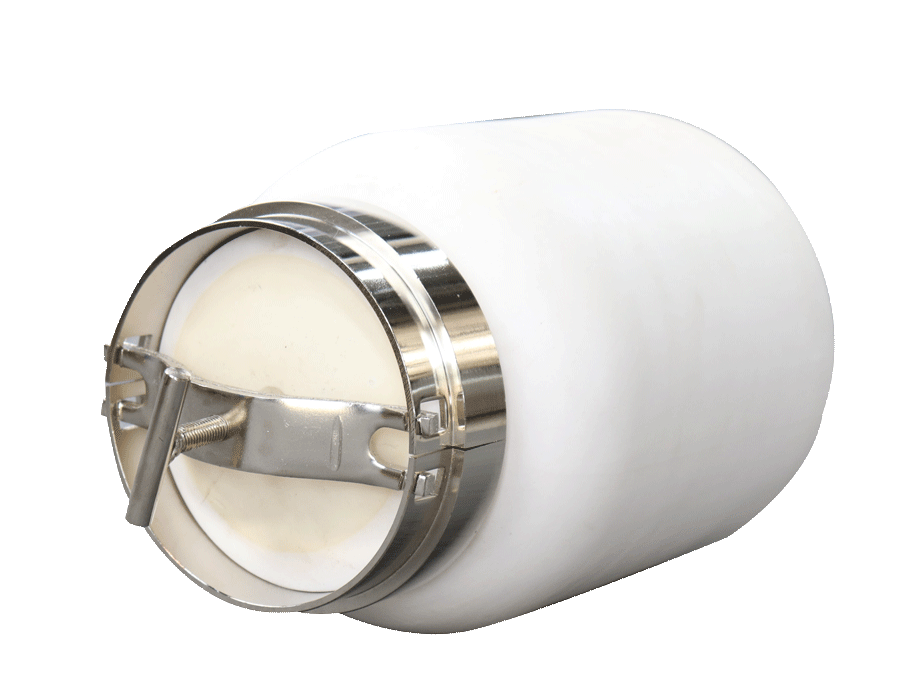
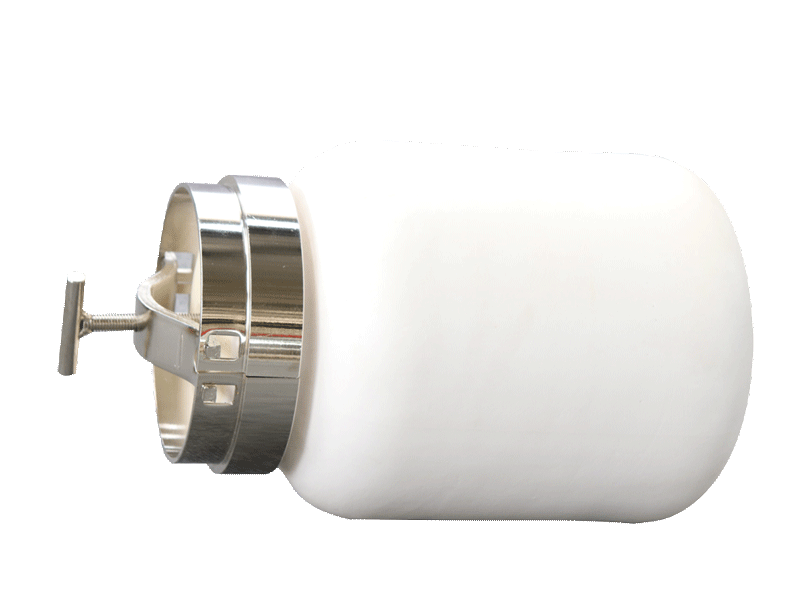
If you work with a roller ball mill, you might also need a jar that can handle the rolling motion. That is where the corundum roll mill jar comes in. It is designed for roller mills, but it shares some of the same principles as planetary mill jars. Corundum is a very hard material, so the jar resists wear and contamination. It is a solid choice when you need a durable jar for tough grinding jobs.
You can learn more about this jar on the TENCAN product page. It is a good example of how jar material and design are matched to the grinding method.
Size and Shape
Jar size should match your sample size. A good rule of thumb is to fill the jar about one-third to one-half full with media. Then add enough sample to fill the spaces between the balls. If you put in too little sample, the balls will hit each other and wear out faster. If you put in too much, the balls will not have room to move, and grinding will be slow.
Jar shape affects the motion. A cylindrical jar with flat ends is standard. A jar with a rounded bottom can reduce dead zones. Some jars have a special internal geometry to improve mixing. If you are not sure, start with a standard cylindrical jar.
Choosing Grinding Media
The media are just as important as the jar. Here is what to consider.
Material
Choose media that are harder than your sample. If the media are softer, they will wear down instead of grinding the sample. For most minerals and ceramics, zirconia or alumina media work well. For very hard materials, tungsten carbide is best. For soft materials, agate or zirconia is fine.
Consider contamination too. If you are milling a material for battery research, you do not want iron contamination from steel balls. Use zirconia or agate instead. If you are milling a sample for trace metal analysis, use a jar and media that will not add the metals you are measuring.
Size and Number
Ball size affects the grind. Larger balls are heavier and create more impact. They are good for breaking large particles. Smaller balls create more contact points and more friction. They are good for fine grinding. A mixture of sizes can be very effective: large balls do the coarse grinding, small balls polish the fines.
The number of balls also matters. More balls mean more collisions, but also less space for the sample. You want enough balls to fill the jar about one-third to one-half full. If you use too many, the balls will not move freely. If you use too few, you will not get enough grinding action.
Ball-to-Powder Ratio
The ball-to-powder ratio (BPR) is the mass of the balls divided by the mass of the sample. A higher ratio means more grinding energy per unit of sample. Typical ratios range from 5:1 to 20:1. For hard materials, you may need a higher ratio. For soft materials, a lower ratio is often enough.
If you use a very high BPR, the mill will generate more heat. That can be a problem for heat-sensitive materials. You may need to pause the mill to let it cool down, or use a lower speed.
Operating Parameters That Change Everything
Once you have the jar and media, the next step is setting the operating parameters. Small changes can make a big difference.
Speed
Speed is the most obvious parameter. Higher speed means more energy. But more energy is not always better. If you run too fast, the balls may stick to the jar wall and not impact the sample. You also generate more heat, which can damage temperature-sensitive materials.
Start at a moderate speed and increase it gradually. Watch the sample. If it is not grinding, increase the speed. If it is getting hot or sticking, reduce the speed. The optimal speed depends on the jar size and the ball size. Check the mill manual for recommended ranges.
Time
Milling time is another key variable. Longer milling usually means finer particles, but there is a limit. After a certain point, the particles may reagglomerate, or the contamination from wear may become significant. You may also reach a minimum particle size that cannot be reduced further.
Run a few trials with different times and measure the particle size. That will tell you the sweet spot for your material. Do not assume that more time is always better.
Dry vs Wet Grinding
You can mill dry or wet. Dry grinding is simpler: no liquid to remove afterward. But dry grinding can create dust, and fine particles may stick to the jar and balls. Wet grinding uses a liquid, such as water, ethanol, or acetone. The liquid helps disperse the particles and prevents agglomeration. It also reduces dust and can improve grinding efficiency.
If you choose wet grinding, make sure the liquid does not react with your sample or the jar. Also, you will need a way to separate the liquid from the powder afterward, usually by filtration or evaporation.
Atmosphere
Some materials are sensitive to oxygen or moisture. For those, you can fill the jar with an inert gas like argon or nitrogen. This prevents oxidation during milling. You can also use a glove box to load the jar, so the sample never touches air.
If you are milling a reactive metal, inert atmosphere is essential. Otherwise, you may get oxidation or even a fire. Always check the safety data for your material before milling.
Common Problems and How to Fix Them
Even with the best setup, things can go wrong. Here are some common issues and what to do about them.
Contamination
Contamination is a big concern in planetary milling. The jar and balls wear down over time, and those wear particles end up in your sample. To reduce contamination, choose jar and media materials that are harder than your sample. Also, use a lower speed and shorter time if possible.
If contamination is critical, you can use a jar and media made of the same material as your sample. That way, any wear particles are the same as the sample. This is common in ceramic research.
Overheating
Planetary mills generate heat. If the jar gets too hot, your sample may decompose, melt, or oxidize. You can reduce heat by lowering the speed, using shorter milling cycles, or using a mill with a cooling system. Some jars can be cooled with a jacket or by placing them in a freezer between cycles.
If you are milling a heat-sensitive material, consider wet grinding. The liquid absorbs heat and keeps the temperature down.
Sticking and Caking
Fine powders tend to stick to the jar wall and to the balls. This is called caking. It reduces grinding efficiency because the balls cannot move freely. To prevent caking, you can use a grinding aid. A grinding aid is a small amount of liquid or powder that reduces surface tension and prevents agglomeration.
Common grinding aids include ethanol, stearic acid, and oleic acid. Use only a tiny amount, usually less than 1% of the sample weight. Too much can affect the final product.
Inconsistent Results
If your results vary from run to run, the problem is often inconsistency in loading. Make sure you use the same amount of sample and media each time. Check that the jars are balanced. Also, check that the mill speed and time are the same.
Another cause is jar wear. As the jar gets older, its inner surface changes, which affects the motion. Replace worn jars regularly.
Advanced Techniques and Tips
Once you have the basics down, you can try some advanced techniques to get even better results.
Cryogenic Milling
Some materials are too soft or too heat-sensitive to mill at room temperature. They may melt, smear, or degrade. Cryogenic milling solves this problem by cooling the jar and sample with liquid nitrogen. The material becomes brittle and easy to grind. You can use a special cryo jar or simply pre-freeze the sample and jar before milling. Cryogenic milling is common for plastics, rubber, and biological samples.
Mechanochemical Synthesis
Mechanochemical synthesis uses the energy of the balls to drive chemical reactions. Instead of just breaking particles, the milling process creates new compounds. For example, you can mill a metal oxide with a reducing agent to produce a metal powder. You can also create alloys by milling different metal powders together. This technique is used to make advanced materials that are difficult to produce by conventional methods.
Inert Gas Glove Box
If your material is extremely sensitive to oxygen or moisture, you can load and seal the jar inside a glove box filled with argon or nitrogen. This ensures that the sample never contacts air. It is a bit more work, but it is essential for reactive metals and some battery materials.
Process Control and Data Logging
Some planetary mills allow you to program complex cycles with pauses, reverse rotation, and variable speed. These features can improve grinding efficiency and reduce heat buildup. If your mill has data logging, use it. Recording the speed, time, and temperature helps you troubleshoot problems and repeat successful runs.
Maintenance and Safety
Planetary ball mills are powerful machines. Treat them with respect. Here are some maintenance and safety tips.
- Check the clamps: Before every run, make sure the jars are clamped securely. A loose jar can cause serious damage.
- Balance the load: If you use fewer than the maximum number of jars, use a counterweight. An unbalanced load causes vibration and wear.
- Inspect jars and media: Look for cracks, chips, or excessive wear. Replace damaged parts before they fail.
- Lubricate moving parts: Follow the manufacturer's instructions for lubrication. Do not over-lubricate, as excess grease can attract dust.
- Keep it clean: Clean the jar holders and the sun wheel regularly. Dust buildup can cause imbalance.
- Use hearing protection: Planetary mills are noisy. If you run them for long periods, wear ear protection.
- Follow the manual: Every mill is different. Read the manual and follow the safety guidelines.
If you notice unusual noise, vibration, or heat, stop the mill and investigate. Do not try to fix it while it is running.
Frequently Asked Questions
Here are some questions we hear often from people who are new to planetary ball milling.
What is a planetary ball mill used for?
It is used for grinding, mixing, and alloying materials. It can reduce particle size to the sub-micron or nanometer range. It is common in geology, ceramics, battery research, pharmaceuticals, and materials science.
How long does it take to grind a sample?
It depends on the material and the desired particle size. Soft materials may take a few minutes. Hard materials may take hours. You should run trials to find the best time for your sample.
Can I use a planetary ball mill for mixing?
Yes. Planetary ball mills are excellent mixers. The high energy ensures a uniform mixture, even for materials with different densities. You can use it to mix powders, or to mix powders with liquids.
What is the difference between a planetary ball mill and a roller mill?
A planetary mill uses jars that orbit and spin, creating high-energy impacts. A roller mill uses a jar that rolls on a rotating drum, creating a gentler tumbling motion. Roller mills are often used for larger samples and for materials that are sensitive to heat. The corundum roll mill jar is designed for roller mills, while planetary mills use their own specialized jars.
Can I mill flammable materials?
You can, but you must take extra precautions. Use an inert atmosphere to prevent oxidation. Avoid dry grinding if the material is prone to dust explosions. Consult a safety expert if you are unsure.
How do I prevent contamination?
Choose jar and media materials that are harder than your sample. Use the same material as your sample if possible. Keep the milling time and speed as low as possible while still achieving your goal.
What is the best speed for my material?
There is no single best speed. It depends on your jar, media, and sample. Start at a moderate speed and adjust based on the results. If the powder is not getting finer, increase the speed. If it is getting hot or sticking, reduce the speed.
Do I need a special jar for planetary milling?
Yes. Planetary mill jars are designed to withstand the high-energy motion of the mill. They must be balanced and durable. You cannot use just any jar. Always use jars that are rated for your mill and your application.
Putting It All Together
Planetary ball mills are versatile, powerful, and surprisingly simple once you understand the basics. The key is to match the jar, media, and operating parameters to your material. There is no one-size-fits-all recipe. You need to experiment and find what works.
Start with a small sample and a conservative setting. Measure the results. Then adjust one variable at a time. That way, you will learn how your material responds. Keep good notes, so you can repeat your best runs.
If you are working with a roller mill, consider the corundum roll mill jar from TENCAN. It is built for durability and is a good match for tough grinding jobs. For planetary mills, choose a jar and media that fit your sample and your budget.
We hope this guide helps you get the most out of your planetary ball mill. If you have questions, feel free to reach out to our team. We are always happy to talk about powder.
Related Products
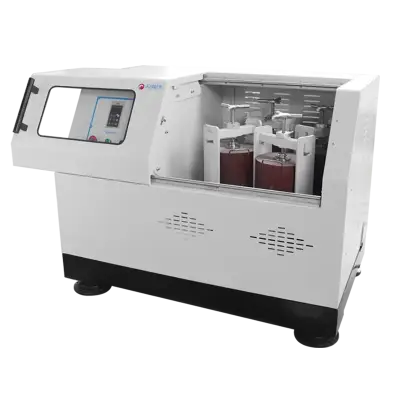
XQM-20 20L Vertical Production Planetary Ball Mill
XQM-20
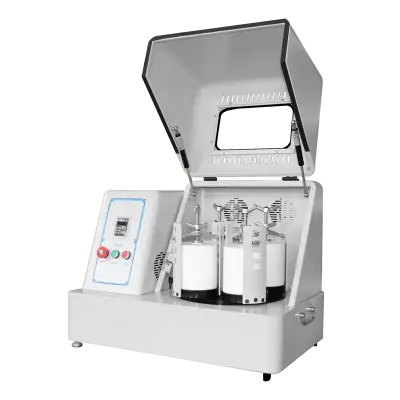
Laboratory planetary grinder
XQM
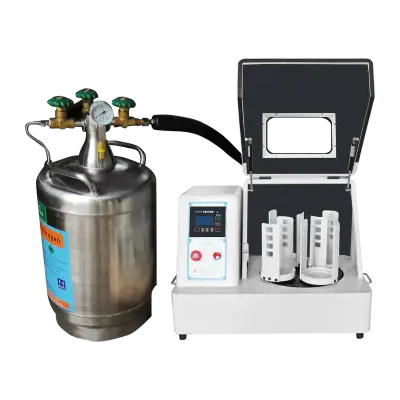
Liquid Nitrogen Planetary Ball Mill
XQM
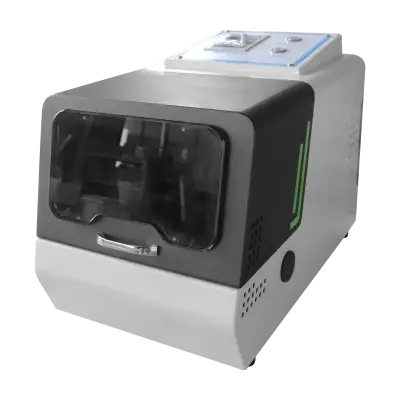
Micro Planetary Ball Mill
XQM-0.2
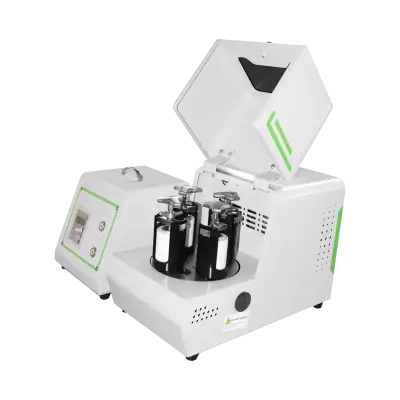
Micro Planetary Ball Mill
XQM-0.2S
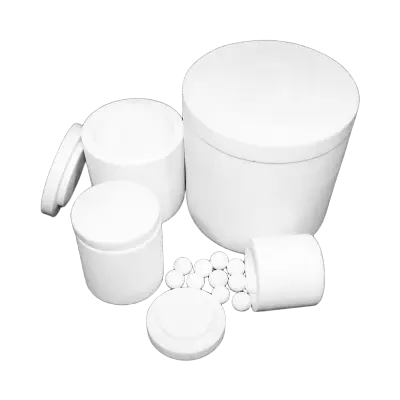
A grade Corundum planetary Mill Jar
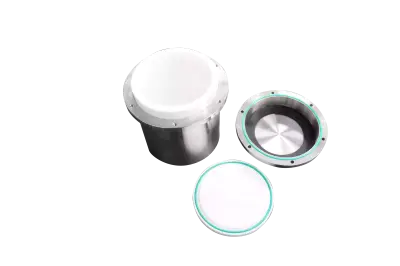
304 stainless steel lined with zirconia mill jar
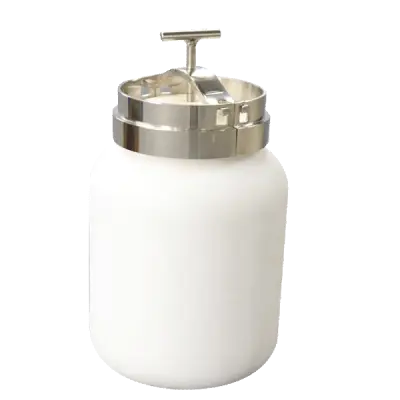
corundum roll mill jar
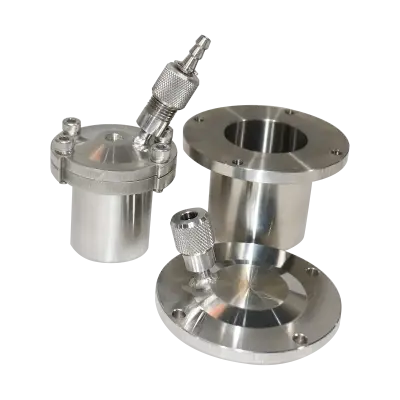
vacuum planetary mill jar
Get In Touch
Our professional team will reply to you within one business day. Please feel free to contact us!