Contact Us
Choose your preferred way to contact our team
Free Quote
Fill out the form to obtain prices and information
Send an Email
Share your needs and concerns
+86 19021571516

Why choose us
Simple ordering, reliable quality, professional support.
Easy Process
Clear communication from product selection to delivery, so your team can move faster.
Quality Assurance
Stable manufacturing, strict inspection, and support for configuration requirements.
Expert Support
Application-oriented advice for planetary ball milling, sample preparation, and scale-up needs.
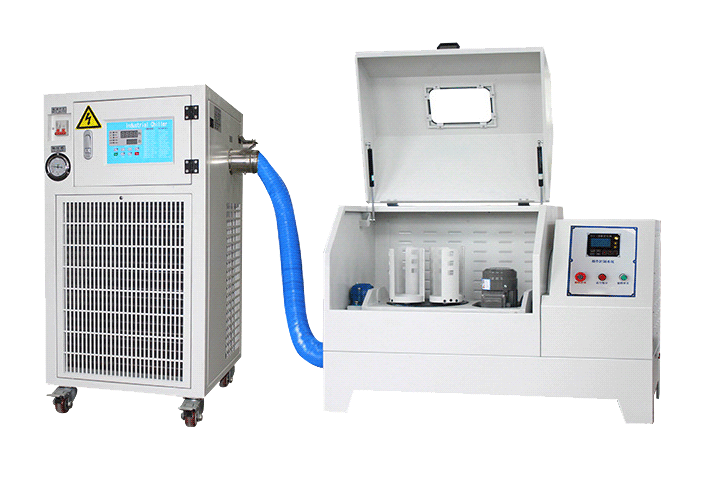
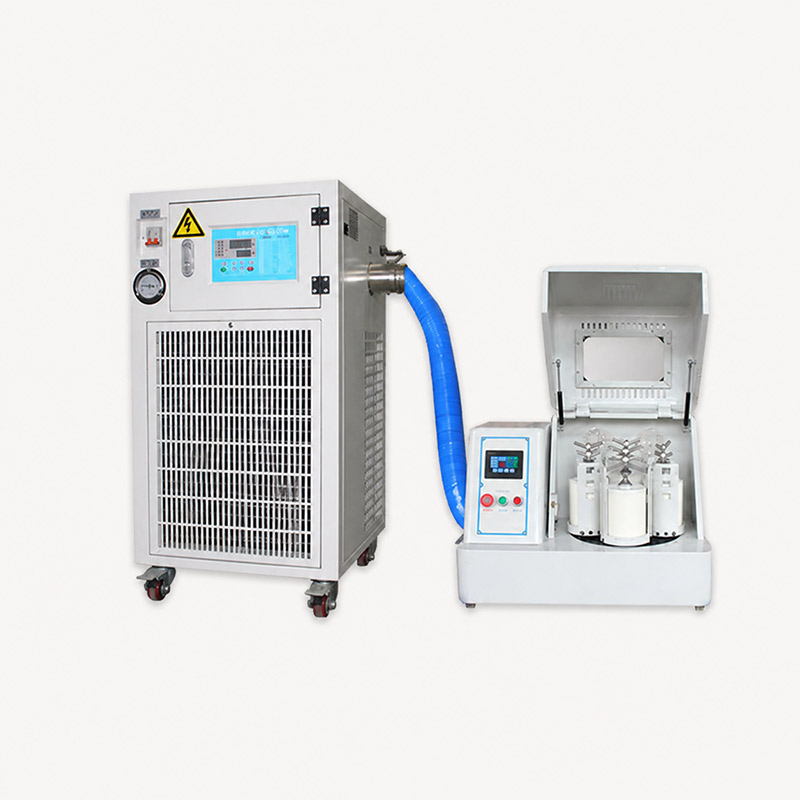
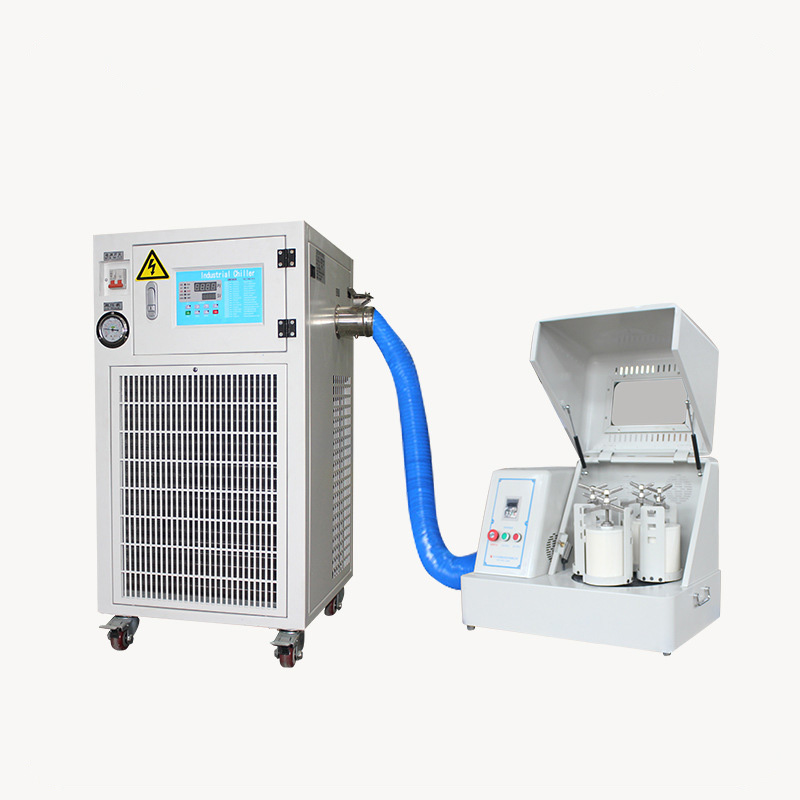
The low-temperature planetary ball mill is a combination of a planetary ball mill and a refrigeration device. During the high-speed grinding process, most materials will heat up due to friction or exothermic reactions and other factors, which may lead to changes in the physical and chemical properties of the materials and produce negative grinding effects. Low-temperature planetary ball mill is mainly used in material grinding processes that require strict temperature control.
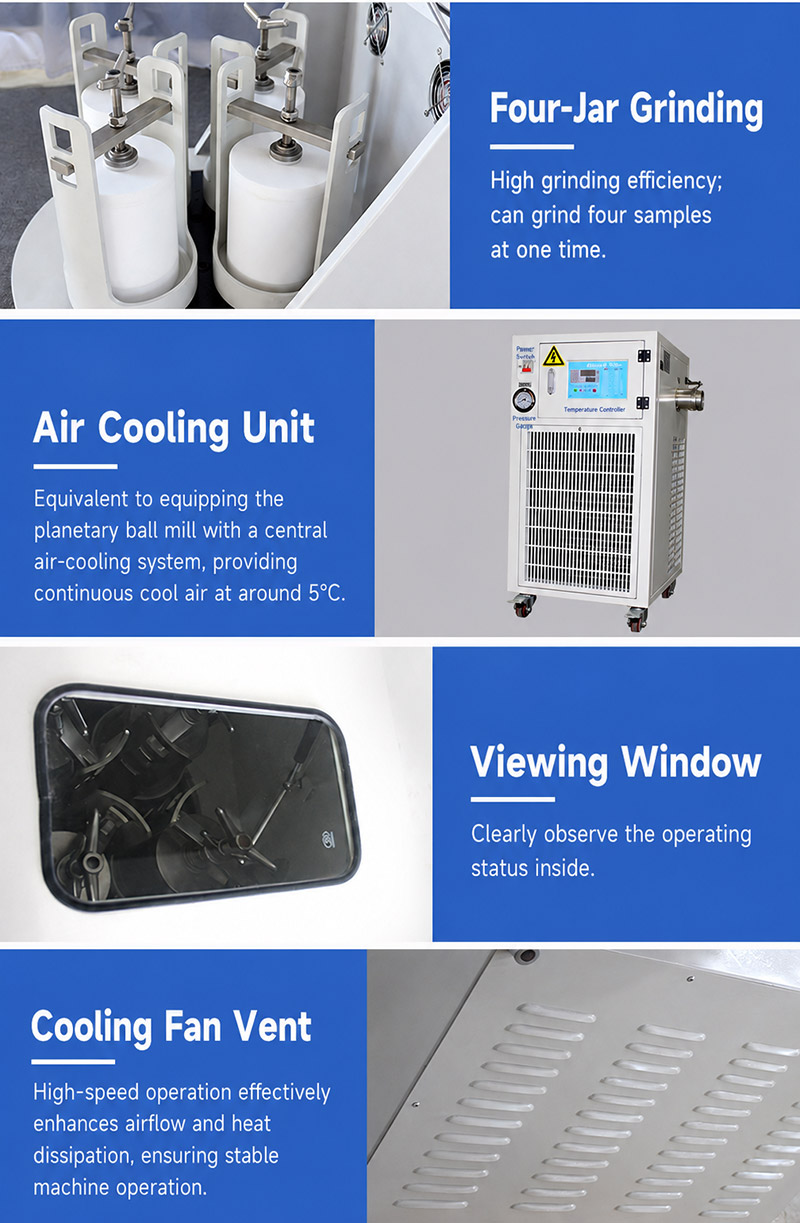
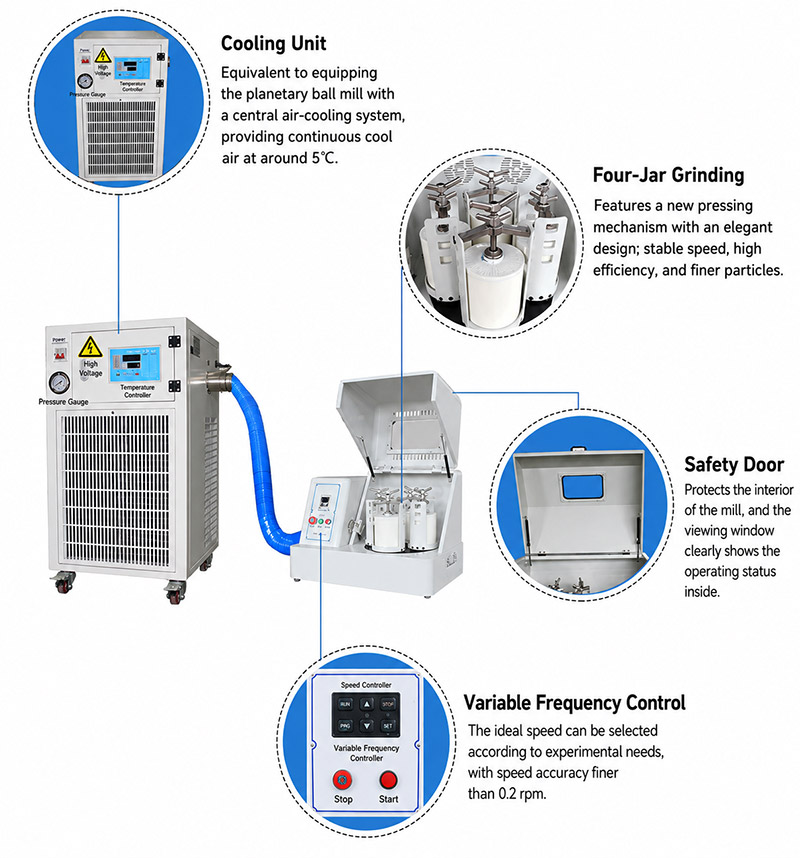
Low temperature planetary ball mill is widely used in geology, minerals, metallurgy, electronics, building materials, ceramics, chemical industry, light industry, medicine, environmental protection and other departments. It is suitable for electronic ceramics, structural ceramics, magnetic materials, lithium cobalt oxide, lithium manganate, catalysts, phosphors, long afterglow luminescent powder, rare earth polishing powder, electronic glass powder, fuel cells, zinc oxide pressure Production field of sensitive resistors, piezoelectric ceramics, nanomaterials, disc ceramic capacitors, MLCC, thermistors (PTC, NTC), ZnO varistors, dielectric ceramics, alumina ceramics, zirconia ceramics, phosphors, zinc oxide powders, cobalt oxide powders, Ni-Zn ferrite, Mn-Zn ferrite and other products.
Technical parameters
Basic configuration parameter table
| serial number | model | shape | Grinding tank rotation speed (mm) | Inner diameter of grinding pot seat (mm) | Motor power | Grinding jar revolution diameter (mm) | Overall dimensions (mm) | Net weight(kg) |
|---|---|---|---|---|---|---|---|---|
| 1 | XQM-0.2 | Miniature | 0~1160 | 50 | 90W | F111 | 420×260×310 | 25 |
| 2 | XQM-0.2S | Mini glove box | 0~1160 | 50 | 90W | F111 | Equipment: 390×220×270 Control box: 200×180×240 | 29 |
| 3 | XQM-0.4A | semicircle style | 0~870 | 80 | 250W | Φ140 | 530×300×360 | 34 |
| 4 | XQM-6 | 0~670 | 134 | 0.75KW | F234 | 760×470×580 | 100 | |
| 5 | XQM-4A | semicircle style | 0~670 | 134 | 0.75KW | F234 | 760×470×600 | 85 |
| 6 | XQM-(8-12) | 0~580 | 162 | 1.5KW | Φ275 | 900×600×640 | 168 | |
| 7 | XQM-(8-12)A | semicircle style | 0~580 | 162 | 1.5KW | Φ275 | 880×560×642 | 150 |
| 8 | XQM-16A | semicircle style | 0~510 | 182 | 3KW | Φ320 | 950×600×710 | 205 |
| 9 | XQM-20 | 0~430 | 222 | 4KW | F385 | 1200×790×930 | 392 | |
| 10 | XQM-40 | 0~390 | 250 | 5.5KW | Φ430 | 1400×880×1070 | 656 | |
| 11 | XQM-60 | 0~260(1:1.5) | 275 | 7.5KW | Φ490 | 1600×1070×1250 | 950 | |
| 12 | XQM-100 | 0~240(1:1.5) | 326 | 11KW | F578 | 1750×1140×1330 | 1300 | |
| 13 | XQM-200 | 0~215 | 460 | 22KW | Φ738 | 2670×1600×2804 | 2725 |
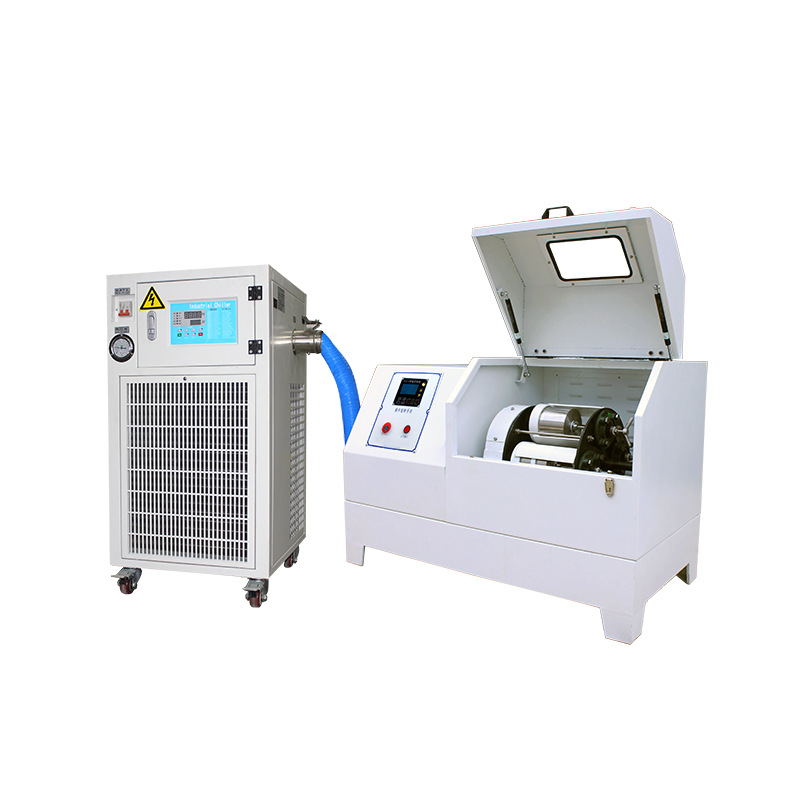
(Explanation: The low-temperature planetary ball mill is a planetary ball mill plus a low-temperature device. Vertical planetary ball mills, all-round planetary ball mills, and horizontal planetary ball mills can all be equipped with low-temperature devices. The parameters of low-temperature planetary ball mill take the parameters of vertical planetary ball mill as an example)
| Transmission mode | gear transmission |
| working method | Two or four ball mill tanks work simultaneously |
| Maximum sample loading volume (material + grinding ball) | Two-thirds of the ball mill tank volume |
| Ball mill tank volume | Each can is 5L-50L, total volume is 20L-200L |
| Feed particle size | Soil material ≤10mm, other materials ≤3mm |
| Discharge particle size | The minimum can reach 0.1μm (different materials and grinding processes will vary) |
| Speed ratio (revolution:rotation) | See main parameters of planetary ball mill for details |
| Speed (rotation) | See main parameters of planetary ball mill for details |
| Speed regulation method | Brand inverter stepless speed regulation |
The low-temperature planetary ball mill is a combination of a planetary ball mill and a refrigeration device. During the high-speed grinding process, most materials will heat up due to friction or exothermic reactions and other factors, which may lead to changes in the physical and chemical properties of the materials and produce negative grinding effects. Low-temperature planetary ball mill is mainly used in material grinding processes that require strict temperature control.
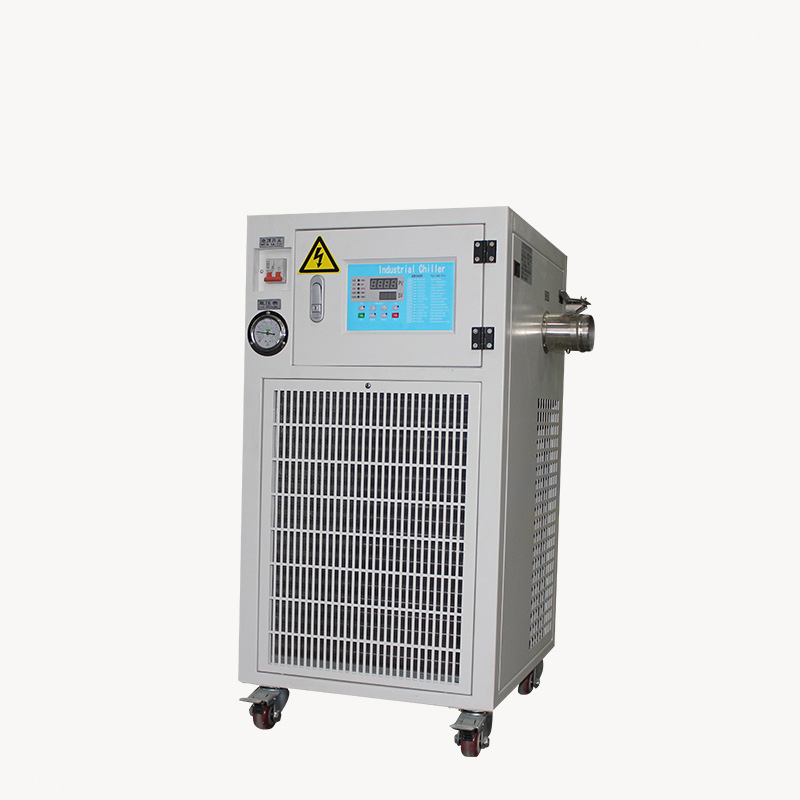
The low-temperature planetary ball mill is a combination of a planetary ball mill and an air-cooling device. The air-cooling device applies the air-conditioning compression refrigeration principle. The cold air circulation quickly takes away the heat generated by grinding. According to the difference in ambient temperature, the temperature of the ball milling space can be controlled. 5 —— 15 ℃, mainly used for ultra-fine grinding of materials requiring low-temperature processes. The air cooling device has a simple structure, convenient operation, easy maintenance and low energy consumption.
Parameters
| Model | XMQ |
|---|---|
| Grinding Jar Capacity | |
| Feed Size | |
| Output Size | |
| Speed | |
| Power | |
| Voltage | |
| Dimensions | |
| Weight | 0 |
Related Videos
The trusted choice of industry leaders
FAQ
-
What is a Laboratory Planetary Grinder? A Desktop High-Energy Ball Mill for Fine Grinding and Mixing of Small Samples
A laboratory planetary grinder is a compact planetary ball mill designed for fine grinding, mixing, and homogenizing small samples. It uses planetary motion—combining revolution and rotation—to generate high-energy impacts for achieving micron to submicron particle sizes. Ideal for materials research, pharmaceuticals, and chemistry labs, it offers precise control over grinding parameters and supports various jar materials for contamination-free processing.
MORE >> -
What is a Micro Planetary Ball Mill? A Compact Lab Grinder for Nano-Scale Sample Preparation
Discover the Micro Planetary Ball Mill, a compact lab grinder designed for ultra-fine grinding of materials down to 0.1 micron. Ideal for glove box use, it supports dry, wet, and vacuum grinding with programmable control for research and quality control.
MORE >> -
What is a Tungsten Carbide Planetary Mill Jar? A High-Performance Grinding Container for Ultra-Hard Material Processing and Contamination-Free Nano Grinding
Explore the definition, working principles, key performance metrics, and selection criteria of tungsten carbide planetary mill jars. This article explains how these ultra-hard grinding containers enable contamination-free nano grinding of hard and brittle materials in planetary ball mills, making them essential for advanced materials research, powder metallurgy, and ceramic processing.
MORE >> -
What is a Low Temperature Planetary Grinding Machine? A Specialized Ball Mill for Cryogenic Grinding of Heat-Sensitive Materials
A low temperature planetary grinding machine is a specialized planetary ball mill designed for cryogenic grinding, enabling fine milling of heat-sensitive, volatile, or biological materials without thermal degradation. This article explains its working principle, key components, performance indicators, and application areas, helping researchers and engineers select the right equipment for low-temperature powder processing.
MORE >> -
What is a Heavy-duty Full-directional Planetary Ball Mill? A High-Energy Milling Machine for Multi-Directional Ultra-Fine Grinding in Industrial Production
Discover the Heavy-duty Full-directional Planetary Ball Mill, a robust milling machine designed for ultra-fine grinding, mechanical alloying, and powder preparation. Learn about its unique 360° rotary motion, key performance indicators, selection tips, and applications in materials research and small-scale production.
MORE >> -
What is a Tungsten Carbide Planetary Mill Jar? A High-Wear-Resistant Milling Container for Ultrafine Grinding of Hard Materials
A tungsten carbide planetary mill jar is a specialized grinding container designed for planetary ball mills, enabling ultrafine and nano-scale grinding of ultra-hard materials like tungsten carbide, cemented carbides, and ceramics. Its extreme hardness, density, and wear resistance prevent contamination and maximize milling efficiency for high-energy applications in materials research and powder metallurgy.
MORE >> -
What is a Horizontal Light-Duty Ball Mill? A Compact Grinding Machine for Laboratory Powder Preparation
A horizontal light-duty ball mill is a compact planetary ball mill designed for efficient grinding, mixing, and homogenizing of small batches of materials in laboratories. It uses the planetary motion of grinding jars to achieve ultrafine particle sizes down to the nanometer range, making it ideal for research, quality control, and small-scale production in materials science, chemistry, and pharmaceuticals.
MORE >> -
What is a Micro-computerized Touch Screen Planetary Ball Mill? A High-Precision Grinding Equipment for Laboratory Powder Processing
A micro-computerized touch screen planetary ball mill is a high-energy grinding system designed for ultra-fine size reduction, mixing, and homogenization of powders in research laboratories. This compact device uses planetary motion to generate powerful impact, shear, and friction forces, enabling particle refinement down to the nanometer scale. Its advanced touch interface and programmable logic allow precise control over speed, run time, and grinding cycles. Ideal for materials science, chemistry, geology, and pharmaceuticals, this mill offers superior reproducibility and user-friendly operation. Explore how it transforms coarse solids into fine powders efficiently.
MORE >> -
What is an Ultrasonic Planetary Ball Mill? A High-Energy Milling Device for Ultrasonic-Assisted Nano-Grinding
An ultrasonic planetary ball mill combines planetary motion with ultrasonic energy to achieve ultra-fine grinding, dispersion, and nano-material synthesis. This article explains its working principle, key components, performance metrics, and selection criteria for researchers and engineers in materials science, chemistry, and pharmaceuticals.
MORE >> -
What is a Laboratory Full-Directional Planetary Ball Mill? A High-Energy Milling Device for Multi-Directional Fine Grinding and Nano Material Preparation
This article provides a comprehensive overview of the Laboratory Full-Directional Planetary Ball Mill, a versatile high-energy milling device designed for ultra-fine grinding, nano-material synthesis, and multi-sample preparation in research laboratories. It explains its working principle, key technical features, performance indicators, and selection criteria, helping users understand how this equipment achieves superior grinding uniformity through 360-degree rotational motion. The guide also covers typical applications in materials science, geology, pharmaceuticals, and battery research.
MORE >>
Get In Touch
Our professional team will reply to you within one business day. Please feel free to contact us!
Related Products
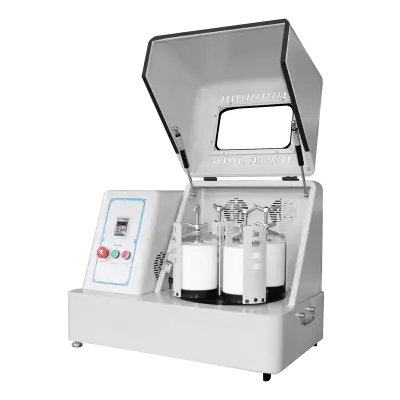
Laboratory planetary grinder
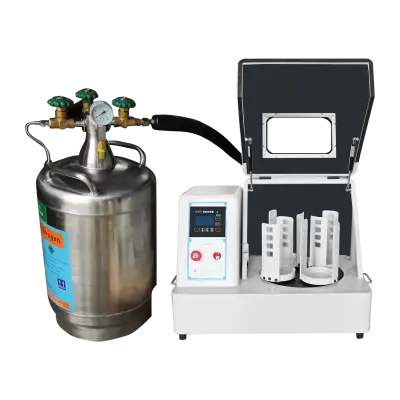
Liquid Nitrogen Planetary Ball Mill
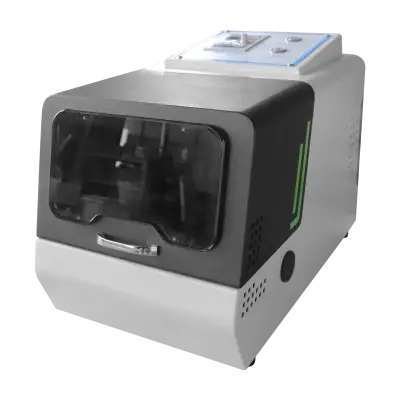
Micro Planetary Ball Mill
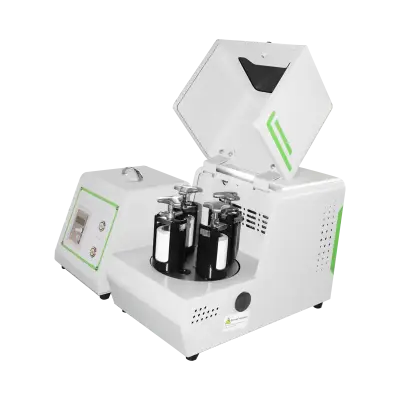
Micro Planetary Ball Mill
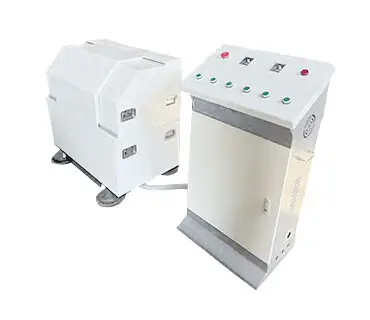
Continuous planetary ball mill
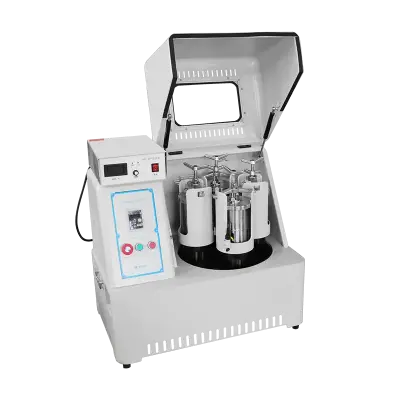
Ultrasonic planetary ball mill
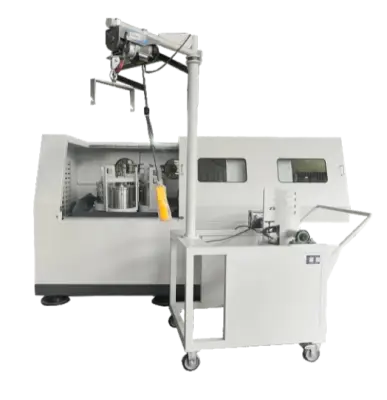
Heavy-duty Full-directional Planetary Ball Mill
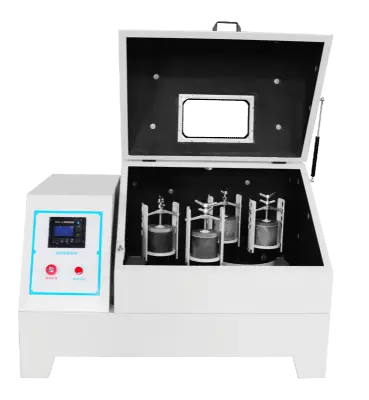
Dual Planetary Ball Mill
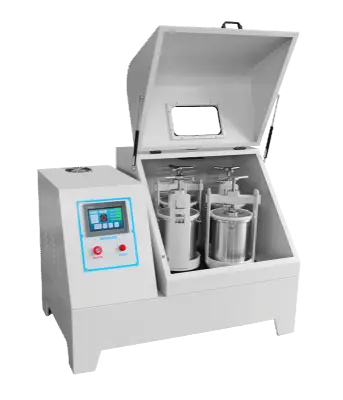
Micro-computerized Touch Screen Planetary Ball Mill
Related Articles