
Jaw Crusher Basics: A Practical Guide to Coarse Crushing for Powder Samples

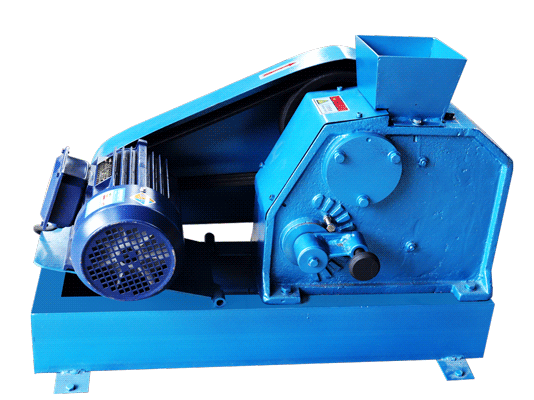
A jaw crusher is one of those machines that looks almost too simple from the outside: a hopper, a sturdy frame, and a pair of heavy jaws. Then you see what comes out and realize the simplicity is the point. In powder work, the jaw crusher is often the first serious size-reduction step—the tool that turns a lumpy, awkward sample into something your next mill can actually handle. This guide is for buyers, lab managers, and operators who want a clear view of how jaw crushers work, where they fit, and what to check before choosing one.
What a Jaw Crusher Actually Does
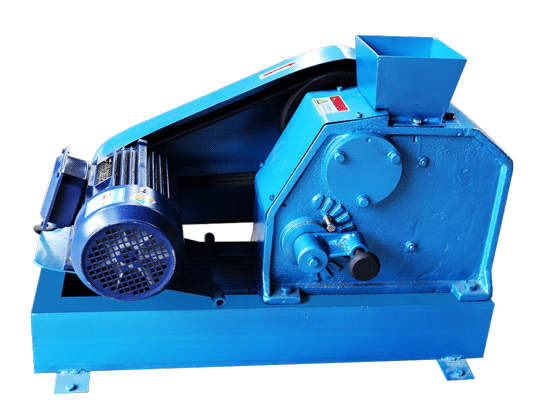
At its heart, a jaw crusher breaks material by squeezing it between two jaws. One jaw stays relatively still; the other moves back and forth in a controlled cycle. Material enters from the top, gets gripped, and splits or fractures as the gap narrows. The broken pieces fall through the bottom once they are small enough. It is a nutcracker with a serious work ethic.
Because the action is compression, jaw crushers are associated with coarse crushing rather than fine grinding. Coarse crushing means reducing big lumps to smaller pieces, not producing a finished powder. That distinction matters. If you expect a jaw crusher to deliver a talc-fine product in one pass, you will be disappointed; if you want to prepare a manageable feed for milling, you are in the right place.
The Two-Jaw Idea in Plain Language
Imagine holding a piece of chalk between your thumb and forefinger and squeezing until it cracks. The moving jaw does the squeezing; the fixed jaw gives the material something to push against. The chamber is shaped so that the gap gets narrower toward the bottom. That taper is why a lump can enter at the top and leave as a smaller piece at the bottom.
The gap at the bottom is usually described as the closed side setting. In plain terms, it is the narrowest point the jaws reach when they come together, and it has a big influence on the product size. The open side setting is the wider position. Adjusting the machine changes that working gap, but it does not turn a coarse crusher into a fine mill. Think of it as tuning the exit door, not changing the entire building.
Why Coarse Crushing Comes Before Milling
A ball mill, planetary mill, or other fine-grinding unit usually has a feed-size limit. Put oversize lumps into it and you get slow grinding, extra wear, more heat, and a less predictable result. A jaw crusher removes that bottleneck by bringing the material down to a size the mill can swallow. It also helps you take a more representative sample: when a bulk lot is crushed and mixed, small portions are more likely to reflect the whole lot.
Skipping the coarse stage is possible when your material is already small. It is less sensible when you are dealing with rocks, clinker, ceramics, slag, or other chunky feed. The jaw crusher does the dirty, high-force work so the fine mill can do the precise work. That division of labor is the reason the two machines often appear together in a sample-prep line.
Where Jaw Crushers Fit in Powder Workflows
Jaw crushers are not only for large production plants. In laboratories and pilot lines, they are used to prepare samples for milling, analysis, or further testing. The machine’s role is to create a consistent, manageable feed—not to deliver the final particle-size distribution. Once you frame the job that way, it becomes easier to decide whether you need one.
In a busy lab, the crusher often earns its keep by making the rest of the workflow less dramatic. A consistent coarse feed means fewer mill stalls, shorter grinding times, and fewer surprises when you open the mill jar. That is not a glamorous benefit, but it is a real one.
From Bulk Sample to Representative Split
A typical sample-prep sequence might run like this: receive a lumpy bulk sample, crush it coarsely, mix it, split it down to a smaller test portion, then mill and sieve. The jaw crusher sits near the front because it can accept relatively large pieces. After crushing, the sample is easier to blend and divide. If you split before crushing, you may create portions that differ in lump size and composition; if you crush first, you reduce that risk.
Representative sampling is a phrase worth unpacking. It means the small portion you test should behave like the large lot it came from. Coarse crushing helps because it increases the number of particles and makes the material more uniform. It does not guarantee perfect sampling—you still need a sensible splitting method—but it removes one common source of bias: a few unusually large or unusually hard pieces dominating the test.
Materials That Tend to Suit Coarse Compression Crushing
Hard, brittle materials are the natural audience for a jaw crusher. Brittle means the material breaks rather than bends or smears. Rocks, ores, glass, ceramics, cement clinker, slag, and many mineral raw materials fall into this broad category. If a lump cracks cleanly under pressure, a jaw crusher is a reasonable candidate.
Sticky, wet, fibrous, or very ductile materials are a different story. Ductile means the material deforms instead of fracturing. A jaw crusher can choke, smear, or produce a messy chamber when the feed behaves like putty. The key question is not just “will it break?” but “will it flow through the chamber without turning into a paste?” Some materials can be handled with the right preparation and settings, but this is exactly the kind of question to raise with the equipment supplier before you buy.
When a Jaw Crusher Is the Wrong Tool
A jaw crusher is the wrong choice when you need a fine powder in a single step. It is also a poor fit when the feed is already smaller than the machine’s working gap, when the material is too sticky to flow, or when you need a tightly controlled narrow particle-size band. A crusher reduces size; it does not classify, blend, or dry the material for you.
Another mismatch is the lab that needs only a few grams of material. A small jaw crusher can still be useful, but the cleaning effort between samples may outweigh the benefit. In that case, a smaller dedicated mill or a different sample-prep route may make more sense. The right answer depends on sample size, feed size, and how often you change materials.
What to Check Before You Choose One
Buying a jaw crusher is not just a question of the opening at the top. You need to match the machine to the feed, the target product size, the material behavior, and the way your team actually works. The specifications matter, but so does the daily routine around the machine.
Feed Size, Product Size, and the Reality of Reduction
Ask two questions first: what is the largest lump that will arrive, and what is the largest piece the next step can accept? Those two numbers define the job. A jaw crusher will not reduce a boulder to dust in one pass, so plan a realistic reduction ratio—the relationship between feed size and product size. If the gap between the two is large, a staged approach is usually more sensible.
Always compare the actual feed on your site with the manufacturer’s stated limits. A sample that is mostly small but contains a few oversized lumps can still cause trouble. The same goes for product size: check what the machine can deliver at a practical setting, not just the smallest number in a brochure. The product page for TENCAN’s Jaw crusher is the right place to confirm current details rather than relying on general assumptions.
Material and Contamination Questions
Hardness and abrasiveness affect wear parts. Abrasive means the material tends to grind away metal surfaces. Moisture affects flow. Chemical composition affects what the jaws can be made from, especially if iron, chromium, or other elements would contaminate your sample. If you are preparing material for trace analysis, a jaw crusher with the wrong jaw material can introduce the very element you are trying to measure.
Cleaning is part of the contamination story. Look at how accessible the chamber is, how easy it is to remove retained material, and whether the machine can be purged with a small amount of the next sample. A design that is quick to open and brush will be used more consistently than one that turns cleaning into a project.
Throughput, Uptime, and Cleaning
Throughput is more than the headline rate on a data sheet. It depends on feed size, material hardness, the gap setting, and how steadily you can feed the machine. In a lab, a smaller machine that is easy to clean may beat a larger one that takes an hour to prepare for the next sample. In a production line, uptime and wear-part access may matter more than a small difference in nominal capacity.
Think about the whole support system: power supply, dust extraction, discharge collection, bench space, and the path the sample takes from the crusher to the next step. A crusher that fits the electrical supply but not the room around it is not a good fit. Noise and vibration deserve attention too, especially in enclosed labs.
Floor space and ergonomics are easy to overlook. You need room to load the hopper, access the adjustment mechanism, and remove the discharge container without twisting around a bench. If the machine sits too high or too low, operators will improvise, and improvisation is where safety and consistency start to slip.
Running a Jaw Crusher Well
A jaw crusher rewards a calm, steady operator. It does not reward dumping a full bucket into the hopper and walking away. The best results come from feeding within the machine’s limits, keeping the discharge clear, and checking the product instead of assuming the setting is doing what you think.
Feeding Without Bridging
Feed material at a rate the chamber can accept. If you overload the top, material can bridge—meaning pieces wedge together and stop flowing. Bridging reduces output and can lead to unsafe poking and prodding. Keep the feed size within the stated limit, and use a proper method to clear a blockage rather than reaching into the chamber.
A little experimentation pays off. Try a slower feed and watch the discharge. Then try a slightly faster feed. You will quickly see the point where the crusher starts to choke. Mark that practical rate for your material and your team, and train everyone to work below it.
A short pre-start check takes less than a minute: guards in place, discharge clear, chamber free of tools, and collection container ready. It sounds basic because it is basic. Basic checks are what keep a coarse crusher from becoming a source of downtime.
Setting the Gap and Checking the Product
Adjust the gap only when the machine is in the correct state for adjustment, following the manufacturer’s procedure. After any change, run a small amount of material and inspect the product. A visual check is useful, but a quick sieve check gives you a better picture. Wear on the jaws gradually changes the working gap, so the setting you used last month may not deliver the same result today.
Keep a simple log: material, feed size, gap setting, product appearance, and any unusual noise. That log becomes more valuable than memory. When a sample behaves differently, you can see whether the change came from the material, the setting, or wear.
Cleaning and Cross-Contamination
Between samples, remove loose material from the chamber and discharge area. Brush, vacuum, or purge with a small amount of the next sample, depending on the material and the manufacturer’s guidance. Avoid wet cleaning unless the machine is designed for it; water plus dust can create a paste in places you cannot see. A clean crusher is a trustworthy crusher.
Safety and Dust Control
Jaw crushers contain powerful moving parts, so guards and interlocks are not optional. Wear eye protection, use hearing protection when needed, and control dust at the source. Never reach into the chamber while the machine is running or before it has been properly isolated. If a blockage occurs, stop the machine and follow a safe clearing procedure. The few minutes you save by taking a shortcut are not worth the risk.
How TENCAN's Jaw Crusher Fits the Picture
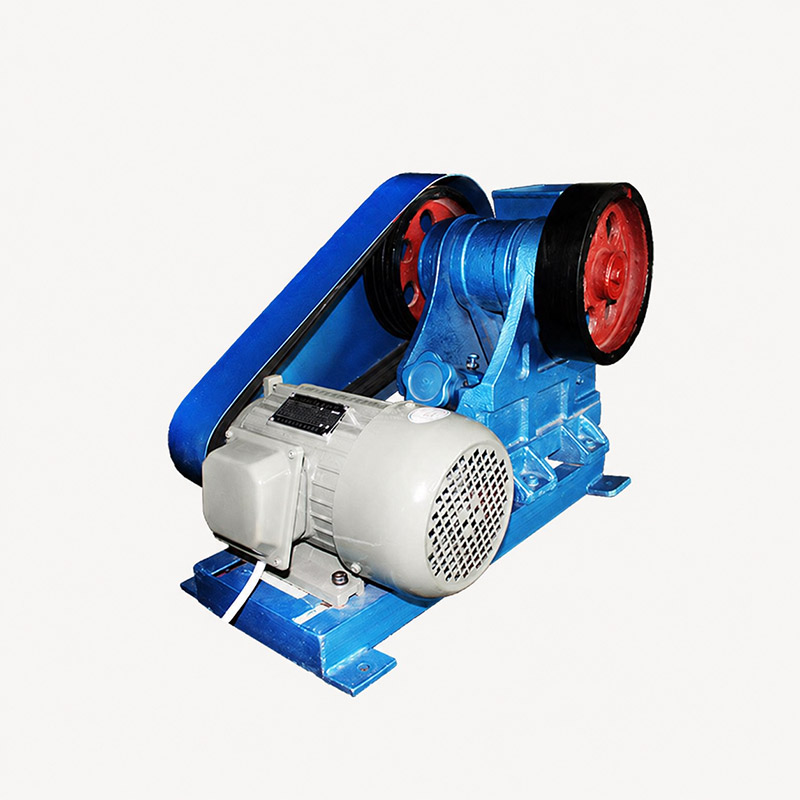
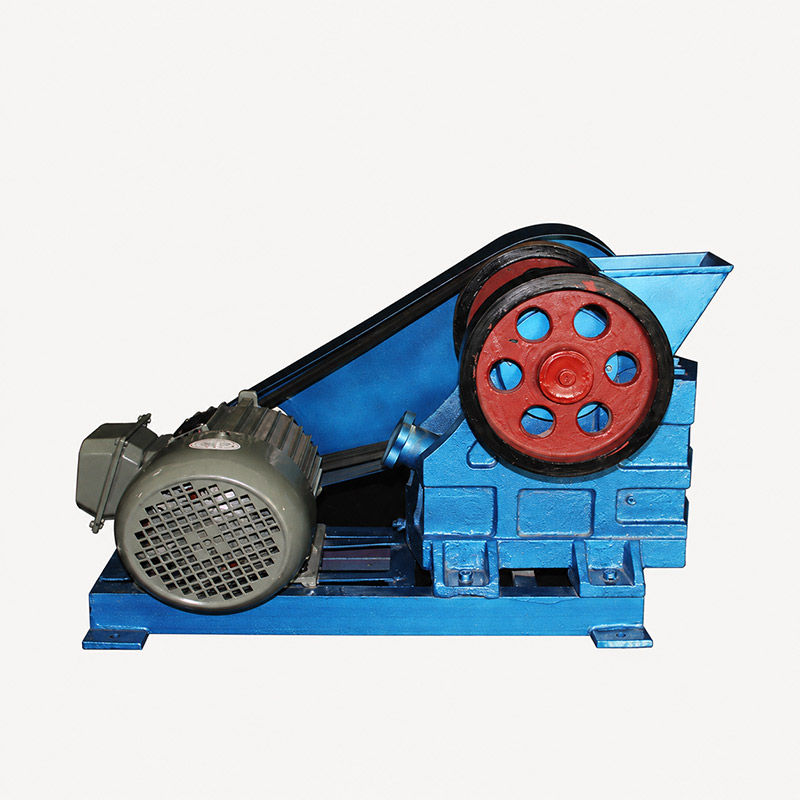
TENCAN (长沙天创粉末技术有限公司) supplies powder-processing and sample-preparation equipment, and its Jaw crusher is listed for coarse-breaking duties. If you are building a workflow around a fine mill, this is the kind of machine you check when the feed arrives as lumps rather than powder. The product page is also where you should confirm the current configuration, available options, and technical details for your application.
We would not treat a general guide like a data sheet. Use this article to ask better questions—about feed size, target size, jaw material, cleaning, and throughput—then use the product page for the exact information. That combination is far more useful than a list of numbers without context.
Common Questions We Hear
Can a Jaw Crusher Produce Powder Directly?
Usually, no. A jaw crusher is a coarse crusher. It can produce small pieces, but a fine powder normally requires a mill or a staged grinding process. If your goal is a powder with a tight particle-size distribution, plan for crushing followed by milling and, if needed, sieving.
Do I Need a Jaw Crusher If I Already Have a Ball Mill?
It depends on the feed. If your material already arrives small enough for the mill, you may not need a crusher. If you are feeding lumps that are near or above the mill’s limit, a jaw crusher can protect the mill and improve consistency. The two machines solve different problems, even though both reduce size.
How Do I Know the Right Size?
Start with the largest feed lump, the smallest product your next step can accept, and the sample volume you need per batch. Then add the practical factors: bench space, cleaning time, power, and how often the material changes. A short trial with your actual material is worth more than a long debate about nominal capacity.
What About Cleaning Between Samples?
Plan for it before you buy. Ask how the chamber opens, which parts trap material, and what the manufacturer recommends for cleaning. If you change samples often, choose a machine that makes cleaning straightforward. Cross-contamination is usually a workflow problem, not a machine defect.
A Practical Checklist Before You Buy
- Confirm the largest feed lump and the smallest practical product size.
- Check the material: hard and brittle, or sticky and ductile?
- Ask about jaw material and contamination risk for your analysis.
- Match throughput to your real batch size, not a theoretical maximum.
- Look at cleaning access and the time needed between samples.
- Plan for dust control, noise, power, and discharge collection.
- Confirm safety guards, isolation points, and blockage-clearing procedures.
- Use the manufacturer’s product page for current technical details.
If you keep those points in view, a jaw crusher becomes much more than a heavy box with two moving jaws. It becomes the first, sensible step in a powder workflow: reduce the lumps, stabilize the sample, and give the mill a feed it can handle. And when the machine is matched to the job, that simple squeezing action is exactly what you want.
Related Products
Get In Touch
Our professional team will reply to you within one business day. Please feel free to contact us!