
Stainless Steel Vibration Crusher: A Practical Milling Guide for Powder Teams

Walk into a powder plant and you can often hear the story before you see it: a steady mechanical rhythm, a little dust in the air, and a stream of brittle material turning into something easier to handle. A stainless steel vibration crusher is one of those quiet workhorses that does not always get the spotlight, yet it can make a real difference to how cleanly and consistently you reduce material. If you are sizing up one for your line, or simply trying to understand where it belongs, this guide is for you.
What a Stainless Steel Vibration Crusher Actually Does
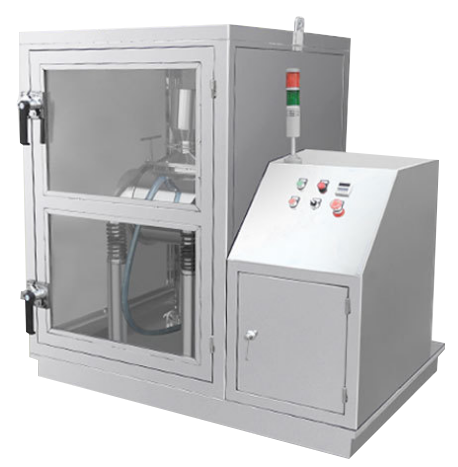
At its heart, a vibration crusher uses repeated mechanical movement to break brittle material into smaller pieces. Instead of relying only on slow, heavy squeezing, it keeps the material moving and exposes fresh surfaces to impact and fracture. That makes it a useful first step when lumps, flakes, or coarse particles need to become a more manageable feed for the next stage.
Vibration Is the Workhorse
Vibration does two jobs at once. It keeps material flowing so the machine does not choke, and it creates many small opportunities for breakage rather than one enormous crush. For brittle powders, that can mean less of the random over-sizing that comes from simply dropping a heavy load onto a plate. The result is a more controlled reduction step, though the exact performance always depends on the material, the setup, and how you run it.
Why Stainless Steel Changes the Conversation
Stainless steel is not just a cosmetic upgrade. In powder work, the contact surfaces matter. A stainless steel build is generally easier to clean, more resistant to corrosion, and better suited to environments where moisture or aggressive residues are part of daily life. That does not mean every stainless steel machine is automatically right for every powder, but it does explain why the material choice often becomes a practical requirement rather than a nice-to-have. If your process values cleanliness, repeatable changeovers, or a longer service life in a damp room, stainless steel earns its place.
Where It Fits in a Powder Line
A vibration crusher rarely works alone. It sits between the coarse material you receive and the finer milling, blending, or screening steps that follow. Put it in the right place and the whole line becomes easier to control. Put it in the wrong place and you may create extra dust, heat, or maintenance work for no good reason.
Ahead of Fine Milling
Fine mills usually prefer a steady, predictable feed. If you send them lumps that are too large, the mill may run unevenly, draw more power than necessary, or produce a wider particle size spread. A vibration crusher can pre-condition that feed, giving the downstream mill a more consistent diet. Think of it as preparation, not competition: the crusher does the rough work so the mill can do the precise work.
When a Clean Break Matters
Some powders are sensitive to contamination, and some production rooms are sensitive to cleanup time. A stainless steel vibration crusher is often considered when the material contact path needs to be accessible, wipeable, and resistant to residue buildup. The machine still has to be specified correctly, but the material choice supports a cleaner operating routine. That is especially relevant when you change products often and cannot afford long, messy changeovers.
A Closer Look at the Working Parts
You do not need to be a mechanical engineer to choose a crusher wisely, but it helps to know what you are looking at. A vibration crusher is a system: the contact surfaces, the drive, the isolation, and the discharge all influence how the machine behaves in real life.
Contact Surfaces and Cleanability
The contact surfaces are where your powder lives for a few seconds. Smooth, well-finished stainless steel surfaces are easier to clean and less likely to trap material. Look for accessible areas, sensible radii, and a design that does not hide product in dead corners. Cleaning is not glamorous, but it is one of the best indicators of whether a machine will be pleasant to own.
The Vibration Source and Isolation
A crusher that shakes the floor is a crusher that wears on everyone. Good isolation keeps the working motion in the machine and out of the building structure. The drive and suspension also affect noise, starting behavior, and how much maintenance the unit demands. You do not need to memorize the mechanics, but you should ask how the vibration is controlled and what regular checks are needed.
Discharge, Dust, and Flow
Discharge is where many powder problems show up. If material hangs up, you get inconsistent output. If it floods, you get dust and housekeeping headaches. The discharge arrangement should match the way you collect product, whether that is a container, a transfer line, or a downstream screen. Dust control is not an afterthought; it is part of the machine's daily behavior.
Running It Well: Feed, Tuning, and Cleaning
Two identical crushers can behave very differently depending on how they are fed and maintained. The good news is that the basics are learnable. The better news is that a little discipline early on saves a lot of fiddling later.
Feed Them Steady
Vibration crushers like a steady diet. Flooding the inlet can overload the breaking zone, while starving it wastes capacity and creates uneven wear. Aim for a controlled feed rate that matches the machine and the material. If your upstream process is batchy, a small buffer or a reliable feeder can make the crusher feel far more predictable. Also keep an eye on feed size: a crusher is a reduction tool, not a magical shredder for anything that fits through the door.
Find the Sweet Spot
Vibration settings are a balance. Too little action and material sits around; too much and you may create unnecessary noise, wear, or fines. The right setting is the one that gives you the output you need without turning the machine into a dust generator. Change one thing at a time, observe the result, and keep notes. Your future self will thank you when a new batch of material arrives and you need a sensible starting point.
Cleaning and Changeover
Stainless steel helps, but technique still matters. Use the cleaning method that suits your powder and your site rules, and pay attention to the areas where fines collect. A quick brush-down after every run is usually easier than a deep clean after a week of neglect. For product changeovers, define what “clean” means before the next batch starts. That simple habit protects quality and keeps the crusher from becoming the weak link in your hygiene routine.
Safety, Dust, and the Everyday Environment
Powder equipment deserves respect. Brittle materials can create dust, and dust can affect air quality, housekeeping, and safety systems. Keep the crusher area well ventilated, follow your site's dust-control rules, and do not bypass guards or interlocks. Noise is another practical issue: vibration equipment can be loud, so hearing protection and sensible separation from quiet work areas are worth planning for. None of this is exotic, but it is easy to overlook when you are focused on throughput.
Maintenance should be planned, not improvised. Check fasteners, flexible elements, and isolation components on a schedule that matches your duty cycle. If something sounds different or feels looser than usual, investigate before it becomes a bigger repair. A crusher is a simple idea wrapped in a lot of little details, and those details are what keep it running smoothly.
How to Choose Without Guessing
Start with your material. Is it brittle, sticky, abrasive, heat-sensitive, or prone to creating fines? Then define the job: are you breaking lumps, preparing feed for a mill, or recovering usable material from oversize? Finally, match the machine to the line. A crusher that is too small will frustrate you; one that is oversized may add cost and complexity you do not need. The right choice is the one that fits your feed, your target, and your cleaning routine.
Ask for the model-specific technical parameters before you commit. Dimensions, connection details, electrical requirements, and available options all matter, and they should come from the product page or a current data sheet rather than a generic guess. You can review the stainless steel vibration crusher details directly and compare them with your process requirements. That is a far better use of your time than trying to force a machine into a line where it does not belong.
Product Spotlight: Stainless Steel Vibration Crusher
The stainless steel vibration crusher is aimed at powder teams that want a clean, accessible reduction step in a stainless steel build. It is not a fine mill, and it is not a blender; it is the practical pre-break that helps downstream equipment see a more consistent feed. If your line handles brittle material and you are tired of lumps causing trouble, this is the category worth exploring.
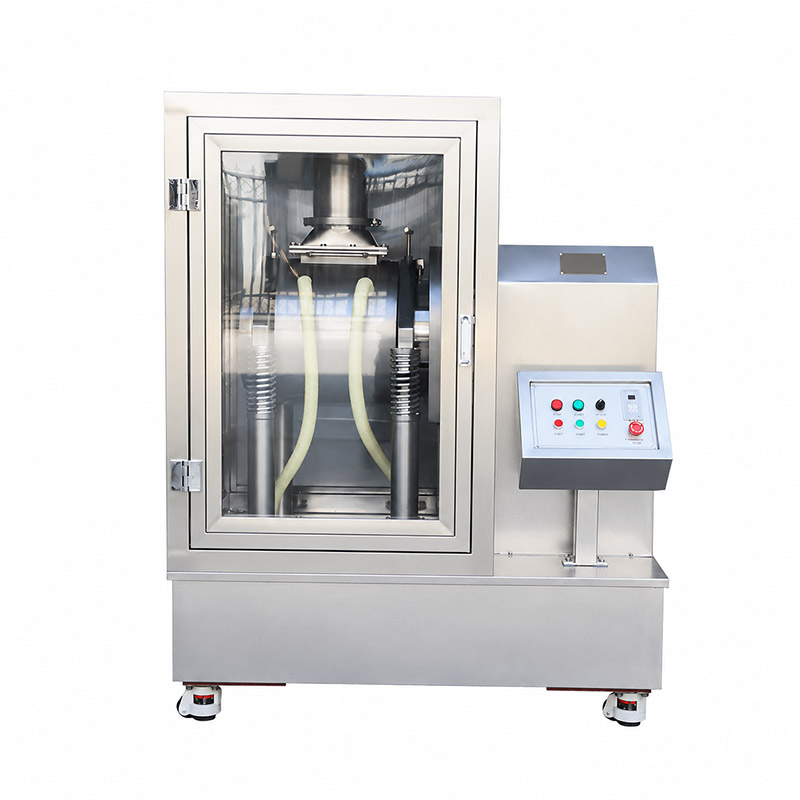
Use the product page as your specification checklist. It is the right place to confirm the current build details and see how the machine is presented as a complete product. From there, you can compare the unit with your feed material, your available space, and your cleaning expectations. If something is unclear, ask before you buy. A short conversation now is cheaper than a long workaround later.
A Calmer, Cleaner Way to Break Powder
Vibration crushing is not about brute force. It is about giving brittle material a controlled chance to break, then moving it along before it turns into a problem. A stainless steel vibration crusher fits neatly into that idea: practical reduction, easier cleaning, and a more predictable handoff to the next stage. If you keep the feed steady, tune the machine with care, and treat cleaning as part of the process rather than a chore at the end, you will get much more from it. When you are ready to check the details, the stainless steel vibration crusher product page is the place to start.
Related Products
Get In Touch
Our professional team will reply to you within one business day. Please feel free to contact us!