
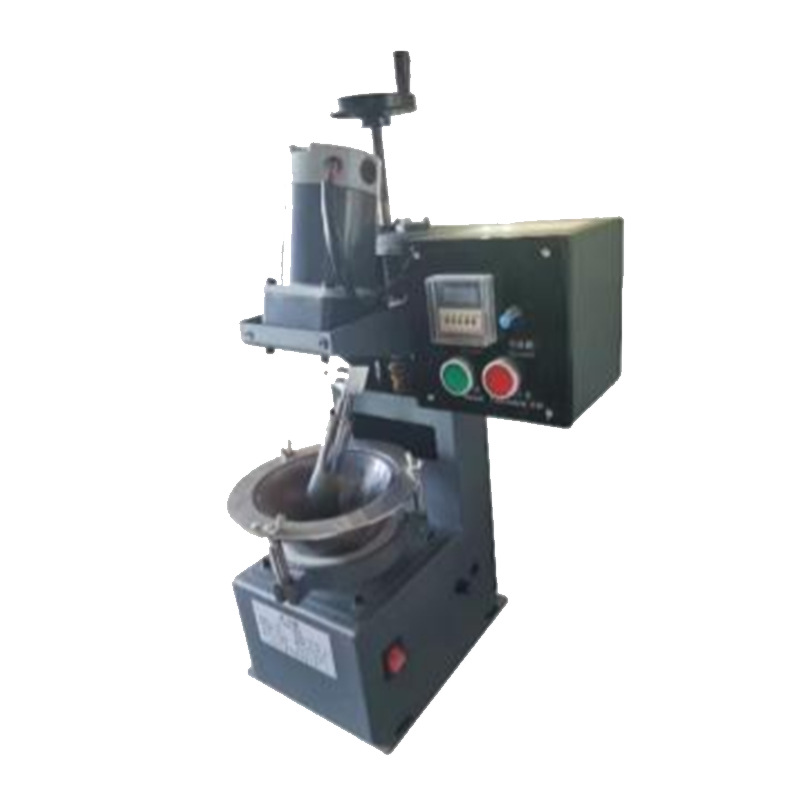
Agate Grinder: The Ultimate Guide to Precision Lab Grinding with TENCAN

What Makes an Agate Grinder Special?
If you've ever tried to grind a sample into a fine powder for spectroscopy, XRF analysis, or ceramic research, you know the struggle: you need purity, repeatability, and no cross-contamination. That's exactly where an Agate Grinder shines.
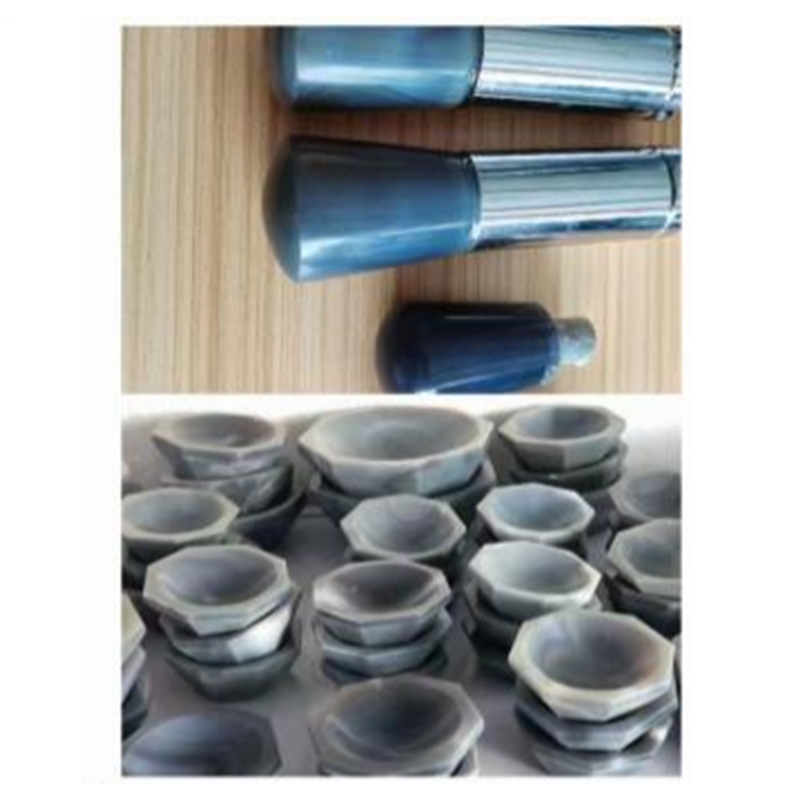
Imagine a mill that uses natural agate – a hard, microcrystalline form of quartz – as both the grinding tool and the bowl. Agate is nearly as hard as diamond (Mohs 7), incredibly wear-resistant, and chemically inert. It won't introduce iron, chromium, or other metal impurities into your sample. That's why it's the gold standard for grinding geological samples, minerals, ceramics, and sensitive materials.
At Changsha Tianchuang Powder Technology Co., Ltd. (TENCAN), we've been designing and manufacturing precision lab mills since 2006. Our agate grinders are used by top universities (Tsinghua, Peking, Central South University) and research institutes worldwide. Let's dive into everything you need to know about this remarkable piece of equipment.
What Exactly is an Agate Grinder?
An agate grinder (also called an agate mortar grinder or agate ball mill) is a laboratory grinding machine where the grinding vessel and grinding media are made of high-purity natural agate. Unlike planetary ball mills that use metal or ceramic jars, the agate grinder is specifically designed for ultra-fine, contamination-free grinding of small samples.
The machine typically consists of a motor-driven base that rotates the agate mortar and pestle (or agate balls inside an agate jar) in a controlled manner. The grinding action can be either a continuous rubbing motion (mortar and pestle type) or a high-energy impact/shear motion (agate ball mill type).
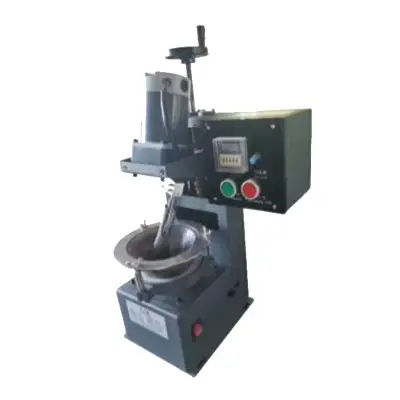
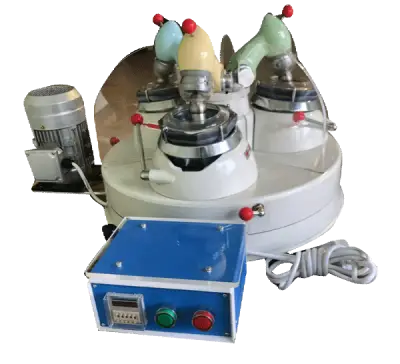
TENCAN offers both single-station and three-station agate grinders. The three-station version lets you grind up to three different samples simultaneously, perfect for comparative studies or high-throughput labs.
Why Choose Agate for Grinding?
Let's talk about the material itself. Agate is a natural silica mineral (SiO₂) with a dense, non-porous structure. Here's why it's ideal for grinding:
- Extreme Hardness (Mohs 7) – It can grind even tough materials like quartz, feldspar, and sintered ceramics without wearing down quickly.
- Low Abrasion – The grinding media produces minimal wear debris, so you get almost no contamination from the mill itself.
- Chemical Inertness – Agate is resistant to most acids and alkalis, making it safe for grinding reactive or sensitive materials.
- No Metal Contamination – Unlike steel or tungsten carbide, agate won't introduce iron, cobalt, or other metals into your sample. This is critical for trace element analysis, XRF, and XRD sample preparation.
- Easy to Clean – The smooth surface prevents material sticking, and you can clean the agate parts with a simple rinse or ultrasonic bath.
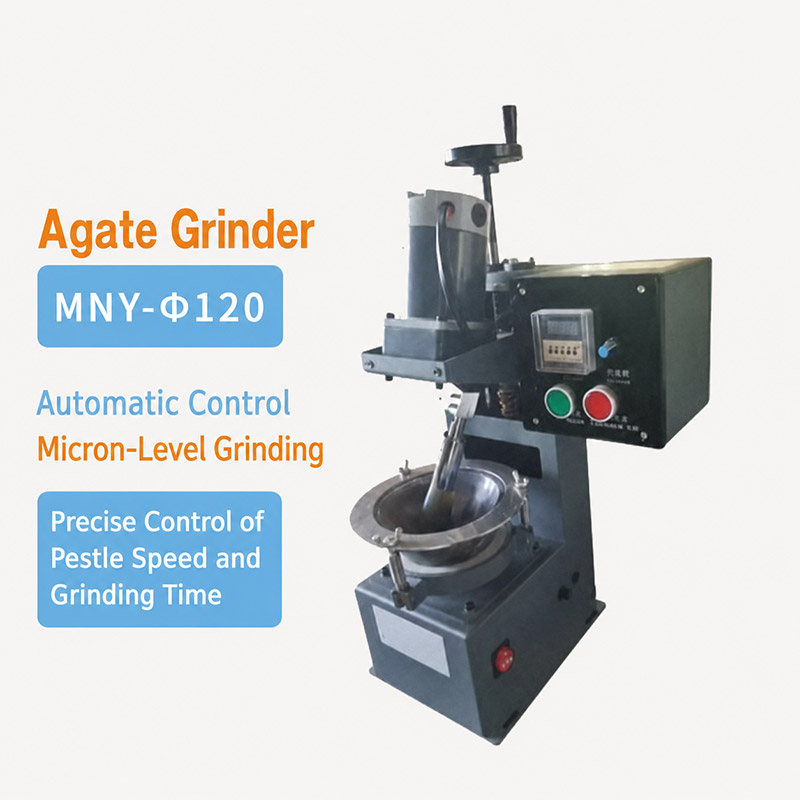
Working Principle of the Agate Grinder
The agate grinder from TENCAN operates on a simple yet effective principle. The motor drives the base plate, which holds the agate mortar (or jar). As the plate rotates, the agate pestle or grinding balls inside the mortar are forced to move in a combination of planetary-like motion and friction.
For the mortar and pestle type, the pestle rubs against the mortar wall, crushing and shearing the sample into a fine powder. The pressure can be adjusted via a spring-loaded arm, allowing you to control the grinding intensity.
For the agate ball mill type, the jar rotates on its own axis while the main disc rotates in the opposite direction, creating a high-energy impact zone. The agate balls collide with the sample and each other, breaking down particles to sub-micron levels.
Both methods are suitable for dry grinding and wet grinding. You can also perform vacuum or inert gas grinding by using a specially sealed agate jar, which is perfect for air-sensitive materials like lithium battery powders or rare earth compounds.
Key Technical Specifications
Here are the typical parameters you'll find in TENCAN agate grinders. Note that exact specifications may vary by model, so always check the product page for details.
| Parameter | Single-Station Model | Three-Station Model |
|---|---|---|
| Grinding Capacity per Station | 100 – 500 ml | 100 – 500 ml (each) |
| Max Feed Size | < 10 mm | < 10 mm |
| Final Fineness | D90 < 5 µm (typical) | D90 < 5 µm (typical) |
| Rotational Speed (rpm) | 0 – 600 (adjustable) | 0 – 600 (adjustable) |
| Grinding Media Material | Natural agate (balls or pestle) | Natural agate (balls or pestle) |
| Power Supply | 220V / 50–60 Hz | 220V / 50–60 Hz |
| Dimensions (mm) | 550 × 400 × 400 | 700 × 450 × 450 |
| Weight (approx.) | 35 kg | 55 kg |
Application Areas
Where would you use an agate grinder? The list is long, but here are the most common ones:
- Geology & Mineralogy – Grinding rock samples, ores, and minerals for XRF, XRD, and ICP-MS analysis. The absence of metal contamination ensures accurate elemental data.
- Ceramics & Advanced Materials – Preparing fine powders of alumina, zirconia, silicon carbide, and other hard materials for sintering or characterization.
- Pharmaceuticals & Traditional Chinese Medicine – Grinding herbs, active ingredients, and excipients into uniform powders without metal contamination.
- Environmental Science – Processing soil, sediment, and fly ash samples for pollution analysis.
- Battery & Energy Materials – Grinding lithium cobalt oxide, graphite, and solid electrolytes under inert atmosphere using the vacuum agate jar option.
- Food & Chemicals – Pulverizing spices, pigments, and catalysts safely.
How Does It Compare to Other Lab Mills?
You might wonder: why not just use a three roll mill or a micro airflow pulverizer? Great question. Each tool has its own sweet spot.
| Feature | Agate Grinder | Planetary Ball Mill | Air Jet Mill |
|---|---|---|---|
| Contamination Level | Extremely low (agate) | Low to medium (depends on jar material) | Low (no grinding media) |
| Fineness Achievable | Sub-micron (D90 < 5 µm) | Sub-micron (D90 < 1 µm possible) | 1–10 µm typical |
| Sample Capacity | Small (100–500 ml per batch) | Small to medium (up to several liters) | Small (grams to kilograms) |
| Wet/Dry Grinding | Both | Both | Dry only |
| Heat Generation | Low to moderate | Moderate to high | Low (gas expansion cools) |
| Best for | Trace analysis, purity-sensitive materials | High-energy grinding, large batches | Heat-sensitive, abrasive powders |
If your top priority is ultra-pure, contamination-free grinding of small samples, the agate grinder is unbeatable. For larger batches or higher energy input, you might look at a lab air jet mill or a colloid mill for wet dispersions.
Key Features of TENCAN Agate Grinders
What sets TENCAN's agate grinders apart from generic brands? Let's look at the practical details:
- All-Natural Agate – We source high-purity agate from trusted mines. Each jar and pestle is carefully selected for uniform density and no cracks.
- Adjustable Grinding Pressure – A spring-loaded arm lets you control the downward force of the pestle, giving you flexibility for different materials.
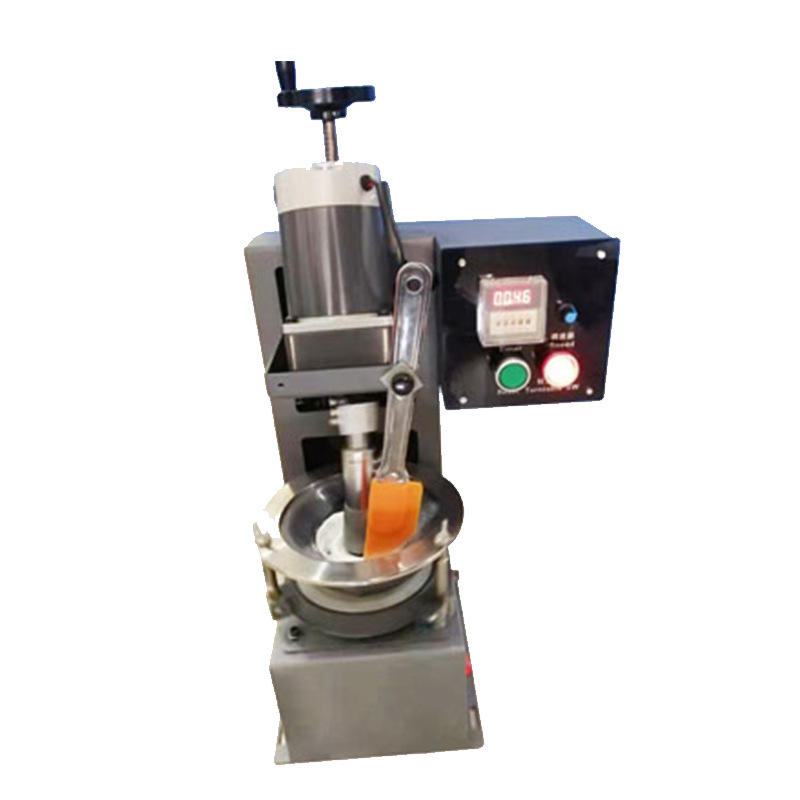
- Digital Speed Control – The motor speed is adjustable from 0 to 600 rpm, with a digital display for precise setting.
- Timer & Auto-Stop – Set the grinding time from 1 minute to 99 hours, and the machine stops automatically when done.
- Low Noise & Vibration – Thanks to a balanced motor and rubber foot pads, the grinder runs quietly – ideal for a shared lab.
- Easy Cleaning – The agate parts are removable and can be cleaned with water or solvent. The smooth surface prevents sample buildup.
- Optional Vacuum/Gas Sealing – For air-sensitive materials, we offer a special agate jar with a sealing cap and gas valve.
How to Choose the Right Agate Grinder
Here's a quick checklist to help you decide:
- How many samples per batch? If you need to grind multiple samples at once, the three-station agate grinder is your friend. It saves time and ensures identical grinding conditions.
- What is your sample hardness? For very hard materials (Mohs > 7), you might need a longer grinding time or a different approach. But agate itself can handle most geological samples well.
- Do you need wet or dry grinding? Both models work for either. If you need wet grinding, make sure the jar has a good seal to prevent leakage.
- Is contamination a concern? If you're analyzing trace elements or preparing samples for spectroscopy, the agate grinder is the safest choice.
- Budget? TENCAN offers competitive pricing for the quality. Compare with other lab mills, but remember that an agate grinder is a long-term investment in data quality.
Maintenance Tips
To keep your agate grinder in top shape:
- After each use, remove the agate pestle and jar. Rinse with water, then clean with a soft brush and mild detergent if needed. Avoid abrasive cleaners.
- Dry the agate parts completely before storage. Moisture can cause mildew or staining.
- Check the rubber drive belt periodically for wear. Replace if it becomes loose or cracked.
- Lubricate the motor bearings every 6 months (use a non-contaminating grease).
- Store the agate pestle and jar in a padded case to prevent chipping.
Final Thoughts: Is an Agate Grinder Right for You?
If you're working with small samples where purity matters above all else, an agate grinder from TENCAN is a no-brainer. It's the tool of choice for geologists, ceramic engineers, and pharmaceutical researchers who need reliable, contamination-free results.
We've been manufacturing lab mills for nearly two decades, and our customers include institutions like Harvard, Tsinghua University, and the Chinese Academy of Sciences. When you buy from TENCAN, you get a product that's backed by real engineering, ISO 9001 certification, and a 24/7 support team.
Ready to explore the full range? Visit the Agate Grinder product page for detailed specs, pricing, and ordering information. You can also check out our small grinder for even more compact options, or the resin ball mill if you're working with polymers.
Happy grinding, and may your samples always be pure!
Related Products
Get In Touch
Our professional team will reply to you within one business day. Please feel free to contact us!