
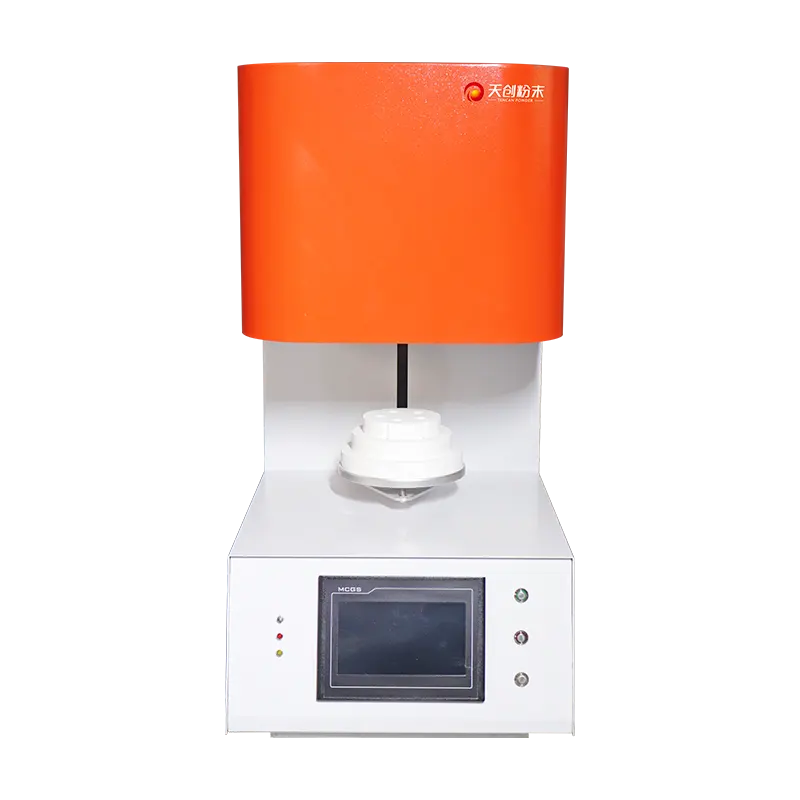
T-Bright Dental Furnace: A Practical Guide to Clean, Repeatable Dental Sintering

You can spend all morning designing a restoration, milling it with care, and checking the fit on a model. Then the case goes into a furnace, and a quiet thermal cycle decides whether all that work turns into a dense, dependable piece or a frustrating redo. That is why a dental furnace deserves more attention than it usually gets. It is not a glamorous piece of equipment, but it sits right at the point where craftsmanship meets materials science.
Sintering is the controlled heating of a shaped ceramic part until its particles bond into a dense, strong body. In a dental lab, it is the step that turns a milled, chalky restoration into something you can finish, seat, and trust. The word “controlled” matters. Heat too fast, soak too long, cool unevenly, or load the chamber badly, and you can get distortion, poor density, surface problems, or a result that looks fine until it fails in service.
This guide is about the T-Bright Dental Furnace, but it is also about the habits that make any dental sintering furnace perform. We will look at what the furnace does, how it fits into a real lab workflow, what “repeatable” actually means, and how to choose and care for a unit without drowning in spec sheets.
Why the Furnace Is the Quiet Hero of a Dental Lab
In a busy lab, the mill gets the applause. It is fast, visible, and easy to show to a visitor. The furnace, by contrast, sits in the corner and hums. But the furnace is where the material story reaches its conclusion. A restoration that leaves the mill in a soft, “green” state is only half-made. The sintering cycle gives it density, strength, and the final character the dentist and patient will see.
Sintering is not just heating
If you only think of the furnace as a hot box, you miss the point. A sintering cycle is a recipe with stages. The furnace raises temperature at a controlled rate, holds at one or more points, and cools in a way that suits the material. Each stage has a job. Early heating removes binders and lets the part adjust. The high-temperature hold drives densification. Cooling affects stress, color, and the final surface.
Think of it like cooking a delicate pastry. You do not simply set the oven to “hot” and walk away. You follow a time and temperature path because the structure changes at different stages. Dental ceramics behave in a similar way. The exact recipe belongs to the material supplier, but the furnace must be able to follow that recipe accurately and repeat it.
The real cost of inconsistency
Inconsistent sintering is expensive in a sneaky way. You may not see the loss on a single invoice. It shows up as remakes, extra finishing time, unhappy technicians, and cases that come back when they should not. A furnace that drifts, heats unevenly, or forces the team to guess creates hidden waste every week.
That is why labs talk about repeatability more than raw power. A furnace does not need to be the biggest or the flashiest. It needs to do the same thing, cycle after cycle, so your team can build a process around it.
Meet the T-Bright Dental Furnace
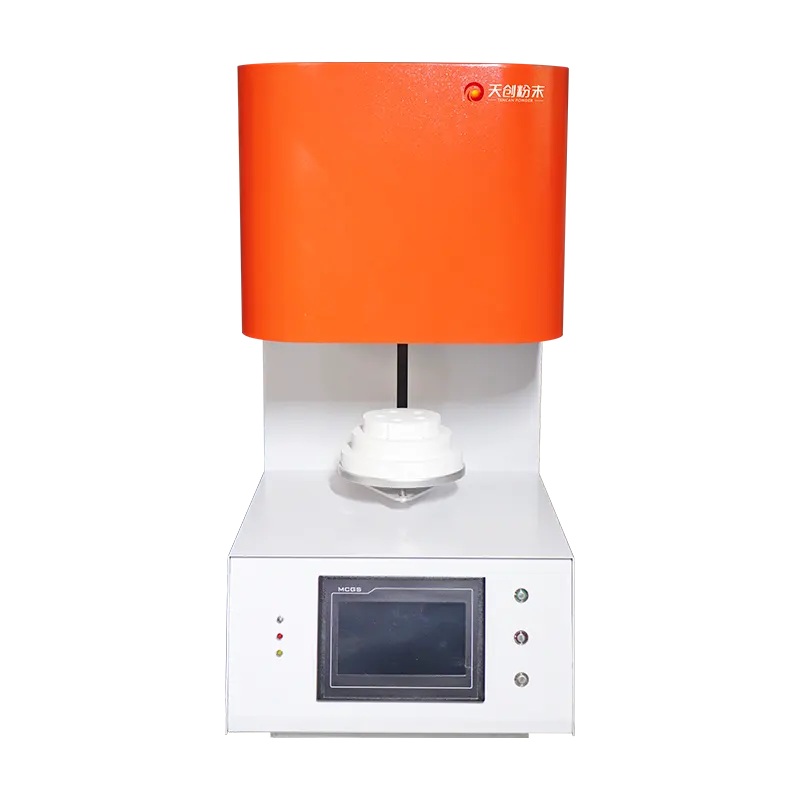
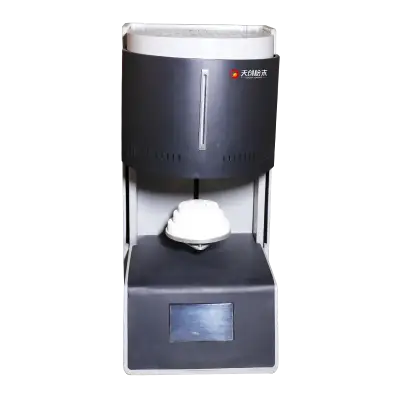
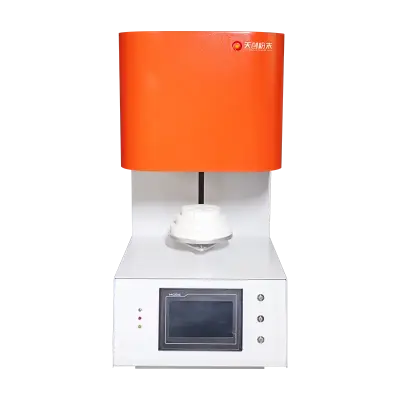
The T-Bright Dental Furnace is part of our sintering series, and its name points directly at its job: dental work and a clean, bright result. You can see the current product information on the T-Bright Dental Furnace product page. That page is the right place to check the current configuration, because furnace details can change with the version and the market.
Here is a useful rule for any equipment article: do not trust a blog post for final specifications. Trust the product page, the manual, and the nameplate on the unit. The same applies here. Before you plan a workflow around any furnace, confirm the chamber size, program options, power requirements, and support details for the exact model you are considering. Those details belong on the product page, where they can be kept current.
What the name tells you
“Dental” tells you the furnace is intended for dental laboratory work. “Sintering series” tells you it belongs with the thermal processing equipment used to densify ceramic restorations. “T-Bright” is the model identity. That is the honest reading of the name and the product listing. Everything beyond that should come from the current specification sheet, not from wishful thinking.
What it is not
A dental sintering furnace is not a magic box that fixes a bad workflow. It cannot rescue a poorly fitted restoration, a contaminated surface, or a schedule borrowed from a different material. It is a precision tool, and like any precision tool, it gives back what you put in. Good material, good handling, and a validated schedule are the other parts of the equation.
The Furnace in Your Workflow: From Milled Crown to Finished Restoration
The furnace only does its best work when the steps around it are under control. Here is a practical way to think about the journey.
Before the cycle: know your material
Every dental ceramic has its own sintering behavior. The material supplier should give you a validated schedule and clear handling instructions. Do not borrow a schedule from a different material because “it worked last time.” Do not shorten a hold because the lab is busy. The furnace can only follow the program you give it.
Before loading, check that the restoration is clean and dry. Handle it with care. Green-state ceramic is fragile, and a small crack or contamination can become a big problem after sintering. Keep a note of the material, shade, and program for every batch. That record is worth more than memory.
Loading the crucible or tray
Loading looks simple, and that is exactly why people rush it. Give each restoration enough space. Avoid crowding. Keep parts away from the chamber walls and heating elements unless the manufacturer says otherwise. Use the recommended setter or crucible material. If the furnace uses a tray, make sure it sits level and is clean.
Uneven loading can create uneven heating. A part close to a hot zone may densify differently from one at the edge. You may not see the difference until you try to finish the crown. Good loading is not fussy; it is basic thermal hygiene.
The ramp, hold, and cool logic
The ramp is the rate of temperature increase. The hold is the time at a target temperature. The cool is how the furnace returns to a safe handling temperature. Each one matters. A fast ramp may save time, but it can also create thermal stress or incomplete binder removal. A long hold may improve density, but it can also affect grain structure or color. Cooling too quickly can introduce stress.
Your job is not to invent a schedule. Your job is to make sure the furnace follows the validated schedule precisely and that the same schedule is used for the same material and restoration type. That is how a lab builds confidence.
Unloading and inspection
Let the furnace cool as instructed. Do not open the door early because you are curious or because the next case is waiting. Thermal shock is real. Once the cycle is complete, unload carefully and inspect the restoration under good light. Look for cracks, distortion, discoloration, or a surface that looks chalky rather than dense.
Record what you see. If a batch looks different, note the material lot, program, loading position, and any maintenance activity. Patterns emerge when you write things down.
What “Repeatable” Actually Means in a Dental Lab
Repeatable does not mean every restoration is identical. It means the process behaves predictably when the inputs are the same. Same material, same program, same loading pattern, same furnace condition: you should get results within an acceptable range. That is the foundation of a reliable dental lab.
Same material, same schedule, same result?
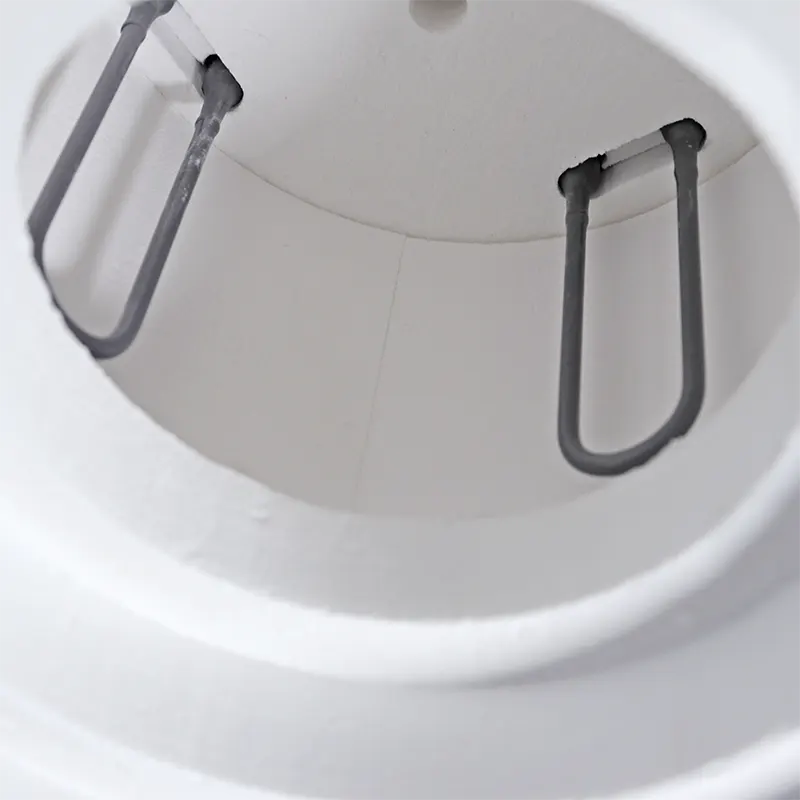
Not automatically. Repeatability depends on several quiet factors: sensor accuracy, chamber uniformity, door seal condition, heating element health, and the way the lab loads the furnace. A furnace that was repeatable last year may drift if it has not been checked. That is why calibration and maintenance are not optional extras. They are part of the process.
It also depends on the people. If one technician uses program A and another uses program B for the same material, you do not have a process. You have a coin toss. Write down the approved programs. Train the team. Keep the manual where people can find it.
Records that save you
A simple cycle log can save hours of investigation. Record the date, operator, material, shade, program number, furnace ID, and any notes. If a case has an issue, you can compare it with successful runs. Without records, every problem feels random. With records, you can spot a pattern and fix the cause.
Good records also help with maintenance. If the lab notices more surface issues after a certain date, the log may show that the furnace has not been checked in a while. That is a much easier conversation than blaming the mill or the material.
Choosing a Dental Sintering Furnace Without Drowning in Spec Sheets
Spec sheets are useful, but they are not a buying strategy. Start with your workflow, then use the specifications to confirm fit. Here are the questions that matter.
Chamber fit and throughput
How many restorations do you need to sinter per cycle? What is the largest piece you routinely make? A chamber that is too small creates bottlenecks and forces multiple cycles. A chamber that is much larger than needed may waste energy and lab space. Think about your busiest week, not your average day.
Also think about loading style. Do you use a tray, a crucible, or a special setter? Does the chamber layout make sense for your team? A furnace that is awkward to load will be loaded badly under pressure.
Temperature control and uniformity
The furnace must follow the programmed curve accurately and distribute heat evenly. Ask how the unit measures and controls temperature, and how uniformity is supported by the design. Do not accept vague claims. Ask for the documentation that matters to your process. If the supplier cannot explain how the furnace is controlled and checked, keep looking.
Uniformity is especially important when you sinter multiple units in one cycle. If the hot zone is uneven, your “same” program produces different results depending on where a crown sits. That is a hidden cost that shows up in finishing and remakes.
Usability and maintenance
A dental lab is a production environment. The furnace should be understandable under pressure. Programs should be easy to select and verify. Alarms should be clear. The door, tray, and chamber should be practical to clean and inspect. Maintenance should be planned, not discovered after a failure.
Ask about access to consumables and service. Ask what regular checks the lab can do and what requires a technician. A furnace with good support is easier to live with than a bargain unit with no backup.
Safety and lab fit
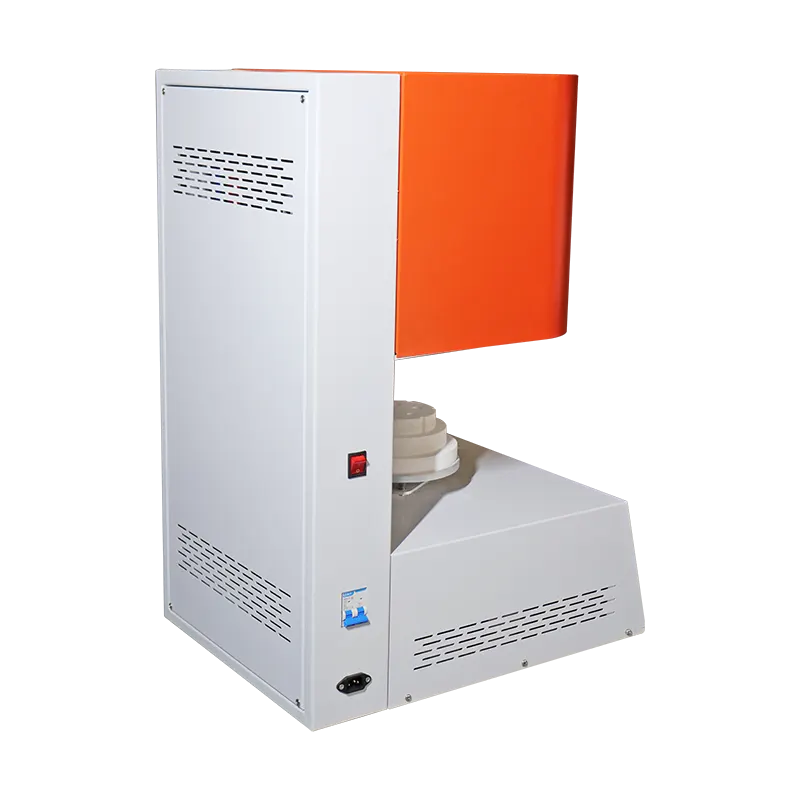
Furnaces produce heat. They need appropriate clearance, ventilation, and power. They also need a sensible place in the lab so that hot surfaces and cables do not become a daily hazard. Check the installation requirements for the exact model. Do not squeeze a furnace into a corner because it looks tidy. Plan for airflow and service access.
You can review the T-Bright Dental Furnace details as a starting point, then compare the current specification with your own workflow. That is a much better approach than choosing the unit with the longest feature list.
Common Questions from Dental Labs
Can one furnace handle different zirconia materials?
Usually the question is not “can it heat them?” but “can you control the programs and keep them separate?” Different materials may need different schedules. The furnace needs enough program capacity and clear identification so that the right schedule is used every time. Follow the material supplier’s instructions and validate your own workflow. Do not assume that one successful cycle proves a universal recipe.
Why does my restoration look cloudy or chalky?
A cloudy or chalky surface can point to several issues: an incomplete sintering cycle, material contamination, poor handling, or a furnace problem. Start with the simple checks. Was the correct program used? Was the restoration clean? Was the chamber loaded properly? Has the furnace been calibrated recently? If the problem repeats, gather records and contact the supplier with specific details rather than guessing.
How often should I calibrate?
Follow the manufacturer’s recommendation and your own quality system. The right interval depends on usage, environment, and the critical nature of your work. A lab that runs the furnace every day may need a different schedule from a small lab that runs it occasionally. The important thing is that calibration is planned and recorded, not remembered only when something goes wrong.
Do I need a separate furnace for glaze?
That depends on your materials and your contamination controls. Some labs separate sintering and glazing to protect the sintering chamber from glaze vapors and debris. Others use a validated workflow in one unit. Talk to your material suppliers and follow their guidance. If you do use one furnace for multiple tasks, be strict about cleanliness and program separation.
A Simple Weekly Routine for Your T-Bright Dental Furnace
You do not need a complicated quality system to get better results. You need a routine that people actually follow. Here is a practical starting point. Adjust it to your manual, your materials, and your lab’s requirements.
- Before every cycle: confirm the material, program, and loading plan. Check that the chamber and tray are clean. Make sure the door seals properly.
- During loading: give each restoration space. Keep parts in the recommended zone. Do not stack or crowd.
- After the cycle: let the furnace cool as instructed. Inspect the result and record anything unusual.
- Weekly: review the cycle log. Look for repeat issues, missed checks, or programs that were changed without a note.
- Monthly: inspect the door seal, chamber, and accessories. Confirm that calibration and maintenance dates are still valid.
- When something changes: new material, new team member, new restoration type, new furnace part. Update the records and revalidate if needed.
This routine is not about bureaucracy. It is about removing guesswork. When the furnace is predictable, the lab can focus on the work that needs human skill.
A Furnace You Can Trust Is a Quiet Advantage
The best dental furnace is not the one with the most dramatic brochure. It is the one that follows its program, holds its condition, and fits the way your lab works. The T-Bright Dental Furnace belongs in that conversation as part of our sintering series. Use the product page to check the current details, then build a process around it: validated schedules, sensible loading, honest records, and regular care.
That approach will do more for your restorations than any single feature. A furnace that behaves predictably gives you back time, confidence, and mental space. And in a dental lab, those are quietly valuable things.
Related Products
Get In Touch
Our professional team will reply to you within one business day. Please feel free to contact us!